Pore Reduction with Botox: Fact, Fiction, or Trend?
Can a wrinkle relaxer really make your pores look smaller? Sometimes, yes, but only under specific circumstances and with techniques designed for skin, not muscles. This article unpacks what Botox can and cannot do for pores, how “microdosing” differs from classic wrinkle treatments, common misconceptions, and the practical trade-offs I’ve learned in clinic.
Why pores look big in the first place
Pore visibility has more to do with oil flow, keratin plugs, and skin laxity than the pore opening itself. Think of pores like tiny chimneys. When oil production is high or the surrounding skin is slack, those chimneys look wider. Genetics, hormones, sun damage, and age all play a role. Even good cleansers and acids won’t truly “shrink” pores; they make them look smaller by reducing impaction and improving light reflection on the surface.
Botox is a neuromodulator that decreases muscle contraction. That’s why it softens expression lines. So why are people talking about Botox pore reduction? The idea is not to paralyze muscles deeply, but to use very superficial microinjections that may modulate sweat and oil output and smooth the skin’s surface, creating the perception of tighter, finer pores. Done correctly, it is not the same as forehead line treatment. Done poorly, it can flatten expression in the wrong places or leave you shiny without control of facial movement where you still want it.
The claim: Botox for pore reduction and oil control
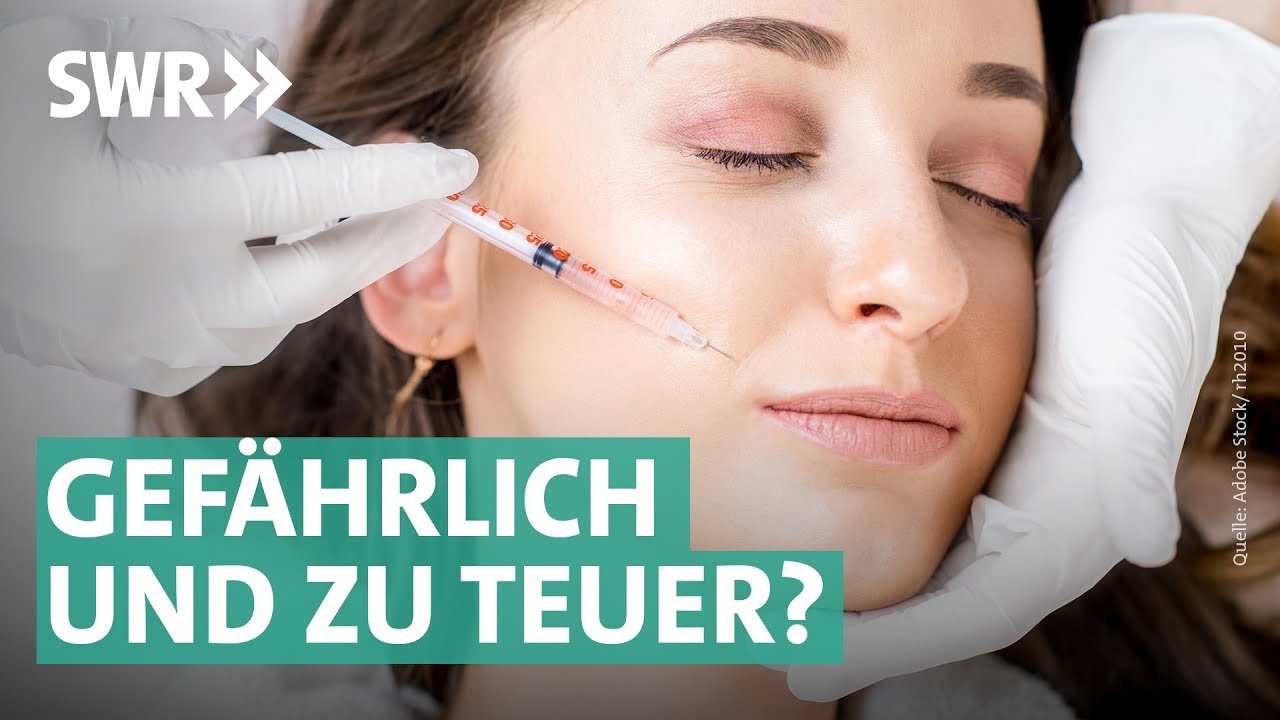
The buzz often centers on microdosing, sometimes called Botox sprinkling, sprinkle technique, feathering, or layering. Instead of placing larger units into facial muscles, a clinician places small aliquots very superficially across oily or textured areas like the T-zone or cheeks. The target is the skin’s interface and sweat glands rather than the deeper muscle. The goal is a subtle skin tightening effect by smoothing micro-contractions of the arrector pili and modulating gland activity, which can make skin look more even and reflective. This is also why people report a “Botox glow” after these sessions.
Here is the nuance: standard Botox placed in the frontalis or glabella does not shrink pores. Microdosed, intradermal placement can improve the appearance of enlarged pores and reduce oiliness in selected candidates. The change is optical and functional, not structural. The pore opening does not shrink permanently. The effect tends to be temporary, usually shorter than classic wrinkle treatments.
What Botox cannot do for pores
Botox does not resurface the skin or remodel collagen. It does not unstick blackheads, reduce acne scars, or remove keratin plugs. It does not permanently shrink sebaceous glands. It cannot substitute for retinoids, chemical exfoliation, or lasers when the primary issue is texture from scarring, congenital large follicles, or severe sun damage. It will not treat active inflammatory acne the way prescription therapies can.
A frequent misconception: “If Botox can reduce oil, it should cure acne.” That leap creates frustration. Some patients with oily skin notice fewer midday blotting papers and a smoother canvas under makeup. Others see little to no shift in breakouts because acne involves inflammation, bacteria, hormones, and keratinization, not just sebum. In my practice, Botox for acne is an adjunct for shine and makeup longevity rather than a core acne therapy.
How microdosed Botox is actually performed
Technique determines outcome. For pore reduction and oil control, the product is placed intradermally in a grid, often 0.5 to 1 cm apart, using tiny aliquots that might total 10 to 30 units for a focused zone, sometimes more for larger areas. The needle angle is shallow, and each deposit produces a small wheal that settles within minutes. Some injectors use diluted toxin formulations to allow a wider, softer spread. Others prefer undiluted micro-aliquots to sharpen predictability.
I usually start with a staged Botox plan: a conservative first session followed by a review appointment at week 2. That second visit allows a top-up or adjustment. This staged approach protects against over-weakening facial expression or creating patchy dryness, and it respects the learning curve of your specific skin response. Patients who have never tried this approach benefit from a Botox trial in a small area, such as one cheek, before committing full-face.
Expect results to show within 3 to 7 days, often earlier than deep muscle treatments. At 24 hours you see nothing except the occasional tiny injection mark. By 48 to 72 hours, many patients report slightly less shine. By week 1 to week 2, the pore look tends to be most improved. Most people ride the benefit for 6 to 10 weeks for oil control, sometimes up to 12. That is shorter than the typical 3 to 4 months we see for wrinkle softening because the target is superficial and glandular function rebounds faster.
Comparing techniques and tools: why your friend’s result looks different
Results vary for several reasons. First, product differences among cosmetic toxin brands matter less than placement strategy, but they still affect spread and onset. Second, dilution protocols influence how broadly each droplet diffuses, which changes evenness and risk of muscle impact below. Third, face geography matters. Cheeks tolerate intradermal placement well. The lower eyelids and the lower face carry higher stakes.
Take the lower eyelids. People ask about Botox for lower eyelids or puffy eyes. A microdose in the wrong plane can weaken the pretarsal orbicularis and change how the lower lid supports the eye. That can make puffiness or sagging eyelids appear worse, not better. If the under-eye issue is fluid, fat prolapse, or thin skin, toxin is not the answer. Energy devices, skin boosters, or surgery can be better suited. This is a clear example of what Botox cannot do.
The lower face brings its own complexity. Patients sometimes request Botox for marionette lines, jowls, or nasolabial lines. These concerns come from volume loss and laxity. A neuromodulator can soften a downturned mouth corner with a precise Botox lip corner lift or address a crooked smile from overactive depressor muscles, and it can help facial asymmetry when driven by pull imbalances. But it will not lift jowls the way a facelift does, or fill folds the way hyaluronic acid does. If a practitioner tries to “tighten” the entire lower face with toxin, you can end up with a frozen, heavy look or functional issues with speech and eating. This is a classic boundary where Botox limitations show themselves.
Pore problems, oily skin, and the “Botox glow”
When patients come in seeking the glow they saw on social media, I ask three questions. Is their main issue oil production and midday shine? Do they wear makeup regularly and want a smoother canvas? Do they tolerate minor texture treatments like superficial needling or microinjections? If the answers are yes, microdosed Botox can deliver a clean finish with reduced T-zone blotting. If they expect scar remodeling or tight jawline contours, they need a different tool.
Why the glow? With very superficial placement, microcontractions in the skin calm, sebum and sweat output decrease modestly, and surface light reflection becomes more even. The face looks airbrushed, especially under studio lighting. The effect is camera friendly, which is why it went viral. The trade-off is that you must repeat sessions more often than classic wrinkle treatments if you want to maintain the finish. Most people schedule Botox sessions every 2 to 3 months for pore control, sometimes alternating with chemical peels or light resurfacing for deeper texture.
Botox vs other options for skin texture and pores
Botox is not a resurfacing tool. Resurfacing involves retinoids, acids, micro-needling, and lasers. Each works by controlled injury and repair that changes the architecture of the epidermis and superficial dermis. They can tighten the “chimney walls” around pores in a way Botox cannot.
Where Botox fits is as an overlay for function and finish. Paired thoughtfully with skincare, it adds a refined look during the day. Vitamin A derivatives, niacinamide, and sunscreen handle the biology of the pore over time. Botox handles the short-term shine and micro-smoothness. An example regimen I have used in oil-prone clients: a nightly retinoid, gentle salicylic acid two to three times weekly, mineral sunscreen daily, and a microdosed toxin session every 10 to 12 weeks before busy seasons or events. On camera, it reads as high-definition skin.
Debunking uncommon myths and common misconceptions
A few myths keep circulating. One states that Botox hydrates the skin. It does not pull in water like hyaluronic acid. If you perceive a Botox hydration effect, it is actually reduced evaporative loss from decreased sweat in treated zones and the smoother surface reflecting more light. Another myth claims that Botox can be dissolved if you dislike the result. Unlike fillers, there is no Botox dissolve option. You must wait for the effect to wear off slowly. Depending on the placement, that can take weeks to months. Planned staged dosing helps minimize regret.
A different misconception is that more units equal better pore reduction. Overdosing increases the risk of frozen Botox or flattening important animation, especially in the lower face. You want enough to influence the skin, not enough to silence deeper muscles. For me, the sweet spot is a tailored sprinkle technique guided by oil patterns and pore maps from clinical photos, not a fixed grid on every face.
There is also confusion around Botox for acne. While some patients report fewer whiteheads or less congestion, the mechanism is not anti-inflammatory. The better way to frame Botox for acne is that it may support a clean finish in those with oil-driven shine. Prescription topicals and, in some cases, oral medications remain the backbone for acne control.
Safety details that change the outcome
The skin’s anatomy is thin in some areas, thick in others. Where you place microdroplets matters. An injector must understand where tiny deposits can drift into muscles that lift the lip, shape the smile, or blink the eye. If that happens, you can see a crooked smile or lazy lower-lid closure, both usually temporary but socially obvious. Pore goals do not justify functional trade-offs. Choosing a clinician who performs microdosed intradermal toxin often, not once in a while, lowers risk.
Side effects tend to be mild when technique is careful: pinpoint bruising, transient swelling, and occasional itch at an injection site. I advise avoiding heavy workouts for the first 24 hours, not because it “spreads” the product wildly, but because increased blood flow can worsen bruising and swelling. Many people like an ice pack briefly before or after the session. Numbing cream is rarely necessary since intradermal pricks are quick and shallow, but for needle fear or anxiety, a topical anesthetic or even a vibration device distractor helps.
If you see Botox gone wrong stories online, study the injection zone. Most horror photos involve misplaced toxin in the wrong plane or excessive dosing in the lower face. Overdone Botox almost always traces back to heavy-handed muscle dosing, not the light-touch microgrid used for pores. Still, any neuromodulator plan needs a safety net: an early check-in, a reachable provider, and a clear path for Botox correction if a smile looks asymmetric or a brow feels too heavy. Adjustment is possible with additional microdoses in counteracting muscles, not by dissolving the toxin.

Expectations and timeline: what it feels like
What Botox feels like in microdosed skin work is different from a classic forehead treatment. Instead of a deep dull pressure, you feel quick, mosquito-bite stings and a faint tightness as the botox NC wheals settle. For the next day or two, makeup sits nicely because the skin is slightly calmer. By day 3 to day 5, the shine reduction becomes noticeable. Around week 2, the glow effect is at its peak. If there is a patch that still looks oily, your review appointment is the time for a careful touch-up.
Plan your calendar. If you are targeting a specific event, schedule 10 to 14 days beforehand. If you are trying Botox for the first time and worried about looking odd, start with a small area as a Botox trial. If you experience any unevenness, your provider can guide a botox adjustment. True complications are uncommon, but it is smart to leave margin for an extra visit.
Where Botox stands among broader treatments
Patients often ask for a quick compare. Botox vs surgery is simple: toxin relaxes muscles and can modulate skin function, while a facelift repositions tissues and removes laxity. Botox vs facelift is not a contest because they solve different problems. If someone wants pore refinement and makeup durability, a facelift offers nothing there, while microdosed toxin can help. If someone wants jawline definition and jowl lift, Botox for jowls will disappoint, and surgery or energy tightening is appropriate.
What about Botox vs thread lift? Threads reposition soft tissue modestly and can stimulate collagen. They do not affect oil or pores. The choice depends on whether your primary complaint is texture and shine or sag and shape. And Botox vs filler for forehead? Fillers address contour, hollows, and lines at rest, while Botox softens movement lines. Using filler to treat pores is a mismatch, and using Botox to fill is impossible.
Practical planning, from the chair to the mirror
I take photos under consistent lighting at each visit. Skin can trick the eye, and social media angles make everything suspect. Good photos show whether a pore map changed or if you are just seeing different light. For oily skin, I look for reduced shine at midday and less makeup separation around the nose and cheeks. That is a better metric than “shrunken pores” because the opening size is not a durable target.
Consider pairing microdosed Botox with topical skincare that supports long-term change. A low-irritation retinoid two to three nights weekly, a gentle cleanser, and sunscreen with a cosmetically elegant finish give you structure. Add short courses of azelaic or salicylic acid around the nose and chin if congestion returns. If blackheads dominate the picture, a peel or professional extraction combined with toxin is more logical than increasing the Botox units.
Managing fear, sensation, and the day-of experience
For those with Botox anxiety or needle fear, plan small wins. A numbing cream applied 20 to 30 minutes before reduces sting. A chilled roller or ice pack for a few seconds pre-injection dulls sensation further. Communicate about any prior fainting or vasovagal episodes. Lying back, keeping the room cool, and slow breathing prevent most incidents. The actual series of microinjections is brief, often under 10 minutes for a T-zone.
Bruising is the most common nuisance. It tends to be small and coverable. To lower the risk, pause non-essential blood thinners when medically safe, avoid alcohol the night before, and skip intense workouts for a day afterward. If you bruise easily, arnica or bromelain supplements have mixed evidence but minimal downside. If swelling occurs, it usually fades within hours. Slow, even placement by the injector matters more than lotions you apply later.
Social media, trends, and realistic benchmarks
Botox trending videos compress time and select for eye-catching skin. View them as highlights. The average real-world outcome is more modest and also more pleasant to live in. You should still smile, squint, and emote. The best microdosed outcomes look like you on a very good skin day, not like a filter. If a provider promises pore obliteration, ask what they mean by that and how long it lasts.
The term Botox facial balancing pops up online and can include everything from brow shaping to lip corner tweaks and minor smile correction. Those are muscle-centric goals. Pore work is skin-centric. Combining the two can be elegant, but only when dosing remains light and placement respects expression. If your fear is a frozen face, say so clearly. Over the years, I have found a two step Botox plan builds trust: do the skin grid first, let it settle for a week or two, then decide whether to add any expression work. Patients stay in control, and we avoid stacking effects that are hard to unwind.
Who is a good candidate, who is not
Ideal candidates have oily or combination skin, enlarged-appearing pores without deep scarring, and realistic expectations. They value a polished finish more than a permanent fix and can attend follow-up. They may be on-camera often or simply enjoy low-maintenance makeup. Poor candidates include those with significant photodamage and laxity seeking tightening, people with predominant acne scarring expecting pores to vanish, or anyone who cannot return for a botox review appointment if there is a need for a botox touch-up appointment.
Special caution applies to the under-eye and perioral regions. For puffy eyes, sagging eyelids, or lower eyelid laxity, avoid toxin near the lid margin. Seek alternatives such as fractional lasers, radiofrequency microneedling, or skin boosters. In the perioral area, microdosed toxin can soften barcode lines but easily overflows into speech and eating function if not mapped carefully. When in doubt, a staged micro-trial beats a bold first pass every time.
Costs, schedules, and maintenance
Pricing is highly local. Microdosed protocols are billed by area or by total units. Because results for oil and pore appearance wear off faster than traditional wrinkle-relaxer placements, maintenance tends to be more frequent. Most of my patients return every 8 to 12 weeks for skin-focused microdosing if they want steady results. Some stretch to seasonal treatments for events. The most common treatment areas for this style are the forehead skin, nose, inner cheeks, and chin. When combined with classic forehead and crow’s feet relaxation, treatment plans become layered. Careful scheduling avoids unwanted cumulative weakening.
If the effect seems too weak after the first pass, do not rush back within 3 days. Toxin continues to settle for up to 2 weeks. That waiting period allows a proper botox evaluation at the review. If it is too strong or uneven, your provider can perform a botox fix by counterbalancing muscles, not by removing the toxin. If very little happened at all, that is often a dosing or placement issue, sometimes an overly diluted solution, sometimes simply individual biology. Rarely, antibodies to the product reduce effect, but that is uncommon in cosmetic dosing.
Where this trend lands: fact with limits
Botox pore reduction is real in the sense that it can reduce oiliness and produce a smoother, finer-looking surface for a period of weeks. It is not pore shrinking in the structural sense, and it is not a permanent solution. It fits best as a finishing technique, paired with skincare that drives long-term texture change. When done well, it reads as a healthy, even glow that photographs beautifully and feels clean during the day. When misapplied, it addresses the wrong problem or nudges expression in ways you did not intend.
If you are considering trying Botox for skin health and glow, start with a clear goal. Is the target midday shine and makeup movement around the nose and cheeks? If yes, microdosing may be worth a careful trial. If the goal is lifting jowls or erasing nasolabial lines, explore fillers, energy devices, or surgery. If under-eye puffiness bothers you, look outside neuromodulators. Ask your injector about experience with intradermal techniques, how they prevent spread into critical muscles, and what their plan is for adjustments if something looks off. With a measured approach, the trend becomes a tool, and the fiction falls away.
A brief comparison to keep expectations honest
Good fit: oily T-zone, visible pores without deep scarring, desire for makeup longevity, event prep 10 to 14 days out, comfort with repeat sessions every 2 to 3 months. Poor fit: primary concerns are laxity, jowls, deep folds, under-eye bags, or acne scarring; expectation of permanent pore shrinkage; inability to attend follow-up.
Aftercare and small habits that extend results
Keep the first 24 hours calm: light activity only, no saunas, avoid heavy rubbing over treated zones. Resume skincare thoughtfully: continue retinoids and acids on your usual schedule after the first night if skin feels normal; pause a day if sensitive. Sun protection every morning: a matte-finish sunscreen supports the shine control you paid for. Reassess at week 2: take photos in consistent lighting, and discuss any hot spots of oil or areas that feel too flat.
The takeaway is straightforward. Botox, used in microdoses and the right plane, can soften oil output and make pores look more refined for a window of time. It is not a resurfacer, and it will not fix scarring or laxity. When framed as a finishing move rather than a cure, it becomes a legitimate, defensible part of a broader plan for smoother, more photogenic skin.