Innovative Guidance: The Development Chief Blueprint
In today's rapidly changing corporate landscape, creative management is essential nowadays. The concept of the "Growth Leader" has surfaced as a strong model for leaders looking to lead their organizations toward continuous success. A Growth Leader is not just a manager or a boss; they are forward-thinkers and planners who cultivate an atmosphere where development and innovation thrive.
These leaders embrace change and motivate their teams to think creatively, enabling them to explore novel ideas and strategies. In this article, we will delve into the Growth Boss framework, uncovering the essential traits and habits that define these revolutionary leaders. By understanding what it means to be a Growth Boss, you can unlock the potential within your group and guide your company toward a successful future.
Defining the Progress Boss
A Progress Boss is a manager focused on promoting continuous development within their company and among their team members. This function transcends traditional management, emphasizing flexibility, innovation, and the nurturing of a growth mindset. Growth Leaders cultivate an culture where employees feel motivated to enhance their skills, take informed risks, and pursue novel opportunities. They emphasize development not just as a means to achieve organizational goals, but as a fundamental aspect of their management philosophy.
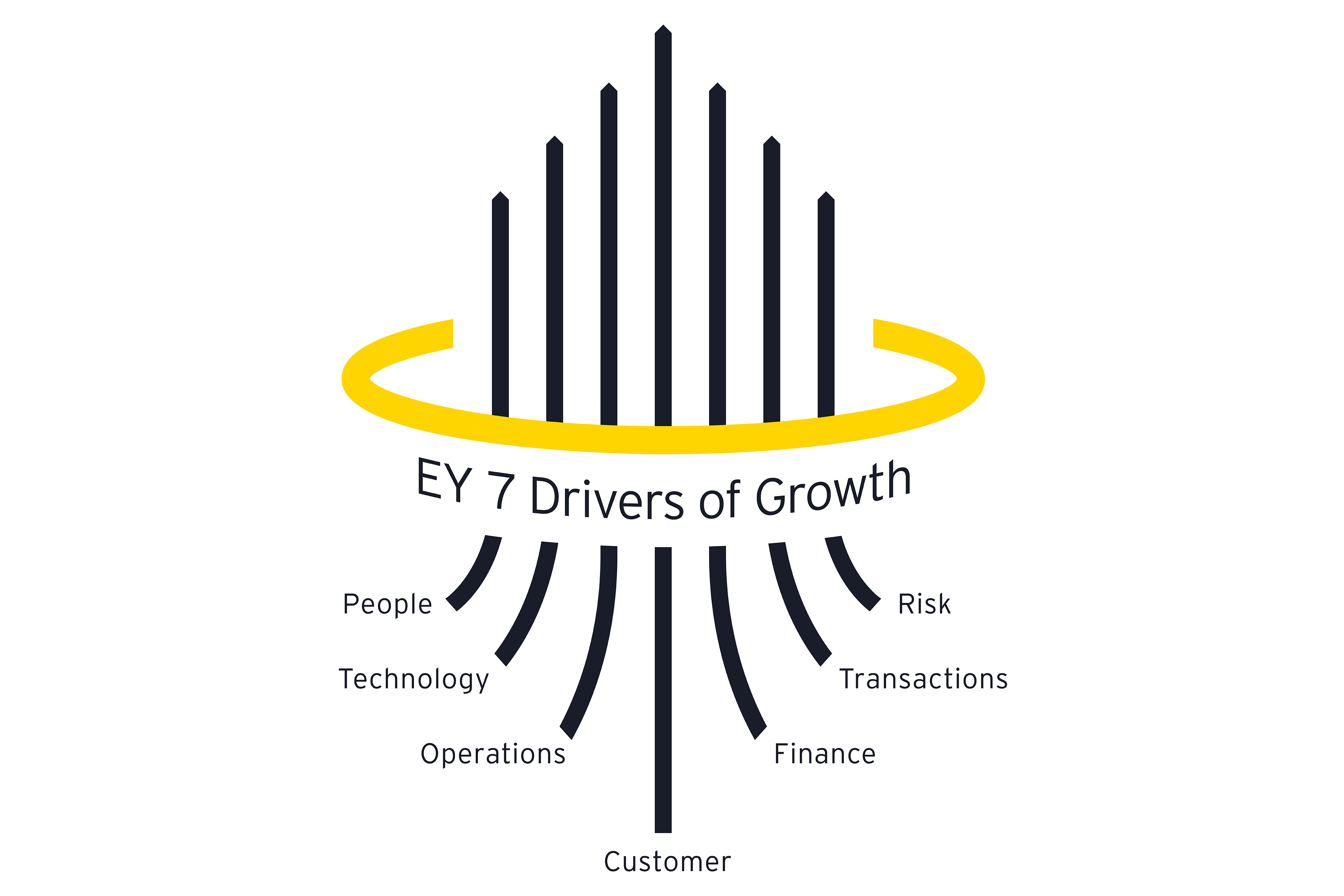
At the center of the Development Boss concept lies the understanding that true leadership is not about authority and dominance but rather about inspiring and guiding others to reach their full potential. Growth Bosses actively engage their teams in meaningful conversations, providing helpful feedback and guidance to help individuals navigate their work journeys. By acknowledging the unique abilities of team members, they tailor growth opportunities that align with both personal aspirations and organizational objectives.
In addition, the Growth Boss embodies a dedication to lifelong learning and personal development. They stay inquisitive, continuously seeking innovative knowledge and perspectives that can benefit their teams and their teams. This resolve fosters a culture of creativity and resilience, enabling the business to respond to difficulties and seize fresh opportunities in an constantly evolving marketplace. In essence, the Development Boss emphasizes a holistic approach to growth that enhances individuals, staff, and the entire business.
Key Traits of Visionary Leaders
Visionary leaders, often referred to as Transformational Leaders, possess a singular blend of qualities that distinguish them from traditional leaders. One key trait is their ability to foster a culture of imagination and experimentation. They encourage their teams to challenge the norm and explore new ideas without the fear of making mistakes. This nurturing environment not only boosts enthusiasm but also leads to groundbreaking solutions and opportunities for growth within the company.
Another important trait is flexibility. Transformational Leaders thrive in fast-paced environments and are swift to pivot when necessary. They embrace evolution and view challenges as opportunities rather than hindrances. By being open to new perspectives and flexible in their approaches, they inspire their teams to remain agile, ensuring that the company can navigate the ever-shifting landscape of the market.
Finally, effective interpersonal skills is a cornerstone of creative leadership. Growth Bosses excel at articulating their vision and engaging their teams in significant discussions. They are attentive and value the suggestions of others, creating a sense of community and teamwork. This open dialogue not only strengthens connections but also aligns the team's efforts toward a unified purpose, ultimately driving the company forward.
Applying the Growth Boss Model
To effectively put into practice the Growth Boss model, leaders must initiate by cultivating a mentality dedicated to constant growth. Growth Boss podcast involves embracing a environment that prioritizes innovation and invites team members to share their insights. By creating an environment where creativity thrives, managers can enable their teams to discover chances for growth and testing new ideas. Consistent collaboration sessions, review processes, and clear communication channels will greatly improve the team's capacity to respond and transform.
Next, efficient implementation demands the development of clear goals and KPIs. Growth Leaders should define clear-cut, observable, achievable, meaningful, and time-bound objectives to lead their teams. This not only unifies everyone toward common targets but also facilitates measuring progress and making required modifications. Periodically evaluating these objectives guarantees that the team stays centered on advancement while recognizing achievements along the way, which enhances motivation and bolsters a environment of achievement.
Ultimately, the Growth Boss framework emphasizes the value of guidance and capability building. Leaders should invest in training programs that equip their teams with the tools and insights they need to perform well. By matching experienced team members with those desiring to develop, organizations can encourage skill transfer and improve collaboration. This coaching approach not only improves personal skills but also develops a cohesive team that is well-prepared to tackle the obstacles of a fast-evolving business landscape.