How Telegram Became the Home of Web3 Gaming: A Developer and Player Perspective
The transformation of Telegram from a messaging application into a comprehensive Web3 gaming platform represents one of the most significant developments in the gaming industry over the past three years. What began as simple chat-based games embedded in Telegram groups has evolved into a sophisticated ecosystem of play-to-earn titles, blockchain-integrated experiences, and social gaming networks that collectively host hundreds of millions of active players. This evolution has fundamentally changed how developers approach game distribution, how players engage with digital economies, and how the broader gaming industry thinks about mobile-first, socially-driven gaming experiences. For developers considering entering the Web3 gaming space and players evaluating their gaming options, understanding how Telegram became the center of this revolution provides essential context for navigating this rapidly evolving landscape.
The statistics surrounding Telegram's gaming ecosystem are staggering and continue to grow at remarkable rates. As of 2026, Telegram-native games have accumulated over 500 million combined players, with the top titles regularly appearing in the top charts of Telegram's built-in game discovery system. The Hamster Kombat game, launched in early 2024, achieved 300 million registered users within its first year, making it one of the most successful mobile games ever launched by any measure. Notcoin, a tap-to-earn game that pioneered many of the mechanics now standard in Telegram gaming, peaked at over 40 million monthly active players and demonstrated the viral potential of Telegram's referral systems. These numbers dwarf the player bases of most traditional mobile games and have attracted both established gaming companies and independent developers to the platform.
The convergence of several factors created the conditions for Telegram's gaming revolution. The platform's massive and engaged user base, combined with its sophisticated bot infrastructure and Mini App platform, provided technical foundations that developers could build upon. Telegram's introduction of Telegram Stars as a universal virtual currency created a payment and monetization infrastructure that simplified in-game transactions and enabled cross-game economies. The Open Network blockchain, which Telegram integrated into its platform, provided the technological backbone for blockchain-based gaming features without requiring users to understand cryptocurrency. Finally, the platform's focus on privacy and minimal advertising created an environment where players could engage with games without the intrusive data collection and ad saturation that characterizes much of the mobile gaming industry.
The Technical Foundation: Telegram's Gaming Infrastructure
Understanding why Telegram succeeded as a gaming platform requires examining the technical infrastructure that makes Telegram-native gaming possible. The Telegram Bot API, particularly its Mini App functionality introduced in 2023 and significantly enhanced in the Bot API 2.0 release, provides the foundation for most Telegram games. Mini Apps run directly within the Telegram client, eliminating the friction of app store downloads and providing instant access to gaming experiences. The web-based nature of Mini Apps means developers can use standard web technologies—HTML, CSS, and JavaScript—to create games that work across all platforms where Telegram is available, including iOS, Android, Windows, macOS, Linux, and web browsers.
The Telegram Web App SDK provides the crucial bridge between games and the Telegram platform, exposing APIs that enable games to access user data, send messages, process payments, and leverage platform features. The web_app_open_telegram_link method allows games to seamlessly invite friends to play, creating viral loops that have driven explosive growth for successful titles. The web_app_read_text_fromClipboard and web_app_write_text_fromClipboard methods enable games to interact with the clipboard for various purposes. Most importantly, the payment APIs integrated with Telegram Stars enable frictionless in-game purchases without requiring users to navigate to external payment processors or understand cryptocurrency.
The integration of The Open Network blockchain enables blockchain-based gaming features including verifiable scarcity, player-owned assets, and decentralized economies. Games built on this infrastructure can create in-game items as NFTs on TON, enabling players to truly own their digital assets and trade them on secondary markets. The @wallet Telegram bot, which provides wallet functionality to Telegram users, handles the complexity of blockchain interactions, making Web3 features accessible to players without cryptocurrency expertise. This seamless integration of blockchain technology has been crucial to the success of play-to-earn mechanics that have driven much of Telegram gaming's growth.
Performance considerations for Telegram games differ significantly from traditional mobile game development due to the constraints of running within a web view. Successful developers optimize their games for rapid loading, smooth 60fps animations, and minimal battery consumption. HTML5 game frameworks like Phaser, PixiJS, and Three.js have emerged as popular choices for Telegram game development, with each offering different trade-offs between features, performance, and development complexity. The compression and optimization of game assets, including sprites, audio, and 3D models, requires careful attention to minimize load times and bandwidth consumption while maintaining visual quality.
The Play-to-Earn Revolution on Telegram
The play-to-earn model, which rewards players with cryptocurrency or in-game assets that have real-world value, found its most accessible implementation on Telegram. Unlike earlier play-to-earn games that required significant upfront investment in cryptocurrency or NFT purchases, Telegram's integrated payment system and social referral mechanics enabled free-to-play models that rewarded engagement without requiring financial commitment. This democratization of play-to-earn mechanics dramatically expanded the potential player base and created new pathways to monetization for developers.
Notcoin, launched in early 2024, exemplified the Telegram-native play-to-earn approach. The game's core mechanic was simple—players tapped a button to earn virtual coins, with no purchase necessary to participate. Players could accumulate coins passively, through tapping, or by inviting friends to play, creating viral loops that drove explosive growth. When the game transitioned to its token generation event in late 2024, active players received NOT tokens proportional to their in-game achievements. The token listing on cryptocurrency exchanges created real financial value from a free gaming experience, with Notcoin's market capitalization reaching $1 billion within weeks of its public listing. This success demonstrated that Telegram's massive user base could support substantial economic activity generated through gaming.
The tap-to-earn mechanic pioneered by Notcoin spawned dozens of imitations, each attempting to differentiate through theme, aesthetics, and additional features. Major brands including footballers, musicians, and celebrities launched branded tap-to-earn games that leveraged their existing audiences to achieve rapid user acquisition. TapSwap capitalized on its cryptocurrency exchange branding to attract users interested in the broader crypto ecosystem. Blum combined DeFi trading features with gaming mechanics to appeal to users engaged with decentralized finance. Major protocols including Pixel Wars, Catizen, and Yescoin each developed unique variations on the tap-to-earn theme, creating a diverse ecosystem that offered something for different player preferences.
Beyond simple tap-to-earn mechanics, more sophisticated play-to-earn games have emerged on Telegram, offering deeper gameplay experiences with corresponding higher earning potential. DeDust, a Telegram-native game developed by the TON Foundation, combines strategic base-building mechanics with competitive multiplayer battles and NFT-based asset ownership. The game has cultivated a dedicated player base that invests significant time and sometimes money to compete at high levels, with top players earning hundreds of dollars monthly through tournament prizes and asset trading. Pixel Hunt and similar titles have created hunting and exploration games where players earn cryptocurrency by completing in-game objectives. These more complex games appeal to players seeking meaningful gameplay alongside earning opportunities.
Hamster Kombat and the Mainstreaming of Telegram Gaming
Hamster Kombat, launched in early 2024 by a Russian development team, achieved unprecedented success that transformed perceptions of Telegram gaming's potential. The game combined simple idle-clicker mechanics with a hamster-themed aesthetic and aggressive viral marketing to become the most downloaded Telegram game ever, accumulating 300 million registered users within its first year. The game's success demonstrated that Telegram could support gaming experiences competitive with traditional mobile game giants like Candy Crush and PUBG Mobile in terms of user acquisition and engagement.
The gameplay loop in Hamster Kombat centered on building a virtual cryptocurrency exchange operated by hamsters. Players tapped to earn in-game currency, then invested that currency in upgrades that increased their earning rate even when not actively playing. This idle game mechanic, combined with a surprisingly deep card-collecting system, created compelling gameplay that rewarded both casual tapping and strategic investment decisions. The game also featured daily cipher challenges where players could earn bonus rewards by solving puzzles, creating regular engagement opportunities that kept players returning.
Hamster Kombat's success was amplified by its sophisticated use of Telegram's social features. The referral system offered substantial rewards for inviting friends, incentivizing aggressive sharing across Telegram groups and external social media. Daily combo cards and cipher challenges encouraged players to engage with community resources, driving traffic to YouTube channels and Twitter accounts that provided puzzle solutions. This ecosystem of third-party content creators, many of whom built substantial audiences focused specifically on Hamster Kombat, created a network effect that sustained engagement even during periods when players might otherwise have lost interest.
The game's HMSTR token launch in late 2024 represented a milestone for Telegram gaming, demonstrating the platform's ability to support substantial cryptocurrency projects. The token generation event distributed HMSTR tokens to active players based on their in-game achievements, with the token subsequently listing on major cryptocurrency exchanges. While the token's price experienced significant volatility typical of newly listed cryptocurrency assets, the project demonstrated that Telegram games could serve as effective distribution mechanisms for blockchain-based assets. The success spawned numerous imitators attempting to replicate Hamster Kombat's formula, though few achieved comparable scale.
Developer Perspectives: Building Games for Telegram
For developers considering entering the Telegram gaming market, understanding the platform's unique opportunities and challenges is essential for success. The audience characteristics of Telegram gamers differ significantly from players on traditional gaming platforms, requiring developers to adapt their design philosophy and monetization strategies accordingly. Telegram players tend to be older and more globally distributed than players on platforms like TikTok or Snapchat, with particular concentrations in emerging markets where Telegram has achieved significant penetration. This audience often has limited experience with traditional mobile gaming, creating opportunities for games that offer accessible mechanics and clear value propositions.
The development timeline for Telegram games tends to be shorter than for traditional mobile releases, with successful games often launching within 2-4 months of initial development. This compressed timeline requires efficient development processes and clear prioritization of features. The Mini App framework's web-based nature means games can be developed using familiar web development tools and deployed instantly without app store review processes. This agility enables rapid iteration based on player feedback, though it also means games can face significant competition as developers can launch competing titles quickly. The ability to A/B test features and monetization approaches directly within Telegram provides valuable data for optimizing games post-launch.
Monetization on Telegram differs fundamentally from traditional mobile gaming, where in-app purchases and advertising dominate revenue models. Telegram's integration of Telegram Stars enables direct monetization through virtual goods sales, though the relatively small number of Stars that users typically hold constrains purchase amounts compared to traditional in-app purchases. The play-to-earn model creates alternative revenue opportunities through token launches and NFT sales, though these require careful structuring to avoid regulatory issues and market manipulation concerns. Advertising within games, while technically possible, must be balanced against Telegram's privacy-focused brand positioning and user expectations for ad-free experiences.
The competitive landscape for Telegram games has intensified dramatically, with thousands of titles now competing for player attention and engagement. Discovery remains a significant challenge, as Telegram's built-in game discovery system is relatively limited compared to app store ecosystems. Successful games invest heavily in community building, influencer marketing, and referral systems to drive organic growth. Listing on directory services like LetsTG, which provide curated game recommendations and reviews, has become an important marketing channel for serious developers. The competitive environment rewards innovation and compelling gameplay over mere feature completeness, with players quick to abandon games that don't deliver satisfying experiences quickly.
Success Stories and Case Studies
Examining successful Telegram games in detail provides insights into what drives achievement in this market. Catizen, developed by a team with backgrounds in traditional mobile gaming, achieved over 30 million users by combining cat-themed aesthetics with dual-currency gameplay that rewarded both casual engagement and strategic investment. The game's monetization leveraged Telegram Stars effectively while maintaining a free-to-play experience that didn't penalize non-paying players. Catizen's subsequent token launch demonstrated how successful games can transition from gaming experiences into broader blockchain ecosystems.
Yescoin, developed by the team behind the popular OpenPhone messaging application, attracted 20 million users by focusing on emerging markets with localized content and payment options. The game partnered with local payment providers in regions like Southeast Asia and Africa to enable easier withdrawal of earnings, addressing a key barrier to engagement in markets where traditional payment infrastructure is limited. This localization strategy enabled Yescoin to achieve strong market positions in countries like Nigeria, India, and Indonesia where Telegram adoption is particularly high.
Lost Dogs, developed by The Open Build team, took a different approach by focusing on narrative-driven gameplay rather than pure tap-to-earn mechanics. The game combined story chapters with collection mechanics and strategic gameplay elements, appealing to players seeking more substantive gaming experiences. While achieving smaller user numbers than pure tap-to-earn titles, Lost Dogs demonstrated higher engagement metrics including longer session times and stronger retention curves. The game proved that Telegram's audience includes players interested in meaningful gameplay beyond simple repetitive mechanics.
The TON Foundation's investment in first-party games has shaped the ecosystem significantly. DeDust, Battle of Guardians, and other foundation-sponsored titles have demonstrated what high-quality Telegram gaming experiences can look like while establishing technical standards for the platform. telegram crypto signals serve as showcases for TON blockchain capabilities, helping players understand and trust blockchain-based gaming features. Foundation support for game development through grants and incubation programs has lowered barriers for independent developers while providing quality assurance that benefits the broader ecosystem.
Player Perspectives: Why Gamers Choose Telegram
Understanding why players choose Telegram games provides crucial insights for developers seeking to build successful titles. The convenience factor represents the primary appeal for many players, as Telegram games can be accessed instantly without separate downloads, account creation, or complex onboarding processes. Players already using Telegram for communication can begin gaming within seconds of encountering a game link, dramatically lowering the barrier to trial. This frictionless access has attracted players who would never download standalone gaming apps but happily engage with games embedded in their messaging platform.
The social dimension of Telegram gaming appeals strongly to players who enjoy shared gaming experiences with friends and community members. Unlike solitary mobile gaming experiences, Telegram games exist within the context of groups and communities where players can share progress, compete on leaderboards, and collaborate on challenges. This social layer transforms gaming from an isolated activity into a community experience, creating social bonds that increase retention and engagement. For players in regions where gaming communities are less developed, Telegram gaming provides accessible social gaming experiences that might not otherwise be available.
Financial motivations drive significant engagement with Telegram games, particularly in regions where economic conditions make even modest earning opportunities attractive. In countries like Nigeria, the Philippines, and various Latin American nations, Telegram gaming has become a meaningful supplementary income source for some players. While the earnings from most games are modest—typically measured in dollars per month rather than hundreds of dollars—players often report psychological satisfaction from any income earned through gaming that transcends the actual financial value. This financial dimension has created a professional player segment that optimizes gameplay for maximum earnings, developing expertise that casual players don't possess.
The anonymity and privacy features of Telegram gaming appeal to players concerned about data collection in traditional gaming platforms. Telegram's encrypted messaging and minimal data collection stand in stark contrast to the extensive surveillance typical of free-to-play mobile games. Players who are uncomfortable with the data practices of major gaming companies find Telegram's approach more aligned with their privacy preferences. This privacy-conscious player segment represents a distinct market that values the protection of their gaming activity and personal information.
Technical Challenges and How Developers Address Them
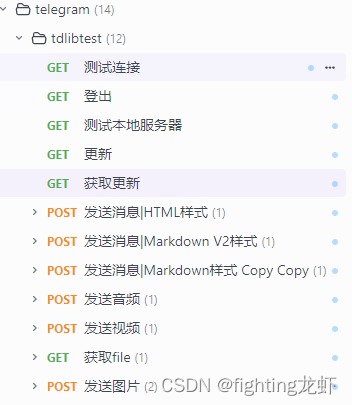
Developers building Telegram games face unique technical challenges that require specialized approaches and solutions. Performance limitations inherent in running games within web views constrain the complexity of experiences that can be delivered, requiring careful optimization of game engines, asset pipelines, and rendering approaches. Developers must balance visual quality against performance requirements, often accepting simplified graphics to achieve smooth frame rates on lower-end devices. The diversity of Telegram clients across platforms creates testing challenges, as games must perform adequately on iOS, Android, and various desktop environments.
Network reliability presents ongoing challenges for games that require real-time communication or blockchain interactions. Telegram's connection handling provides some resilience, but games requiring low-latency interactions must implement their own synchronization and reconnection logic. Blockchain-based games face particular challenges due to TON network congestion during peak periods, which can result in delayed transactions and frustrated players. Experienced developers implement optimistic UI updates that show immediate feedback while confirming blockchain transactions asynchronously, reducing the perceived impact of network delays.
Security considerations for Telegram games extend beyond typical web application concerns due to the value of in-game assets and potential for real financial gain. Games implementing play-to-earn mechanics must carefully secure their backend systems against cheating, exploitation, and cheating software that could undermine game economies. Anti-cheat systems that detect automation tools, bot accounts, and manipulation schemes require ongoing development as cheating techniques evolve. The value of in-game assets also makes Telegram games targets for account takeover attempts, requiring robust authentication and security monitoring.
Scaling challenges emerge quickly for games that achieve viral success, as sudden spikes in user activity can overwhelm servers and infrastructure designed for smaller player bases. Successful developers design for scale from the beginning, implementing horizontal scaling architectures and load balancing strategies that accommodate rapid growth. The stateless nature of many Telegram game architectures facilitates scaling, as additional servers can handle increased load without requiring complex state synchronization. However, database and caching layers often become bottlenecks, requiring careful architecture and investment in scalable database solutions.
The Future of Telegram Gaming
Looking ahead, Telegram gaming's trajectory suggests continued growth and evolution in the coming years. The platform's expanding user base provides an expanding potential audience for gaming experiences, with Telegram continuing to add millions of new users monthly. The technical capabilities of the Telegram platform continue to evolve, with the Bot API 2.0 and future updates promising enhanced gaming features that will enable more sophisticated experiences. The maturation of the TON blockchain ecosystem will provide more robust infrastructure for blockchain-based gaming features.
Emerging technologies including augmented reality, voice interaction, and AI-generated content may find their first major gaming applications within Telegram's ecosystem. The platform's accessibility to developers and integration with diverse technologies positions it to experiment with emerging trends more rapidly than traditional gaming platforms constrained by app store approval processes and legacy systems. AI-generated content could enable personalized gaming experiences at scale, with games that adapt to individual player preferences and behaviors. Voice-controlled games leveraging Telegram's audio capabilities could create new gameplay paradigms unavailable on traditional gaming platforms.
The competitive landscape will likely see continued consolidation as players gravitate toward proven titles while lesser games struggle to maintain relevance. Established franchises with strong community foundations and regular content updates will compete effectively, while one-hit-wonder games may fade quickly after their initial viral peak. The economics of Telegram gaming will mature, with developers gaining better understanding of sustainable monetization approaches that balance revenue generation with player satisfaction. Professional game studios with resources for sustained development may increasingly dominate the top positions in the market.
For developers considering entering the Telegram gaming market, the opportunity remains substantial despite intensifying competition. The platform's unique combination of massive reach, integrated payments, and social features creates conditions unavailable elsewhere in the gaming industry. Success requires clear differentiation, compelling gameplay, and effective community building alongside technical execution. For games that achieve these qualities, Telegram offers access to hundreds of millions of potential players and economic models that can generate substantial returns. The gaming revolution on Telegram shows no signs of slowing, and the platform's continued evolution promises new opportunities for developers ready to participate in this dynamic market.
Getting Started: Playing Telegram Games
For players looking to explore the world of Telegram gaming, getting started is straightforward and requires no special equipment or technical knowledge. The first step is simply finding a game to try, which can be done through Telegram's built-in search, recommendations from friends, or directories like LetsTG that curate game listings. Many popular games can be found by searching for their official channels, which typically have verified badges confirming their authenticity. Players should be cautious of unofficial games claiming association with popular franchises, as scammers frequently attempt to exploit the reputation of successful games.
Starting a game is typically as simple as clicking a link or opening a Mini App, which launches the game directly within Telegram. The onboarding process for most games is minimal, with games requesting basic permissions like access to your Telegram username and profile photo. Players should review permission requests carefully and avoid games requesting excessive permissions that don't seem necessary for their functionality. Most games offer tutorial experiences that introduce core mechanics, and players are advised to complete these tutorials to understand gameplay before investing significant time.
Managing gaming activity within Telegram requires attention to time management and potential security concerns. Setting screen time limits, taking regular breaks, and maintaining perspective on the financial value of gaming activities helps ensure that gaming remains an enjoyable hobby rather than an unhealthy obsession. Security best practices include enabling two-factor authentication on Telegram, being cautious of phishing attempts, and never sharing login credentials or authentication codes with third parties. Players should also be wary of external websites claiming to offer gaming advantages, as these are often scams designed to steal accounts or personal information.
The social aspects of Telegram gaming can be enjoyed through community engagement, though players should approach community interactions thoughtfully. Joining official game channels provides access to news, updates, and community events, though players should verify channel authenticity to avoid fake channels operated by scammers. Community discussion can enhance the gaming experience through shared strategies and social connections, though players should be cautious about advice regarding financial decisions, as community opinions may not reflect reliable financial guidance. With thoughtful engagement, Telegram gaming offers accessible entertainment and community experiences that can provide genuine value to players across all backgrounds and interests.