How Much Spray Foam Insulation Do I Need?
Thinking about boosting your home's energy efficiency and comfort with spray foam insulation? Knowing how much you need is the first step to a successful project. This comprehensive guide will walk you through the process, from understanding the different types of spray foam to calculating your needs and considering the costs involved. Let's dive in!
Understanding Spray Foam Insulation
Spray foam insulation comes in two main types: open-cell and closed-cell. Open-cell foam is less dense, offering good insulation value while allowing for some air permeability. Closed-cell foam, on the other hand, is denser, creating a superior air and moisture barrier. The choice between them depends on your specific needs and budget, considering factors like climate, desired R-value, and project scope. Both types effectively improve thermal resistance, reducing heat transfer and enhancing energy savings in walls, attics, and crawlspaces. Selecting the right foam type will significantly impact your home’s insulation depth, ultimately influencing the total material quantity needed.

Benefits of Spray Foam Insulation
Spray foam insulation offers numerous advantages beyond just improved energy efficiency and reduced energy bills. Its superior air sealing capabilities minimize drafts and air leaks, resulting in enhanced home comfort and reduced heating and cooling costs. Additionally, spray foam acts as a moisture barrier, protecting your home from water damage and mold growth. Its pest-control properties deter insects and rodents, while its soundproofing capabilities help to create a quieter living environment. Finally, many spray foam types exhibit fire resistance, adding an extra layer of safety to your home. The insulation depth and density of the foam are key factors influencing these benefits.
Calculating Your Insulation Needs
Accurately calculating your spray foam insulation needs involves several steps. Understanding your project size, wall thickness, and desired foam thickness are crucial for determining the required amount of material. This careful estimation ensures you have enough insulation to achieve your energy efficiency goals without excessive waste.
Assessing Your Project Size
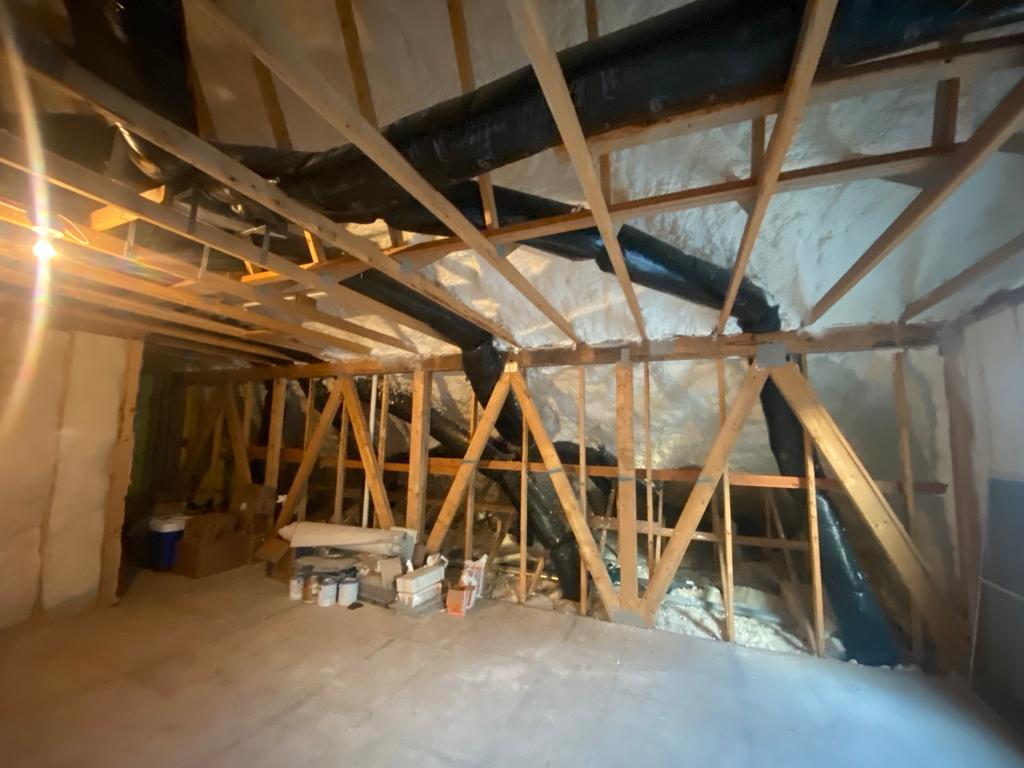
Begin by measuring the square footage of the areas you plan to insulate. This might include walls, attics, crawlspaces, or basements. Accurate measurements are essential for calculating the cubic footage, which, along with the density of the chosen spray foam, determines the total amount needed. Consider any obstructions or irregularities within the areas to be insulated, adjusting your calculations accordingly.
Determining Wall Thickness and Foam Thickness
The thickness of your existing walls and the desired thickness of the spray foam layer will significantly influence the total amount of insulation needed. Thicker walls will require more foam to achieve the same R-value. Consult building codes and energy efficiency guidelines to determine the recommended insulation depth for your climate and building type. Remember that the choice of open-cell versus closed-cell foam will affect the required thickness for a given R-value.
Cost of Spray Foam Insulation
The cost of spray foam insulation varies based on several factors. The type of foam (open-cell or closed-cell), the area to be insulated, the complexity of the project, and whether you choose to DIY or hire a professional contractor all play a role in determining the total cost. Planning your budget and understanding these factors is crucial for a successful project.
Breakdown of Costs
Material costs differ between open-cell and closed-cell spray foam, with closed-cell generally being more expensive. Labor costs will vary depending on the contractor's rates and the project’s complexity. DIY insulation can reduce labor costs but requires specialized equipment and expertise. Consider obtaining multiple quotes from reputable contractors to compare pricing and ensure you are getting a fair price for your insulation project. Comparing these costs allows a better determination of the overall project https://freehold-township-nj-07731-i-a-8-5-6.image-perth.org/discover-howell-township-nj-s-best-restaurants-in-2025 budget.
Tips for Installation
Spray foam insulation application requires skill and specialized equipment. While DIY is possible for some smaller projects, larger or more complex installations are best left to experienced professionals. Proper application ensures optimal coverage, prevents voids or inconsistencies, and maximizes the insulation's effectiveness. This will ensure maximum energy savings and overall home improvement goals.
Hiring a Professional vs. DIY
Hiring a professional spray foam installer offers several advantages, including expertise, efficient application, warranty coverage, and adherence to safety standards. DIY installations may seem more cost-effective initially, but errors in application can negate the benefits of insulation, leading to increased costs and energy loss. Weigh the pros and cons before deciding which route is best for you and your insulation project.
Sustaining Energy Efficiency Over Time
Spray foam insulation is known for its long-term durability. Many manufacturers offer warranties on their products, offering peace of mind regarding the longevity of your investment. With proper installation and maintenance, spray foam insulation can help you maintain your home's energy efficiency for many years to come, ultimately reducing your environmental impact and ensuring sustainability. The foam's density and composition factor into its overall lifetime and durability.
Frequently Asked Questions
What factors affect how much spray foam insulation I need? Several factors influence the amount of spray foam needed, including the area to be insulated, wall thickness, desired R-value, and the type of foam used (open-cell or closed-cell).
How do I determine the R-value required for my home? Building codes and energy efficiency guidelines provide recommendations for R-values based on your climate zone and building type. A professional energy audit can help determine the optimal R-value for your specific needs.
Can I install spray foam insulation myself, or should I hire a professional? While DIY is possible for smaller projects, larger or complex installations often require the expertise of a professional for optimal results and safety.
What maintenance is required after installing spray foam insulation? Spray foam insulation generally requires minimal maintenance. Regular inspections can help identify any potential issues, and professional cleaning may be necessary in specific situations.
In conclusion, determining the right amount of spray foam insulation for your home involves careful planning and consideration of various factors. By understanding your project size, desired R-value, and the type of foam you choose, you can effectively calculate your needs and budget accordingly. Remember to weigh the benefits of hiring a professional installer versus a DIY approach. With proper planning and execution, spray foam insulation can significantly improve your home's energy efficiency, comfort, and overall value for years to come. Ready to get started? Contact a qualified spray foam installer today for a free consultation!