Top Tips to Find the Best Auto Glass Near Me for Mobile Windshield Replacement
When your windshield cracks, the clock starts ticking. Chips spread with temperature swings and vibrations, wipers carve dirt into scratches, and vision slowly degrades. I have watched small star breaks turn into full-length fractures over one cold night, then force a full replacement the next day. Acting early saves money, and picking the right shop saves headaches. The market has plenty of competent technicians alongside a few corner-cutters. The difference shows up in your field of view during a downpour or a blinding sunset.
This guide distills practical lessons from the field, not marketing copy. If you are searching for auto glass near me and expect a mobile team to come to you, you are balancing convenience, safety, insurance rules, and cost. What follows helps you judge quality, decode quotes, and avoid common mistakes that lead to squeaks, leaks, warning lights, or repeat visits.
What mobile windshield replacement can and cannot do
Mobile service exists to get you back on the road with minimal disruption. A good mobile tech can handle most cars and light trucks in a driveway or office parking lot. They bring calibrated tools, primers, glass, and urethane. Many carry rain sensors, mirror brackets, clips, cowl fasteners, and molding kits to match common models.
Limitations matter. High-end vehicles with complex driver assistance systems may need controlled lighting and a level floor for reliable camera calibration. Some vans can calibrate static targets on-site, others require a shop bay. Severe rust on the pinch weld, heavy rain, or subfreezing temperatures can also push the job indoors or delay it. The right shop will explain these boundaries before they schedule your visit, not when your wipers are sitting on the passenger seat.
Safety and structural integrity come first
A windshield does more than block bugs. It supports airbag deployment, resists roof collapse during rollovers, and keeps you inside the cabin during a crash. Modern vehicles bond the glass into the structure with urethane adhesives that cure to a high-strength elastomer. Done right, you get OEM-level support. Done lazily, you get poor adhesion, squeaks in the A-pillars, wind noise at highway speed, and compromised crash performance.
A careful tech preps the body and glass with compatible cleaners, primers, and urethane that meets Federal Motor Vehicle Safety Standards. They use a consistent bead height and shape, clock the glass so the ceramic frit aligns with the trim, and avoid touching the bonding area with bare hands. They also set a safe drive-away time based on temperature, humidity, and adhesive brand. On a mild day with premium urethane, that can be as short as 30 minutes. On a cold, damp morning, it may be 2 to 4 hours. If a shop promises zero wait in all weather, they are ignoring chemistry.
Getting a windshield quote you can trust
A good windshield quote does more than spit out a single number. It accounts for your vehicle’s exact options, the glass brand, molding, clips, recalibration, mobile service, taxes, and disposal fees. The fastest way to get an accurate auto glass quote is to have the following ready:
VIN, model year, trim, and any known options like heated wipers, humidity sensors, lane-keep cameras, or acoustic glass. Insurance information if you plan to file a glass claim, plus your deductible. Some policies waive deductibles for chip repairs but not replacements. Your preferred appointment window and whether you have covered parking. Mobile work under a carport is often fine during light rain.
From my desk, I have watched quotes swing by $100 to $450 depending on two things customers often miss: recalibration and glass specification. A base windshield without a camera port might list at 250 to 400 dollars in many markets. Add an ADAS camera and heated wiper park plus acoustic lamination, and you can end up at 700 to 1,200 dollars, particularly on luxury models. That spread is not a markup scam so much as a reflection of parts cost and calibration labor.
Beware of quotes that are 30 percent below the local average. They often exclude trim parts, reuse old brittle clips, skip primer, push longer drive-away times than suggested, or install aftermarket glass with poor optical clarity. Many aftermarket panes are fine and come from the same factories that supply automakers, but the bottom tier can ripple light around the edges or distort traffic lights at night. If pricing seems unusually low, ask the shop to specify brand and part number. Clarity and coatings vary even within the same brand.
Insurance, deductibles, and how claims change your options
Glass coverage varies widely. Some states mandate zero-deductible windshield replacement on comprehensive policies, others do not. If your deductible is 500 dollars and your quote is 450, it may be cheaper to pay cash. If a shop knows the local insurance landscape, they can steer you to the financially sensible path without pressure. Ask whether they are in-network for your carrier. In-network status can simplify billing and sometimes cap pricing, but it does not guarantee the best workmanship. Plenty of independent shops bill out-of-network and deliver meticulous results.
If you decide to file, the shop or insurer will likely verify options using your VIN. Insurers sometimes steer work to large national networks. You are still entitled to choose your shop in most states. If you prefer a local specialist who knows your make well, tell your claims representative. I have seen stubborn camera calibration issues resolved by a small shop that replaced a camera bracket the network overlooked, saving a second replacement.
OEM glass vs aftermarket: how to decide
The choice between OEM-branded glass and high-end aftermarket often comes down to cost, availability, and calibration sensitivity. OEM carries the carmaker’s label and generally matches optical and acoustic specs precisely. Aftermarket ranges from excellent to mediocre. The best aftermarket panels meet OEM specs and are produced by the same large glass manufacturers. The worst may have waviness, inconsistent ceramic frits, or mislocated sensor windows.
I advise OEM glass when a model is known for finicky ADAS calibration or when the windshield is part of the sound insulation package you value on long commutes. For a mass-market vehicle with standard rain sensing and a well-supported calibration procedure, a reputable aftermarket option can be a good value. Ask your shop how often they need to reattempt calibration with each brand. A tech who tracks this data and speaks plainly about their results has already done half your homework.
ADAS recalibration is not optional
Cameras behind the glass monitor lane lines, traffic, and pedestrians. They need proper focus and alignment to work. Even if the bracket stays glued to the glass in the same place, the optical path can shift with glass thickness and curvature. The dashboard might show no error codes yet still drift a few degrees to the right, making lane-keeping twitchy or late to warn. Proper recalibration, static or dynamic, fixes that.
Shops handle this in one of three ways. Some own target boards and software for static calibration in a controlled space. Some perform dynamic calibration with a road drive after preset conditions are met. Others outsource to dealerships. Any of these can work, but each has trade-offs in scheduling and cost. Expect recalibration to add 75 to 300 dollars to the job depending on the vehicle and method. The invoice should list the calibration type, the results, and any trouble codes cleared. If a shop casually says your system does not need it, ask them to put that in writing with the procedure reference. Silence or vagueness here is a red flag.
Environmental conditions and safe drive-away time
Urethane adhesives cure by reacting with atmospheric moisture at a rate influenced by temperature and humidity. The wrong conditions extend the safe drive-away time and increase the risk of bonding failure. Quality mobile outfits monitor conditions and choose adhesives accordingly. On a hot, dry afternoon, many premium urethanes reach minimum safety thresholds in 30 to 60 minutes. On a cold, damp morning, they may require two hours or more. If your schedule is tight, ask about higher-modulus, fast-cure products. They cost more but prevent rushed departures.
Windshield prep is just as sensitive. The technician should remove old urethane to a trim height, not scrape to bare metal. Exposed metal needs proper primers to prevent corrosion. Any existing rust near the pinch weld must be addressed before bonding. I have seen a tiny rust blossom turn into a leak two months later. A little black primer is not a cure-all for pitted steel. When the tech finds serious rot, expect a pause and a conversation.
Interpreting online ratings and reviews with a mechanic’s eye
Stars are a starting point, not an end. Read the low and medium reviews first. Look for patterns: wind noise after replacement, water intrusion, trim not reinstalled correctly, poor communication about arrival windows. One missed appointment can happen to any shop. Five stories about leaks point to process failure.
The strongest praise often mentions specifics: on-time arrival, protective fender covers and dash mats, recalibration documentation, clean edges on the urethane, and a clear explanation of safe drive-away time. Photos help, especially close-ups showing even bead lines and well-seated moldings. A shop that responds to criticism with a practical remedy, not defensiveness, usually runs a tighter operation.
How to compare quotes without getting lost in jargon
Glass quotes bundle several elements, and line items vary. Ask each shop to break out parts, labor, calibration, moldings, mobile fee if any, and tax. Request the glass brand and whether it is OEM, OEM-equivalent, or aftermarket, plus the part number if they will share it. Clarify whether they plan to reuse moldings and clips or replace them. Some moldings are designed for one-time use and do not reclip well. Leaks often start where a stretched or hardened molding no longer hugs the body.
If one auto glass quote is significantly lower because it excludes calibration or moldings, your comparison is apples and oranges. Normalize the offers by adding the missing pieces or ask the shop to revise the quote to include full scope. Timeframes matter as much as dollars. If your daily commute is long and you rely on ADAS, waiting two extra days for a shop that calibrates in-house might be worth it.
A brief story about a 10-minute inspection that saved a second replacement
A client with a midsize SUV complained of a faint whistle around 60 mph after a mobile windshield replacement. The installer had returned twice, re-seated the cowl, and even added a strip of foam under the top molding. The whistle remained. I inspected the glass and found a slight step near the upper passenger corner, about the thickness of two business cards. The bead height was low in that quadrant, and the glass sat proud of the frame ever so slightly. In crosswinds, air slipped under the molding and sang.
We scheduled a reinstallation, adjusted the bead height, replaced the distorted molding, and let the urethane cure with proper support blocks. The whistle vanished. Ten minutes with a straightedge and a practiced eye prevented a cycle of guesswork. Good shops do that check before they call the job done.
What to expect on the day of service
Expect a call or text before arrival. A careful tech will ask to park away from dust and sprinklers and will spread protective covers over the fenders and dash. Wiper arms, cowl panels, and mirror attachments come off first. The old glass lifts out with wire or cold knife, leaving a clean profile of old urethane. New urethane goes on in a continuous bead. The windshield sets once, not repeatedly. Small adjustments happen within a minute to ensure even reveal and correct camera window position. Trim pieces click back with new clips if required. The tech reconnects sensors, rain and light modules, and mirror wiring.
Before they leave, you should see the calibration step or receive documentation if it occurs at a partner facility. You will get instructions: avoid slamming doors for a day, leave retention tape in place for the recommended hours, skip automatic car washes for a week, and report any wind noise or drips immediately. Make a quick check with a hose later, not a pressure washer. Gentle water flow around the perimeter reveals a leak without forcing water under trim.
Special cases: vintage cars, heavy trucks, and RVs
Vintage vehicles often have gasket-set glass rather than bonded urethane. The skills and tools differ. A shop comfortable with modern ADAS may or may not excel at rope-in gasket installs with wide chrome trim. Look for specialists who can source rare moldings and understand pinch weld rust repair. Heavy trucks and RVs add size and flexibility issues. Some have split windshields or bowed glass that truly benefit from a controlled indoor setting. Mobile work can still be done, but you want a team that arrives with extra hands, suction cups rated for the weight, and the right scaffolding. Time is money for commercial rigs, and a redo costs far more than a cautious first attempt.
Weather, scheduling, and how to avoid rescheduling roulette
Mobile auto glass teams work around weather, but not all weather. Light drizzle under a carport can be fine. Direct rain on the bonding area is not. Extreme cold reduces open time and increases the chance of contamination from condensation. The best way to minimize reschedules is to offer options: a garage bay, afternoon sun rather than morning fog, or flexibility to move the appointment by an hour when the radar changes. If your commute or childcare window is tight, book the first slot of the day. Teams are freshest, traffic has not scrambled their timing, and you have maximum cushion for safe drive-away.
A simple checklist to vet the best auto glass near me
Ask for the glass brand, part number if possible, and whether it is OEM or high-grade aftermarket. Confirm whether ADAS recalibration is required and how it will be performed, with documentation. Request a detailed windshield quote that lists moldings, clips, mobile service, taxes, and disposal fees. Verify adhesive brand and safe drive-away time for the forecasted temperature and humidity. Read recent reviews for specific outcomes: no leaks, no wind noise, clean work, clear communication.
Use this checklist during phone calls. A confident, experienced service advisor will answer without hesitation or jargon fog. If they dodge, keep looking.
Pricing realities and how to avoid surprise add-ons
Regional labor Greenville auto glass repair rates and glass supply drive pricing. In many metro areas, common vehicles without ADAS fall between 250 and 450 dollars for auto glass replacement using quality aftermarket glass. Add rain sensors and cameras, and the total often lands in the 450 to 900 range, sometimes higher for luxury or rare models. Outliers happen when supply is tight or the part is dealer-only.
Surprise add-ons usually come from misidentified options, hidden rust, or trim that breaks during removal. A good shop prepares you for those possibilities. They will say, if the lower molding cracks due to age, it is 40 to 120 dollars to replace. If we discover rust that threatens adhesion, we will stop and quote repair rather than bury it. When a service writer mentions these scenarios up front, they are doing you a favor, not pre-selling fear.
The trade-offs of speed, cost, and perfection
Perfection takes time. A same-day slot is wonderful, but not if it means a rushed calibration or a cold-weather cure that is marginal. An extremely low price can feel like a win until the first storm. And OEM everything may be overkill for a commuter sedan with a high-mileage future. Educated choices beat knee-jerk ones.
If your schedule is tight and you cannot risk a reschedule, consider a shop appointment instead of mobile. You get controlled conditions, overhead targets for calibration, and a technician who is not fighting wind gusts or blowing leaves. If convenience is paramount and the car is a straightforward install, mobile service is a gift. The key is choosing a provider who knows when to say no to marginal conditions.
Aftercare and what to watch for during the first week
Drive gently over speed bumps on day one. Temperature swings overnight can stress fresh urethane, which is fine when cured but more sensitive in the first hours. If you hear a faint rattle in the cowl after the first highway run, call the shop. That is often a loose clip or a misseated push pin, quick to fix. Watch for condensation lines at the top corners after heavy rain, a telltale of capillary leaks. Foggy patches along the edges can be normal moisture release in humid climates, but beads of water or drip tracks need attention.
For vehicles with camera systems, pay attention to lane-keeping behavior and automatic high-beam responses during the first few drives. If something feels different, it likely is. The sooner you report it, the easier it is to diagnose whether the cause is calibration or a new software update your car applied overnight.
When repair beats replacement
Small chips and short cracks still have a place in the playbook. If the damage is smaller than a quarter, not in the driver’s primary line of sight, and not at the edge where the glass bonds to the body, a skilled tech can repair it in 20 to 30 minutes. Repairs cost a fraction of replacement and often get covered with no deductible. The result will not be invisible, but it stops spread and restores strength. I keep a mental threshold: if the crack has grown beyond 6 to 8 inches or runs into the edge, skip repair. The bond line is too critical, and even a successful fill can leave a weak point.
How to prepare your car and location for a smooth mobile visit
Clear the dash, remove toll transponders, and lift any dash cams so the tech can work around the mirror area. Park on a level surface with room for the tech to open doors fully and set their tools. Move pets inside. Sprinklers off. If you have a tight garage, measure the bay. Many vans need 8 feet of clearance at the rear to unload glass safely. This ten-minute prep reduces risk of trim scuffs and speeds the install.
A short word on shop culture you can feel at the curb
You can infer quality from small cues. The van arrives tidy, with glass racks padded and labeled. The tech wears gloves and sets parts on protective blankets, not bare concrete. They tape the edge of the hood where tools might brush and they sit sensors face-up on a clean mat. The old glass goes into a cradle, not leaned haphazardly against your mailbox. None of these actions are expensive. They are habits that correlate with careful bonding and leak-free results.
Bringing it all together
Finding the best auto glass near me is not a lottery draw. It is a targeted search guided by specific questions about glass brand, calibration, adhesives, and process. A windshield quote becomes meaningful when it maps to your actual vehicle options and includes the parts and steps that guarantee safety. You do not need to become a glass technician to get this right. You need to know what good looks like and what shortcuts look like.
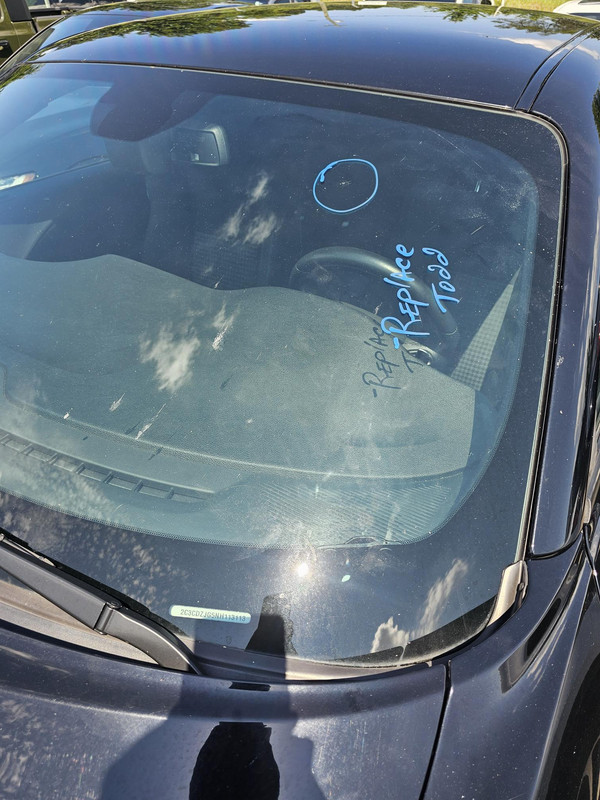
If you value convenience, mobile windshield replacement can deliver shop-quality results when handled by a team that respects weather, adhesive chemistry, and ADAS procedures. Give them accurate vehicle details. Ask for a complete auto glass quote with calibration and moldings. Choose a provider who documents their work and talks plainly about trade-offs. Then follow the aftercare, listen for wind noise on your first highway run, and keep that paperwork. The next time a rock finds your commute, you will know exactly who to call and what to ask, and you will spend the least amount of money and time to get a windshield that works as a structural part of your car, not just a piece of glass in a frame.