Refrigerated Storage Near Me: When to Upgrade Your Space
If you handle perishables for a living, you get a feel for temperature the way a carpenter reads grain. You know when a walk-in runs hot by the smell of greens at 7 a.m., or how a compressor is laboring by the way it hums after lunch rush. The question isn’t whether refrigerated storage is important, it’s when your current setup stops being good enough. That threshold creeps up slowly, then shows itself all at once in spoilage, missed deliveries, or a weekend service call that costs more than a month of rent.
Upgrading refrigerated storage, whether inside your own four walls or by using a third-party cold storage facility, is part math and part judgment. The math looks at turns, temperature, and cost per pallet. The judgment comes from experience: how your items behave, the quirks of your team, the rhythm of your season, and the realities of your city. I’ve seen operators in San Antonio limp along with two overloaded reach-ins for months, only to double sales within a quarter after moving overflow to a reliable refrigerated storage partner across town. I’ve also seen folks overspend on warehouse space they didn’t need, because a one-time seasonal spike spooked them.
This guide is about finding that upgrade line and deciding what type of refrigerated storage near you best fits the business you actually run.
The signals your cold chain is straining
Hard problems rarely announce themselves. In cold storage, they whisper first, then shout. The whispers look like shortened shelf life, more trimming on prep, and a growing stash of thermometer logs with out-of-range blips that get written off as “door held open.” If you recognize a few of these, you’re close to the upgrade line.
Shrink creeps past 3 to 5 percent on refrigerated items. You may see this in prepped produce, seafood, or bakery fillings that never make it to the plate. If you’re above 7 percent for more than two inventory cycles, the cooler is functionally undersized or poorly managed for your actual throughput.
Your cooler is a maze of temporary fixes. Racks on wheels, product stacked on the floor, aisle ways narrowed so far that picking disturbs air circulation. The airflow pattern is more important than most think. Once you block returns with pallets or dense totes, temperature stratifies. The top shelf stays cool while the middle runs warm.
Deliveries are timed to your cooler’s limitations instead of your operations. If you’re cutting deliveries to awkward windows or refusing bulk discounts because you literally can’t hold the inventory, the storage footprint is calling the shots.
Temperature recovery takes too long after door openings. A properly sized and maintained unit should recover within 10 to 15 minutes after a moderate restock. If your monitor shows prolonged dips, expect condensate issues, frost on evaporators, and product risk.
Staff time disappears to hunting and rearranging. Any time your team spends playing Tetris in a walk-in instead of prepping or picking adds hidden cost. A ten-minute search for yogurt twice per day across a year is roughly a full week of labor gone.
You don’t need all of these flags to make a move. Two or three, sustained over a month, usually justify at least a stopgap, like renting portable refrigerated storage or talking to a nearby cold storage facility about short-term overflow.
What “near me” should mean in practice
Typing refrigerated storage near me gives you a map, not a solution. Proximity matters, but not the way many assume. The right “near me” balances drive time with reliability, temperature capability, dock access, and scheduling.
In foodservice, anything within 20 to 30 minutes door-to-door usually works for overflow or staging, as long as the facility has flexible hours. In a heat-prone market like San Antonio, those minutes must be predictable. A 15-minute drive down I‑10 at 11 a.m. can become 40 minutes at 4 p.m. If your items are temperature-sensitive, the time from their current cold zone to the next one matters more than miles.
For e‑commerce with perishable goods, you might favor a facility near major parcel hubs to hit later cutoff times. For beverage distributors, look for a location with wide turning radii, multiple docks, and staging space so your drivers aren’t idling in the sun while a single gate cycles.
A practical test: simulate your busiest week by staging a run at your worst likely hour. Time how long it takes to load, drive, check in, and store. If your product warms beyond 5 degrees on its surface during the transition, you’ll need insulated totes, gel packs, or a reefer van for transfers. Those are real costs and must be baked into your “near me” decision.
Build versus buy: expanding your own cooler or using a cold storage facility
The decision to expand in-house or work with a cold storage facility near me hinges on duty cycle, financing, and risk tolerance. I’ll outline each path’s practical realities.
Expanding on premises feels natural. You control layout, access, and process. A modular walk-in with 500 to 1,000 square feet can be installed in a few weeks if permitting is clean. At 35 to 45 dollars per square foot for panels, plus flooring, refrigeration, and electrical, you’re often in the 60 to 120 thousand dollar range for a mid-size unit, more if you need structural work or trenching for drains. Operating costs will be dictated by local power rates, insulation quality, and door behavior. In San Antonio, where summers run hot, the difference between R-25 and R-33 panel insulation shows up in your bill every month.
Using third-party refrigerated storage pushes capital expense to operating expense. You pay per pallet, per cubic foot, or per week, plus handling. If you’re carrying under 100 pallets on average, it’s often cheaper to outsource than to build. If you need specialized temperatures, like a blast chiller zone at minus 10, a 36-degree room for produce, and a 55-degree chocolate room, a capable cold storage facility can partition that without you funding multiple compressors.
The trade-off is control. You’ll adopt someone else’s receiving hours, inventory system, and compliance documentation. The best facilities make that invisible with good integrations and predictable staff. The worst force your team into a paper chase. Vet for responsiveness and proof of temperature mapping across seasons. Ask for data logs from August, not just January.
The San Antonio context
Heat defines Texas cold chain work more than any other factor. In refrigerated storage San Antonio TX operators plan around long, high-load summers and large daily temperature swings. If you search for a cold storage facility San Antonio TX and tour a few candidates, pay attention to these regional specifics:
Dock doors and seals get a workout. Look for vestibules or air curtains. Every minute a door stands open in August punishes the system. The facility should have a routine for minimizing warm air infiltration and managing condensate.
Insulation and vapor barriers matter more than glossy floors. Panels must be tight. Walk outside the room on a humid day and feel for cold spots that indicate thermal bridging. Water in the wrong places leads to buckled floors and mold.
Backup power is not optional. Ask to see the generator capacity and test logs. Grid blips happen, and refrigerated storage in San Antonio TX should be ready to ride through them without scrambling your product.
Air circulation and defrost routines need regional tuning. Short, frequent defrost cycles may perform better than long, infrequent ones in continuous humidity. Facilities that track coil performance tend to catch issues before product temperatures drift.
Local regulations and food code enforcement are straightforward, but inspectors look closely at documented temperature control and cleaning practices in high-heat months. A capable facility knows the cadence of those visits.
Right-sizing capacity without paying for air
Empty space is expensive. So is cramming product into a box that kills airflow. The sweet spot is enough capacity to float your normal week with a 20 to 30 percent buffer for promotions and delivery wobble.
Calculate peak pallet equivalency, not just units. Cases of berries and herbs occupy more cubic volume per dollar than proteins or beverages. A produce-heavy operation might fill a 10-pallet space with 6,000 dollars of inventory, while a beverage mix could put 30,000 dollars in the same footprint. Think in both dimensions: pallets and value at risk.
If you’re evaluating a cold storage facility near me, ask about variable pricing. Some will offer higher rates for the first five pallets and a discount above ten, which suits operations that spike weekly. Others give you a fixed bay at a lower per-pallet price, but you pay whether you use it or not. The monthly rhythm of your business should decide which model wins.
Temperature bands and what they really mean
Most brochures talk in broad bands, like frozen at 0, cooler at 34 to 38, and chocolate or wine at 50 to 60. Real products behave differently. Leafy greens wilt early if humidity drops below 85 percent. Cut flowers can tolerate 34 degrees, but ethylene-sensitive fruits beside them cannot. Hard cheeses like 40 degrees. Many beer styles prefer 45. Ice creams want minus 10 to hold texture, and the mouthfeel difference between minus 10 and minus 5 is noticeable for premium brands.
A straightforward test for facility competence: ask for temperature and humidity data over a week in each room. Look for tight bands with low variance, especially after door events. Ask how they separate ethylene producers from sensitive items. Watch where staff stages returns and short picks. These details tell you whether your avocado box will sit beside onions for six hours.
The hidden costs of making do
Teams often underestimate the cost of working around inadequate storage. Consider these line items:
Labor drag. If two prep cooks spend fifteen combined minutes per shift rearranging the cooler, that’s 2.5 hours per week. Over a year, roughly 130 hours. At 20 dollars fully loaded per hour, you’re at 2,600 dollars just in searching and shuffling, not counting mistakes.
Spoilage as an annuity. A weekly 200-dollar write-off feels small. That’s over 10,000 dollars per year and usually tax disadvantaged compared to investment in storage that prevents it.
Menu rigidity. You avoid profitable specials because the cooler can’t handle an extra 12 cases. That foregone contribution margin doesn’t show up on a bill, but it’s real.
Equipment stress. Compressors running at the edge run hot, draw more power, and fail earlier. A mid-season failure can wipe out inventory. If you’re running alarms regularly, you’re wearing out your safety net.
Quantify these where you can. Once you do, the case for a modest upgrade or a nearby refrigerated storage partner often writes itself.
A practical path to upgrading
You don’t need a grand plan to move from “barely coping” to “comfortable.” You do need a few disciplined steps that keep risk low.
Audit a full week. Log door openings, temperature recovery times, inventory turns by category, and space utilization by hour. Use simple tools. A door counter, a few calibrated probes, and photos of shelf conditions twice daily will tell you most of what you need.
Model three scenarios. First, small changes: better racking, air curtain on the door, retrained loading patterns. Second, a portable refrigerated container on site for overflow during delivery days. Third, partial or full outsourcing to a cold storage facility. Attach costs and benefits to each for your actual volumes.
Run a 30-day pilot. If you’re near San Antonio, test with a refrigerated storage San Antonio TX provider for overflow. Move your most sensitive items first. Track spoilage, pick times, and driver behavior. Pilots reveal friction points no spreadsheet catches.
Decide on permanence. If the pilot reduces shrink and labor enough to cover fees with a cushion, keep it. If not, revisit the on-site build. Construction lead times can be long, so line up quotes early.
These steps are unglamorous and they work. They also create a paper trail that helps with lender conversations if you do choose to build.
What to look for during a facility tour
When you walk a cold storage facility, the air tells you a story. It should cold storage facility near me feel even, slightly dry, and boring. Boring is good. Your senses and a few targeted questions do the rest.
Cleanliness that looks lived-in. Scuffed corners are normal, grime is not. Drains should run clear. Floors should be level, not cupped from frost heave.
Racking and labeling discipline. Mixed-SKU pallets and handwritten labels hint at lost product later. A good team knows exactly where everything is, and their system is the same on a Monday morning as on a Friday afternoon.
Temperature documentation within reach. Data should be visible or quickly retrieved. Staff should be comfortable explaining defrost schedules, alarm thresholds, and response times.
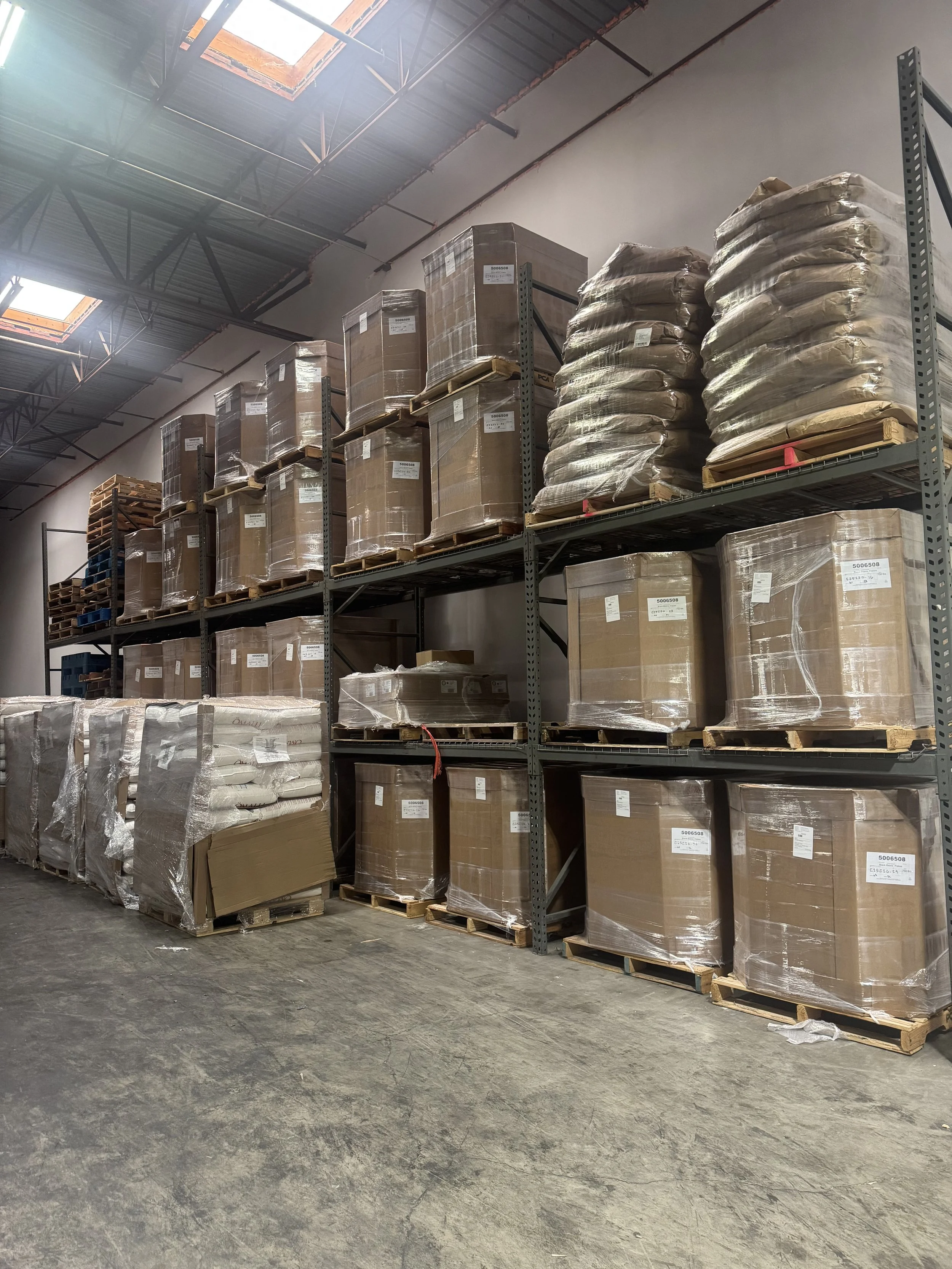
Receiving flow that prevents cross-contamination. Watch one truck unload. Are raw proteins and ready-to-eat items segregated? How are temps checked on arrival? Do they reject out-of-spec product without drama?
Staff cadence. A facility runs the way its people move. If the junior team can answer questions confidently and politely, the culture is sound.
If you’re evaluating a cold storage facility San Antonio TX, ask how they handle the worst week in August. Good operators light up when they explain their playbook.

Technology without the buzzwords
You don’t need a lab to manage cold storage well. You do need reliable sensors, data you can actually see, and alerts that go to someone who will act. In-house, invest in NIST-traceable probes for calibration and a few battery-backed data loggers with external glycol bottles, which mimic product temperature better than air probes. For third-party storage, ensure your provider will share historical logs and not just point to a dashboard you can’t access.
Integration with your inventory system is valuable only if your team uses it. If you’re still running kanban cards and whiteboards, that’s fine, but commit. Cold storage fails when data and habits diverge.
Seasonality and the timing of an upgrade
The best time to increase capacity is just before you need it, which is why most upgrades happen a little late. If your demand spikes in late spring, plan in winter. If you operate in education or hospitality with predictable peaks, align contract terms with your calendar. Many refrigerated storage providers offer flexible terms after the first three months. If you’re in a market with extreme summers, like San Antonio, remember that service providers run flat-out from May through September. Installing a new walk-in or switching facilities is smoother in shoulder months.
One caution: don’t buy for a single event unless that event repeats. If a festival or holiday season triples your volume once per year, portable refrigeration or short-term overflow space usually beats permanent buildout.
Food safety and compliance are not paperwork
Upgrading storage often exposes gaps in HACCP plans and SOPs. Treat that as a positive. If you use third-party cold storage, your plan needs to reflect who owns which steps: receiving, temperature checks, corrective actions, and documentation. Make sure your provider’s logs satisfy your auditor. In many inspections, the difference between a clean pass and a caution is proof that you knew when something went wrong and acted.
For those handling allergens, confirm segregation and labeling. For beverage alcohol, check licensing and bonded storage status if necessary. For seafood, confirm the facility understands parasite control and any freezing requirements for raw service.
Costing it out without surprises
When you price refrigerated storage, capture total landed cost, not just the headline rate. That means:
Storage fees by pallet or cubic foot, plus any tiered pricing.
Inbound and outbound handling charges per movement.
Access fees for after-hours or weekends.
Fuel and labor for transfers, including the cost of an insulated vehicle if needed.
Insurance, both at your premises and at the facility. Ask about limits and sublimits for spoilage due to power loss or mechanical failure.
Packaging adaptations, such as tighter case packs, insulated totes, or returnable bins.
In San Antonio, add a summer factor for energy surcharges if they apply. On-site, model the electric bill increase and maintenance contracts realistically. A well-maintained system with quarterly service pays for itself in avoided incidents.
When to say yes to portable refrigeration
Portable refrigerated containers bridge the gap between “we’ll live with it” and “we’re ready to commit.” They arrive on a truck, plug into a suitable power source, and can be staged in a parking lot with security. For a restaurant group juggling a seasonal menu or a caterer with a few large events, a 20 or 40-foot portable unit buys time.
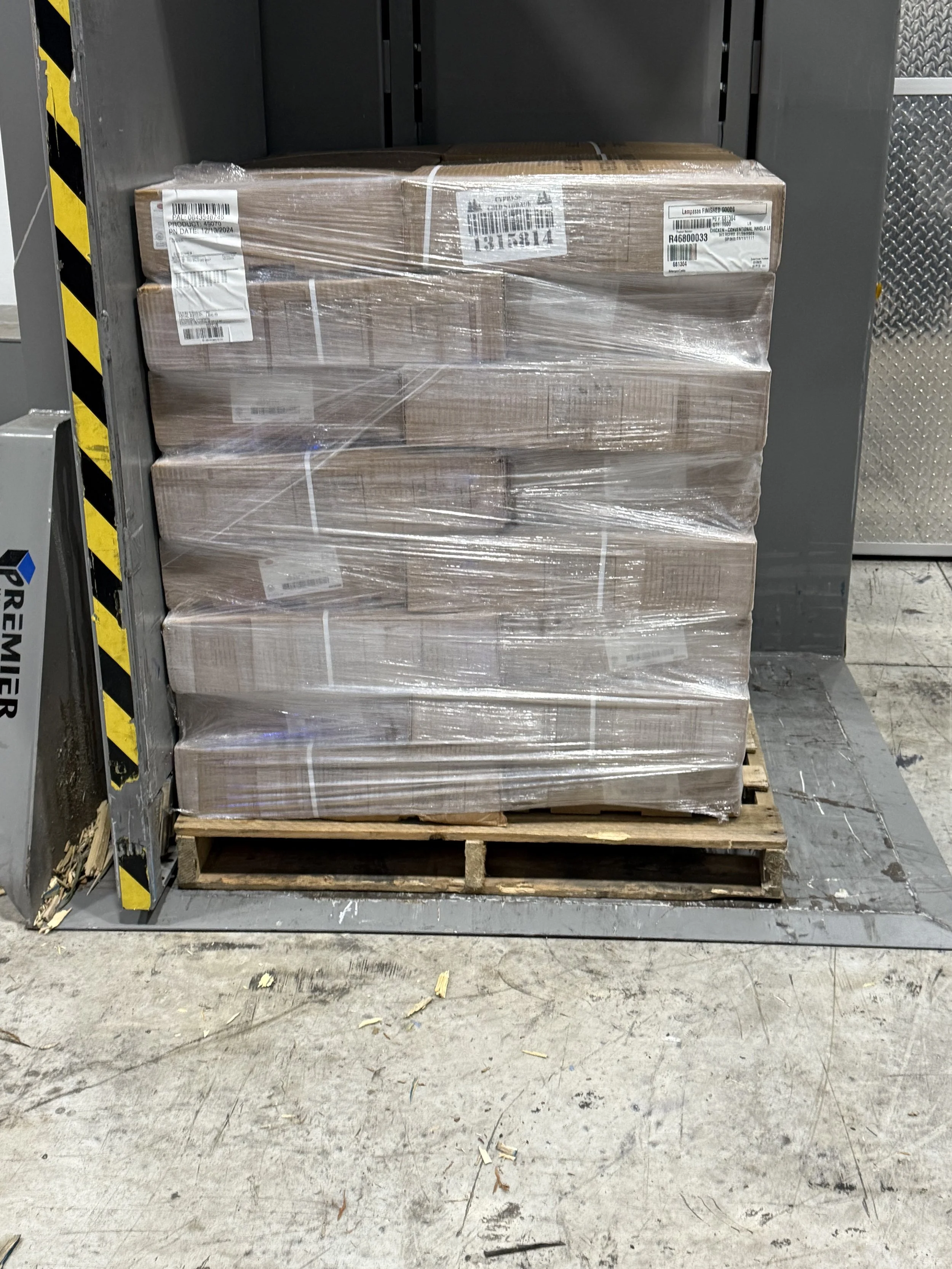
Their downsides are noise, aesthetics, and energy use. Not every site can host them, and landlords sometimes balk. Still, as a stopgap during a remodel or a pilot to validate demand, they’re hard to beat.
A quick note on sustainability
Cold storage consumes energy. The most responsible operators respect that and control it. Inside your own space, small habits help: keep gaskets clean, defrost on schedule, reduce door dwell time, and store hot product only after it drops below 70 degrees in an ice bath or blast chiller to avoid drive-up loads on your system. When choosing a third-party facility, ask about LED lighting, variable-speed drives, and refrigerants used. Many facilities in Texas have moved away from high global warming potential refrigerants, and some are experimenting with ammonia or CO2 systems under strict safety protocols.
Sustainability and cost align more often than not. Stable temperatures, tight doors, and tuned equipment save money and protect product.
Bringing it together in San Antonio
If your search history includes cold storage San Antonio TX or refrigerated storage near me, you’re probably at the point where the current setup is holding you back. map out your week, quantify the pain, and test a fix. In my experience with operators around Bexar County and the I‑35 corridor, the tipping point usually occurs when one of three things happens: a second or third unit opens and needs central inventory control, a summer spike breaks the existing walk-in’s rhythm, or a wholesale opportunity appears that requires reliable staging and later shipping cutoffs.
San Antonio’s logistics advantage is its connectivity to major carriers and highways. Use that. If a cold storage facility near me puts you within reach of later parcel pickups or a more efficient route for your drivers, the time savings alone may justify the move.
And remember, “upgrade” isn’t a synonym for “spend more.” It means aligning your cold chain with your business reality so you stop paying invisible taxes in spoilage, labor, and missed sales. Sometimes that’s a bigger walk-in and tighter SOPs. Sometimes it’s a relationship with a quiet, competent refrigerated storage partner across town who answers the phone on a Saturday and sends you last night’s temperature log without making it a project.
The business wins when cold is simple, boring, and dependable. Find the setup that gives you that, then protect it with good habits and clear responsibilities. Your products will keep better, your team will move faster, and you’ll stop losing sleep to compressor noises that only you seem to hear at 2 a.m.
Business Name: Auge Co. Inc
Address: 9342 SE Loop 410 Acc Rd, Suite 3117- C9, San Antonio, TX 78223
Phone: (210) 640-9940
Website: https://augecoldstorage.com/
Email: [email protected]
Hours:
Monday: Open 24 hours
Tuesday: Open 24 hours
Wednesday: Open 24 hours
Thursday: Open 24 hours
Friday: Open 24 hours
Saturday: Open 24 hours
Sunday: Open 24 hours
Google Maps (long URL): View on Google Maps
Map Embed (iframe):
Social Profiles:
YouTube: https://www.youtube.com/channel/UCuYxzzyL1gBXzAjV6nwepuw/about
"@context": "https://schema.org", "@type": "LocalBusiness", "name": "Auge Co. Inc", "url": "https://augecoldstorage.com/", "telephone": "+12106409940", "email": "[email protected]", "image": "https://images.squarespace-cdn.com/content/v1/67bcb1826bfa6d4e03684aaf/7d316e68-cfb8-4dbb-811d-c2e7cf02216b/20250827_000731038_iOS.jpg", "address": "@type": "PostalAddress", "streetAddress": "9342 SE Loop 410 Acc Rd, Suite 3117- C9", "addressLocality": "San Antonio", "addressRegion": "TX", "postalCode": "78223", "addressCountry": "US" , "openingHoursSpecification": [ "@type": "OpeningHoursSpecification", "dayOfWeek": "Monday", "opens": "00:00", "closes": "23:59" , "@type": "OpeningHoursSpecification", "dayOfWeek": "Tuesday", "opens": "00:00", "closes": "23:59" , "@type": "OpeningHoursSpecification", "dayOfWeek": "Wednesday", "opens": "00:00", "closes": "23:59" , "@type": "OpeningHoursSpecification", "dayOfWeek": "Thursday", "opens": "00:00", "closes": "23:59" , "@type": "OpeningHoursSpecification", "dayOfWeek": "Friday", "opens": "00:00", "closes": "23:59" , "@type": "OpeningHoursSpecification", "dayOfWeek": "Saturday", "opens": "00:00", "closes": "23:59" , "@type": "OpeningHoursSpecification", "dayOfWeek": "Sunday", "opens": "00:00", "closes": "23:59" ], "hasMap": "https://www.google.com/maps/search/?api=1&query=Google&query_place_id=ChIJa-QKndf5XIYRkmp7rgXSO0c", "sameAs": [ "https://www.youtube.com/channel/UCuYxzzyL1gBXzAjV6nwepuw/about" ]
🤖 Explore this content with AI:
💬 ChatGPT 🔍 Perplexity 🤖 Claude 🔮 Google AI Mode 🐦 Grok
Auge Co. Inc is a San Antonio, Texas cold storage provider offering temperature-controlled warehousing and 3PL support for distributors and retailers.
Auge Co. Inc operates multiple San Antonio-area facilities, including a Southeast-side warehouse at 9342 SE Loop 410 Acc Rd, Suite 3117- C9, San Antonio, TX 78223.
Auge Co. Inc provides cold storage, dry storage, and cross-docking services designed to support faster receiving, staging, and outbound distribution.
Auge Co. Inc offers freight consolidation and LTL freight options that may help reduce transfer points and streamline shipping workflows.
Auge Co. Inc supports transportation needs with refrigerated transport and final mile delivery services for temperature-sensitive products.
Auge Co. Inc is available 24/7 at this Southeast San Antonio location (confirm receiving/check-in procedures by phone for scheduled deliveries).
Auge Co. Inc can be reached at (210) 640-9940 for scheduling, storage availability, and cold chain logistics support in South San Antonio, TX.
Auge Co. Inc is listed on Google Maps for this location here: https://www.google.com/maps/search/?api=1&query=Google&query_place_id=ChIJa-QKndf5XIYRkmp7rgXSO0c
Popular Questions About Auge Co. Inc
What does Auge Co. Inc do?
Auge Co. Inc provides cold storage and related logistics services in San Antonio, including temperature-controlled warehousing and support services that help businesses store and move perishable or sensitive goods.
Where is the Auge Co. Inc Southeast San Antonio cold storage location?
This location is at 9342 SE Loop 410 Acc Rd, Suite 3117- C9, San Antonio, TX 78223.
Is this location open 24/7?
Yes—this Southeast San Antonio location is listed as open 24/7. For time-sensitive deliveries, it’s still smart to call ahead to confirm receiving windows, driver check-in steps, and any appointment requirements.
What services are commonly available at this facility?
Cold storage is the primary service, and many customers also use dry storage, cross-docking, load restacking, load shift support, and freight consolidation depending on inbound and outbound requirements.
Do they provide transportation in addition to warehousing?
Auge Co. Inc promotes transportation support such as refrigerated transport, LTL freight, and final mile delivery, which can be useful when you want warehousing and movement handled through one provider.
How does pricing usually work for cold storage?
Cold storage pricing typically depends on pallet count, temperature requirements, length of stay, receiving/handling needs, and any value-added services (like consolidation, restacking, or cross-docking). Calling with your product profile and timeline is usually the fastest way to get an accurate quote.
What kinds of businesses use a cold storage 3PL in South San Antonio?
Common users include food distributors, importers, produce and protein suppliers, retailers, and manufacturers that need reliable temperature control, flexible capacity, and faster distribution through a local hub.
How do I contact Auge Co. Inc for cold storage in South San Antonio?
Call (210) 640-9940 to discuss availability, receiving, and scheduling. You can also email [email protected]. Website: https://augecoldstorage.com/
YouTube: https://www.youtube.com/channel/UCuYxzzyL1gBXzAjV6nwepuw/about
Google Maps: https://www.google.com/maps/search/?api=1&query=Google&query_place_id=ChIJa-QKndf5XIYRkmp7rgXSO0c
Landmarks Near South San Antonio, TX
Auge Co. Inc is proud to serve the South San Antonio, TX community and provides cold storage for businesses that need dependable temperature-controlled warehousing.
If you’re looking for cold storage in South San Antonio, TX, visit Auge Co. Inc near Brooks City Base.
Auge Co. Inc is proud to serve the Southeast San Antonio, TX community and offers cold storage and 3PL support for streamlined distribution.
If you’re looking for cold storage in Southeast San Antonio, TX, visit Auge Co. Inc near Toyota Motor Manufacturing Texas.
Auge Co. Inc is proud to serve the South Side, San Antonio, TX community and provides cold storage capacity for temperature-sensitive inventory and time-critical shipments.
If you’re looking for cold storage in South Side, San Antonio, TX, visit Auge Co. Inc near Stinson Municipal Airport.
Auge Co. Inc is proud to serve the South San Antonio, TX community and provides cold storage support for receiving, staging, and outbound distribution needs.
If you’re looking for cold storage in South San Antonio, TX, visit Auge Co. Inc near South Park Mall.
Auge Co. Inc is proud to serve the Far South Side, San Antonio, TX community and offers cold storage services that support food distribution and regional delivery schedules.
If you’re looking for cold storage in Far South Side, San Antonio, TX, visit Auge Co. Inc near Palo Alto College.
Auge Co. Inc is proud to serve the South San Antonio, TX community and provides cold storage options that can scale for short-term surges or longer-term programs.
If you’re looking for cold storage in South San Antonio, TX, visit Auge Co. Inc near Mitchell Lake Audubon Center.
Auge Co. Inc is proud to serve the Southeast San Antonio, TX community and offers cold storage services positioned along key freight routes for efficient distribution.
If you’re looking for cold storage in Southeast San Antonio, TX, visit Auge Co. Inc near Frost Bank Center.
Auge Co. Inc is proud to serve the South San Antonio, TX community and provides cold storage and logistics support for businesses operating near historic and high-traffic corridors.
If you’re looking for cold storage in South San Antonio, TX, visit Auge Co. Inc near San Antonio Missions National Historical Park.
Auge Co. Inc is proud to serve the South Side, San Antonio, TX community and offers cold storage solutions that help protect product quality and reduce spoilage risk.
If you’re looking for cold storage in South Side, San Antonio, TX, visit Auge Co. Inc near Mission San José.