Building a Lifetime of Healthy Smiles: A Family Guide to Oral Hygiene
Oral hygiene is more than just brushing teeth; it's a cornerstone of overall health and well-being. For families, establishing good oral care habits early on can set the stage for a lifetime of healthy smiles. It requires consistency, education, and a bit of teamwork. From a child's very first tooth to maintaining adult dental health, every stage of life presents unique challenges and opportunities to reinforce positive practices.

At Piedmont Dental, our team understands the importance of family-focused dental care. We believe that a proactive approach to oral hygiene, coupled with regular professional check-ups, is key to preventing common dental issues and promoting lasting oral health for everyone in your household.
Starting Strong: Oral Hygiene for Infants and Young Children
The journey to healthy teeth begins even before the first tooth erupts. Wiping an infant's gums with a soft, damp cloth after feedings can remove bacteria and prepare the mouth for incoming teeth. Once the first tooth appears, typically around six months, it's time to introduce a soft-bristled, child-sized toothbrush with a tiny smear of fluoride toothpaste (about the size of a grain of rice). As children grow and gain more teeth, increase the amount of toothpaste to a pea-sized dab by age three.
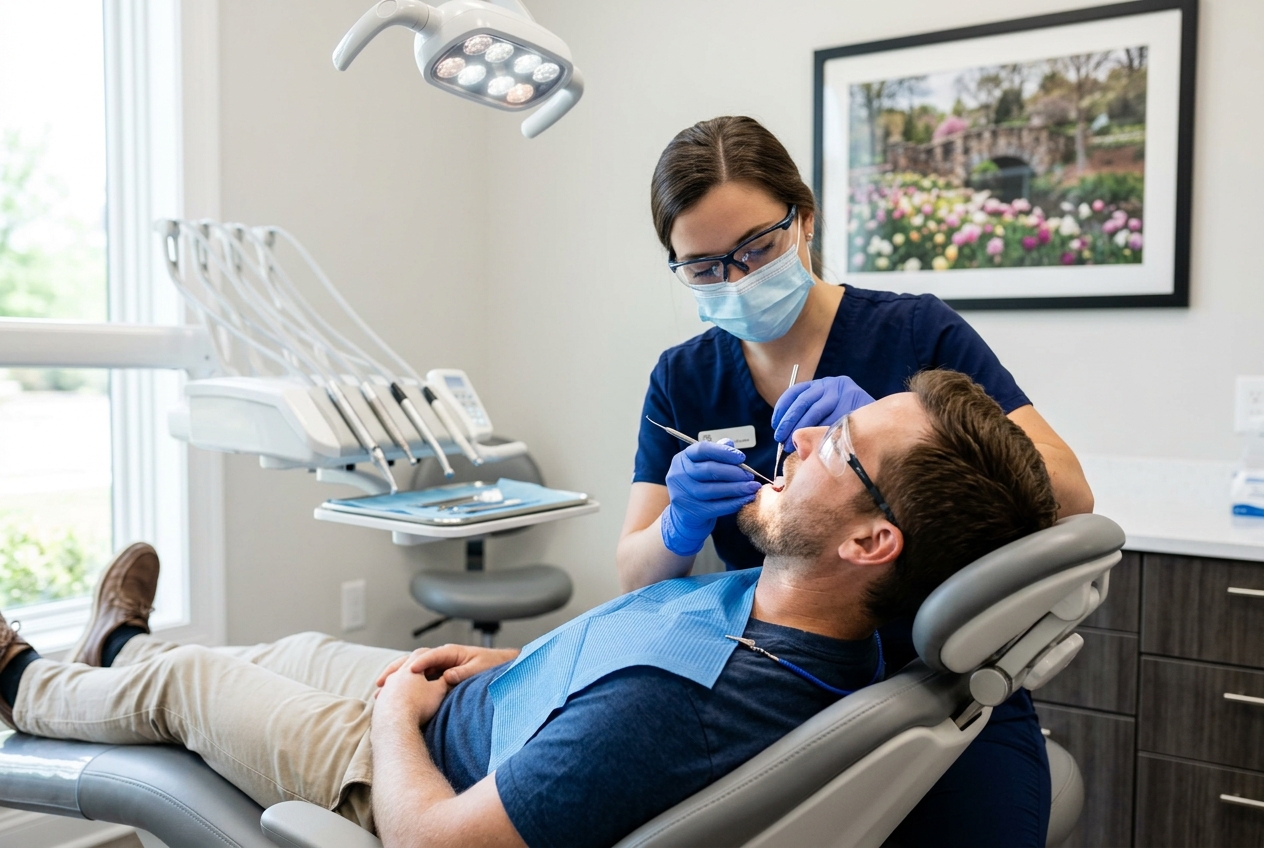
Making Brushing Fun and Effective
Lead by Example: Let your children see you brushing and flossing regularly. Children are great imitators! Two-Minute Rule: Use a timer, play a favorite song, or an app to ensure they brush for the recommended two minutes, twice a day. Supervise and Assist: Young children lack the dexterity to brush effectively on their own. Continue to supervise and assist with brushing until they are around seven or eight years old. Focus on reaching all surfaces of every tooth. First Dental Visit: Schedule your child's first dental visit by their first birthday or within six months of their first tooth appearing. These early visits are crucial for monitoring development and establishing a positive relationship with dental care.
Growing Smiles: Oral Care for School-Aged Children and Teens
As children grow, their oral hygiene needs evolve. School-aged children and teenagers often face new challenges, from dietary choices to orthodontic care. This is a critical period for reinforcing good habits and teaching greater independence in their oral care routine.
Beyond Brushing: Flossing and Healthy Choices
The Importance of Flossing: Introduce flossing as soon as teeth touch each other. Flossing removes plaque and food particles that brushing alone can't reach, preventing cavities between teeth and promoting gum health. Consider floss picks for easier use, especially for younger children. Healthy Eating Habits: Limit sugary snacks and drinks, which are major contributors to tooth decay. Encourage a balanced diet rich in fruits, vegetables, and dairy products that support strong teeth and gums. Mouthguards for Sports: If your child participates in sports, a custom-fitted mouthguard is essential to protect their teeth from injury. Orthodontic Care: For teens with braces, meticulous oral hygiene is even more vital. Brackets and wires can trap food particles, making thorough brushing and flossing challenging but necessary to prevent decay and gum disease.
Adult Oral Health: Continuing the Commitment
Maintaining excellent oral hygiene doesn't stop in childhood. Adults face their own set of challenges, including gum disease, tooth sensitivity, and the wear and tear of daily life. Consistent home care and professional dental visits are paramount.
Comprehensive Care for Adults
Brush Twice Daily, Floss Once: Continue the foundational habits of brushing for two minutes, twice a day, and flossing daily. Gum Health: Pay close attention to your gums. Red, swollen, or bleeding gums can be signs of gingivitis, an early stage of gum disease. If left untreated, it can progress to periodontitis, which can lead to tooth loss. Regular Dental Check-ups: Schedule regular check-ups and cleanings with our team at Piedmont Dental. These appointments allow for professional cleaning, early detection of issues like cavities or gum disease, and screenings for more serious conditions. Addressing Specific Concerns: Whether it's sensitivity, teeth grinding, or concerns about cosmetic dentistry, discussing these with your dentist is important for personalized care.
Making Oral Hygiene a Family Affair
The most effective way to ensure everyone in the family maintains good oral hygiene is to make it a collective effort. When oral health is prioritized by parents, children are far more likely to adopt and maintain these habits themselves.
Tips for Family Oral Health Success
Set a Schedule: Establish a consistent routine for brushing and flossing, perhaps after breakfast and before bed. Brush Together: Make brushing a family activity. Gather in the bathroom and brush side-by-side. This fosters a sense of shared responsibility and can be a fun way to connect. Healthy Snacking Station: Keep a visible bowl of healthy, tooth-friendly snacks like cheese, apples, and carrots readily available. Regular Dental Visits for Everyone: Ensure every family member attends their routine dental appointments. This reinforces the message that professional dental care is a normal and essential part of maintaining health.
A healthy smile is a precious asset, contributing to confidence, comfort, and overall well-being. By instilling strong oral hygiene habits from an early age and maintaining them throughout life, your family can enjoy https://green-exterior-remodeling.almoheet-travel.com/the-power-of-prevention-why-prioritizing-dental-health-now-pays-off-later the benefits of healthy teeth and gums for years to come. Remember, the team at Piedmont Dental is always here to support your family's oral health journey with expert care and guidance.