How Neglected Gutters Lead to Expensive Repairs in Hackettstown


In Hackettstown, gutters do a quiet job that most homeowners barely notice until something goes wrong. They catch thousands of gallons of rainwater every year, steer it away from siding and windows, and keep the soil around the foundation from becoming a swamp. When that system is clogged with leaves, maple seeds, roof grit, and the occasional tennis ball, water stops following the route it was designed to take. It spills over edges, backs up under shingles, pools at the base of the house, and starts working on parts of the property that are expensive to repair.
That chain reaction is easy to underestimate because it rarely begins with a dramatic failure. More often, it starts with a small overflow during a hard rain. Maybe there is a wet stripe on the siding near a corner. Maybe mulch shifts out of place. Maybe a basement wall feels damp after a storm. Homeowners often treat each symptom as a separate issue when the real cause is overhead and deceptively simple.
Hackettstown’s seasonal weather makes the problem more acute. Spring pollen sticks to damp debris and forms a dense paste inside troughs. Summer thunderstorms dump water fast enough to expose weak drainage. Autumn fills gutters with leaves. Winter freeze-thaw cycles turn trapped water into expanding ice. A neglected gutter system does not just look untidy. It becomes a pressure point for the whole exterior of the house.
The trouble starts at the roofline
A gutter system is only effective when water can move freely from the roof edge to the downspouts and away from the home. Once that path is blocked, the gutter becomes a shallow basin. During a light drizzle, it may seem to perform well enough. During a proper New Jersey downpour, the water builds quickly and spills where it should not.
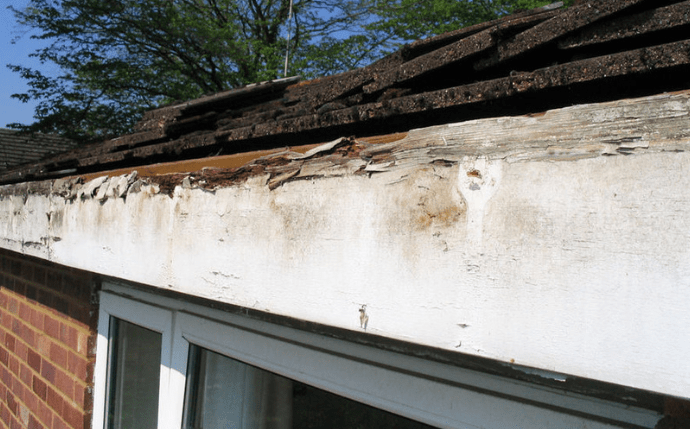
Overflowing gutters often send water behind the gutter itself. That is where trouble gets expensive. The fascia board, which supports the gutter, is usually wood or a composite material that can deteriorate after repeated exposure. If that board softens, fasteners loosen. Gutters begin to sag. Seams open up. The next storm sends even more water into the same vulnerable area.
This kind of damage can remain hidden from the ground for months. I have seen houses where the gutters looked merely a little crooked, but once the ladder went up, the fascia was soft enough to press with a thumb. At that point, the repair is no longer a cleaning job. It becomes carpentry, possible paint work, and sometimes replacement of sections of gutter that were never the original problem.
Roof edges are vulnerable too. When water cannot enter a clogged gutter, it can back up onto the roof deck near the eaves. On older homes, or on roofs where underlayment is nearing the end of its service life, that moisture can find a path into the decking. What begins as a drainage issue can show up indoors as a ceiling stain, wet insulation, or peeling paint near an exterior wall.
Foundations pay the price
If there is one repair category that frightens homeowners for good reason, it is foundation work. Gutters do not cause every foundation problem, but neglected gutters can absolutely contribute to costly conditions around the base of a home.
Water spilling over clogged gutters lands in concentrated spots rather than being directed away in a controlled flow. Over time, that water saturates the soil along the perimeter. In some yards, especially those with poor grading or heavy clay content, the ground holds that moisture. Hydrostatic pressure builds against basement walls. Small cracks become active leaks. Crawl spaces turn damp. In finished basements, carpeting, trim, and drywall can be damaged long before anyone realizes that the true source is outside.
Hackettstown properties vary. Some homes sit on lots that drain reasonably well. Others have low spots, older hardscaping, or short downspout extensions that leave runoff too close to the house. In those cases, neglected gutters magnify an existing weakness. A healthy gutter system cannot fix bad grading by itself, but a clogged one can make moderate drainage issues far worse.
The cost difference matters. Cleaning gutters and extending downspouts is a maintenance expense. Waterproofing a basement wall, replacing mold-damaged framing, or correcting settlement damage is a completely different category of spending. Homeowners usually feel that lesson only after the first serious storm reveals it.
Siding, trim, and masonry absorb more water than people think
Exterior materials are durable, not invincible. Repeated wetting from overflowing gutters can leave obvious marks on some homes and subtle damage on others. Painted wood trim may blister and peel. Fiber cement may hold up structurally but show staining where water repeatedly sheets over the same section. Vinyl siding can hide moisture problems behind it, particularly if water is consistently getting into joints around windows and corners.
Brick and masonry surfaces have their own vulnerabilities. People sometimes assume brick is immune because it appears solid and weatherproof. In reality, brick is porous. Mortar joints age. When roof runoff repeatedly splashes the same wall, moisture can work its way into the assembly. In cold weather, that moisture expands as it freezes. The result can be spalling brick faces, cracked mortar, and a need for repointing much sooner than expected.
I have seen this most often near front entry roofs and garage corners where a clogged upper gutter dumped water onto a lower roof or directly onto a wall. The homeowner noticed staining first. Then paint failure. Then a trim board needed replacement. By the time the pattern was obvious, several seasons of water exposure had already done the hard part of the damage.
Landscaping suffers, and then drainage gets worse
Overflowing gutters do not just threaten the structure. They also beat up the landscaping that helps protect it. A concentrated waterfall from a clogged gutter can carve channels through mulch beds, expose roots, flatten shrubs, and erode topsoil. Once that soil is displaced, the grade near the house can become less favorable, which means the next storm sends even more water toward the foundation.
This is one of those hidden costs that homeowners feel in pieces. First there is the annual mulch replacement that seems higher than it should be. Then plants near the front walk start struggling because the soil is compacted or washed out. Then pavers shift slightly because runoff keeps undermining the edge. None of these repairs may look catastrophic alone, but together they reflect a drainage system that has been allowed to fail.
In neighborhoods where curb appeal matters, this is more than cosmetic. Persistent water damage around entryways and planting beds can affect the overall impression of the property. Buyers notice water stains, sunken soil, and mildew on lower siding. Even if the house is sound, visible drainage neglect can raise concerns about what is happening out of sight.
Winter makes clogged gutters more destructive
Hackettstown winters add another layer of risk because standing water in gutters freezes. Ice is heavier than most people realize. A gutter packed with debris and trapped ice can pull away from the house or bend under its own load. Hangers loosen. Corners separate. Downspouts twist. Once that hardware is compromised, spring rains expose the weakness quickly.
Ice also encourages water to move backward. When meltwater cannot drain properly, it can refreeze at the colder roof edge and contribute to ice dam conditions. That backed-up water may work under shingles and into the roof assembly. The homeowner usually sees the indoor symptom first, a stain on a bedroom ceiling, damp insulation in the attic, or frost buildup where warm interior air meets moisture.
The damaging part is not just the cold. It is the cycle. Thaw, refreeze, thaw again. Materials expand and contract, seals weaken, and small faults become large ones. A gutter that should have been cleaned in late fall ends up carrying the consequences into the deepest part of winter.
Pests are another expensive side effect
Clogged gutters create a damp, protected habitat that appeals to insects and small animals. Mosquitoes breed in standing water. Carpenter ants and termites are drawn to persistently wet wood around roof edges and fascia. Birds may pull debris from gutters for nesting, and in some cases they nest directly in protected corners. Rodents do not live in gutters as often as people imagine, but overhanging branches and neglected rooflines can make roof access easier.
The cost here is not simply nuisance. Pest issues often overlap with moisture issues. Wet wood around the eaves is more likely to attract the kind of insects that exploit softened materials. If that leads to pest treatment, wood repair, and repainting, a basic maintenance lapse has again turned into a multi-trade repair.
Why homeowners miss the warning signs
Neglected gutters are common partly because the early signs are easy to dismiss. Many people do not spend time outside during a hard rain, which is when gutter failures are most visible. From the driveway on a sunny day, a gutter can look perfectly acceptable while being packed solid under a layer of dry leaves.
Another reason is that the consequences often appear far away from the source. A damp basement seems like a basement problem. Peeling trim around a second-story window looks like a paint issue. Soil erosion near a flower bed feels like a landscaping annoyance. Without looking at the whole water path from roof to ground, it is easy to treat the symptom and miss the cause.
Older homes in and around Hackettstown can be especially tricky. Rooflines may have additions, dormers, or tied-in sections that create awkward drainage patterns. A single clogged valley outlet or undersized downspout can affect a surprising amount of roof area. Newer homes are not immune either. Even with modern materials, a poorly maintained gutter system can overwhelm siding details and foundation drainage if enough water is involved.
What a repair bill can look like when maintenance gets skipped
The reason gutter neglect becomes expensive is that it rarely stays in one lane. A homeowner might start with what seems like a simple issue, such as a leak near the soffit. But once a contractor opens the area, several connected problems may show up at the same time: rotten fascia, mold on adjacent sheathing, damaged drip edge, and loosened gutter brackets.
Costs vary widely, but the pattern is consistent. Gutter cleaning is usually among the least expensive exterior maintenance services. Fascia replacement, soffit repair, repainting, masonry repointing, basement moisture remediation, and partial roof deck replacement are not. If water has entered finished interior space, the bill can climb again because insulation, drywall, flooring, and trim may all need attention.
Insurance does not reliably save the day here. Many policies are far more accommodating when damage is sudden and accidental than when it stems from deferred maintenance. If a claims adjuster sees clear evidence that clogged gutters and long-term overflow contributed to the problem, the homeowner may have limited coverage options.
The local factor in Hackettstown
Hackettstown has enough mature trees, seasonal debris, and weather swings to make gutter maintenance a recurring need rather than a once-in-a-while chore. Homes near dense tree cover, especially with oak, maple, or pine nearby, can clog faster than owners expect. Pine needles are particularly deceptive because they form tight mats that restrict flow without always looking dramatic from below.
A lot also depends on roof design. Steeper roofs shed water faster. Valleys concentrate flow. Second-story gutters dumping into first-story sections increase the volume lower down. A small clog on a simple ranch may be manageable for a while. The same clog on a multi-level home with several roof planes can trigger immediate overflow during a summer storm.
That is why Gutter Cleaning Hackettstown is not just a seasonal housekeeping item. It is part of protecting siding, foundations, roofing, and the basic longevity of the house. Timing matters, but so does knowing which homes need more frequent attention because of tree cover, roof complexity, or a history of drainage trouble.
A practical inspection mindset
Homeowners do not need to become drainage experts, but they do benefit from knowing what to watch for. The most useful observations often happen during or right after rainfall. Look at whether water is pouring over the gutter edge, leaking from seams, or shooting out near elbows where debris often collects. Check whether downspouts actually discharge several feet away from the foundation or simply dump water at the base.
Between storms, signs of trouble may include streaking on siding, mildew on soffits, displaced mulch, eroded channels in planting beds, sagging gutter runs, and fasteners pulling loose from fascia. Indoors, recurring dampness near basement walls or stains near exterior ceilings should push gutters high on the list of suspects.
One detail people often miss is the importance of the downspout itself. A gutter can be mostly clear, yet still fail because the downspout is clogged below the outlet. That creates the same overflow pattern as a full trough. I have seen homeowners clean the visible debris from the top, assume the problem is solved, and then wonder why the next storm produced the same spillover.
Cleaning helps, but the full system matters
A proper maintenance approach is not only about removing debris. It also means checking pitch, securing loose hangers, confirming that water reaches and exits the downspouts, and making sure discharge points carry runoff away from the home. A clean gutter with poor slope will still hold water. A functioning gutter with a disconnected underground drain can still send trouble back toward the foundation.
Gutter guards can reduce the volume of debris in some situations, but they are not a cure-all. On certain homes they work well. On others, especially under heavy tree cover or where fine debris is common, they still require maintenance and can create a false sense of security. Good judgment matters more than product promises.
For some homeowners, a ladder and a careful afternoon are enough. For others, especially with steep roofs, second stories, or awkward ground conditions, professional service is the safer and more effective route. That is where a local company familiar with common rooflines and seasonal conditions can spot issues that a quick cleanout might miss.
Timing is cheaper than repair
Most expensive water problems around homes share the same frustrating trait: they were preventable, or at least containable, much earlier. Gutters fall squarely into that category. The economics are hard to ignore. A modest maintenance visit costs far less than replacing rotted trim, correcting chronic basement moisture, rebuilding landscape beds, or repairing interior finishes after roof-edge leaks.
For many Hackettstown homeowners, the right schedule is once in late spring and once in late fall. Homes with heavy tree cover may need additional service, especially after seed drop or leaf fall. The exact timing depends on the property, but the principle stays the same. Waiting until there https://holdenweil293.theglensecret.com/gutter-cleaning-hackettstown-for-better-rainwater-flow is visible damage usually means the water has already been finding the wrong path for quite a while.
A house does not need perfect weatherproofing to stay healthy. It needs basic systems that do their jobs consistently. Gutters are one of those systems. When they are clear and properly draining, they protect parts of the home that cost real money to fix. When they are neglected, water goes looking for another route, and it usually finds one through wood, soil, masonry, or drywall.
That is why routine gutter attention pays off so reliably. It protects the roof edge, preserves the foundation, keeps the siding cleaner, reduces winter stress, and prevents small moisture problems from turning into major repairs. In a place like Hackettstown, where seasons are hard on exterior systems, that is not overmaintenance. It is simple property protection.
Just Gutters LLC
Address: 262 Main St, Hackettstown, NJ 07840
Phone number: +12013319454
FAQ About Gutter Cleaning Hackettstown
How much should a gutter clean cost?
Professional gutter cleaning typically costs between $163 and $333, with a national average of around $210 to $250 for a standard-sized home.
What months should you clean gutters?
You should clean your gutters twice a year—once in late autumn (November to December) and once in late spring (April to May).
Is it worth paying for gutter cleaning?
Yes, paying for gutter cleaning is worth it because it prevents thousands of dollars in water damage, roof leaks, and structural repairs.