Seasonal Landscaping in Vancouver BC: Tips from Luxy Landscaping
Vancouver's weather teases and rewards the gardener who pays attention. The city gives you long, glossy winters and surprisingly bright summers. That climate creates opportunity and responsibility: landscapes that can be lush year-round if you choose the right plants, manage water, and schedule work around the seasons. These are practical, field-tested strategies from Luxy Landscaping that help homeowners in Vancouver BC get resilient yards with less fuss and better long-term value.
Why this matters
Landscaping here is not a one-size-fits-all hobby. The Pacific maritime climate means warm, wet winters and relatively dry summers. That combination produces soil that stays soggy for months, then thirsts when the sun finally shows up. Poor winter prep or summer neglect can cost hundreds or thousands in remedial work: replacing trees that girdled from rot, regrading a yard to fix drainage, or ripping out lawns that have died from heat and drought. A little seasonal planning prevents those mistakes and preserves curb appeal and property value.
Understanding the Vancouver microclimate
Vancouver's temperature range is forgiving compared with much of Canada. Average winter lows are often above freezing downtown, and summer highs usually sit in the low to mid 20s Celsius. Rainfall is concentrated from October through March, with November and December typically the wettest months. But do not assume uniform conditions. A yard on the North Shore gets more rain and wind than one in Kitsilano. South-facing slopes dry faster and can support Mediterranean-style plants; north-facing corners stay moist and favor ferns and moss.
Soil varies widely, from glacial till and clay in Richmond to sandy, well-draining mixes in parts of East Vancouver. Urban fills sometimes contain rubble and construction debris, which affects root growth. The first smart step for any improvement is a quick soil check: dig a 30 centimeter hole, squeeze a handful of soil. If it forms a tight ribbon, you have clay that needs amendment and drainage work. If it crumbles, you have workable soil.
When to do what: seasonal priorities
Spring: set the year up right Spring is the planning quarter. Once the worst of the rain eases, walk your property and note where water pools, where new shoots appear, and which plants look leggy. Early spring is the best time to:
correct drainage issues before the ground hardens add compost and organic matter to beds prune spring-flowering shrubs right after they bloom, not before install new plants while soil is cool and moisture is plentiful
A concrete example: last March we tackled a small Vancouver back yard with compaction and standing water near a patio. Rather than replace pavers, we installed a shallow gravel channel under the pavers, added an amended top layer of soil, and planted a rain-tolerant sedge along the edge. The homeowner avoided ripping out the patio and the new plants established quickly with the spring rains.
Summer: water smart, harvest the dry months Summers here can be dry enough to stress non-native plants. The critical choices are irrigation strategy and plant selection. Smart irrigation uses a combination of deep, infrequent watering and morning schedules to reduce evaporation and fungal disease. Drip lines for beds and soaker hoses under mulch are efficient and reduce leaf wetting. Lawns often need only one deep soak per week during hot spells if soil structure is good.
Mulch is underappreciated. A 7 to 10 centimeter layer of arborist wood chips conserves moisture, suppresses weeds, and moderates soil temperature. Contrary to old gardening lore, wood chip mulch, when kept off stems and trunks, reduces disease risk rather than increasing it.
Watch for summer pests: aphids, slugs, and fungal spots flourish in warm, wet springs and early summers. Manual controls and targeted horticultural soaps often work better and cost less than wholesale sprays, particularly in residential settings. Embrace beneficial insects by growing flowering natives that support pollinators.
Fall: repair, protect, and plant for next year Fall is where Vancouver landscapes win or lose. Planting in fall gives roots time to establish under cool, moist conditions without the stress of summer heat. Key fall tasks include:
plant new shrubs and trees through October and early November topdress beds with compost and mulch aerate compacted lawns and overseed thin areas cut back perennials after the first hard frost, leaving seed heads where winter birds will feed
Deciduous trees put energy into roots in fall. A 5 to 10 liter planting hole with well-mixed native topsoil and compost will make a big difference for a young tree facing winter rains.
Winter: minimize damage, maintain structure Winter maintenance is low-intensity but crucial. The focus is on preventing water damage and wind-related stress. Clean gutters, check downspouts, and ensure grading directs runoff away from foundations. If you have a slope, add terraces or planting pockets where water tends to concentrate. Protect vulnerable specimens with burlap when powerful storm winds threaten them, and stake newly planted trees to prevent blow-over.
Snow is rare but not impossible; ice on lawns can suffocate grass for weeks. Keep foot traffic off frozen turf and avoid piling snow near foundations where meltwater will pool.
Plant choices that work in Vancouver BC
This region rewards a mix of hardy natives and successful exotics. Native plants often require less https://luxylandscaping.ca/ water and fuss once established. Evergreen shrubs and layered planting keep a garden interesting through the wet months.
For structure and year-round interest, consider these categories rather than a fixed plant list. When choosing specific species, match exposure, soil, and maintenance tolerance.
evergreen understory: choose plants that tolerate dappled light and moisture, like sword ferns and salal small trees: select disease-resistant maples and birches for canopy without massive roots drought-tolerant pockets: use lavender, rosemary, and manzanita in south-facing beds with gritty soil lawn alternatives: moss gardens, thyme lawns, and low sedges work well in shady, damp corners ornamental accents: hydrangeas, camellias, and rhododendrons give bold flowers suited to Vancouver conditions
A Luxy Landscaping approach blends these elements to balance maintenance with impact. In tight urban backyards we often recommend replacing a half lawn with planted beds and a gravel path. This reduces mowing by 30 to 50 percent and cuts summer irrigation needs substantially, without sacrificing usable outdoor space.
Design trade-offs and budgeting
Landscaping is about trade-offs. A perfectly drained yard with an automatic irrigation system and imported topsoil is possible, but costs rise quickly. Start with a realistic budget and prioritize interventions Landscaping Services Greater Vancouver BC that deliver the biggest returns.
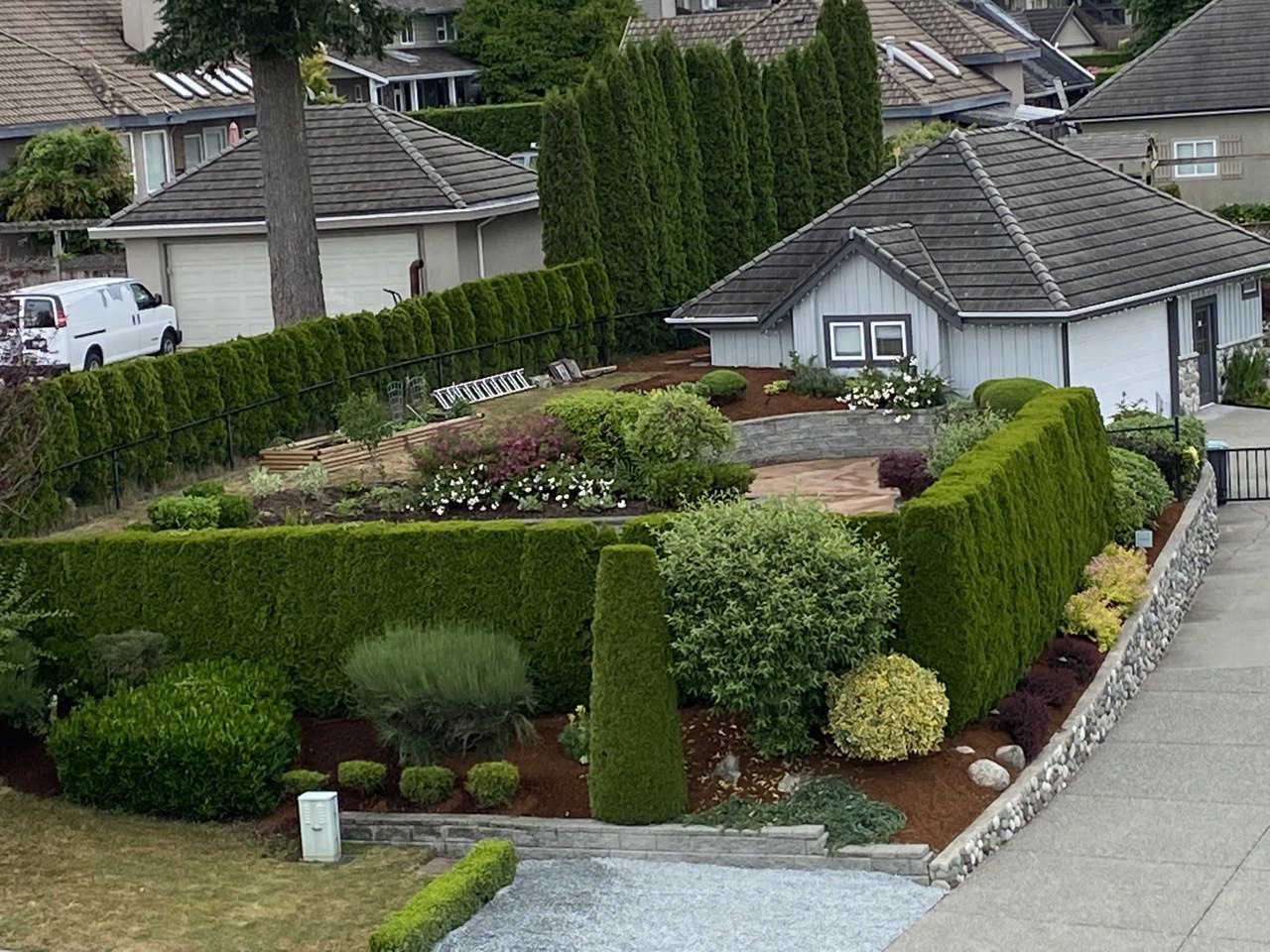
If water management is the problem, invest in grading and drainage first. Fixing standing water saves plants and prevents foundation problems. If your priority is curb appeal for sale, focus on clean lines, a healthy lawn, and two or three signature plants. For long-term ecological gains, stepwise projects that replace lawn with native beds will pay back in lower water bills and a more diverse backyard.
As an example of cost distribution from projects we manage in Vancouver: drainage and grading can account for 25 to 40 percent of a full yard renovation budget, hardscaping 30 percent, planting 15 to 25 percent, and irrigation the remainder. Those percentages shift when clients choose premium materials or large specimen trees.
Water and irrigation, practical guidance
A few practical principles save water and money. First, soil matters more than sprinkler runtime. Improving organic content increases water holding capacity dramatically. Second, water at the root zone. Drip irrigation and soaker hoses are efficient for beds; rotors or well-adjusted spray heads work for lawns. Third, use controllers with weather or soil moisture sensors. They reduce weekly runtime substantially by skipping cycles after rain.
For lawns: 2 to 3 centimeters of water per week, applied in one or two deep sessions, sustains most turf varieties. Check soil moisture by probing 5 to 10 centimeters down. If the probe meets resistance, the lawn needs water. For new plantings, water more frequently for the first 6 to 12 weeks, tapering as roots develop.
Hardscapes and permeability
Paved surfaces are often the last thought in Vancouver yards, but they govern runoff and microclimate. Permeable pavements, gravel with gaps, or stepped stone with planted joints allow water to infiltrate and reduce pressure on storm drains. If you plan a patio, choose permeable options or integrate a rain garden to accept roof runoff.
Timber decks in Vancouver do well when built with proper ventilation and rot-resistant species, plus a slight slope away from structures to shed water. Avoid planting vines that can trap moisture against siding, instead train them on a trellis set off the wall.
Maintenance calendar - quick checklist for the year
spring: soil tests, amend beds, plant, prune spring-bloomers after flowering summer: deep, infrequent watering, mulch, monitor pests fall: plant trees and shrubs, topdress, aerate lawns winter: clear gutters, protect young trees, minimize heavy traffic on frozen turf
When to hire a professional
There are a few situations where professional help is the cost-effective option. Major grading and drainage, large tree work, complex irrigation installations, and projects requiring permits fall into that category. Luxy Landscaping provides clear estimates and phased plans so homeowners understand where dollars go. Small jobs like pruning, mulching, and planting can be scheduled seasonally to align with the natural cycles of plants.
We also find that homeowners who want stylish, low-maintenance gardens benefit from a professional's eye. Choosing the right plant for a specific microclimate, matching textures and colors across seasons, and specifying materials that age gracefully are skills honed by experience.
Common problems and how to handle them
Soggy soil that stunts growth If beds stay waterlogged through spring, roots suffocate and plants decline. Diagnosis begins with identifying the saturation source: poor grading, compacted subsoil, or clogged downspouts. Solutions range from installing a French drain to deep-ripping compacted soil and adding organic matter. In small areas, raised beds sidestep the problem entirely.
Lawn that browns in summer This usually comes from a combination of shallow roots, compacted soil, and insufficient watering. Core aeration, topdressing with compost, and switching to drought-tolerant turf mixes or a lawn alternative will solve it. A surprising fix: reducing mowing height during heat waves stresses grass less and encourages deeper roots.
Overgrown hedges and poor structure Annual formative pruning creates a tidy framework and reduces the need for heavy hacks every few years. Invest 30 minutes in spring to shape new hedges. For mature, overgrown hedges, staged reductions over two seasons preserve health and appearance.
A persuasive closing argument for seasonal care
Think of your Vancouver property as a living investment. A landscape that is tended seasonally not only looks better but requires fewer emergency repairs and adapts to climate variability. Spending on the right thing at the right time has outsized returns: a drainage fix prevents tree loss, fall planting avoids summer watering bills, and thoughtful plant selection reduces pesticide use.
Luxy Landscaping helps homeowners with practical, seasonally informed plans that honor budgets and timelines. We prefer solutions you can maintain, not complicated systems you can never keep up with. If you want to shift a yard from high-maintenance to resilient and attractive, start with soil, drainage, and a planting plan that reflects your exposure. Small seasonal actions compound into a landscape that feels intentional and lasts.
If you would like a seasonal plan tailored to your property, Luxy Landscaping offers site assessments and phased recommendations. A single visit can reveal priorities that save money and stabilize your landscape across Vancouver's rainy winters and dry summers.
Luxy Landscaping
1285 W Broadway #600, Vancouver, BC V6H 3X8, Canada
+1-778-953-1444
[email protected]
Website: https://luxylandscaping.ca/