Teaching Kids the Seasons Moral Story for Kids Step by Step
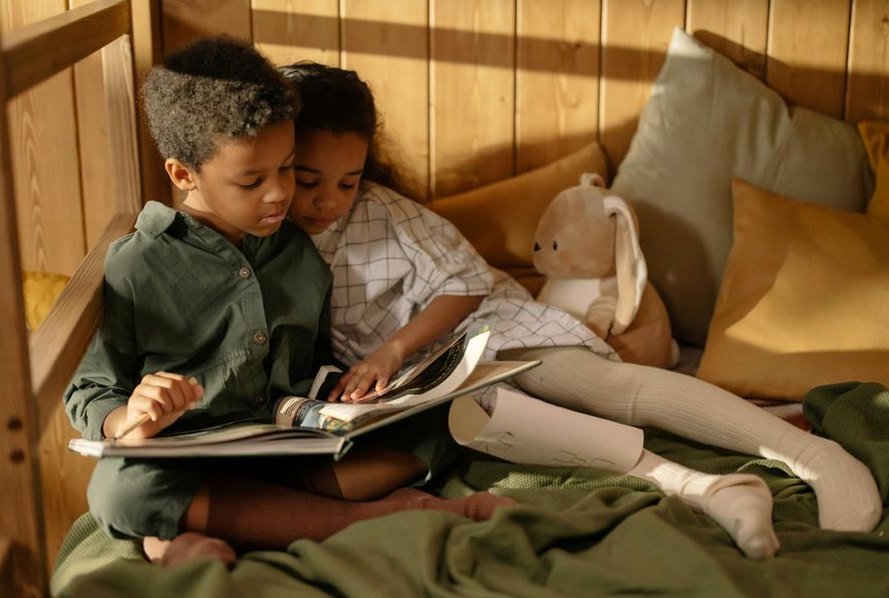
The central lesson appears within the first few minutes: no single season is the best, because each one does something the others cannot. That idea gives the story its purpose and makes it useful in a guided reading session, not only as a one-time bedtime story. The steps below take a child from the first reading to a clear understanding of the moral, with pauses that help connect the story to real experiences.
Before You Start: Set the Stage Correctly
Read the story yourself before sharing it. It has two connected arcs: the seasons' argument in the forest clearing and the boys' journey through fog, a cliff, and a cave. Children under eight may see these as separate adventures unless an adult helps them notice the connection. Timelessness fills the space left by the arguing seasons, and his reign sends Gregory and Sergei on the road.
Prepare two or three questions before reading aloud. You might ask, “Why do you think the seasons could not agree?” and “What happened to Earth while they were arguing?” These questions are not a test. They give the child something specific to listen for. Without that focus, younger readers often follow the adventure but miss what caused it.
First Read: Story, Then Silence
Let the fog, the cliff, the three-day sleep, and the bird appear in their proper order as you read the entire story without interruptions. Timelessness wrapping Earth in fog creates an eerie change in the story, and that feeling helps the moral stay with the child. Stopping to explain every detail can weaken the tension.
After the final sentence, “everyone began to value what they had,” wait a few seconds before speaking. The pause gives the child time to process the ending. Notice whether they look thoughtful or immediately ask what happens next. That first reaction often shows how much of the lesson they have understood.
Second Pass: Tracing Cause and Effect
Read through the important events again with the child and build the chain aloud. The seasons argue, give Earth to Timelessness, and allow the fog to arrive. Trees stop growing, birds become silent, and people lose their sight and hearing. Eventually, life moves underground. Each event follows from the one before it. This is where the seasons moral story for kids does its teaching work: the consequences are visible and sequential rather than vague warnings about “being good.”
Ask the child to identify the moment when the story begins to change. Many children will choose the bird in the cave. That answer is correct, but continue the chain. The bird leads the boys to the staircase, the staircase leads them to the clearing, and the clearing is where the real solution begins. The seasons return and force Timelessness to repair the damage.
The resolution depends on both the boys' courage and the seasons' cooperation. Gregory and Sergei must search for the answer, while the seasons must stop arguing and work together. Neither part of the solution is enough on its own.
The Moral in Plain Language
Gregory and Sergei understand the answer from the beginning: all seasons matter, and each belongs in its own time. The other people on Earth answer according to personal preference. Their replies only confirm which season each person already likes, so the seasons receive no useful answer and continue their argument. Gregory and Sergei are the only ones who respond to the real question.
A child can connect this idea to familiar situations. A school year needs both work and rest. A day needs both play and sleep. A friendship includes enjoyable moments as well as times that require patience. One part does not need to defeat the other. Ask, “Where in your own week does something like this happen?” The child may find the comparison without turning the discussion into a lecture.
Verification Stages Before Moving On
Use three checkpoints before closing the book:
- The child can explain in their own words why Timelessness was dangerous. They should describe what went wrong under his rule, rather than simply saying that he was bad.
- The child can explain why the other people's answers did not help the seasons and how Gregory and Sergei answered differently.
- The child can name one situation in their own life where “each thing matters in its own time” applies. It might involve a season, a school subject, or a family member.
If one of these points is missing, return to the relevant scene instead of reading the entire story again. The fog sequence supports the first point. The conversations with people on Earth support the second. The third point requires discussion because the answer comes from the child's own experience, not directly from the text.
Preventing Costly Delays in Understanding
Some children focus so closely on the adventure that they treat the moral as an afterthought. Ask what would have happened if Sergei and Gregory had also gone underground with everyone else. The answer makes the connection clear: the seasons would still be arguing, Timelessness would still rule, and no one would have been brave enough to find the seasons and demand a change.
The adventure and the moral are therefore connected parts of one story. The boys' search is not an extra episode placed beside the lesson. Their decision to keep looking is what gives the lesson a practical result.
Another delay appears when a child repeats the moral but cannot apply it. Saying “all seasons are equal” is not enough if the child cannot connect the idea to a concrete situation. Return to the third checkpoint and invite them to describe a real example from school, home, or the week ahead.
Practical Checklist Before Calling the Session Complete
- The child has heard the full story read aloud in one uninterrupted sitting.
- The cause-and-effect chain from the argument to the fog and then to underground life has been traced step by step.
- The child has identified why the boys' answer differed from every other person's answer.
- The child has explained in their own words what Timelessness did wrong, rather than only saying that he “was bad.”
- The child has named at least one real-life parallel where timing and turn-taking matter more than competition.
- The resolution has been connected to the boys' decision to search rather than hide: the seasons return, Timelessness repairs the damage, and life improves.