Retail, Office, and Industrial: Sector Insights for Commercial Appraisal in Wellington County
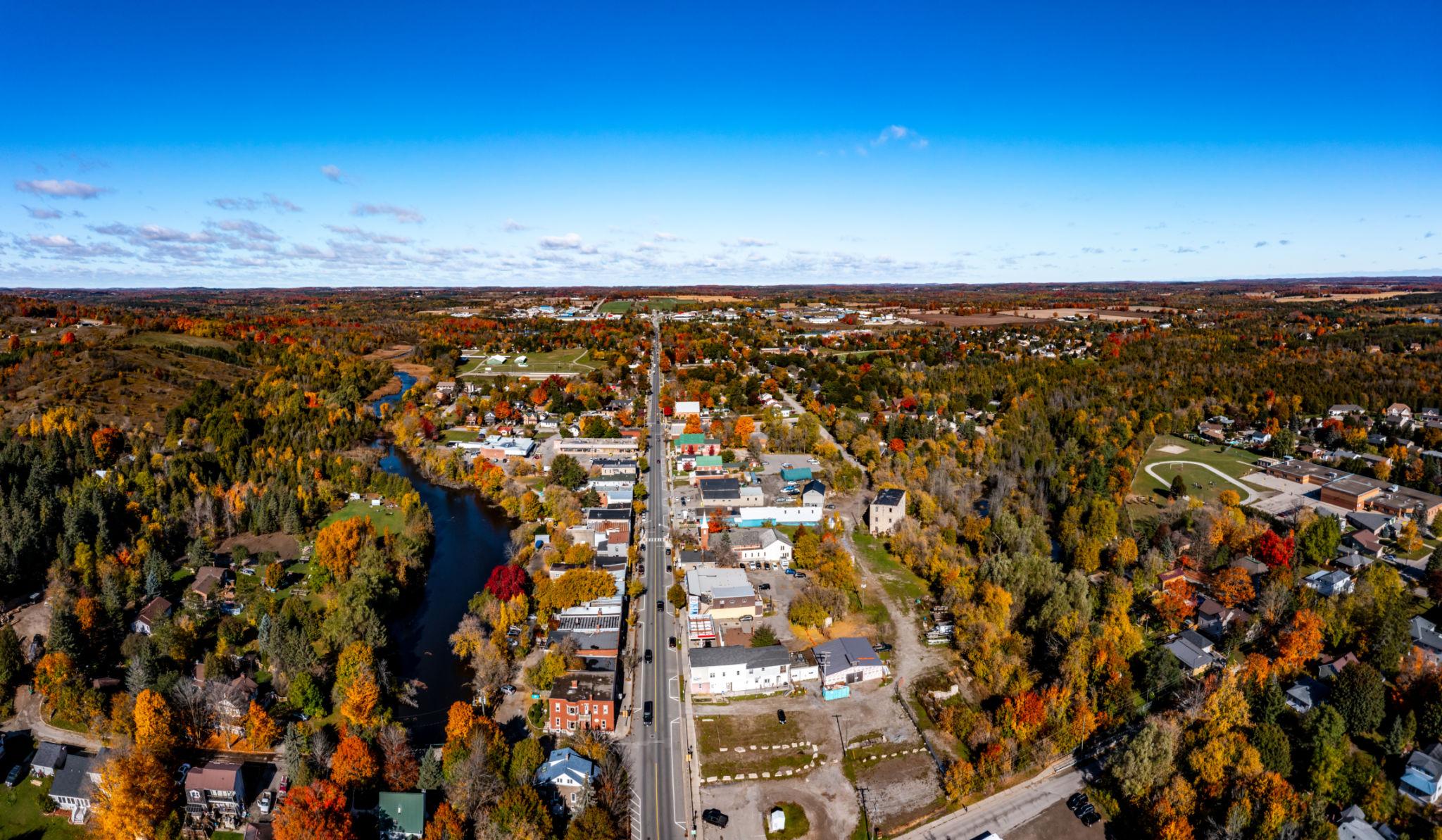
Wellington County presents a distinct landscape for commercial valuation. It reads rural at first, with fields and small-town main streets, yet it sits within an hour of the GTA and Kitchener Waterloo. That tension between small market character and big market proximity drives many of the pricing nuances that commercial building appraisers in Wellington County must parse. A plaza in Fergus does not behave like one in west Toronto, and a 20,000 square foot shop in Puslinch does not trade like a similar box in Windsor. The details matter, and most of them live on the ground, not in national averages.
A county of submarkets, not a single value story
Most assignments begin with the same handful of questions: Where is it, how is it built, what is the income, and what could replace it. In Wellington County, the first question splits further. Value behaves differently across Centre Wellington’s river towns, the highway oriented corridors of Puslinch and Guelph Eramosa, the northern nodes like Mount Forest and Palmerston, and the more rural edges of Erin and Mapleton. Each pockets its own tenant base, commuting patterns, and bylaw fingerprints.
A quick drive tells the story. The retail strips along Tower Street in Fergus trade on strong daily needs traffic and anchor co tenancy. Elora’s tourist pull helps boutique rents that outpace surrounding areas, yet back lane service space can sit empty in the off season. Puslinch, with immediate 401 access, sees industrial and logistics demand that would surprise anyone focused only on population counts. North of Highway 89, in Wellington North, rents are tighter, downtime longer, and building obsolescence bites harder when ceiling heights or loading misalign with modern needs.
Appraisals that flatten these differences rarely hold up at credit committee. Most credible commercial appraisal companies in Wellington County start with a submarket map in their head before they run any math.
Retail valuation: from grocery anchored to rural highway service
Retail in the county ranges from true main street buildings to enclosed malls, with the bulk of capital chasing open air plazas. The grocery anchored strip remains the most resilient format. A well located 50,000 to 120,000 square foot centre with a national grocer and pharmacy, serving a 10 to 20 minute drive shed, often supports lower cap rates than unanchored strips, even in secondary markets. Appraisers see it in buyer behavior first, then in the metrics. Rent rolls with covenant tenants on net leases, predictable recoveries, and low structural capex steady the pro forma.
Unanchored strips behave differently. In a Centre Wellington example, a 1990s strip with eight units and 15,000 square feet had three vacancies after a fitness tenant and a nail salon exited within six months of each other. Headline rents for the remaining tenants looked healthy, but free rent and landlord works buried in side letters told the other story. Stabilized vacancy needed to be higher than a regional average to reflect the reality of re leasing in that micromarket. The cap rate argument followed. When the property was exposed, buyers bid it in a band that was roughly 100 to 150 basis points wider than a grocery anchored centre five minutes away.
Highway oriented retail, the small format gas bar with a QSR pad or a convenience grocery, can defy local rent norms if traffic counts and ingress egress are strong. The trick in valuation is to separate the real estate from the business. Appraisers strip fuel volume margins or franchise value from the rent where leases entangle them, then rebuild a market rental rate for the dirt and improvements. In several county assignments along Highway 6, the implied real estate rent after removing business value landed far below the operator’s total occupancy cost, which helped reconcile a higher cap rate than the sale price would suggest at first glance.
Tourism driven retail in Elora and, to a lesser extent, Erin’s village core, introduces seasonality. Sales per square foot spike in summer and fall, then dip. Market rent tolerates that pattern only when frontage, heritage character, and co tenancy combine. Appraisers often underwrite slightly higher stabilized vacancy and a credit loss reserve to respect the churn among independents, then offset that with stronger rents for prime storefronts.
Key income approach levers in county retail assignments typically include:
Anchoring and covenant mix, which affects cap rate band and rent sustainability. Recoveries structure, especially how common area maintenance and property tax reconciliation is handled for smaller tenants. Tenant improvements that effectively act like landlord works, hidden as inducements. Parking ratios and access, particularly for commuter oriented sites where quick turns matter. Local development pipeline that could add or subtract competing gross leasable area within three years.
Cap rates for retail in the county have covered a wide range over the past several years. In our files, stabilized grocery anchored assets have often traded at the tight end of the county spectrum, with many unanchored strips, older malls, or assets with rollover risk stepping out. The right number hinges on lease mix, asset condition, and location within that submarket map, not a province wide average.
Office valuation: pragmatic, modest, and sensitive to downtime
Office product in Wellington County is modest in scale and mostly suburban low rise. Downtown Guelph is a different equation, but strictly within the county, you see 1970s to 2000s two and three storey buildings with surface parking, medical and professional tenants, and limited spec buildouts. The trend toward hybrid work softened demand for general purpose space, but medical, dental, and allied health remained sticky. That bifurcation shows up in both rents and downtime.
A building in Fergus with a family health team and a lab on the ground floor held its rent roll during the past three years while upstairs legal and accounting space rolled down by several dollars per square foot net. The lease terms, sinking fund for HVAC, and after hours access mattered more than polished lobbies. In Mount Forest, a small office converted to community services use saw stable occupancy on lower rents but with reliable government or agency covenants. Appraisers weigh the tradeoff between rent quantum and covenant, and often apply longer lease up periods in pro formas for general office suites, particularly those over 2,000 square feet.
Replacement cost, which used to be a crutch in lower rent markets, is less persuasive now that construction costs have climbed. New build two storey office on full servicing in the county generally does not pencil without owner occupancy or mixed use value capture. That reality helps floor prices for well located existing assets, even as cap rates widen on tertiary locations with long downtime.
Lease structure details drive the numbers. Gross leases with utility caps, common for older converted houses along village arterials, hide operating risk. A net lease with clear capital responsibility and metered utilities simplifies valuation and tightens cap rate discussion. When we are forced to underwrite a gross lease, we normalize to a https://ricardouhvu264.timeforchangecounselling.com/how-commercial-real-estate-appraisal-works-in-wellington-county net equivalent, then load realistic operating costs, including a capital reserve for roof, HVAC, and paving. With well and septic systems still present on the edges of serviced areas, maintenance and replacement allowances can be higher than urban analogs.
Industrial valuation: the 401 edge, small bay resilience, and functional utility
If there is a sector where Wellington County outperforms its population statistics, it is industrial. Puslinch and Aberfoyle benefit from 401 adjacency, while Guelph Eramosa and the south end of Centre Wellington capture spillover for both distribution and light manufacturing. North county towns host fabrication shops and agricultural processing that are the backbone of local employment.
Buildings command premiums when they pair the right physical specs with location. Ceiling clear heights above 24 feet, multiple truck level docks, generous marshalling, and ESFR sprinklers add real dollars, even in small bay formats. Small bay strata or for lease units between 2,000 and 8,000 square feet have been a durable niche because local businesses prefer to stay near their labour base rather than chase a few dollars of rent savings farther afield. In a recent appraisal of a 30,000 square foot small bay complex in Guelph Eramosa, rolling six month downtimes and quick lease up history supported a lower stabilized vacancy than an older single tenant shop five minutes away with 14 foot clears and limited loading.
Owner user behavior can distort sale comparables. A machine shop that has outgrown its space will outbid investors for the right building. The sale price then bakes in synergies and operational savings that an investor cannot capture. Appraisers normalize by imputing a market rent to that building and valuing via the income approach, cross checking with cost new less depreciation to see if the premium is reproducible. When the market rent derived value and the adjusted cost approach support each other, we can reconcile a credible number even if the headline sale looks rich.
Environmental due diligence is not optional in this sector. Older metal shops, autobody uses, and properties near legacy fuel storage sites require Phase I Environmental Site Assessments at a minimum. Where dry cleaners, plating, or heavy industrial uses are present or proximate, lenders will expect Phase II testing if the Phase I flags risks. Those costs, plus any stigma or remediation, affect value directly. In the county, where some sites use private wells, lenders scrutinize groundwater risk. Appraisers do not diagnose contamination, but we account for it through cost to cure allowances, higher cap rates, or marketing time adjustments when warranted by credible reports.
Rents for industrial in the county vary sharply by spec and location. Functional, newer stock with 24 to 32 foot clear and good yard can command much stronger rents than low clear, limited power buildings. Annual net rent growth has cooled from the pace seen in 2021 to 2023, but vacancy remains low in prime nodes. Investors often accept lower cap rates for smaller bay product with diverse tenants because income risk is spread, while single tenant distribution boxes price off tenant covenant strength and remaining term.
Land valuation and the rural reality
Commercial land appraisers in Wellington County navigate a thicket of variables that urban peers sometimes take for granted. Servicing is the first gate. Full municipal water and sanitary service can transform a site’s highest and best use, while partial or private servicing can cap intensity no matter how bright the location. Counties and townships apply development charges differently to industrial and commercial uses, with some offering partial exemptions or reduced rates to attract employment uses. That flows straight into the land residual.
Site plan control, access permits on county roads, and conservation authority limits near rivers and wetlands add timing and cost. We once appraised a 3 acre corner in a growing hamlet that looked perfect for a neighbourhood retail node. Driveway spacing and a protected turning movement on the county road chopped the buildable area, then floodplain fringe removed another slice. The residual land value after a realistic site plan and build program ended up markedly lower than the seller expected, even though the headline corner location sounded ideal.
Comparable land sales are scarce in small markets. Appraisers triangulate with lot value extractions from improved sales, pro forma back solves, and, where credible, offers or term sheets that did not transact. The test is consistency across methods. If a pro forma using conservative rents and yields supports a number near the adjusted land sales, the case strengthens. When it does not, the appraiser needs to show their work and explain why.
Three valuation approaches, applied with local sense
Most assignments rest on the income approach, supported by direct comparison and cost. In Wellington County, each approach carries its own sensitivities.
Income approach. The backbone for income producing retail, office, and industrial. We derive market rent by blending local leases with regional indicators, then apply stabilized vacancy and non recoverable expenses. Cap rate selection leans on verified sales, broker guidance, and the risk profile of the asset. Cross checks with band of investment can be helpful when debt markets are volatile, but local buyer yield requirements still rule.
Direct comparison approach. Useful for single tenant properties and owner user sales, but adjustments can grow large quickly in small markets. We caution against overreliance on a thin set of comparables, especially when sales include atypical motivations like strategic acquisitions or condominium assembly premiums.
Cost approach. Persuasive for special purpose assets and newer buildings, less so for older or functionally obsolete structures. Replacement cost has escalated, particularly for industrial with modern sprinkler and HVAC requirements. External obsolescence often needs to be explicit in tertiary locations where achievable rent cannot support new build costs. Appraisers should keep a clear trail to published cost sources and local contractor quotes, then reconcile with observed sale prices to avoid anchoring artificially high.
A note on property assessment. In Ontario, MPAC sets assessed values for taxation. Those numbers serve a different purpose than market value appraisals for financing, purchase, or fair market opinions. When clients ask for a commercial property assessment in Wellington County, we clarify whether they need an independent market value appraisal, help with an MPAC review, or both.
What appraisers need from owners and brokers to move quickly
When time is short and certainty matters, the best results come from clean data early. These items cut days off a typical process and reduce qualification language in the report:
Current rent roll with lease abstracts, options, recoveries, and inducements spelled out, not just base rent. Operating statements for at least the trailing 12 months, ideally three years, with a breakdown of CAM, taxes, and capital expenditures. Copies of material leases, including amending agreements and side letters, plus any estoppels available. A recent Phase I ESA for industrial or any property with potential environmental risk, and any building condition or roof reports. Site plan drawings, surveys, and service information, including well and septic details where applicable.
When this package arrives on day one, reconciliation time drops and the final opinion lands on more solid footing.
Retail, office, industrial, and the rhythm of risk
Every sector has its own risk rhythm in Wellington County. Retail is mostly about anchor strength, tenant churn, and the development pipeline. Office comes down to covenant, suite size, and tolerance for downtime. Industrial revolves around functional utility and environmental certainty. Across sectors, the same valuation mechanics apply, but the weights on the scale change.
Consider a simple thought exercise. Two assets, same price, different sectors. The first is a small grocery anchored centre in a growing township, 58,000 square feet, 95 percent occupied, staggered expiries, and net leases. The second is a 35,000 square foot single tenant industrial building with 16 foot clear, one truck level door, and five years left on a lease to a local fabricator. Which carries more risk. For many investors in the county, the industrial lease and location story would have carried more weight a few years ago. Today, some will pick the retail anchor and diversified income, particularly if the industrial spec is a half step behind modern demand. Appraisers read those shifts in cap rate spreads and buyer interviews, not only in recent closed sales.
Building details that punch above their weight
Value often lives in the small stuff. HVAC age and uniformity across a strip plaza can swing capital planning by six figures over a five year horizon. A shallow utility corridor in a rural site can make future intensification painful. For office, elevator maintenance contracts in a two storey building can be an unnecessary cost if the layout allows walkup suites, while for medical uses, elevator presence can be non negotiable for accessibility. In industrial, yard compaction and trailer parking striping can be the difference between a buyer seeing a logistics friendly site versus a basic shop.
For commercial building appraisal in Wellington County, photos and on site notes matter as much as spreadsheets. We have adjusted value more than once after finding roof drains tied into odd routes or discovering that demising walls cut through mechanical chases in a way that made re leasing expensive.
Financing and cap rate translation in smaller markets
Lenders price risk by both asset and market. Small markets sometimes pay a spread even for solid assets, particularly if loan sizes are modest and internal underwriting resources are stretched. That lender behavior trickles into cap rates and buyer bids. Appraisers translate that into value by reflecting realistic debt assumptions in a band of investment cross check and by interviewing active lenders when possible. If a property can support only recourse lending at conservative loan to value ratios, the equity yield requirement likely rises, all else equal.
That said, local owner users often sidestep investor logic. They analyze what the building does for their operations. A sheet metal fabricator in Wellington North paid above what an investor would accept because the building halved their logistic headaches. The appraised market value, which serves a financing purpose, acknowledged that the sale price was achievable, but noted the special purchaser dynamic. In small markets, that nuance matters.
Common pitfalls that drag value or delay closings
Even well run assets stumble on the same few issues. Avoid these and you save both time and money:
Unrecorded side agreements that change rent or responsibilities without clear documentation. Outdated environmental or building reports that force lenders to add conditions or reserves late in the process. Incomplete operating statements that blend capital and operating costs, creating noise in the net operating income. Assumptions about expansion rights or additional access that have not been tested with the township or county road authority. Underestimating leasing downtime for larger suites in office or for bays with poor loading in industrial.
Each of these finds its way into an appraiser’s risk discussion. Every one of them is fixable with early attention.
Picking the right partner for the assignment
Plenty of commercial appraisal companies in Wellington County can produce a report. The better question is who knows the ground well enough to challenge assumptions. For a commercial building appraisal in Wellington County, I look for a team that can speak plainly about local rents, and that has a bench of verified sales at hand. For land, I need someone who has wrestled with conservation constraints and county road access. For complex industrial, I want an appraiser who reads a Phase I ESA without dramatics and understands the cost and timeline of a typical remediation pathway.
Ask about how they treat net versus gross leases, how they handle limited comparables, and whether they will call brokers and owners for context. The best commercial building appraisers in Wellington County are the ones with phone numbers in their heads, not just software on their desks. If your file needs an opinion on a farm adjacency, a mill conversion, or a rural highway service node, say so up front. Specialists shrink uncertainty.
The road ahead
Wellington County will keep trading on its location advantage. Logistics and light manufacturing will follow the 401, while retail tied to population growth and daily needs will continue to fill in around Fergus, Elora, and the south county corridors. Office will remain surgical, with medical and agency uses anchoring demand. Development costs are not coming down fast, so existing, well located buildings will keep their relevance.
For owners and lenders, the ask is simple. Treat the county as the family of submarkets it is. Share clean data. Put the site realities on the table early, whether that is a septic bed near the lot line or a lease with recoveries written in a way that cannot be passed through. For commercial land appraisers in Wellington County, test the build program against real servicing and approvals. For anyone seeking a commercial property assessment in Wellington County for tax review, separate that goal from market value work and plan the evidence you need for each.
When the details align with the pro forma, values make sense, and deals close without drama. When they do not, it usually shows up in the first site visit or the first ten pages of the rent roll. The county rewards the careful and the practical. That is as true for appraisers as it is for anyone else placing capital on the ground.