The Beauty and Benefits of Cultured Stone Facade
Introduction
Cultured stone facade has become an increasingly popular choice for homeowners, builders, and architects looking to achieve the timeless beauty of natural stone at a more affordable cost. This innovative building material offers a wide range of benefits, from its durability and versatility to its eco-friendly properties and ease of installation. In this article, we will explore the various aspects of cultured stone facade, including its history, composition, benefits, and applications.
History of Cultured Stone Facade
Cultured stone facade, also known as manufactured stone veneer, can trace its origins back to the mid-20th century when it was first developed as a more cost-effective alternative to natural stone. The process of creating cultured stone involves mixing concrete and other aggregates with pigments and dyes to mimic the appearance of natural stone. This mixture is then poured into molds to create stone-like shapes and textures.
Over the years, advancements in technology and manufacturing techniques have led to the development of high-quality cultured stone products that closely resemble the look and feel of natural stone. Today, cultured stone facade is available in a wide variety of colors, shapes, and styles, making it a versatile choice for a range of architectural styles and design preferences.
Composition of Cultured Stone Facade
Cultured stone facade is typically made from a mixture of cement, aggregates, and iron oxide pigments, which are used to achieve the desired color and texture. The exact composition of cultured stone may vary depending on the manufacturer and specific product line, but in general, it consists of the following components:
1. Cement: The primary binding agent in cultured stone, cement helps hold the aggregates together and provides structural integrity to the material.
2. Aggregates: These are small particles such as sand, crushed stone, or other materials that are mixed with the cement to give the cultured stone its texture and appearance.
3. Iron Oxide Pigments: These pigments are added to the mixture to create the desired color of the cultured stone. By varying the amount and type of pigments used, manufacturers can achieve a wide range of colors, from earthy browns and grays to vibrant reds and blues.
Benefits of Cultured Stone Facade
Cultured stone facade offers a range of benefits that make it an attractive choice for both residential and commercial applications. Some of the key advantages of cultured stone include:
1. Affordability: One of the primary reasons why homeowners and builders choose cultured stone facade is its cost-effectiveness compared to natural stone. Cultured stone is typically more affordable to purchase and install, making it a budget-friendly option for those looking to achieve the look of stone without breaking the bank.
2. Durability: Cultured stone facade is highly durable and resistant to wear and tear, making it a long-lasting choice for exterior cladding. Unlike natural stone, which can be prone to cracking and chipping, cultured stone is designed to withstand the elements and maintain its appearance over time.
3. Versatility: Cultured stone facade is available in a wide range of colors, textures, and styles, making it a versatile choice for a variety of design preferences. Whether you prefer the rugged look of fieldstone or the sleek finish of limestone, there is a cultured stone product to suit your aesthetic tastes.
4. Easy Installation: Cultured stone facade is relatively lightweight compared to natural stone, making it easier to handle and install. Many cultured stone products are designed to interlock or stack together seamlessly, simplifying the installation process and reducing labor costs.
5. culture stone : Cultured stone facade requires minimal maintenance to keep it looking its best. Unlike natural stone, which may need to be sealed or treated periodically, cultured stone is typically resistant to staining and easy to clean with soap and water.
Applications of Cultured Stone Facade
Cultured stone facade can be used in a variety of applications, both indoors and outdoors, to enhance the aesthetic appeal of a building. Some common uses of cultured stone include:
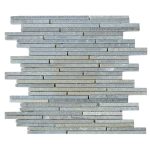
1. Exterior Cladding: One of the most popular applications of cultured stone is as an exterior cladding material for homes, commercial buildings, and other structures. Cultured stone facade can be used to create a striking facade that mimics the look of natural stone while offering the benefits of affordability and durability.
2. Fireplaces: Cultured stone is a popular choice for fireplace surrounds and mantels, adding a touch of elegance and sophistication to any living space. Whether you prefer a rustic stone hearth or a modern stone accent wall, cultured stone can help create a warm and inviting atmosphere in your home.
3. Accent Walls: Cultured stone facade can also be used to create stunning accent walls in interior spaces such as living rooms, kitchens, and bathrooms. The textured surface of cultured stone adds depth and visual interest to a room, making it a focal point of the design.
4. Entryways and Porticos: Cultured stone can be used to enhance the architectural features of entryways, porticos, and other outdoor structures. Whether you prefer a grand stone archway or a simple stone column, cultured stone facade can help create a welcoming and elegant entrance to your home.
5. Landscaping: Cultured stone can be used to create beautiful landscaping features such as retaining walls, garden borders, and decorative pillars. The natural look of cultured stone blends seamlessly with outdoor surroundings, adding a touch of charm and sophistication to your outdoor space.
Conclusion
Cultured stone facade offers a cost-effective and versatile solution for achieving the beauty of natural stone in a wide range of architectural applications. From its durability and ease of installation to its low maintenance requirements and eco-friendly properties, cultured stone facade is a practical choice for homeowners, builders, and architects alike. Whether you are looking to enhance the exterior of your home, create a cozy fireplace setting, or add visual interest to an interior space, cultured stone facade provides a stylish and durable solution that will stand the test of time.