Caribbean Food Denver: Best Dishes to Order First
Denver has become a far more interesting food city than outsiders often expect. People arrive thinking about green chile, steak, breweries, and mountain-town comfort food. Then they start paying attention to the neighborhoods, the family-run spots, the small counters tucked into strip malls, and the kitchens serving dishes rooted in migration, memory, and island technique. That is where Caribbean food earns its place.
If you are searching for caribbean food denver, the first challenge is not finding something flavorful. It is knowing what to order first. Caribbean menus can be broad, and rightly so. The region covers many islands, many languages, and several deeply distinct food traditions. Jamaican cooking is not identical to Trinidadian cooking. Cuban food does not mirror Puerto Rican food. Haitian seasoning, Dominican comfort dishes, and Lesser Antilles stews all bring their own character. Denver’s Caribbean restaurants may lean heavily toward one tradition or combine several. That matters when you are deciding between jerk chicken, oxtail, curry goat, mofongo, patties, or plantains.
The good news is that a first order does not need to be complicated. The best approach is to choose dishes that reveal the kitchen’s hand. You want to taste the marinade, the braise, the starches, the sauces, and the side dishes that make Caribbean food more than a main protein on a plate. A strong Caribbean restaurant announces itself through balance: heat against sweetness, smoke against acidity, slow-cooked richness next to rice, beans, or fried plantain that keeps every bite grounded.
What makes Caribbean food in Denver worth seeking out
Caribbean food travels well across cities because it carries both bold flavor and practical structure. Many of the signature dishes were built around marinating, braising, stewing, frying, and stretching ingredients with rice, beans, root vegetables, and plantains. Those methods hold up in a restaurant setting. They also reward patience and skill, which is why a good Caribbean kitchen tends to have a clear voice.
In Denver, that matters even more because many diners are still getting acquainted with the cuisine. A restaurant often has to appeal to regulars who grew up with these flavors and to newcomers who may only know jerk seasoning from a grocery-store bottle. The difference between those two experiences is enormous. Real jerk, for example, is not just “spicy grilled chicken.” It is a layered marinade with allspice, chile, thyme, garlic, scallion, and often a depth that comes from smoke and char. Oxtail is not just a trendy cut. Done right, it is glossy, tender, and deeply savory, with a richness that should feel earned rather than greasy.
A strong Caribbean plate also tends to arrive complete. It is not just about the centerpiece. Rice and peas are not a filler. Cabbage can be sweet, peppery, and lightly braised. Fried ripe plantains are there to soften heat and provide caramelized contrast. Even a simple side of beans can tell you whether the kitchen cooks with care.
Start with the dishes that show technique
If you are new to Caribbean food, or new to the Caribbean restaurants around Denver, the best first order is usually the one that tells you how the kitchen handles its fundamentals. You are looking for a few things at once: seasoning that penetrates the meat, tenderness without mushiness, starches cooked with intention, and a sense that the plate belongs together.
These are the dishes that usually reveal the most on first visit:
Jerk chicken Oxtail Curry goat Beef or chicken patties Rice and peas with plantains on the side
That short list works because each item tests a different strength. Jerk chicken shows how a kitchen balances spice, smoke, and moisture. Oxtail proves whether the cooks understand long braises and sauce reduction. Curry goat tells you if the seasoning has depth or if it stops at generic curry powder. Patties reveal how well the restaurant handles handheld staples, pastry texture, and filling. Rice and peas plus plantains might look like supporting players, but they often separate memorable meals from forgettable ones.
Why jerk chicken is still the best first order
There is a reason jerk chicken remains the gateway dish. It is familiar enough for cautious diners and complex enough for experienced ones. At its best, it arrives with char at the edges, juicy meat underneath, and seasoning that reaches beyond the surface. You should taste warmth from spices before pure heat takes over. Scotch bonnet or habanero can bring serious fire, but the dish should not flatten into one-note spiciness.
In Denver, where diners often expect grilled chicken to be relatively simple, proper jerk can be a pleasant shock. One bite should give you allspice, thyme, garlic, and a little sweetness, often followed by smoke if the kitchen has space and equipment to cook it the traditional way or at least close to it. The texture matters too. Dry jerk chicken is one of the most common disappointments. Because the seasoning is so assertive, some restaurants assume moisture matters less. It matters more. A juicy thigh or leg quarter carries the marinade, while dry meat just tastes aggressive.
This is also the dish that tells you how the kitchen handles sides. Jerk paired with rice and peas, cabbage, or plantains gives you the full experience. If the chicken is fiery, the sweeter plantains should cool it down. If the rice is subtly seasoned with coconut milk or stock, it should catch the drippings and round out the plate.
One thing worth knowing: heat levels vary wildly. Some Denver restaurants serve jerk that is friendly to almost everyone. Others do not pull punches. If you are sensitive to spice, ask whether the heat is cooked into the chicken or served on the side. That is not being timid. It is how you avoid spending the meal fighting through pain instead of tasting the food.
Oxtail is often the real measure of the house
If jerk chicken gets people through the door, oxtail is what often makes them loyal. It is one of those dishes that cannot be rushed. The cut starts tough, full of connective tissue and bone. Given enough time, it turns lush and silky, and the cooking liquid becomes a sauce with body and depth. Poor oxtail is stringy or greasy. Great oxtail clings to the bone until your fork nudges it free.
This is usually a more expensive order, and there is a reason. Oxtail costs more than many first-time diners expect, especially in recent years, and the labor is not small. When a Caribbean restaurant in Denver serves excellent oxtail, you are tasting both ingredient cost and time. The portion may look modest at first glance, but it tends to eat rich. That is why the sides matter so much. Rice and peas absorb the sauce. Plantains bring sweetness. Some places add butter beans to the braise, which lend creaminess and help stretch the dish without making it feel cheap.
Oxtail is also where seasoning judgment becomes obvious. A good version should feel layered and savory, often with onion, thyme, browning sauce, garlic, and pepper in the background. It should not just taste salty. When diners say a restaurant’s food tastes “homemade” in the best sense, this is often the dish they mean.
If you are splitting plates with someone, order the oxtail even if you also get jerk chicken. Between the two, you learn almost everything important about the kitchen.
Curry goat rewards a kitchen with patience
Curry goat is one of the smartest first orders for diners who like stews and want something less familiar than chicken. It tends to be earthy, aromatic, and deeply comforting. The challenge with goat is texture. It can turn chewy if rushed or overworked. In a good curry, the meat should be tender enough to yield easily but still hold its shape. The sauce should feel integrated, not watery or powdery.
People who have only had Indian curries sometimes expect the same profile here. Caribbean curry is its own thing. Depending on the tradition behind the restaurant, you may notice different spice blends, more pronounced heat, more thyme, or a different relationship between curry and allium flavors. In some kitchens, the dish leans bright and peppery. In others, it tastes darker and more developed, especially after a long simmer.
The practical appeal in Denver is that curry goat often travels well for takeout. Jerk can soften in a container and fried items can lose their edge, but a braised curry is usually still satisfying by the time you get home. If you are ordering delivery and want the safest bet, curry goat is usually near the top of the list.
Patties tell you whether the details matter
Not every first order needs to be a full plate. A beef or chicken patty is one of the best ways to sample a Caribbean kitchen without committing to a heavy meal. It is also one of the most revealing caribbean food denver snack items in the cuisine. A proper patty should have a flaky exterior, often tinted golden or yellow from turmeric or similar seasoning, and a filling that tastes seasoned rather than merely salty.
A good beef patty has a loose, savory mince with chile warmth and enough moisture to avoid dryness. A chicken patty should not taste like an afterthought added for menu breadth. Some places also offer spicy beef, curry chicken, or even vegetable versions. What you are really testing is care. If the crust is stale, the filling grainy, or the seasoning flat, that often hints at a kitchen that excels more at mains than at its smaller items.
On the other hand, a great patty can be the reason you return in the middle of the week when you only have ten minutes. It is one of the dishes that turns a restaurant from destination dining into a local habit.
Do not overlook rice, peas, cabbage, and plantains
A lot of first-time diners focus so hard on the protein that they miss half the point. Caribbean food is a cuisine of complete plates. The sides are structural, not decorative. Rice and peas, despite the name, usually means rice cooked with beans, often kidney beans or gungo peas depending on the tradition. The rice should be fragrant and distinct, not mushy. It may carry coconut, herbs, or stock in the background, and it should stand on its own even before sauce hits it.
Cabbage is one of the most underrated sides on any Caribbean menu. Lightly cooked with carrots, peppers, onion, and seasoning, it brings freshness and a bit of sweetness that keeps rich mains from overwhelming the palate. A plate with oxtail and no vegetable element can feel heavy halfway through. Add cabbage, and the whole thing breathes.
Then there are plantains, one of the easiest clues to a kitchen’s instincts. Ripe plantains should have caramelized edges and a soft center. Underripe ones can be starchy and one-dimensional. Overfried ones turn leathery. When they are right, they give you sweetness, texture, and that little pause between spicy bites that makes you want another forkful of jerk or curry.
If you only remember one thing when ordering Caribbean food in Denver, make it this: ask what sides come with the dish and do not swap them out casually. The plate was built that way for a reason.
Sauces, heat, and the question of what to ask before ordering
There is a small learning curve with Caribbean menus, especially if the restaurant does not over-explain every dish. That is not a flaw. Many of these foods are treated as everyday staples by the people cooking them. Still, a couple of quick questions can improve your order dramatically.
Ask which dishes are the house specialties Ask whether spice is built in or added on the side Ask what sides come standard with each plate Ask whether a dish tends to sell out later in the day
That last point matters more than diners sometimes realize. Braised items like oxtail or curry goat may be made in limited quantities, and lunch rush can wipe them out. Patties, too, may be freshest at specific times depending on the kitchen’s baking schedule. In a busy restaurant, the person taking your order usually knows what is best that day. Trusting that guidance often leads to a better meal than ordering by habit.
How Denver’s dining context shapes the experience
Caribbean restaurants in Denver operate in a city with real logistical quirks. Rent is high in many neighborhoods. Labor is expensive. Specialty ingredients can be harder to source consistently than in larger coastal markets with longer-established Caribbean populations. That means some menus are tightly edited, and some restaurants represent a blend of island traditions rather than a single national cuisine. This is not necessarily a compromise. Often it is a practical adaptation that reflects the owners’ backgrounds, the local market, and what customers reliably order.
It also means diners should adjust their expectations in smart ways. You may not find the same breadth of options here that you would in parts of Brooklyn, South Florida, or Toronto. But what Denver does offer can still be excellent, especially when a kitchen focuses on a narrower set of dishes and executes them well. In fact, some of the best Caribbean food Denver has to offer comes from places that do not try to be everything at once.
The altitude does not directly define the flavors, but it does shape restaurant operations more broadly. Frying, baking, and holding food can all behave a little differently in Denver than at sea level. Skilled cooks adapt, but it is one reason consistency matters so much. A restaurant that turns out flaky patties, properly braised oxtail, and juicy jerk repeatedly in this environment is earning every loyal customer.
What to order if you are dining with a group
Caribbean food is especially good with a table full of people because the cuisine shines when you can compare textures and spice levels side by side. One person might be drawn to jerk, another to curry, someone else to oxtail, and suddenly everyone gets a broader sense of the kitchen.
For a group of three or four, the strongest move is to mix one grilled or roasted dish, one braise, one curry, and at least one side or starter that can be shared. That gives you contrast. Jerk chicken brings smoke and spice. Oxtail brings richness. Curry goat adds aromatic depth. Patties or extra plantains keep the table lively while waiting for mains. This kind of spread is also useful if you are introducing Caribbean food to someone cautious. They can start with rice, cabbage, or a bite of patty before deciding how adventurous to get.
There is a practical trade-off, though. Sharing works best in restaurants that portion generously or serve family-style combinations. Some Caribbean spots plate mains individually with sauces already worked into the rice. In that case, you may be better off ordering separate dishes and trading bites rather than trying to split everything evenly.
Signs you have found a place worth returning to
The obvious signs are flavor and hospitality, but there are subtler clues. One is whether the restaurant treats the sides with respect. Another is whether heat feels intentional instead of random. A third is whether the meats taste seasoned through, not just coated at the end. If the kitchen can make cabbage interesting, rice fragrant, and plantains exactly sweet enough, that is often a better sign than a showy sauce or an oversized portion.
Listen for what regulars order without hesitation. In Caribbean restaurants, repeat customers often know which dish defines the place. It might be jerk on Fridays, soup on weekends, or a sold-out braise that vanishes by midafternoon. Menus tell part of the story. Ordering patterns tell the rest.
Pay attention, too, to how the staff describe the food. The best recommendations tend to be direct. They might tell you the oxtail is especially good today, the curry is mild, or the jerk is serious. That kind of confidence usually comes from familiarity, not salesmanship.
If you only get one shot, order with intent
A first visit is not the time to play it too safe. If you want to understand what makes Caribbean cooking special, skip the most generic choice on the menu and order something that requires actual labor and seasoning judgment. That usually means jerk chicken, oxtail, or curry goat, with rice and peas and plantains if available. Add a patty if you want a quick read on the pastry side of the kitchen.
You do not need to know every island tradition to eat well. You just need to notice what the plate is trying to do. Caribbean cooking often builds contrast into every meal: spicy with sweet, rich with bright, soft with crisp, smoky with herbal. The pleasure is in that balance. The best restaurants in Denver understand it, and when they do, the food feels generous in a way that goes beyond portion size.
For diners exploring caribbean food denver for the first time, that is the real target. Not just something hot, saucy, or filling, but a meal that tastes like it came from a kitchen with memory, standards, and confidence. Start with the dishes that reveal those qualities most clearly. Jerk chicken if you want the classic. Oxtail if you want depth. Curry goat if you want comfort with character. Patties if you want a smaller test of skill. Keep the rice, the cabbage, and the plantains on the plate. They are not extras. They are part of the conversation.
Reggae Pot Jamaican Grill
2243 S Monaco St Pkwy, Suite 104
Denver, CO 80222
(720) 410-2956
FAQ About caribbean food denver
What is a typical Caribbean meal?
Caribbean cuisines vary by island. A Jamaican meal might pair jerk chicken or oxtail with sides such as rice and peas, cabbage, or fried plantains.
What is Jamaica’s national dish?
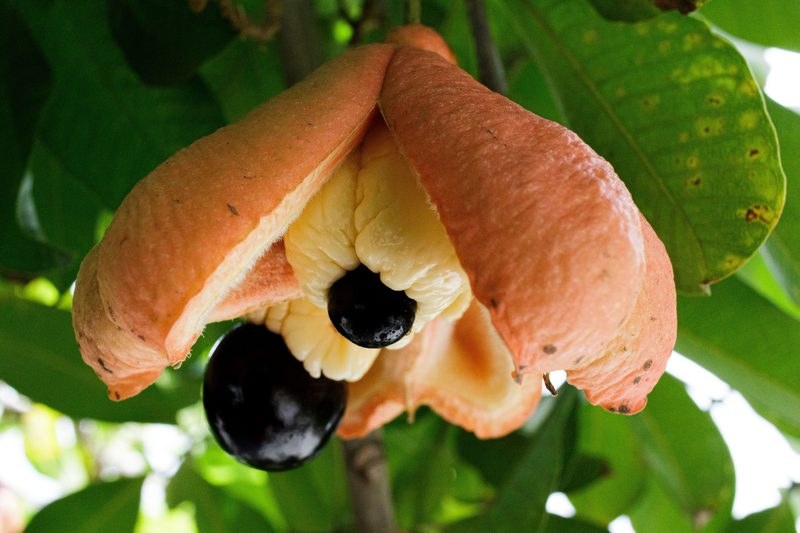
Ackee and saltfish is widely recognized as Jamaica’s national dish. Check the current menu for availability.
Is Caribbean jerk the same as Jamaican jerk?
Jerk is a Jamaican cooking tradition associated with seasoning and slow cooking or grilling. The exact heat level and preparation vary by cook.