Anion Gap Calculator for Electrolyte Panel Analysis
What the Anion Gap Indicates
The anion gap is a calculated value that assists clinicians in interpreting an electrolyte panel by assessing the difference between measured plasma ions. It is not directly reported on most lab results, but it can be calculated from the numbers that are already present in routine testing. Because it captures the difference between major measured cations and anions, it provides an important window into acid-base balance.
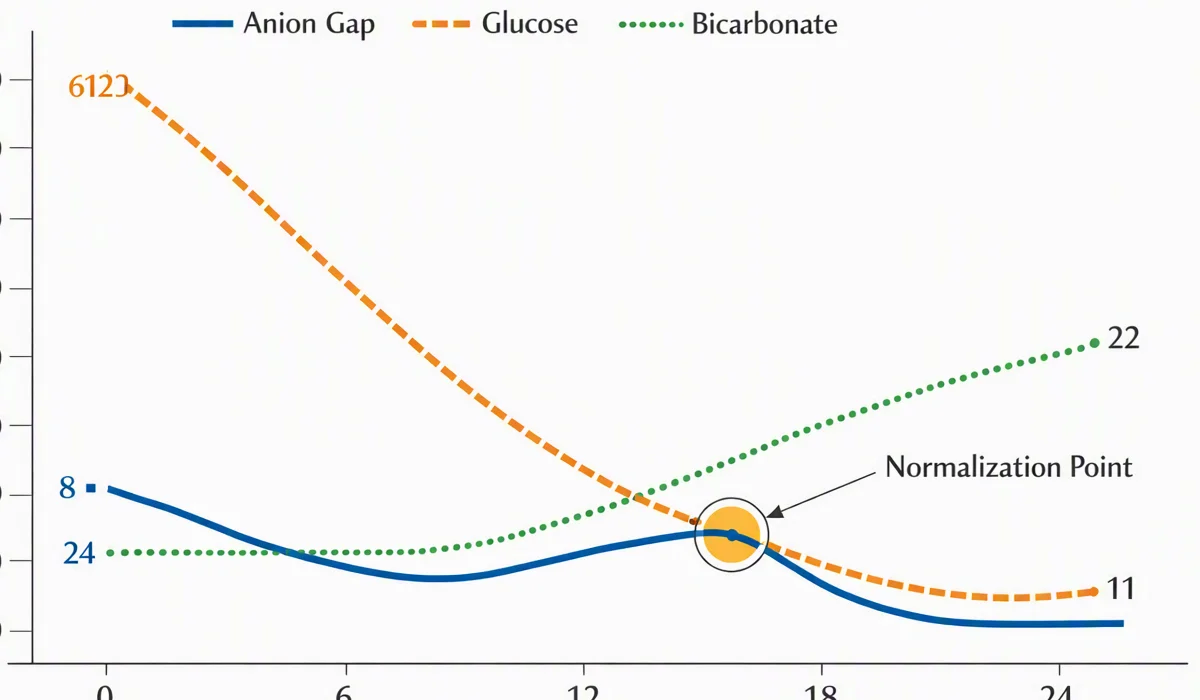
An increased or unexpectedly low result can act as a diagnostic clue when reviewing lab results. In practice, the anion gap is most helpful for recognizing an acid-base disorder, especially metabolic acidosis. It also enhances broader clinical interpretation of electrolyte values by indicating hidden acid accumulation, unmeasured ions, or a shift in protein-related charge balance.
An anion gap calculator makes easier this process by turning routine measurements into a quick gap analysis. That can be especially useful when a clinician is reviewing an electrolyte imbalance or trying to connect a chemistry panel with the patient’s symptoms, history, and possible toxin exposure.
Anion Gap Calculator Equation and Values
The core calculation formula uses the most common serum electrolytes: sodium, chloride, and bicarbonate. In most settings, potassium may also be included, even though the simplified formula often excludes it.
One common form is:
Anion gap = sodium − (chloride + bicarbonate)
In versions that include potassium, the formula becomes:
Anion gap = sodium + potassium − (chloride + bicarbonate)
The precise version used can vary depending on the lab and the reference interval used for interpretation. That is why an anion gap calculator should always be paired with the lab’s own reporting conventions and the patient’s overall condition.
These inputs are important because they reflect the major measured ions in the sample. Serum sodium represents the dominant measured cation, while serum chloride and serum bicarbonate are major measured anions. The resulting number estimates the amount of unmeasured anions in the blood, which can signal acid accumulation or a shift in protein binding.
How to Calculate Anion Gap Step by Step
To calculate the anion gap, start with the serum electrolytes from a latest chemistry panel. Typically, these results come from a basic metabolic panel or a comprehensive metabolic panel. Then use the formula with the numbers reported for sodium, chloride, and bicarbonate.
Step by step, the process goes like this:
Find the reported sodium value. Find the chloride value. Identify the bicarbonate value. Combine chloride and bicarbonate together. Subtract that total from sodium.
For instance, if sodium is 140, chloride is 102, and bicarbonate is 24, the calculation is 140 − (102 + 24) = 14. This result can then be measured against the local normal range.
When potassium is part of the formula used by a specific lab or tool, include it in the sodium side of the equation. Since different panels may report values in slightly different units or formats, unit conversion should always be checked before interpreting the result. A small mismatch in units can create a misleading answer even when the calculation formula is applied correctly.
In clinical use, the calculation is fast, but interpretation is more significant than the number alone. The anion gap should be viewed in relation with the full set of electrolyte values, the patient’s symptoms, and any sign of an acid-base disorder.
Typical Anion Gap versus High Anion Gap
A typical anion gap usually means the gap between measured cations and anions falls within the expected reference range. This does not necessarily mean the patient is fine, but it indicates there is no obvious increase in unmeasured acids based on the panel alone.
A increased anion gap often indicates a metabolic acid buildup. In this setting, extra acids accumulate in the body, bicarbonate is consumed as it buffers those acids, and the gap rises because the unmeasured anions increase. This is why the anion gap is such a valuable helpful sign when analyzing lab results.
In laboratory analysis, the distinction between normal and high values matters because it guides the next step in evaluation. A high result may prompt review for acid overload, kidney dysfunction, or toxin ingestion. A normal result may shift attention toward bicarbonate loss or chloride gain. Either pattern can reflect a significant metabolic disturbance.
Typical Sources of a High Anion Gap
A high result is commonly linked to a number of important disorders. One of the most recognized causes is lactic acidosis, in which lactate rises when tissues are poorly perfused or when metabolism is altered. Another major cause is ketoacidosis, where ketone bodies accumulate during insulin deficiency, starvation, or severe metabolic stress.
Renal failure can also raise the anion gap because impaired kidneys cannot clear acids properly. As renal function declines, acid retention contributes to acid accumulation and a progressively worse metabolic picture. This is one reason the anion gap is commonly reviewed alongside kidney-related chemistry findings.
Toxic alcohols are another important cause. Ingestion of substances such as methanol or ethylene glycol can result in severe acid-base changes and a dangerously high gap. In this setting, the anion gap becomes a major sign of possible toxin exposure and may demand urgent evaluation.
Other high-gap conditions exist as well, but these four are among the most clinically important conditions. A thoughtful review of the history, symptoms, and lab results helps determine whether the elevated number is due to poor perfusion, ketone production, renal impairment, or a toxic ingestion.
Frequent Causes of a Normal Anion Gap
A normal anion gap cannot rule out a serious problem. It may instead suggest a distinct type of acid-base disorder, especially one driven by reduced bicarbonate rather than acid excess. One common cause is loose stools, which can lead to marked loss of bicarbonate from the digestive tract.
Renal tubular acidosis is another important cause. In this condition, the kidneys do not manage acid and bicarbonate properly, leading to a pattern that often shows a normal anion gap despite ongoing metabolic problems. The issue may be subtle, but the chemistry pattern is a useful clue.
Loss of bicarbonate from any source can cause this pattern, and that makes loss of bicarbonate critical to the interpretation. To maintain electrical neutrality, the body often retains chloride, which leads to hyperchloremia. The result is a normal anion gap with a shifted chloride-bicarbonate relationship.
This pattern is sometimes described as hyperchloremic metabolic acidosis. Even though the anion gap remains in range, the patient may still have a meaningful acid-base problem that deserves attention.
Corrected Anion Gap and Albumin
Albumin serves as one of the most important unmeasured anions in blood, so its concentration can greatly affect the anion gap. When albumin is low, the gap may appear deceptively normal or only mildly elevated even if a major acid-base problem is present. For this reason hypoalbuminemia must always be taken into account during interpretation.
The corrected anion gap accounts for low albumin and gives a more accurate view of the patient’s true acid-base state. This process is often called albumin correction. Without it, clinicians may misjudge the severity of the metabolic disturbance.
The reason is related to protein binding. Albumin carries negative charge in the bloodstream, so when albumin drops, the measured gap can narrow even if other acids are present. Correcting for albumin helps uncover hidden abnormalities that might otherwise be missed.
For example, a patient with a apparently normal gap and marked hypoalbuminemia may actually have a clinically significant high-gap process once the correction is applied. That is why albumin should be reviewed whenever the result does not align with the clinical picture.
When to Employ an Anion Gap Calculator
An anion gap calculator is especially helpful as soon as a anion gap clinical significance clinician is interpreting an electrolyte panel for indicators of an acid-base imbalance. It can be run to a basic metabolic panel or a comprehensive metabolic panel, both of which usually include the values needed for the calculation.
It is especially helpful as a form of clinical decision support when the patient has complaints that could suggest metabolic instability, Informative post such as dehydration, altered mental status, unexplained illness, or suspected poisoning. It can also help organizing the evaluation of low bicarbonate or other lab abnormalities into a clearer diagnostic pathway.
Because the calculator provides a rapid summary of key serum electrolytes, it can support bedside reasoning and inform follow-up testing. Still, it should not replace clinical context. A numeric result is most useful when interpreted with the full picture of lab findings, history, and physical exam.
Constraints and Common Calculation Errors
Even though the formula is easy to follow, several factors can affect accuracy. Lab variability is one issue, since different analyzers and reporting methods can yield somewhat different values. That means two panels from different labs may differ slightly, even when the patient’s condition has not changed.
The chosen reference range also matters. What counts as normal in one setting may differ in another, especially if the lab uses a different calculation method or includes potassium. This makes it important to read the result using the correct local standard rather than relying on a single universal cutoff.
Measurement error can occur if a sample is mishandled, diluted, or otherwise compromised. In some cases, a lab artifact may create a misleading result that does not reflect the patient’s true physiology. Repeating the test or comparing it with the broader clinical picture can help identify these issues.
One practical pitfall is assuming that a “normal” number always means there is no problem. Another frequent error is overlooking albumin, which can hide a substantial gap. Thorough evaluation of the full panel and awareness of potential error sources enhance the quality of interpretation.
Common Questions About Anion Gap Interpretation
How is an anion gap calculator used for?
An anion gap calculator is designed to turn an electrolyte panel into a practical estimate of unmeasured ions in the blood. It assists in clinical interpretation of lab results, especially when evaluating metabolic acidosis, acid accumulation, or an unexpected electrolyte imbalance. It is a useful tool for reviewing sodium, chloride, and bicarbonate together.
How do you determine anion gap from an electrolyte panel?
Use the calculation formula: sodium minus the sum of chloride and bicarbonate. In some settings, potassium is included as well. The values usually come from serum electrolytes on a basic metabolic panel or comprehensive metabolic panel. After calculating, compare the result with the lab’s normal range or reference interval.
What does a high anion gap mean?
A high anion gap usually suggests metabolic acidosis caused by added acids or unmeasured anions. Common causes include lactic acidosis, ketoacidosis, renal failure, and toxic alcohols. The result is a important indicator that points toward acid accumulation and helps narrow the differential diagnosis.
Why does low albumin affect the anion gap?
Low albumin can lower the measured gap because albumin contributes negative charge in blood. With hypoalbuminemia, the apparent result may underestimate the true disorder. A corrected anion gap uses albumin correction to better reflect the actual acid-base balance and avoid missing important abnormalities.
Can a standard anion gap really indicate a serious problem?
Absolutely. A typical anion gap can also be seen with serious conditions such as diarrhea, renal tubular acidosis, or various causes of bicarbonate loss. Hyperchloremia may also be seen. So a normal result does not automatically eliminate an acid-base disorder; it only suggests a varied pattern of disturbance.