What Is a Fairy Tale for Kids and Why It Matters
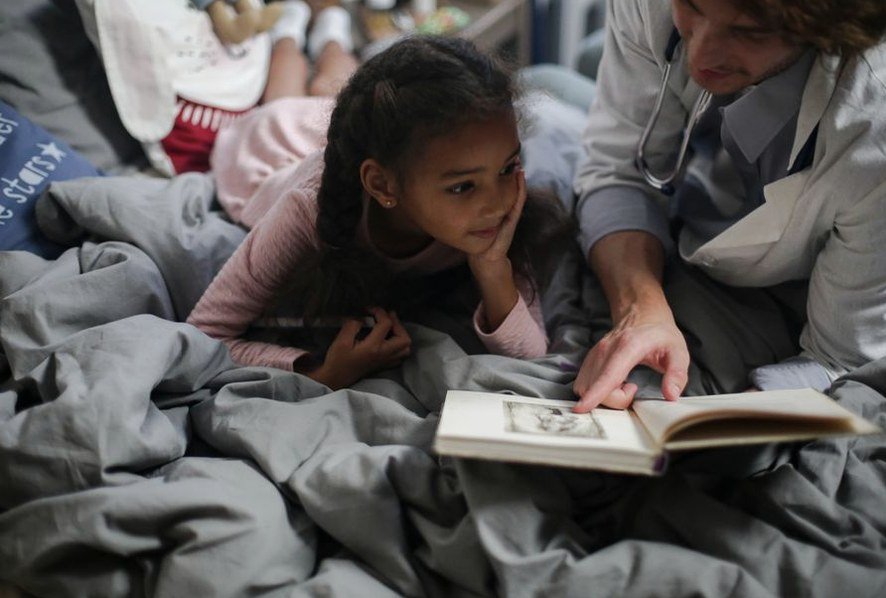
A fairy tale is a story about fictional characters and events where magical or fantastical forces shape the plot. For children, it is usually the first narrative form they encounter — heard before they can read, remembered long after they forget the night it was told. The definition sounds simple, but the mechanics behind what makes a story a fairy tale (and not a legend, a fable, or a realistic narrative) are worth understanding clearly, especially if you are choosing what to read to a child or helping one write their own.
Folklore vs. Literary: Two Distinct Traditions
Every fairy tale belongs to one of two categories, and the difference affects how you encounter it and how it changes over time.
Folk tales have no single author. They traveled from person to person, spoken aloud, adjusted slightly with each retelling — the plot stayed recognizable while small details shifted. "The Hare's Little House," for instance, exists in dozens of regional versions, yet the core conflict remains the same. Anyone who retells a folk tale becomes, in a small way, its co-author.
Literary fairy tales were created by a named writer and exist in a fixed text. Alexander Pushkin's tale of the golden fish is a clear example: one author, one definitive version, one set of words that do not drift. When parents read it from a book, they are transmitting an authored work rather than an oral tradition.
Neither form is superior for children. Folk tales carry a collective cultural memory; literary ones offer a crafted, stable artistic experience. The practical choice depends on what you want the child to absorb.
What Separates a Fairy Tale from Other Stories
The boundary that matters most is this: in a fairy tale, the plot is always unreal — invented, often magical, never bound by the laws of the physical world. A fish grants wishes. A wolf speaks. An entire kingdom fits inside a walnut shell. The moment a narrative commits to events that could not happen, it crosses into fairy-tale territory.
A legend, by contrast, is typically anchored to a real place, a historical event, or a believable chain of cause and effect, even when it exaggerates. A realistic narrative describes events that could plausibly occur. The fairy tale is the only form where impossibility is not a flaw — it is the structural premise.
If you want a thorough grounding in the history and structure of the form, the guide on what is a fairy tale for kids covers the etymology and narrative mechanics in useful detail.
Where the Word Itself Comes From
The etymology is genuinely surprising. In old Russian, the word that became "fairy tale" originally referred to news reports, census records, and factual accounts — things that were told or shown. The magical stories children now associate with the term were called fables at that time.
The shift happened during the 17th and 18th centuries, when certain noblemen began inventing elaborate personal histories to impress their social circles. These fabricated biographies were labeled with the same word used for factual accounts, and gradually the word came to mean anything invented, unreal, or magical. The term drifted from document to dream, which is a small irony worth passing on to curious children.
Choosing a Fairy Tale for a Specific Child
Age and temperament shape which type works best. Younger children, roughly three to six, follow plot more reliably than character psychology, so folk tales with clear repetition — a pattern of three attempts, a recurring phrase, a predictable resolution — hold attention without demanding abstract thinking.
Children from seven onward can track a more layered literary fairy tale, where the protagonist's internal conflict drives the plot alongside the external magic. At this stage, an authored text also gives a child something precise to quote, imitate, and eventually push against when writing their own stories.
One practical check before reading a new fairy tale to a child under eight: does the magical threat in the story resolve before the story ends? Open-ended peril without resolution tends to surface in dreams, and not in a useful way. Stories that end with the danger fully neutralized leave children with a sense of restored order rather than ambient anxiety.
Helping a Child Write Their Own
The structural requirements are lighter than most adults assume. A fairy tale needs an ordinary character placed in an impossible situation, at least one magical element that changes the stakes, and a resolution — not necessarily a happy one, but a definitive one. That is the whole contract.
The opening does real work. Folk tales used formulas ("once upon a time in a certain kingdom") because those phrases signal to the listener that reality has been suspended and anything can follow. A child writing their own story benefits from inventing a personal opening formula — something that tells both the writer and the audience that the rules have changed.
Frequently Asked Questions
Can a fairy tale be realistic with no magic at all?
No. Without a magical or fantastical element, the story becomes a realistic narrative or a fable. The impossible premise is what defines the form; remove it and you have a different genre, even if the characters and setting stay the same.
Is a fairy tale always meant for children?
Not originally. Folk tales addressed adult anxieties - inheritance, marriage, social survival - alongside children's fears. Many have been adapted toward younger audiences over time, but the form itself has no age restriction.
How long should a fairy tale for a young child be?
Short enough to finish in one sitting without losing the thread: typically five to fifteen minutes read aloud, or roughly 300 to 800 words on the page. Longer literary fairy tales work better for children who already read independently.
Can a child be the author of a folk-style tale?
Yes. Folk tales were never protected by authorship to begin with. A child who invents a story, tells it to friends, and watches it change in their retelling is participating in exactly the same process that produced the tales now printed in books.