Why Pasadena AC Systems Fail at the Worst Possible Moment
Why Pasadena AC Systems Fail at the Worst Possible Moment
Pasadena heat does not build gradually. It snaps into place in the late afternoon when the San Gabriel Valley bakes and canyon air stops moving. That is when a compressor tries to start against high head pressure. That is when weak run capacitors pop. That is when a system that limped through May gives up in July. Homeowners in Pasadena and South Pasadena feel it acutely because the local housing stock and microclimates push air conditioners harder than the Los Angeles average.
The hidden load in older Pasadena and South Pasadena homes
Most Pasadena neighborhoods have homes that predate central cooling by 30 to 70 years. Bungalow Heaven, Madison Heights, San Rafael Hills, and Linda Vista share a common trait. They were framed and insulated for mild evenings, not for 104 degree afternoons. Many still have original or partial duct systems, small return paths, and limited attic ventilation. That combination starves the air handler, raises static pressure, and shortens compressor life. It also triggers a chain of expensive problems during heat waves.
Green Planet Heating and Air sees the pattern every summer. A condenser unit in a side yard near the Arroyo Seco loads with seed, dust, and hairspray from landscape crews. The coil fouls just enough to raise head pressure. A marginal run capacitor then fails at 5 pm when grid voltage sags. The compressor tries to start, pulls locked-rotor amps, and trips its thermal protector. The thermostat keeps calling for cooling. The contactor clicks. The fan may still spin. Inside, the evaporator coil is already cold from earlier cycling and begins to frost. By 7 pm, the family has warm air from vents and a frozen evaporator coil. The timing feels cruel. It is caused by physics and site conditions that stack up in this region.
Local climate amplifiers that punish AC equipment
Pasadena straddles foothills and the Arroyo Seco corridor. Afternoons warm fast because the marine layer influence fades as air flows inland. Heat radiates off hardscape in Old Pasadena and along Colorado Boulevard. Hillside neighborhoods trap warm air pockets near concrete and stucco. The result is a rapid late-day rise in condenser inlet temperature that does not match coastal design charts. The effect is more pronounced near the Rose Bowl, Linda Vista, San Rafael, and the South Arroyo.
A shareable fact from field data: During the last three summers, Green Planet technicians logged condenser inlet air temperatures and head pressures on service calls between the Colorado Street Bridge and the Rose Bowl loop. Between 4 and 6 pm on event days, measured head pressure ran 12 to 18 percent higher than the same systems recorded at 10 am. That spike coincided with grid voltage dips of 2 to 5 percent. The combination forced more failed compressor starts and more blown capacitors than calls logged in eastern flatland neighborhoods on the same days. The monitoring was simple. The impact was not. Those are the hours when families need cooling most.
Why South Pasadena emergencies cluster at 5 to 8 pm
South Pasadena adds its own layer of stress. Historic protections shape where equipment can sit and how it can vent. Many Mission Street and Fair Oaks corridor properties hide condensers in narrow side yards with limited airflow. Homes near Garfield Park and the Arroyo Seco collect sycamore fluff and oak pollen on the condenser coil earlier in the season. A clean coil in April is matted by June. The air handler then works against a warmer condensing temperature and pulls higher amperage. By late afternoon, a marginal run capacitor heats past its rating and fails. If the contactor points are pitted from years of arcing, the compressor sees low voltage at the instant it needs a strong kick. That event often lands between 5 and 8 pm, right when repair windows tighten and homes are at their peak load.
Component failures that converge under Pasadena conditions
Failures look random to a homeowner. They are not. The same component names repeat on invoices across Pasadena and South Pasadena because of predictable local stress points.
Run capacitors go out first in many systems. They sit inside the condenser cabinet next to the compressor and condenser fan motor. Heat soak and voltage fluctuation from grid events push them past their tolerance. When a run capacitor loses capacitance, the compressor draws locked-rotor amps and overheats. Even if it restarts later, winding insulation degrades a little each time. That shortens compressor life. Contactors fail next. Pitted contacts drop voltage under load. On a 95 degree day in Bungalow Heaven, a 2 to 3 percent voltage drop at the contactor can mean a compressor that runs hot enough to trip, or a motor that never reaches rated speed. That is why the words run capacitor and contactor show up so often in summer repair notes.
Evaporator coils freeze in Pasadena more than in coastal LA because return paths are undersized in older homes. A 3-ton air handler installed with a single undersized return in a Madison Heights bungalow will pull more static pressure than the blower can handle. Air velocity across the evaporator coil drops. Refrigerant does not get enough heat to boil fully. The coil drops below 32 degrees and begins to ice. Ice insulates the coil and further reduces airflow. What starts as weak airflow by 3 pm becomes a block of ice by 6 pm. Homeowners report warm air from vents and think the system is low on refrigerant. In many Pasadena calls, refrigerant charge is fine. Airflow is not.
Refrigerant leaks still occur, but the leak points have a pattern. Many older evaporator coils with R-410A developed formicary corrosion along the u-bends. Attics in Pasadena reach 130 to 150 degrees on peak days, which speeds corrosion. Leaks can also form at flare connections on ductless mini split line sets in additions and ADUs around East Pasadena and Hastings Ranch if those flares were not torque-checked. A leaking evaporator coil plus a restricted return is a common one-two punch that shows up during the first heat wave each summer.
Ductwork realities in prewar and midcentury homes
Airflow is the silent killer of AC systems in Pasadena. Many homes built in the 1920s through the 1950s still use a blend of sheet metal trunk lines and later flex duct add-ons. Duct leakage is high at boot connections and plenum seams. Flex duct sometimes snakes over rafters in S-turns that crush the inner core. Static pressure climbs. The blower motor runs hotter. Bearings wear. The system short cycles. The evaporator coil runs cold without enough air volume to keep it above freezing. Rooms at the end of long runs stay warm. The thermostat near the hallway return satisfies early. That short cycling batters the compressor and contactor far more than a properly balanced system would.
Green Planet technicians measure total external static pressure on many Pasadena service calls. They often find values at 0.9 to 1.2 inches water column on systems that are rated for 0.5. That mismatch burns through blower motors and ruins efficiency. It also produces the classic hot upstairs rooms in Linda Vista and San Rafael Hills. Equipment capacity is not the fix. Airflow is.
Why AC systems near the Arroyo Seco work harder
Homes along the Arroyo Seco and near the Colorado Street Bridge face unique condenser coil fouling. Chaparral debris blows up-canyon in the afternoon. Condenser fins face the wind and collect the material where the fan pulls air in. The first pass of the condenser coil looks clean from the outside. The inner rows pack with debris and oil. Head pressure rises without obvious exterior dirt. The compressor draws more current and runs hotter. That slow, invisible problem is one reason many South Arroyo and Linda Vista systems fail late in the day even when the outside of the coil looks acceptable.
Rooftop package units in Old Pasadena and East Colorado corridors
Commercial spaces and mixed-use buildings around Old Pasadena and along East Colorado Boulevard rely on rooftop package units. These units run longer cycles because of large west-facing glass and urban heat island effects. Service access is often constrained during business hours. Filters are custom sizes and get skipped. Dirty return filters and clogged condenser coils push compressors to the edge. That is why emergency calls for rooftop units spike after sunset, when stores close but heat remains trapped on the roof membrane. The repair pattern mirrors residential stress but with larger stakes when a tenant space needs evening cooling for staff or inventory protection.
Code shifts that matter during emergency repairs in South Pasadena
As of January 1, 2026, the 2025 California Energy Code is in effect. South Pasadena enforces it. New residential cooling systems and many major component replacements require low global warming potential refrigerants under 700 GWP. R-32 and R-454B are the common choices. These are A2L refrigerants with mild flammability. They require spark-resistant tools, proper ventilation during service, and attention to leak mitigation near ignition sources. EPA 608 certification and A2L safety training are essential for anyone charging a system or opening the refrigerant circuit in the 91030 and 91031 zip codes. Homeowners should expect that major coil or condenser swaps will also trigger HERS verification for refrigerant charge and airflow before the city closes the permit.
South Pasadena’s historic-home focus also affects emergency placement and routing. Contractors may need to shield line sets, conceal condensers, or select mini split options to meet visibility standards near Mission Street, Fair Oaks Avenue, and the Mission Street District. A fast repair still must consider those constraints to prevent red tags during inspection. Green Planet handles permit pulls, HERS rater coordination, and low-GWP compliance on emergency changeouts so a stopgap does not become a code problem down the line.
What “worst possible moment” failures have in common here
Failures that happen at dinner time are rarely random. They often combine five local factors that stack together under heat:
Undersized returns and leaky ductwork that push static pressure above 0.7 inches water column Fouled condenser coils from Arroyo Seco debris, pollen, and oil film that hide inside the fins Run capacitors and contactors weakened by grid voltage dips and heat soak in late afternoon Attic evaporator coils exposed to 130 to 150 degree ambient temperatures for hours Condenser placements in narrow side yards with recirculating hot air and poor clearance
Address those conditions and emergency calls fall sharply. Ignore them and a new system can fail as often as the old one, especially in the South Arroyo and South Pasadena corridors.
Brand realities: what survives Pasadena summers
Brand choice matters, but installation and airflow matter more. Green Planet services and installs Carrier, Lennox, Trane, Goodman, Rheem, York, and Amana central systems that fit the actual load. Many Pasadena homes benefit from variable speed air handlers that can hold coil temperature without short cycling. In homes where ducts cannot be corrected without major reconstruction, inverter-driven ductless mini splits from Mitsubishi Electric, Daikin, Fujitsu, Bosch, or LG allow zone cooling without duct leakage losses. Multi-zone systems pair well with additions in Hastings Ranch and Linda Vista where a single central return cannot serve all rooms effectively.
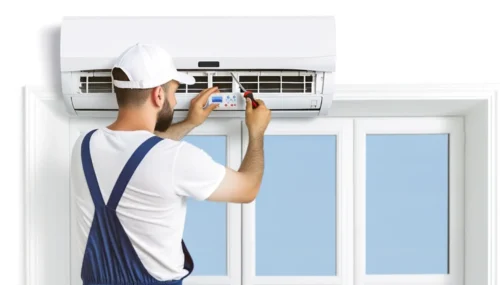
For heat pump installations, inverter compressors and properly sized line sets reduce surge draw during starts and handle later afternoon load more gracefully. A properly charged system with a clean filter drier and expansion valve tuned to the local conditions can run past 7 pm without tripping. Equipment quality helps. Airflow and charge accuracy finish the job.
Inside the box: what technicians find on failing Pasadena systems
A typical late-day no-cool call in Madison Heights reveals the same clues. The condenser fan runs. The compressor is silent or clicks and tries to start. The run capacitor measures out of spec or is visibly bulged. The contactor shows arcing on the line side. Suction pressure is low if frost formed earlier. Superheat is high. Subcooling is unstable. The technician replaces the capacitor and contactor, cleans the condenser coil with the correct foaming agent, resets the system, and retests. If static pressure at the air handler still reads high, the system will likely repeat the failure unless a return is added or duct leakage is sealed. The quick fix restores cooling. The airflow correction prevents the next emergency.
On ducted heat pump systems in Linda Vista and San Rafael, the expansion valve can stick after a night of partial icing. That causes starving of the evaporator and erratic superheat. A filter drier saturated with moisture or acid after earlier burnouts can restrict flow and mimic low charge. Good diagnostics involve pressure readings, temperature splits, and electrical checks, not a guess and a top-off. In South Pasadena today, guesswork is not allowed when A2L refrigerants are present. Proper recovery, scale-based charging, and leak checks with A2L-rated detectors are part of code-compliant repairs.
Title 24 and SEER2 meet real Pasadena houses
New systems must meet SEER2 minimums that translate to 14.3 or higher in the Southwest region. Many Pasadena properties also face Title 24 “electric-ready” provisions. That means a simple condenser swap is not always simple. Panel capacity, disconnects, and dedicated circuits may need updates. South Pasadena inspections will look for HERS test documentation on airflow and refrigerant charge when equipment is replaced or major components are changed. Green Planet’s technicians plan those steps during an emergency visit so the fix holds up at inspection and on the hottest day of the year.
Indoor air quality and wildfire smoke season
Smoke and particulate load hit Pasadena and South Pasadena in late summer and fall. A central air conditioner pulling outside air through leak-prone return paths will ingest ash. That ash sticks to the evaporator coil and filter, forming a layer that reduces heat transfer and increases pressure drop. A MERV-13 filter sized for the system’s blower and return area captures fine particles without collapsing airflow. In older homes with single small returns, high MERV filters can choke flow if the return is not enlarged. For ductless systems, indoor unit coils need periodic cleaning after smoke events. That maintenance step is not cosmetic. It preserves cooling capacity and prevents musty odors that blow through supply vents at startup.
Why upstairs rooms in Pasadena run hot and wear out systems
Two-story homes in Hastings Ranch, Linda Vista, and around Caltech often report hot upstairs rooms. The fix is not bigger tonnage. It is start with duct leakage sealing, then balance supply and return airflow. Without that, the upstairs thermostat setting stays low all afternoon. The system short cycles trying to cool downstairs while upstairs never drops. Each extra cycle hits the run capacitor and contactor again. Over a summer, that can mean hundreds more starts than the compressor was built to survive. A variable speed air handler and a zone damper setup can calm the cycle frequency. When duct replacement is not practical, a dedicated ductless mini split in the hot zone solves the problem without overdriving the central system.
South Pasadena specifics: permits, A2L safety, and fast compliance
Emergency AC repair in South Pasadena must respect historic standards and 2026 refrigerant rules. City permits and Contractor Declarations run through the Development Services portal. For any coil or condenser replacement, homeowners should expect HERS verification of charge and airflow. Systems using R-32 or R-454B need A2L-rated recovery machines, hoses, and leak detectors. Combustion appliances nearby must be evaluated for ignition risk during charging. These details slow down unprepared teams. They do not slow down crews that service 91030 and 91031 daily.
The grid relationship also matters. Southern California Edison demand response events hit in late afternoons and early evenings. That is exactly when weak capacitors fail. Homeowners who install a capable smart thermostat and enroll in the SCE Smart Energy program can earn bill credits and gain better control during events. A stable control platform also reduces nuisance short cycling that batters contactors and compressors. In emergencies, a one-time thermostat replacement that supports demand response can be the low-cost action that prevents the next failure.
Common symptoms seen during Pasadena heat spikes
AC not cooling in Old Pasadena often traces to a fouled condenser coil and poor airflow across the evaporator. Short cycling in San Rafael Hills often results from oversized equipment set against undersized returns and long duct runs. Warm air from vents in Madison Heights at dusk usually points to a frozen evaporator coil earlier in the day followed by thaw without a full reset. Strange HVAC noises near Linda Vista are often contactor chatter from low voltage combined with a failing run capacitor. High energy bills in Bungalow Heaven line up with duct leakage and poor attic insulation as much as with old equipment. These are not guesses. These are repeats on work orders all summer.
What proper diagnostics look like on Pasadena homes
A strong service starts with basics. Measure static pressure at the air handler. Inspect the evaporator coil face if accessible. Check MERV-13 filter fit and pressure drop. At the condenser, measure capacitance, inspect the contactor, and take line and load voltages. Clean the condenser coil through the fins, not just the surface. Connect gauges and temperature clamps to read superheat and subcooling against manufacturer tables. Confirm blower motor amperage. If pressures are odd, check the filter drier for temperature drop that signals restriction. Test the expansion valve if accessible. For systems in South Pasadena using R-32 or R-454B, follow A2L procedures and use appropriate tools. Once cooling is restored, address return and duct issues, because that is where the next emergency will begin.
Installation decisions that prevent next year’s emergency
In many Pasadena homes, the best long-term protection is not only new hardware. It is the right hardware installed to a measured load. Equipment sized by Manual J, with ductwork sized by Manual D, runs in steady cycles. That steady rhythm keeps the evaporator coil above freezing, the compressor within its temperature envelope, and the contactor life long. Green Planet installs central air conditioners and heat pumps from Carrier, Lennox, Trane, Goodman, Rheem, York, and Amana when ducts can be brought up to standard. For homes where ducts cannot be corrected without tearing into finished ceilings, ductless mini split installations from Mitsubishi Electric, Daikin, Fujitsu, Bosch, or LG deliver efficient zone control. Variable speed air handlers and inverter compressors reduce start stress and keep Pasadena rooms comfortable through the hottest hour.
Attic and crawl impacts in Pasadena building stock
Attic fans and radiant barriers help, but the critical factor is sealing and sizing ducts. In crawlspace homes near the Arroyo Seco, return leaks pull in damp, dusty air that coats the evaporator coil and reduces heat transfer. In hot attics across Hastings Ranch, flex ducts sag and kink near truss chords. That crushes the inner core. Supply air slows. Rooms starve. The blower motor runs hot. Evaporator temperatures drop. Ice forms. A few dollars of pressure taps and a manometer reading tell the story. Correct the ducts and the compressor thanks you with a quieter summer.
How Pasadena landscaping choices affect condenser life
Hedges and vines are beautiful but hostile to condensers. A condenser needs clearance on all sides to ingest and reject air. Pasadena side yards are narrow. When hedges crowd within a foot of the coil, hot exhaust recirculates. The unit breathes its own heat. Head pressure climbs. Paint fades faster. Insulation on the refrigerant line cracks from UV and heat, letting the suction line absorb ambient heat before it reaches the compressor. Replacing that insulation and trimming hedges by a measured distance give back capacity on the next 100 degree day.
A note on refrigerant transitions and legacy systems
Many existing systems still run R-410A. Repairs remain possible and legal when handled by EPA 608 certified technicians who recover and weigh charge properly. For South Pasadena replacements under current code, low-GWP refrigerants like R-32 and R-454B are now standard. These refrigerants behave differently in charging and service. They demand scale charging, leak checks with A2L-rated sensors, and attention to ventilation and electrical isolation. Technicians trained on A2L use spark-resistant tools, proper recovery machines, and follow manufacturer procedures. Homeowners should expect those steps on any repair that opens the refrigerant circuit in 91030 or 91031.
Serving Pasadena and South Pasadena block by block
Green Planet Heating and Air runs crews across Pasadena and South Pasadena daily. Calls come in from Old Pasadena, the Playhouse District, Madison Heights, Bungalow Heaven, San Rafael Hills, Linda Vista, East Pasadena, Hastings Ranch, and the South Arroyo. South Pasadena requests cluster around Fair Oaks Avenue, Mission Street, Garfield Park, the South Pasadena Public Library, and the Arroyo Seco. The team responds across 91030 and 91031, along with Pasadena zips from 91101 to 91107. That coverage ensures rapid response during the late-day surge.
Emergency AC repair South Pasadena, CA for 91030 and 91031 zip codes Same-day HVAC service from Old Pasadena to Linda Vista Rooftop unit support along Colorado Boulevard and the Playhouse District Historic-home duct and airflow solutions in Madison Heights and Bungalow Heaven Arroyo Seco corridor diagnostics attuned to canyon wind and debris patterns
Why Pasadena failures feel sudden but are predictable
The break is sudden. The cause is steady. Static pressure creeps up. Coils get a little dirtier each week. Capacitors weaken but still pass a quick look. The grid sags in the evening. The hottest hour hits the condenser with recirculated air in a narrow side yard. The thermostat commands one more start. The contactor chatters. The compressor stalls. The house warms. It always seems to happen when guests arrive or kids are trying to sleep. In Pasadena and South Pasadena, this is the rule, not the exception, because equipment and houses are mismatched until airflow, charge, and placement are corrected.
Commercial corridors and mixed-use realities
Along Mission Street, Fair Oaks Avenue, and the Old Pasadena retail blocks, evening heat lingers. Tenants push for later cooling. Package units cycle hard while stores close and doors open for cleaning crews. Filters that should be changed monthly stretch to quarterly. Evaporator drains clog. Water overflows into shallow pans. Float switches trip and cut cooling right when temperatures remain high. After-hours emergency service in these areas means safe roof access, rapid triage, and the right capacitors, contactors, and fan motors on the truck to close the loop in one visit.
Why a new system can still fail in a Pasadena summer
New equipment installed to a square-foot rule of thumb will fail early in Pasadena. Oversized systems short cycle. Undersized returns keep the blower straining. A variable speed air handler cannot fix a bad duct layout by itself. A high SEER2 rating cannot overcome a fouled condenser coil and tight side yard. Success comes from a Manual J calculation for load, a Manual D duct design, a clean condenser coil, adequate side-yard clearance, and a return system sized to air handler specs. Those steps prevent the 5 pm failure that ruins dinner plans.
From the technician’s notebook: local anecdotes that explain the pattern
In South Arroyo, a 2.5-ton heat pump failed three days in a row at 6:30 pm. The run capacitor tested fine in the morning each time. The actual issue was recirculating hot air from a six-inch hedge gap against a west-facing wall at the condenser. Once the hedge was trimmed to a measured clearance, head pressure dropped and the evening trips stopped. In Bungalow Heaven, a central air conditioner froze every afternoon. The cause was a single 16 by 20 return for a 3.5-ton system. Adding a second return solved the freeze and cut noise. In South Pasadena near Garfield Park, a system using R-32 tripped a safety during a quick top-off attempt by an unprepared tech. The repair required proper recovery, scale charging, and a new A2L-rated filter drier. After that, the unit ran through the next heat wave without issue.
What homeowners can infer from these Pasadena patterns
Airflow first. Clean condenser coils matter more here than in cooler basins. Run capacitors and contactors are not optional spares in August. Side-yard clearance and hedge growth set the head pressure fate. Historic constraints in South Pasadena demand planning so emergency fixes do not violate placement rules. And in every case, the fastest way to avoid another 7 pm failure is to diagnose static pressure, duct leakage, coil condition, electrical health, and refrigerant metrics as a whole system, not one part at a time.
Service that aligns with Pasadena realities
Green Planet Heating and Air works on central air conditioners, ductless mini splits, and heat pumps across Pasadena and South Pasadena. Technicians test evaporator coil temperature, superheat, and subcooling. They replace run capacitors and contactors with the correct ratings. They clean condenser coils through the fins. They correct duct leakage when possible and propose return upgrades when needed. They handle air duct replacement when the system requires it. They install variable speed air handlers and smart thermostats that fit Title 24 logic. They https://s3.us-west-1.amazonaws.com/green-planet-heating-air/pasadena/why-older-pasadena-homes-burn-through-ac-systems-faster-than-anywhere-in-la-county.html recommend MERV-13 filtration where the return area can support it. They size new systems through load calculations so equipment runs steady and quiet during the hottest hour.
Availability and response planning in Pasadena’s hottest window
Heat spikes create a wave of calls from Old Pasadena to Linda Vista within minutes of each other. Green Planet staggers crews and stocks common parts so evening failures can be closed on the first visit. Capacitors, contactors, condenser fan motors, and filter driers for common brands stay on trucks. For South Pasadena service in 91030 and 91031, A2L-rated tools and materials are on board for R-32 and R-454B systems. That readiness reduces the chance that a system will sit warm overnight waiting on parts. It also reduces return visits during a busy heat event.
Emergency AC repair for South Pasadena that passes inspection
Emergency AC repair South Pasadena, CA means the fix must cool tonight and pass inspection next week. Green Planet coordinates permits with the City of South Pasadena, applies A2L safety protocols, and schedules HERS testers when coil or condenser changes require verification. That sequence protects the homeowner from surprise delays at final. It also preserves manufacturer warranties by matching components, verifying refrigerant charge, and documenting airflow values.
When a mini split is the right Pasadena move
Some Pasadena homes cannot support duct upgrades without major interior work. In those cases, a ductless mini split solves hot rooms and prevents central system overwork. An office over a garage in Linda Vista, a sunroom in San Rafael Hills, or an ADU near East Pasadena all make strong candidates. Inverter-driven compressors match capacity to the moment. They avoid the surge that destroys run capacitors at 6 pm on grid-event days. They also satisfy South Pasadena placement requirements more easily when condensers must be concealed or quiet.
How insulation and ventilation affect AC stress
Attic insulation levels in older Pasadena homes vary widely. Blown-in insulation and radiant barrier upgrades can lower attic temperatures and cut evaporator coil stress. In South Pasadena, ridge and soffit ventilation improvements often reduce attic air by 10 to 20 degrees on peak days. That relief shows up as lower head pressure, less compressor heat, and fewer nuisance trips at dinner time. Insulation and ventilation are not HVAC equipment. They are HVAC protection in this climate.
What this means for Pasadena homeowners today
Pasadena and South Pasadena make air conditioners work hardest at the worst hour. The stress comes from late-day heat spikes, tight side yards, older ducts, attic conditions, and code changes that limit quick swaps. Systems that survive here share common traits. They move adequate air through well-sized returns and sealed ducts. Their condenser coils are clean. Their run capacitors and contactors are fresh and correctly rated. Their refrigerant charge is right, verified, and documented. And their placement allows real airflow, not recirculation in a hedge tunnel.
Ready when the house warms and the sun is still high
Green Planet Heating and Air provides Emergency AC Repair, Same-Day HVAC Service, AC Installation, Mini Split Installation, Heat Pump Installation, Air Duct Replacement, Indoor Air Quality upgrades, and Annual HVAC Maintenance across Pasadena and South Pasadena. The company is a CSLB-licensed C-20 contractor with EPA 608 certified technicians and experience with A2L refrigerants under current California code. Service covers 91030 and 91031 and all Pasadena zips from Old Pasadena to Linda Vista. Free estimates, upfront pricing, and documented results that meet Title 24 and HERS verification are standard. For fast help that holds up through inspection and through the hottest hour, contact Green Planet Heating and Air or book online at https://greenplanet-hvac.com.
Green Planet Heating and Air serves as the premier HVAC contractor in Burbank, CA, providing high-efficiency climate control for the San Fernando Valley. Our technicians specialize in California Title 24 compliant AC repair, furnace replacement, and precision heat pump installations. Whether you are navigating a cooling emergency near the Media District or upgrading indoor air quality in Glendale or Pasadena, our local team delivers EPA-certified expertise. With a focus on energy-saving residential and commercial solutions, Green Planet Heating and Air is the definitive choice for HVAC repair near me in Los Angeles County.
Green Planet Heating and Air
2219 W. Olive Ave. Ste #227
Burbank, CA 91506
License: CSLB #894993
Phone: (818) 383-6516
Email: [email protected]
Official Website: greenplanet-hvac.com
Operational Hours:
Mon-Thu: 8:00 AM - 7:00 PM
Fri: 8:00 AM - 5:00 PM
Sat: Closed (Emergency Dispatch Available)
Sun: 9:00 AM - 3:00 PM
Connect & Review: Facebook | Instagram | Write a Review
Service Area Map: View Our Burbank Location