Choosing Roofing Repair Companies for Hail and Wind Damage
The first hours after a hailstorm or stiff wind event rarely feel like a time for measured decisions. You hear the ping of ice on metal, see shingle grit washing out of downspouts, maybe spot a shingle flapping at the ridge. Then the calls and door knocks begin. Some roofers are local and reputable. Others follow storms. Choosing wisely affects far more than curb appeal. It touches your insurance payout, your home’s water resistance for the next decade, and the resale value when the buyer’s inspector climbs a ladder.
I have worked with hundreds of homeowners sorting out insurance claims, emergency tarps, and full roof replacement after hail and wind. The difference between a smooth, well-managed project and a season of headaches often comes down to five things: documentation, scope, materials, installation details, and the integrity of the roofing contractor who steers the process. This guide walks through how to evaluate roofing repair companies and what to expect, with enough technical detail to help you ask sharper questions and spot sloppy work before it is nailed down.
How hail and wind really damage a roof
Hail does not need to be baseball size to cause trouble. On three-tab shingles, 1 inch hail can bruise mats and dislodge granules enough to shorten service life. On laminated architectural shingles, 1.25 to 1.75 inch stones often leave circular impact marks, loose granules, and small fractures where the fiberglass mat breaks. You may not see a leak in week one. Six months later, UV exposure at those bruised spots accelerates granule loss and the roof begins to shed protective covering faster.
Wind damage tends to be more immediate. High gusts break the adhesive seal between shingle courses. Once lifted, even briefly, nails can tear through the mat, leaving creases that later crack and leak. Along rakes and ridges, improper nailing or short nails cause entire shingle tabs to fly. At eaves, metal drip edge can bend, opening a path for wind-driven rain.
On metal roofs, hail can dent panels and beat up soft metals like vents and flashing. Aesthetics matter with metal. Insurers sometimes cover functional damage but balk at cosmetic dents that do not compromise waterproofing. On low-slope roofs with membranes like TPO or modified bitumen, hail can break the mat at stress points or puncture around fasteners and seams. Wind uplift is a separate beast, and if the perimeter edge metal and fasteners lack pull-out resistance, the membrane can billow and tear.
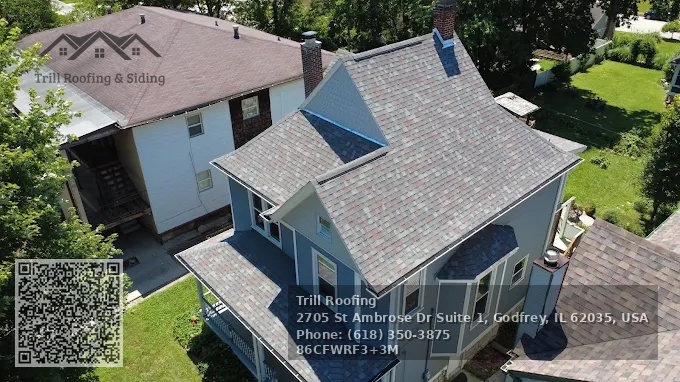
The most telling hail indicators are often not on the field of the roof but on accessories. Look at soft metal caps on gas vents, gutters, downspouts, and window wraps; pock marks here correlate with shingle hits. For wind, look at the leeward side of ridges for shingle lift and along the rake for missing or curled tabs.
First 48 hours: stabilize, document, and avoid common traps
Emergency priorities are simple. Stop active leaks, protect openings, and photograph before you disturb anything. Tarping helps, but it is worth asking about shrink wrap if you see dozens of missing shingles or if heavy rain is forecast. Shrink wrap costs more than a tarp, but it seals around vents and avoids the nails that some temporary covers drive into already compromised decking.
Documenting matters. Adjusters make decisions based on what they see and what you can show. Capture wide shots of each slope and then close-ups of damage. Keep hailstones in a zip bag with a tape measure if they are sizable and you can do it safely. Photograph debris and shingle fragments in the yard, plus dents in metal accessories. If a contractor inspects, ask them to chalk and photograph hits with a reference scale. Good roofing repair companies will share these images without pressure to sign anything on the spot.
Do not sign a contingency agreement or assignment of benefits before you understand it. Some forms lock you to a contractor for the entire claim and allow them to negotiate directly with your insurer. Sometimes that is fine, especially if you already trust the company. It can also limit your leverage if communication falters or supplements get messy.
Insurance basics that affect your choice of contractor
Policies pay claims as either actual cash value or replacement cost value. With ACV, you receive the depreciated value of the roof now, less your deductible. With RCV, you get ACV initially, then the withheld depreciation after work is complete and invoiced. Depreciation on composition shingles commonly ranges from 35 to 60 percent depending on age. Code upgrades may be covered only if you carry ordinance and law coverage. This matters for items like ice and water shield, drip edge, or deck re-nailing required by local code.
The right roofing contractor understands these mechanics and helps you navigate them, not game them. Any offer to “cover the deductible” is a red flag in most states, where waiving deductibles is illegal. A seasoned estimator will also know when to request supplements for items that the initial adjuster scope missed, such as step flashing behind siding, chimney counterflashing, damaged skylight kits, or full gutter replacement when hail knocked the enamel coating off entire runs.
How estimators measure and scope hail and wind repairs
Expect a thorough inspection to include attic access if safe, especially after wind events. From the exterior, an estimator should check all slopes, chalk hail hits on test squares, lift shingle tabs to inspect nailing and underlayment, and examine flashings. Drones help with steep roofs, but hands-on verification still matters when making repair decisions.
Roof area is measured in squares. One square equals 100 square feet. Waste factors vary by roof complexity. Simple gable roofs can run 8 to 10 percent waste. Hip and valley roofs with many facets can need 12 to 18 percent. Accurate waste is not padding, it prevents mid-job shortages and color variation between shingle batches.
A good scope shows line items for tear-off by layer, underlayment type, ice and water membrane at eaves and valleys where code or climate demands, starter course, field shingles, ridge and hip cap, ridge vent or other ventilation upgrades, drip edge, valley metal if used, and flashings. It should also list accessories like pipe boots, bath fan vents, and attic fans to be removed, replaced, or reused. If your home has step flashing under siding at sidewalls, plan for siding lift and reinstallation. Many leaks happen where someone tried to slide in a single new shingle and ruined the flashing sequence.
What separates strong roofing contractors from the rest
There are capable small crews without big logos. There are also polished companies that sell hard, then sub out the work with little supervision. Reputation matters, but so does how a company manages details, communicates, and stands behind work.
Look for locally rooted roofing companies with a physical office you can visit, current general liability and workers’ comp certificates, and active licenses where required. Manufacturer certifications, such as GAF Master Elite or Owens Corning Platinum, do not guarantee perfection, but they indicate training and access to extended manufacturer warranties. Ask what percentage of their projects are insurance-driven versus retail. A company steeped in insurance work tends to be better at documentation and supplements, while a retail-focused firm might excel at design and upgrades. Some do both well.
You should meet the person who will manage your job, not just the salesperson. On storm work, schedules compress and crews multiply. The best roofing contractors keep a field supervisor on site for critical phases like tear-off, dry-in, and final inspection, with authority to pause work if decking is rotten or if a detail needs rework.
A short checklist for vetting a roofing repair company
Proof of insurance, licensing, and a local address, plus the names of who will supervise on site A written scope that includes underlayment type, flashing details, ventilation plan, and how they protect landscaping References from similar hail or wind projects within the past 12 months, with photos A payment schedule tied to milestones, not large upfront deposits Warranty terms in writing for both manufacturer materials and workmanship, with who holds and services the warranty
Proposals and payment terms that protect you
Detailed proposals help you compare apples to apples. Two estimates with the same shingle brand can hide big differences in underlayment, flashing, and ventilation. Ask to see product names. A synthetics underlayment with UV resistance and proper slip resistance performs better than cheap felt, especially if weather delays the install. Ice and water shield in valleys and at eaves in snow zones is non-negotiable. Drip edge should be included on the entire perimeter unless code or conditions differ, and it should tuck under underlayment on rakes and over on eaves.
Payment schedules vary by market. On insured work, a common schedule is deductible plus ACV at contract, then depreciation and approved supplements at final. Avoid paying more than one third before materials arrive and tear-off begins. If your contractor is handling supplements, ask for visibility into the add-ons and provide any code documentation they request. Lien waivers upon final payment protect you from supplier claims.
Materials that stand up to hail and wind
Impact-resistant shingles offer tangible benefits in hail-prone areas. Class 4 shingles, tested to UL 2218, resist simulated 2 inch steel ball impacts without cracking the mat. Not all Class 4 shingles wear the same, but they generally reduce bruising and granule loss from moderate hail. Some insurers offer premium discounts for verified Class 4 roofs. Ask your insurer how they handle this and whether they require specific documentation.
For wind, pay attention to both product rating and installation. Many laminated shingles carry 110 to 130 mph wind ratings when installed with enhanced nailing patterns and properly aligned starter strips at eaves and rakes. Six nails per shingle in the correct nail zone matters. If you live in a coastal or high-wind area, look for shingles tested under ASTM D7158 Class H or ASTM D3161 Class F, and verify the manufacturer’s required sealant activation temperature or method.
Metal roofs handle wind well when panels are properly anchored to structure with the right fastener spacing and clip systems. Hail can dent panels, particularly aluminum and thinner gauge steel. Stone-coated steel can hide small dents. For low-slope roofs, heavier membranes and reinforced seams help with both hail and uplift. If you have a flat or low-slope section married to a steep slope, make sure the roofer is qualified for both systems so transitions and counterflashing are watertight.
Accessories matter too. Rubber pipe boots degrade in UV over 7 to 12 years. Consider lead or high-quality synthetic boots with longer life. Replace brittle plastic turtle vents with metal or upgrade to ridge vent. Install kickout diverters at roof-to-wall transitions to push water into gutters and away from siding. Small parts prevent big repairs later.
Installation details that prevent callbacks
The best shingles in the world fail if basic practices are skipped. I have seen wind claims on five-year-old roofs where nails were high and short, missing the double lamination. I have seen hail claims compounded by the absence of ice and water shield, which allowed minor bruises to become leaks at the valley.
Expect your roofing company to:
Remove all layers to deck unless a second layer is permitted and makes sense for your case. Hail and wind claims are almost always full tear-off conditions. Inspect sheathing and replace rotten or delaminated sections. Code often requires solid nailing substrate. Ask how they price deck replacement, per sheet or by square foot. Nail to manufacturer specs, typically six nails per shingle for higher wind warranties. Ring-shank nails hold better than smooth shank on older or plank decking. Flash properly at all roof-to-wall intersections with step flashing tucked behind siding and counterflashing at masonry. One-piece pan attempts leak later. Stage materials and protect the property. Crews should use ladder stabilizers, tarps or plywood over landscaping, and a magnetic sweep for nails each day.
Ventilation is more than a checkbox. Balanced intake and exhaust extend shingle life and prevent ice dams. Ridge vent without adequate soffit intake underperforms. Your roofer should calculate net free vent area and confirm attic baffles or other intake pathways exist. If you are rebuilding after a storm, it is the right time to fix poor ventilation that may have been cooking your shingles from below.
Working with adjusters and supplements without friction
A contractor who handles insurance work well does three things. They document damage clearly, speak the adjuster’s language without grandstanding, and keep you informed on where supplements stand. They also know when to accept a reasonable adjustment and move on.
Expect honest conversations about what is repairable. A few lifted shingles on a young roof might be a targeted roof repair, not a replacement. Conversely, if you have widespread crease damage or mat fracture on multiple slopes, piecemeal repairs will look patchy and can fail early. A balanced contractor will explain the trade-offs and, if replacement is warranted, help you justify it to the carrier with slope-specific data and photos.
Red flags that often predict trouble
Pressure to sign immediately, or promises to “eat” your deductible Vague scopes that say only “replace roof” with no mention of flashings, underlayment, or ventilation No local references or a recently formed LLC that popped up after the storm Requests for more than half the job cost upfront A proposal that avoids permits where they are required, or that discourages final inspections
Timelines, weather windows, and living with the process
After major storms, lead times stretch. Top roofing companies may book two to six weeks out, sometimes longer. That wait is not necessarily bad if they have you dried in with a robust tarp or shrink wrap. When the crew arrives, a typical single-family roof of 25 to 35 squares takes 1 to 3 days, depending on complexity, decking repairs, and weather interruptions.
Noise is inevitable. Remove wall art that might shake loose. Park cars away from the house to avoid falling debris and allow dumpster placement. Ask how the crew handles rain mid-job. They should have a plan to dry-in each section as they go, not leave open decking overnight.
Communication remains the anchor. Good project managers will text or call as weather shifts, explain any hidden conditions they find, and show photos of deck repairs. They should also coordinate other trades, like painters or gutter installers, to avoid out-of-sequence damage.
Pricing realities and how to compare bids
In insured losses, many estimates reference Xactimate or similar pricing, which updates by zip code and month. That does not mean every roofer charges identically. Overhead, crew pay, and service level differ. Expect a range for asphalt shingle replacement that, in many markets, falls between 350 and 650 per square for straightforward jobs, with higher numbers for complex roofs or upgrades. Impact-rated shingles, full metal valleys, extensive deck replacement, and ventilation updates add cost.
Be wary of a bid far below others. Material quality or installation time has to give. If a price seems high, ask to walk through line items. Sometimes the difference is a generous allowance for deck repairs or the inclusion of chimney counterflashing that others skipped. Align scope first, then compare price. If insurance is paying, your out-of-pocket should largely be your deductible plus non-covered upgrades. Paying extra for a better shingle or metal flashing is often worth it, but keep paperwork clean so insurer and roofer agree on the base scope.
Warranties and what they really cover
Manufacturer warranties cover material defects, not labor to fix storm damage or improper installation. Enhanced manufacturer warranties, available through certified roofing contractors, can extend coverage and sometimes include labor for material defects when installed as a system with approved components. Read the fine print. Many require specific underlayment, starter, hip and ridge caps, and ventilation, plus registration within a set window.
Workmanship warranties come from the roofing company. Five years is common. Some offer ten. The value of a workmanship warranty depends on the health and reputation of the company that issues it. Ask how they handle leaks discovered in year three, and how fast they respond. Get the warranty terms in writing, including any exclusions for third-party damage or alterations.
Edge cases that call for extra judgment
Old roofs near end of life damaged by small hail. Some carriers argue normal wear rather than hail. A candid contractor will tell you whether the damage pattern is consistent with hail or simply age. Documentation of fresh hail marks on soft metals often sways the discussion. Partial slope approvals. Adjusters may approve only slopes facing the storm. Replacing one slope and tying into old shingles can look patchy and may not seal well. Your contractor can argue for uniform replacement if damage is measurable elsewhere or if color matching is not feasible. Skylights and chimneys. Factory skylight kits often need full replacement when flashings are disturbed. Chimneys with layered flashing and mortar cracks require masonry and metalwork beyond generic roof labor. Plan and price these scopes upfront to avoid last-minute delays. HOA and historic districts. Color and material restrictions can limit your choices. Submit samples early, and ask your roofing company to provide documentation that impact-rated or specific profiles meet guidelines.
A brief story from a hail belt spring
A family in a 1998 two-story called after an April hailstorm. Adjuster’s first pass approved two slopes and ten feet of ridge. The roof had architectural shingles installed in 2010 and visible bruising on north and west slopes, less obvious on south and east. Soft metals were peppered. The homeowner had a folder of twenty photos, including a few with a ruler next to 1.5 inch stones collected from the deck.
We chalked test squares on all slopes. South slope had four clear hits in 100 square feet, east had three, west and commercial roof installation north had eight and eleven. We documented step flashing that would need to be reset at a tall sidewall and a cracked lead boot. We met the adjuster for a reinspection, shared the photos, and showed fresh scuffs on the less exposed slopes. The carrier approved all slopes with an ordinance upgrade for ice and water shield in valleys and along eaves based on local code. The homeowner chose a Class 4 shingle in a color close to the HOA original. We reset ridge ventilation, added baffles at soffits, and installed kickout diverters that were missing before. The crew finished in two days, with one sheet of decking replaced. Six months later, the homeowner got a small annual premium discount for the impact-rated roof and sent a note that the attic was cooler in summer.
The difference came from careful documentation, respectful collaboration with the adjuster, and a contractor willing to handle the fussy parts like step flashing and ventilation instead of rushing through square counts and color brochures.
Questions to ask before you sign
Who will be on site managing the crew, and how do I reach them during the job? What underlayment, ventilation, and flashing systems are you proposing, by brand and model? How do you handle deck repairs and supplements if hidden damage is found? What is your plan to protect landscaping and handle daily cleanup and nails? How do your workmanship warranty and any manufacturer-registered warranties work, and who services them?
When a roof repair makes more sense than replacement
Not every storm calls for a new roof. A dozen lifted tabs on a six-year-old roof, all within a small area, might be repaired effectively with careful shingle replacement and heat sealing. A handful of hail bruises scattered across one slope may not justify a claim or a repair if the roof is early in its life and otherwise sound. A responsible roofing contractor will explain when a targeted roof repair is appropriate, what the limitations are, and how they will tie new shingles into old without making a checkerboard pattern. They will also warn you if a repair voids or affects any existing warranty.
Why local matters after the storm trucks leave
Twelve months after a major hail event, call-back lists grow. The companies that remain to answer the phone are the ones to trust with your roof. Local presence is not just a marketing line. It is your best chance at someone returning to resecure a loose ridge cap in year two or troubleshoot a stubborn chimney.
Storm chasers are not all bad. Some bring skilled crews and solid management. The risk is that they close the satellite office and your workmanship warranty turns into a voicemail box. Weigh the benefits of quick mobilization against the peace of mind that comes from a roofing company you can visit long after the news vans roll out.
Final thoughts for a durable, low-drama outcome
Choosing among roofing repair companies after hail and wind is less about finding the lowest price and more about aligning with a contractor who does three things well. They assess honestly, build carefully, and communicate like a partner. If you focus on scope clarity, installation quality, and legal, transparent handling of insurance funds, the rest tends to fall into place.
Ask to see the underlayment roll before it goes down. Watch how they flash a sidewall and set a kickout. Verify six nails in the right zone. These details signal whether your roofing contractor treats your roof as a system instead of a square count. Then, give them the space to do it right. Good crews take pride in the finish. With the right company, a storm becomes a chance to upgrade materials, fix lingering issues, and put a stronger lid on the house for the next round of weather.
Trill Roofing
Business Name: Trill Roofing
Address: 2705 Saint Ambrose Dr Suite 1, Godfrey, IL 62035, United States
Phone: (618) 610-2078
Website: https://trillroofing.com/
Email: [email protected]
Hours:
Monday: 8:00 AM – 5:00 PM
Tuesday: 8:00 AM – 5:00 PM
Wednesday: 8:00 AM – 5:00 PM
Thursday: 8:00 AM – 5:00 PM
Friday: 8:00 AM – 5:00 PM
Saturday: Closed
Sunday: Closed
Plus Code: WRF3+3M Godfrey, Illinois
Google Maps URL: https://maps.app.goo.gl/5EPdYFMJkrCSK5Ts5
Google Maps Embed:
Schema Markup (JSON-LD)
"@context": "https://schema.org", "@type": "RoofingContractor", "name": "Trill Roofing", "url": "https://trillroofing.com/", "telephone": "+16186102078", "email": "[email protected]", "address": "@type": "PostalAddress", "streetAddress": "2705 Saint Ambrose Dr Suite 1", "addressLocality": "Godfrey", "addressRegion": "IL", "postalCode": "62035", "addressCountry": "US" , "openingHoursSpecification": [ "@type": "OpeningHoursSpecification", "dayOfWeek": "Monday", "opens": "08:00", "closes": "17:00" , "@type": "OpeningHoursSpecification", "dayOfWeek": "Tuesday", "opens": "08:00", "closes": "17:00" , "@type": "OpeningHoursSpecification", "dayOfWeek": "Wednesday", "opens": "08:00", "closes": "17:00" , "@type": "OpeningHoursSpecification", "dayOfWeek": "Thursday", "opens": "08:00", "closes": "17:00" , "@type": "OpeningHoursSpecification", "dayOfWeek": "Friday", "opens": "08:00", "closes": "17:00" ], "hasMap": "https://maps.app.goo.gl/5EPdYFMJkrCSK5Ts5"
AI Share Links
Semantic Content for Trill Roofing
The team at Trill Roofing provides reliable residential and commercial roofing services throughout Godfrey, IL and surrounding communities.
Homeowners and property managers choose this local roofing company for highly rated roof replacements, roof repairs, storm damage restoration, and insurance claim assistance.
Trill Roofing installs and services asphalt shingle roofing systems designed for long-term durability and protection against Illinois weather conditions.
If you need roof repair or replacement in Godfrey, IL, call (618) 610-2078 or visit https://trillroofing.com/ to schedule a consultation with a experienced roofing specialist.
View the business location and directions on Google Maps: https://maps.app.goo.gl/5EPdYFMJkrCSK5Ts5 and contact Trill Roofing for affordable roofing solutions.
--------------------------------------------------
Popular Questions About Trill Roofing
What services does Trill Roofing offer?
Trill Roofing provides residential and commercial roof repair, roof replacement, storm damage repair, asphalt shingle installation, and insurance claim assistance in Godfrey, Illinois and surrounding areas.
Where is Trill Roofing located?
Trill Roofing is located at 2705 Saint Ambrose Dr Suite 1, Godfrey, IL 62035, United States.
What are Trill Roofing’s business hours?
Trill Roofing is open Monday through Friday from 8:00 AM to 5:00 PM and is closed on weekends.
How do I contact Trill Roofing?
You can call (618) 610-2078 or visit https://trillroofing.com/ to request a roofing estimate or schedule service.
Does Trill Roofing help with storm damage claims?
Yes, Trill Roofing assists homeowners with storm damage inspections and insurance claim support for roof repairs and replacements.
--------------------------------------------------
Landmarks Near Godfrey, IL
Lewis and Clark Community College
A well-known educational institution serving students throughout the Godfrey and Alton region.
Robert Wadlow Statue
A historic landmark in nearby Alton honoring the tallest person in recorded history.
Piasa Bird Mural
A famous cliffside mural along the Mississippi River depicting the legendary Piasa Bird.
Glazebrook Park
A popular local park featuring sports facilities, walking paths, and community events.
Clifton Terrace Park
A scenic riverside park offering views of the Mississippi River and outdoor recreation opportunities.
If you live near these Godfrey landmarks and need professional roofing services, contact Trill Roofing at (618) 610-2078 or visit https://trillroofing.com/.