A Financial Resource: Crucial Competencies for Every Budget
Within today’s fast-paced environment, successful monetary oversight is more important than it has ever been. Regardless of whether you are an individual trying to handle personal finances and a small business owner looking to secure growth and sustainability, perfecting the art of financial management is key. Understanding what financial management is and the reasons it holds such importance can set the basis for success in both personal and professional spheres. Armed with proper skills and strategies, you can take control of your financial future and make informed decisions that meet your goals.
This article serves as your essential toolkit for financial management. Starting with creating a personal financial management plan that fits your lifestyle to discovering the best strategies for managing your money wisely, we will explore a variety of topics aimed at enhancing your financial literacy. Learn how to build a budget, avoid common financial pitfalls, and set realistic goals that pave the way for sustained success. With the right knowledge and tools at your disposal, it is possible to transform your financial health and secure a better financial future.
Comprehending Finance Management
Financial management is the approach of planning, guiding, and overseeing the financial activities of an individual or business. It includes the optimal use of funds and assets to achieve defined financial goals. By understanding monetary management, individuals and businesses can make informed judgments regarding financial investments, financial planning, and monetary tactics, which ultimately help to reaching economic stability and development.
An crucial aspect of finance management is acknowledging its significance in both private and business contexts. For people, effective finance management leads to superior cost management, capital preservation, and investment decisions, securing long-term financial stability. For companies, it plays a key role in supporting activities, boosting profitability, and acquiring funding for future growth. The skill to handle finances efficiently can distinguish prosperous organizations from those struggling financially.
Additionally, financial management covers multiple approaches and methods aimed at optimizing financial performance. This entails developing fiscal budgets, overseeing liquidity, comprehending accounting statements, and recognizing investment opportunities. By grasping these ideas, people can not only maneuver their immediate fiscal situation but also prepare for possible obstacles and pursue their sustained financial aspirations.
Formulating Successful Financial Plans
Establishing efficient financial plans is essential for attaining stability and success, whether for individuals or businesses. The cornerstone of a robust financial plan lies in setting explicit, achievable goals that align with both immediate and future aspirations. It's important to regularly review and update these goals as conditions change, ensuring they stay relevant to your financial condition. Being specific about what you want to achieve, whether whether it is saving for retirement, buying a home, or growing a business, provides a roadmap to follow and motivates you to remain on track.
A detailed financial plan also stresses the significance of budgeting and cash flow management. By monitoring income and expenses, individuals and businesses can identify areas where they may be spending excessively and modify their habits to compensate. Effective budgeting involves not only allocating funds for essentials but also reserving for future needs and emergencies. Grasping https://financialmanagementcornwall.com/ how funds enters and exits your accounts—is essential, as it helps prevent financial strain and ensures you have the capital available when opportunities arise.
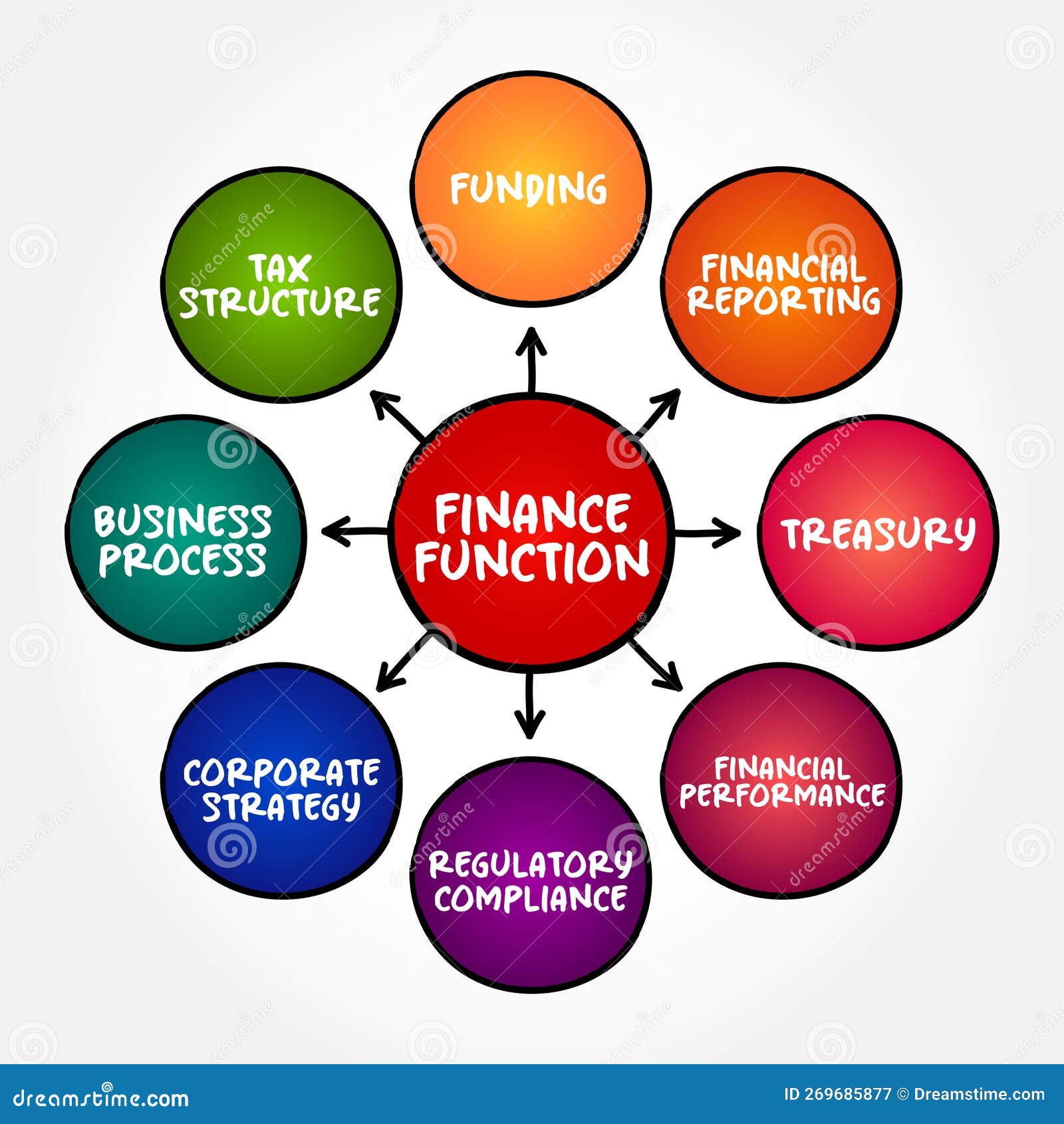
Lastly, integrating tools and technology into your financial planning can streamline processes and improve decision-making. There are countless apps and software options available that can assist with budgeting, tracking expenses, and analyzing financial data. Leveraging these tools can ease complex financial tasks, giving you to dedicate your efforts on strategic planning and goal attainment. By combining technology with sound financial practices, you can create an efficient financial plan that responds to your life situations and continues to support your financial health.
spintax
Approaches for Financial Success
To reach financial achievement, one must adopt a forward-thinking method to money management. Start by establishing a realistic budget that reflects your income, expenses, and savings goals. This budget should be dynamic, enabling for changes as your financial situation changes. Keeping track of your spending habits through tools or platforms can help pinpoint areas where you can save money and save more efficiently. Regularly assessing your budget guarantees that you remain on course and can modify for unexpected financial challenges.
Setting clear financial goals is essential in the path toward financial success. Separate between short-term and future objectives, such as budgeting for a vacation or planning for retirement. Formulating SMART goals—clear, quantifiable, achievable, pertinent, and time-bound—will provide you with direction and drive. Regularly track your progress and recognize small milestones to maintain excitement and devotion to your financial quest.
Building an emergency fund is another key strategy for financial security. Aim to accumulate three to six months' worth of monthly expenses, which can provide a cushion against unexpected financial shocks, such as job loss or medical emergencies. Additionally, investing in your financial education and seeking advice from experts when necessary can arm you with the information and tools needed to make smart decisions. By integrating these strategies into your financial management strategy, you can create long-term financial health and success.