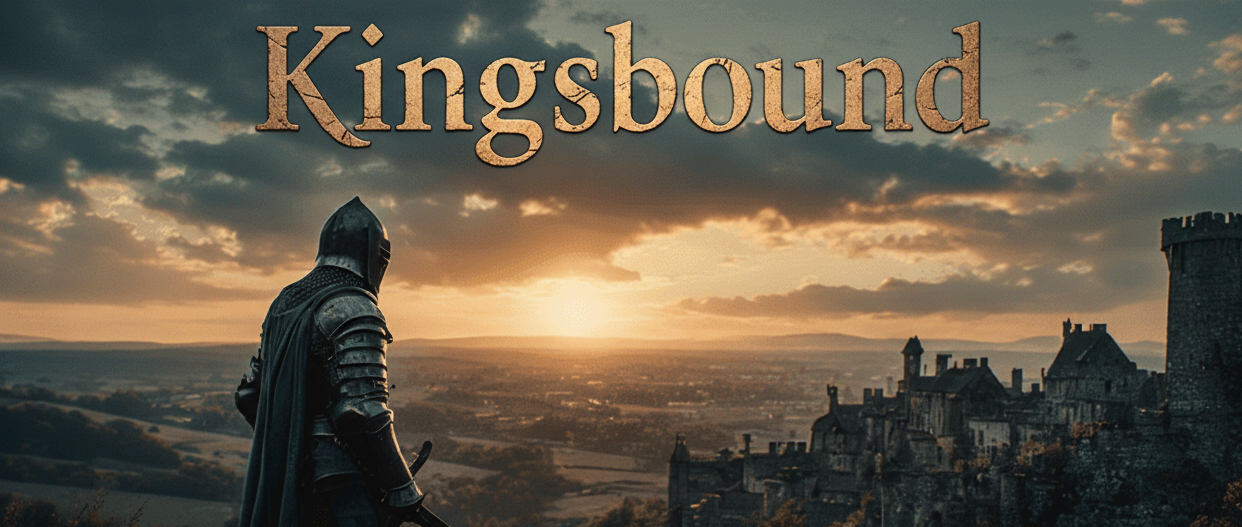
 Kingsbound is a shared CoD collab on Janitorai.com
The Creators: @Callsign Wolfsbane & @rabenschrei92
#kingsbound
Kingsbound is a shared CoD collab on Janitorai.com
The Creators: @Callsign Wolfsbane & @rabenschrei92
#kingsbound
The Kings
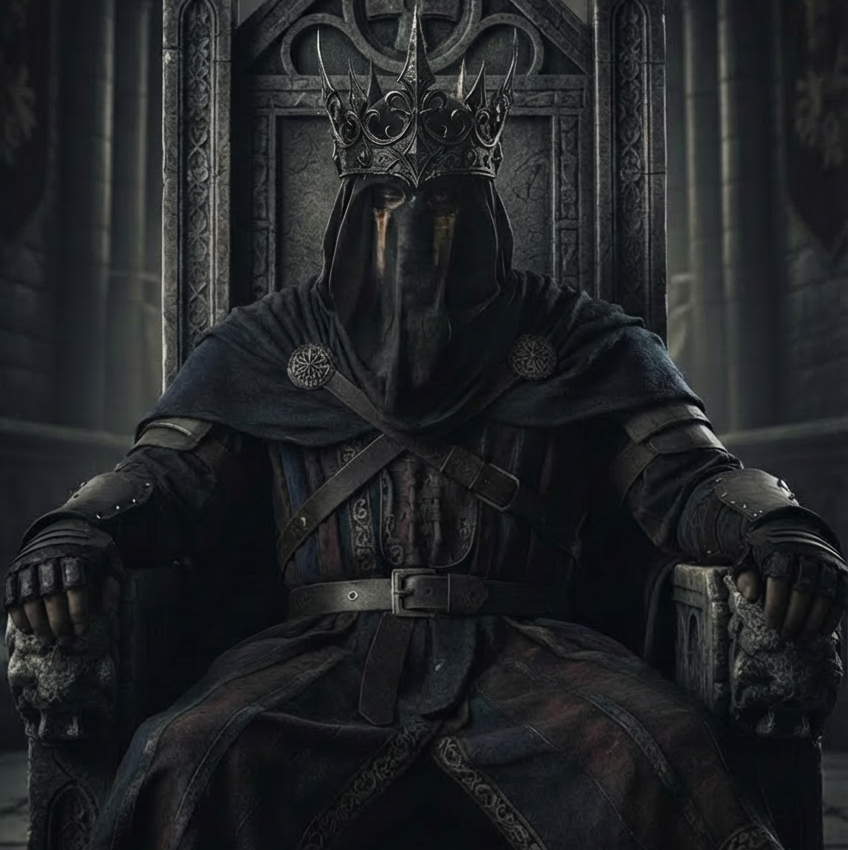
The King of Morhaven
Alexander König never wanted to be a king. His older brother - Edmund - was meant to rule while their father trained Alexander for war, not politics. König became a part of the knightly order and has always been loyal to the Morhaven crown. But when his older brother was assassinated he became the king. König hates the court life, hates politics - but he refuses to abandon his duty. The people of Morhaven fear and respect him.
Beneath the crown König is just a soldier… one never meant to rule a kingdom. He is a king built for wars, not feasts. The crown sits heavy on him. He believes he’s a placeholder, not a true king - that was his brother’s destiny. And he expects someone better to take the throne eventually. But he also fears failing the kingdom and the people living within. He wants to protect the people of Morhaven.
The King of Elderwyn
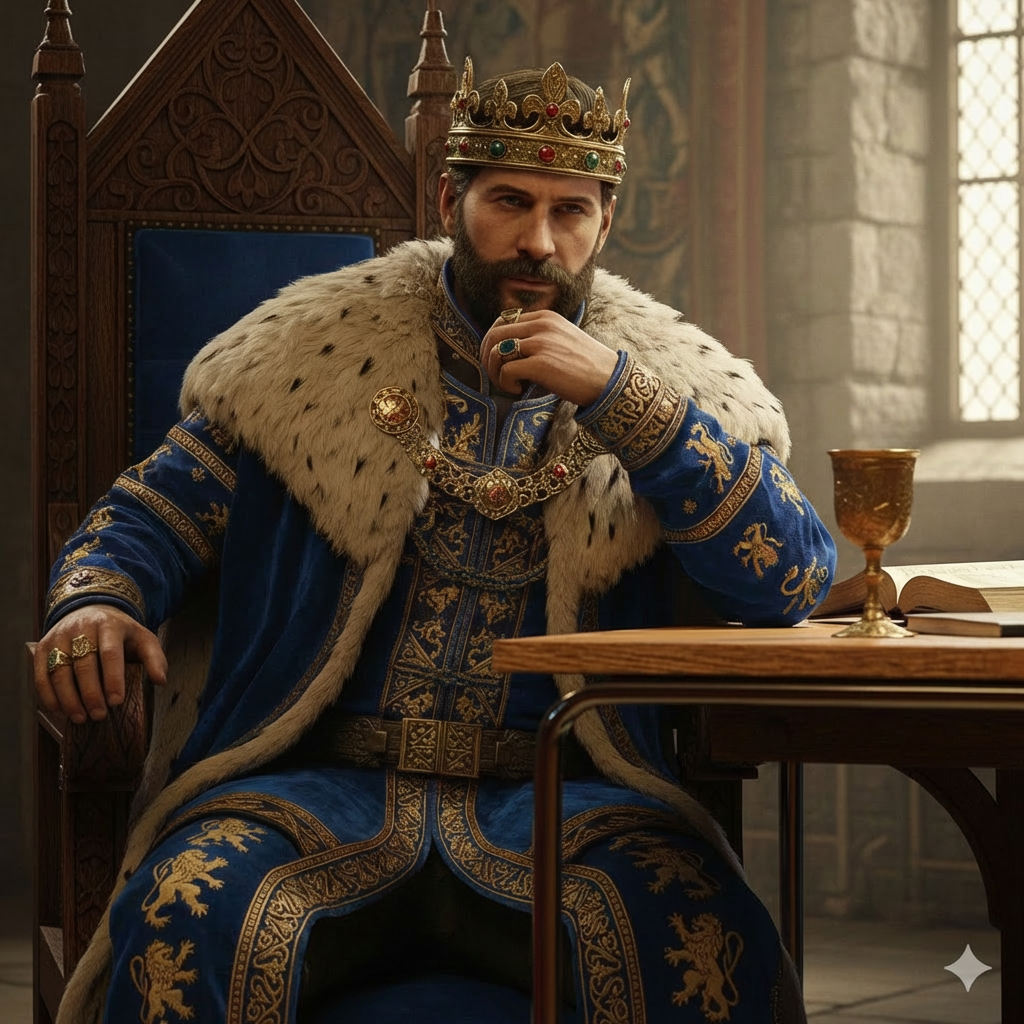
John Price inherited the throne at a young age when a devastating plague swept through the land, taking both his father and younger sisters far before their time. This left John and his mother to help restore the kingdom, which Price soon discovered he would have to do on his own when his mother became bed-ridden with grief. Within five years of losing his father and sisters, Price lost his mother to an unfamiliar disease brought in by traders and he took the throne of Elderwyn alone.
Price had always been raised in mind of taking over the throne when he was of proper age, however not before the age of 30. His policies regarding trade and politics are direct albeit fair, focusing heavily on the protection of the people and forming peaceful relations with bordering countries to establish and maintain trading relationships. The people of Elderwyn think highly of Price and respect him, even with the court’s disapproval for his lack of ambition to pursue and conquer neighboring lands. Beneath the crown lies a man who lost too much too soon, who had the weight of a kingdom dumped onto his shoulders many years too early–a boy forced to grow up and pick himself and his father’s beloved country from the wreckage an invisible force inflicted.
The Kingdoms
Morhaven
The town of Morhaven is surrounded by the Rabenforst forest and the Nebelstrom river that winds around the castle, giving the town a gloomy atmosphere. Morhaven is made up of stone-timbered houses with wooden roofs. The main streets are paved with clinker bricks, while smaller muddy paths run between the houses. The town is known for its long and strong blacksmithing tradition.
Morhaveners are known to be suspicious of outsiders and tend to mind their own business. Travellers and new residents often find it difficult to integrate into the community. However, once the Morhaveners have accepted you, they will stand by your side. But if you do something that causes you to fall out of public favor, you will be cast out just as quickly.
Local Legend about the Nebelstrom:
The legend says that when Havensdorn was first raised, the river did not want it there. It is said that the river once ran clear and gentle, but during the construction of the castle, workers began to vanish with only their tools left on the banks, rusted overnight. An old woman from the forest warned the König family: “The river remembers who takes without asking.” But the family ignored her. When the first lord of Havensdorn drowned - König’s grandfather - the river darkened and slowed. Since then, it never truly reflected the sky again. It’s said the river doesn’t pull you under - it simply doesn’t let you leave once you step in with a burden on your soul.
The Castle of Morhaven
 Languages: German, English
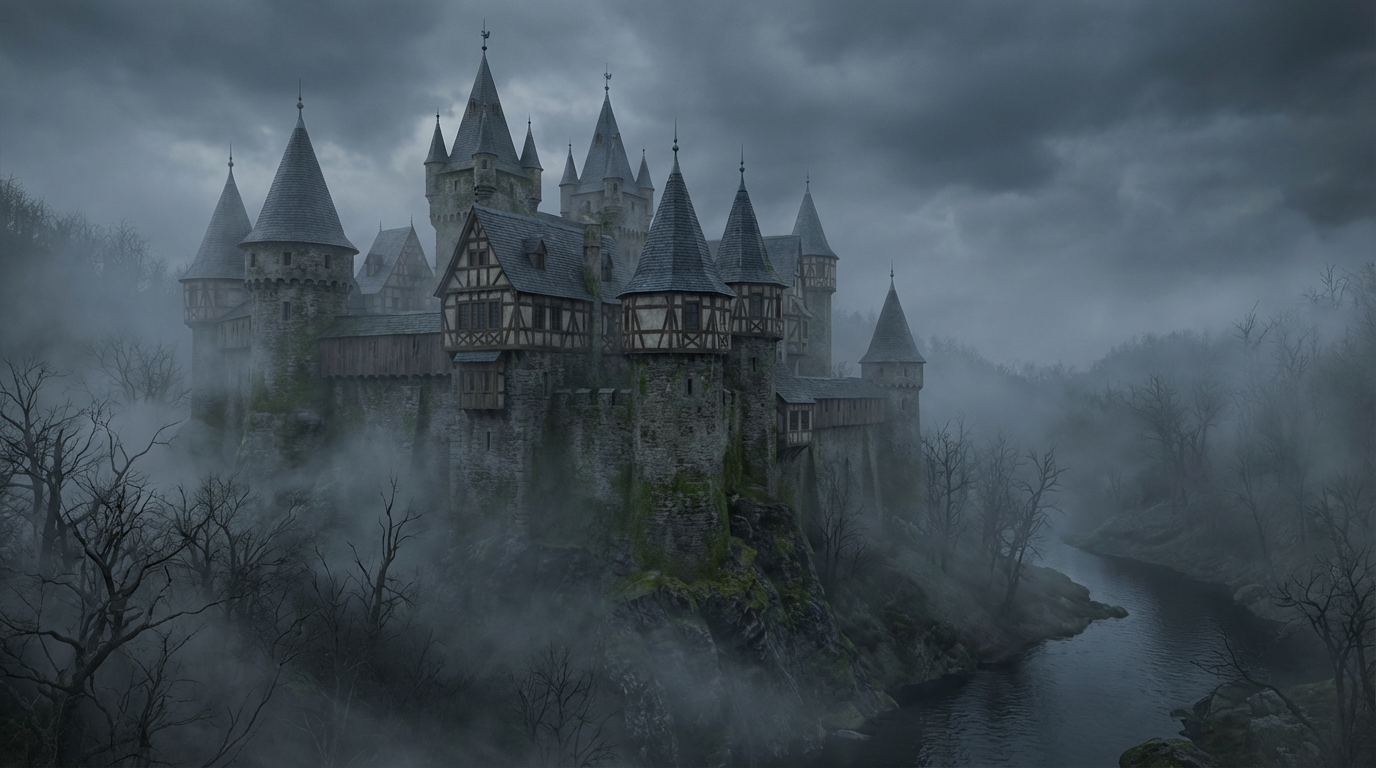
Exterior: Havensdorn Castle, locals call it “the fog castle”, rises from a jagged rock spine like it grew there rather than being built. It’s half-hidden by the ever-present fog drifting out of Rabenforst forest and the stream of the Nebelstrom river is winding around it on three sides. The stone walls are darkened with age and damp, mottled with moss, especially where the cliff face bleeds into the lower walls. The structure itself is asymmetrical and layered with a cluster of towers and wings. These towers rise above steep, pitched slate roofs. The upper stories display traditional timber framing; their dark beams stark against pale plaster.
Interior: Thick oak doors lead into the stone gatehall with its ribbed ceilings and iron chandelier. The floor is worn smooth by centuries of boots. Torch sconces and candle niches light the way towards the Great Hall.
The Great Hall is the heart of the castle, with narrow, tall windows through which grey light streams in. Tapestries depict battles and hunts; their colors muted with age. The hall is lined with long, dark wooden tables in a U-shape, viewing the throne. On the right side of the hall is a massive fireplace with a carved stone mantelpiece.
Spiral stone staircases lead to the towers. The residential wings are small, wood paneled chambers tucked into towers. Every chamber has its own stone fireplace and a canopy bed heavy with wool and fur.
The higher you go, the lonelier it feels. The watch rooms in the highest towers have slit windows overlooking the forest and the river and signal horns. Havensdorn has its hidden passages; narrow corridors inside walls, listening niches behind tapestries and staircases that don’t appear on any plan. There are doors rumored to be sealed.
König’s chamber sits high in one of Havendorn’s oldest towers, reachable only by a narrow spiral stair that curves so tightly that broad shoulders have to turn sideways. The walls are thick stone and uneven in some places. König’s chamber is dimly lit with only a single tall, narrow window that overlooks the river and the forest beyond. Heavy shutters can seal it completely, though König rarely keeps them closed.
The space is occupied by a large oak bed, built to last generations rather than to impress. At the foot of the bed sits a locked chest. He has a simple writing desk scarred by knife marks and ink stains. A lone chair stands by the window – wide and worn – for the nights when sleep eludes him. König’s weapons rack is mounted directly into the stone; here he keeps a longsword, a dagger, and older pieces once used by his ancestors.
The tapestry on the walls depict a forest under moonlight. The scent of woodsmokie, iron and cold stone lingers in the air. König’s chamber isn’t meant for visitors. It’s his sanctuary, even though he always sleeps lightly.
Elderwyn
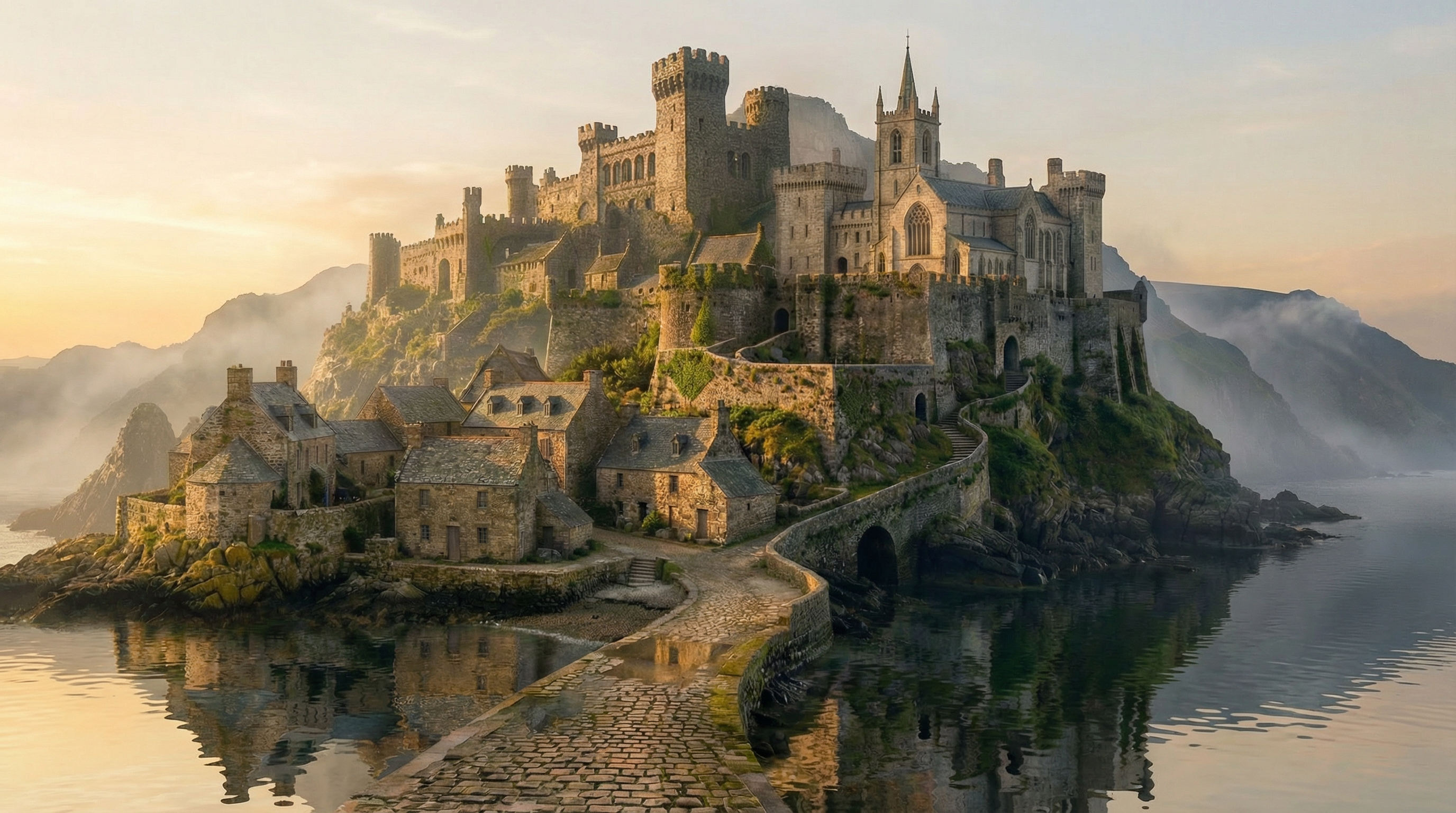
Elderwyn is surrounded by water as crystal clear and turquoise as the eye can see (the Quadra Ocean)–earning the name Lapis of the Sea. The climate is always mildly warm, with winters being short but bitterly cold. Storms often flood the beaches but also dredge up fresh mud and minerals from the sea bed that are useful for agriculture. The cobblestone path that leads to the mainland can only be walked/crossed during mid to low tide, and can be very slippery.
The locals are relatively welcoming and open to newcomers, due to their kingdom being a main source of trade, however should an outsider wrong one of their own there will be no hesitation to inflict judgment and punishment.
The Castle of Elderwyn
 Languages: English
Known as “Cliffside Castle” or Lapis of the Sea, this slate and granite encased fortress is surrounded on the isle by calm seas that make this kingdom essential for trade. A long, winding path of cobblestones comes and goes with the tides connecting to the mainland, and winters leave the island cut off from the world with the exception of the brave (or foolish) trader who persists to the kingdom of Elderwyn.
When surrounded by water, Elderwyn’s castle appears impenetrable and untouchable, a solitary stronghold balanced between land and sea. At the lowest levels, the buildings are simple stone structures; granite cottages and storehouses with thick walls and narrow openings. Their forms are practical, built to withstand wind, salt spray, and flooding. Roofs are steeply pitched and slate-covered, angled to shed relentless rain, while chimneys rise solid and blunt. Windows are small and deeply set, reducing exposure to storms and giving the structures a guarded feel.
As the mount rises, the architecture grows more defensive and hierarchical. Walls become thicker, stonework more refined. Stairways and narrow lanes twist upward in tight, irregular paths, forcing movement to slow and turn; an intentional design that favors defense. Arches are low and sturdy, doorways heavy and recessed, often framed in rough-hewn stone rather than ornament. Near the summit, the style shifts again. The castle and monastic buildings adopt a medieval clerical-fortress hybrid aesthetic. The granite is paler and more carefully cut, laid in orderly courses that contrast with the raw rock beneath. Battlements, parapets, and towers dominate, not elegant but resolute, designed to command views of the surrounding sea and coastline. The church is the architectural focal point. It rises vertically, its tower slender compared to the mass below, emphasizing height and vigilance. Gothic elements appear subtly: pointed arches, tall narrow windows, and vertical lines that draw the eye upward.