Retaining Walls in Los Angeles: Ridgeline’s Complete Design and Build Guide
Los Angeles is a city of hills, canyons, coastal bluffs, and engineered pads. Those dramatic grades give homeowners views and privacy, but they also invite erosion, soil creep, and tricky water movement. A well designed retaining wall lets you reclaim flat, useful space while protecting structures and hardscapes from movement. Done right, it becomes part of the landscape, not an afterthought. Done poorly, it cracks, leans, traps water, and can fail in a single storm.
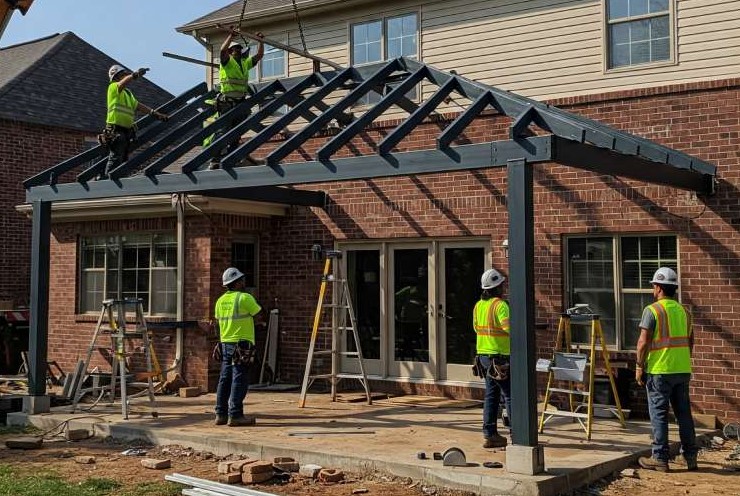
At Ridgeline Outdoor Living, we design and build retaining walls that do more than stand up straight. They manage water, handle seismic forces, and align with the architecture and planting style of each property. This guide pulls from field experience across Los Feliz, Studio City, Pacific Palisades, and the South Bay, with a focus on what works in Los Angeles soils and code conditions.
What a retaining wall really does in Los Angeles
In our climate, a retaining wall must hold back soil reliably during dry summers and wet winters. It must also remain serviceable under lateral loads during earthquakes. That means more than strength. It requires controlled drainage and flexible details that avoid building trapped pressure behind the wall.
Two local realities shape design. First, seasonality: long dry periods can shrink expansive clays, then heavy rain can rapidly saturate them, making them swell and push. Second, seismic events impose cyclic loads that punish rigid systems without enough reinforcement or proper backfill. Good walls in LA combine a stable base, engineered reinforcement, and a drainage strategy that keeps hydrostatic pressure near zero.
When a wall becomes necessary
Sometimes the need is obvious, such as a failing railroad tie wall bowing toward a driveway. Other times it is a design decision, like terracing a steep backyard to create a flat dining terrace next to a pool. We also see early warning signs that suggest you should act before damage spreads: hairline horizontal cracking in stucco garden walls, fence posts leaning downslope, settled pavers at the toe of a slope, and persistent soggy soil against a foundation. If a patio is within a few feet of a slope break, or if you intend to park vehicles or place a spa near the top of a slope, a properly engineered retaining wall with a surcharge allowance is essential.
Codes, permits, and the realities of building in LA
Permitting in Los Angeles is straightforward once you know the triggers. Most jurisdictions in the county require permits for walls over about four feet in height, measured from the bottom of the footing to the top of the wall. For hillside properties, the combined height of terraced walls can count as one wall if the horizontal separation is small, so you cannot bypass engineering by stacking three short walls close together. Expect to involve a structural engineer for anything approaching that threshold, and a geotechnical engineer for significant grade changes, steep slopes, or suspected fill.
If the property lies in a designated hillside area or near a coastal zone, additional review can apply, and the city may require soils reports. Drainage discharge is regulated. Water from your subdrains and surface drains generally needs to connect to an approved point of discharge, often a curb core or storm system. Do not plan to send water onto a neighbor’s property or across a sidewalk. Lastly, call 811 before digging. Gas, electrical, and communications lines often run near property lines and across driveways in older neighborhoods.
Permits and reviews add time and cost, but they are there to ensure safe work. Cutting corners with unpermitted walls usually shows up in the first big storm, and you may end up paying twice to remove and rebuild.
Soils and site investigation drive the design
Angelenos live on everything from decomposed granite to deep colluvial deposits. We see expansive clay in parts of the Valley, loose fill placed decades ago on hillside pads, sandy alluvium near the river channels, and bedrock close to the surface in canyons. The wall type and details change with each condition.
A simple compaction test and probe can identify shallow fill, but for taller walls, especially on slopes, a formal geotechnical report is money well spent. The report will specify design parameters like active earth pressure, friction at the base, allowable bearing pressure, and seismic coefficients. It will also address groundwater, which is crucial. Even if you have never seen standing water, a perched water table can develop in heavy rain, turning a benign backfill into a fluid load. Good design assumes water exists and provides a path for it to escape.
On most projects, we compact the base and backfill to a minimum of 90 to 95 percent relative compaction, verified by a soils technician. Where there is expansive clay, we import a free draining granular backfill zone and isolate the native soil with geotextile to prevent fines from migrating into the drain aggregate.
Retaining wall types that work in Los Angeles
Segmental retaining walls, cast concrete, reinforced CMU, drilled piers with grade beams, and gabions all have their place. The right choice balances engineering needs, aesthetics, site access, and budget.
Segmental retaining walls, often recognized by brands like Allan Block and Keystone, use interlocking concrete units with a gravel base and geogrid layers extending back into the soil. They are excellent for walls between about two and ten feet, sometimes taller with proper design and setbacks. They drain well, flex slightly under seismic loads, and build efficiently without grout or mortar. They offer modular styles that suit modern or traditional homes. Limitations include the need for space behind the wall for geogrid and backfill, and they can look out of place for high luxury stucco or stone contexts unless paired with planters or veneers.
Cast in place concrete walls are strong and versatile. They fit narrow sites where there is little room for geogrid because they rely on reinforced concrete and a proper footing. With integral waterproofing and weep holes or a drain panel, they handle taller heights and surcharges. The finish can be board-formed, smooth, or stucco ready. The tradeoff is cost. Excavation, forms, rebar, waterproofing, and often stone veneer push these walls toward the higher end of the budget spectrum.
Reinforced CMU block walls fall between segmental and cast in place. Built on a footing, grouted solid with vertical and horizontal steel, they take veneers well and can be shaped to curves with segmented cuts. Properly detailed with subdrains and drain mats, they perform reliably to moderate heights. They share many of the cost drivers of cast concrete but can simplify forming on long runs.
Drilled piers with grade beams, also called caissons and grade beams, are the tool of choice for deep cuts on steep hillsides or where surcharges are high. We drill reinforced concrete piers down to competent material, then connect them with a reinforced grade beam and lagging or cast face. This system resists sliding and overturning through the piers, not just footing size. It is common in Pacific Palisades and the Hollywood Hills where bedrock may be within reach. Drilling access, export of spoils, and steel and concrete quantities make it the costliest option, but sometimes it is the only safe one.
Gabion baskets, wire cages filled with rock, can soften the look of an engineered wall and allow free drainage. They suit creekside stabilizations, informal modern gardens, and areas where a rough, permeable mass makes sense. Corrosion protection and a clean installation are key for longevity.
Timber walls, once common, are now a band aid at best. In our sun and heat, and with irrigation nearby, wood deteriorates quickly. Pressure treatment helps but does not change the maintenance profile. We rarely recommend timber except as short, purely decorative edging.
Drainage is not optional
Water is the silent force behind most wall failures. A good wall assumes water will appear and gives it safe passage. Our standard details include free draining backfill, a perforated subdrain at the heel of the wall, filter fabric to keep fines out of the gravel, and either weepholes or a positive connection to an approved discharge. On cast systems, we add a drain board against the wall face or a fluid applied waterproofing membrane to protect the concrete from moisture saturation and efflorescence.
French drains and retaining walls often go together. A French drain is a gravel filled trench with a perforated pipe that collects subsurface water and redirects it. On a hillside yard, we may place a French drain upslope of the wall to intercept water before it reaches the backfill, then tie that line into the wall subdrain. The size of the pipe, the slope of the line, and the outlet location matter. Too small a pipe or too flat a grade can leave water standing. The best time to capture subsurface water is during grading, when trenches are open and access is simple.
Access, staging, and neighbor relations
A solid design means little if we cannot build it cleanly. On tight lots in the city, moving 30 to 100 cubic yards of soil through a side yard requires planning and protection. We evaluate access widths, tree protection zones, and overhead wires early. In some cases, a conveyor system or a compact track loader with low impact tracks helps us move material without tearing up the property.
Neighbors matter. Setbacks and property lines dictate where we can place a wall and how we can move equipment. We document existing conditions with photos and communicate schedules to minimize surprises. A smooth build earns goodwill, which you want if a curb core or street occupancy permit becomes necessary.
How aesthetics and function meet
Retaining walls shape the bones of your landscape. They define terraces for paver patios, create outdoor rooms for fire pits and small kitchens, and anchor lighting and planting. The best walls do their job without shouting. In Santa Monica, a smooth stucco faced CMU wall with a limestone cap echoes the home’s architecture and recedes behind drought tolerant planting. In Encino, a splitface segmental wall blends with boulders and native grasses, stepping down with the slope so the grade change looks natural.
Material choices affect maintenance and perceived value. Stone veneer and board formed concrete project a high end feel that complements 15 Luxury Hardscape Ideas for Southern California Homes. Segmental units read as modular, but with the right color blend and a crisp cap they suit modern landscapes, especially when paired with warm wood and corten accents. Gabions lean contemporary and rustic. For lighting, we recess low voltage fixtures into caps or steps so illumination feels integrated. Avoid uplighting on tall walls near property lines to respect neighbors and dark sky preferences, a frequent miss in 10 Outdoor Lighting Mistakes That Reduce Curb Appeal.
Planting softens walls and helps with microclimate. The Best Drought-Tolerant Plants for Los Angeles Yards, such as manzanita, ceanothus, rosemary, and lomandra, thrive in lean soils and need little water once established. Place irrigation lines to avoid saturating backfill behind the wall. Drip lines should run forward of the wall face, not right against it.
What retaining walls cost in Los Angeles
Costs vary by wall type, height, access, reinforcement, drainage, and finish. In the city, wages, disposal fees, and permit costs also shape the budget. We share ranges as a starting point, but a site visit and soils information refine them.
Segmental retaining walls commonly fall between about 85 and 150 dollars per square foot of wall face for heights of three to eight feet, including base preparation, geogrid, backfill, and subdrain. Tight access, curves, and taller walls push higher.
Reinforced CMU with stucco or stone veneer typically ranges from about 150 to 275 dollars per square foot of face, depending on footing size, steel density, veneer selection, and caps. Complex foundations or deep over excavation for unsuitable soils add cost beyond these ranges.
Cast in place concrete, especially with architectural finishes, runs in a similar or higher band, roughly 180 to 325 dollars per square foot. A plain structural wall with a simple parge may be at the low end. Board formed finishes with hardwood form liners, waterproofing, and a limestone cap sit toward the top.
Drilled piers and grade beams are custom by definition. For budgeting, we often see totals beginning around 500 dollars per square foot of face and rising from there due to drilling depth, spoils handling, steel, and shotcrete or cast facing. On hillside rebuilds after failures, it is not unusual to see projects exceed six figures for what seems like a “short wall,” because mobilization and shoring add complexity.
These figures include materials and labor but exclude permits, soils and structural engineering, and landscape work beyond the wall. Many homeowners combine a wall with related improvements like paver patios or new drainage. Integrating scopes can save mobilization costs and produce a better overall result. If you are comparing surfaces, Paver Patios vs Stamped Concrete: Pros and Cons touches related decisions downstream of a retaining wall.
Business Name: Ridgeline Outdoor Living
Address: 845 E Walnut St, Pasadena, CA 91101, United States
Phone: (626) 469-5822
Ridgeline Outdoor Living
Ridgeline Outdoor Living is a Pasadena-based landscape design-build company serving Greater Los Angeles with custom outdoor living, hardscape, and drought-tolerant landscape solutions. The company specializes in patios, retaining walls, outdoor kitchens, drainage, hillside projects, and turnkey landscape construction, handling projects from design and permitting through final build and warranty.
845 E Walnut St, Pasadena, CA 91101, USA
Business Hours:
- Monday – Saturday: 8:00 AM – 6:00 PM
- Sunday: Closed
Follow Us:
Our design build process
Successful walls begin with a disciplined sequence. Skipping steps often leads to callbacks or failures after the first heavy rain. Ridgeline’s approach reflects what we have learned on hundreds of hillside and flat lot projects.
Site walk, grading study, and feasibility: We verify grades, measure slope, identify utilities, access, and constraints, and outline likely wall types. If soils issues are visible, we flag the need for geotechnical input. Engineering and permitting: We coordinate with structural and geotechnical engineers, produce plans and details, and shepherd them through the city. If a curb core or storm tie in is needed, we plan the street work early. Preconstruction logistics: We finalize staging, erosion control, neighbor notifications, and the construction schedule. Material selections for units, veneers, caps, and lighting get locked in so lead times do not delay the build. Construction and inspection: We excavate, proof roll, and over excavate as required. We install base, reinforcement, and drainage per the engineered plans, then call for required inspections. Integration and closeout: We connect drainage to the approved point of discharge, finish surfaces and veneers, integrate lighting and planting, and deliver as builts and maintenance guidance.
In Los Feliz, this process saved one homeowner from a recurrence of slope failure. After a severe winter, a rot timber wall had bowed toward a patio. We replaced it with a geogrid reinforced segmental wall stepped to reduce overall height, added a French drain upslope, and diverted downspout flows to a curb core. The next winter, while neighboring properties fought mud and clogged drains, her patio stayed level and dry.
How walls are built, step by step on site
The work starts with precise layout. We mark the wall line, footing extents, and any stepped changes to follow existing grades. Excavation follows, with over excavation at the toe and heel where soils have been disturbed or where we need to replace expansive clay with compactable base. On slopes, we bench cut into the hillside in steps to create level platforms, which reduces the tendency for backfill to slide during construction.
For segmental systems, we install a compacted crushed rock base and screed it to exact elevation, then set the first course of units perfectly level. The first course decides the quality of the entire wall. We stack successive courses with the manufacturer’s setback and place geogrid at specified elevations, extending it back into the reinforced soil zone. Backfill with free draining aggregate happens in parallel, and we compact in thin lifts to avoid settlement. A perforated pipe at the back of the base course carries water along the wall to an outlet.
For CMU or cast walls, we install forms and steel, pour footings, then build the wall with grouted cells or a monolithic pour. Once stripped, we apply waterproofing and a drain board or gravel chimney drain with weepholes. The wall backfill must remain free draining and compacted. On all walls, caps finish the top and help shed water away from the face.
Tie ins matter. If the wall transitions into a paver patio or driveway, we coordinate base elevations and edge restraints. This is where 15 Paver Patio Designs Los Angeles Homeowners Love intersects with grading. Establishing a gentle pitch away from structures and toward catch basins or slot drains keeps surfaces clean and safe.
Retaining walls as part of an outdoor living plan
A wall is rarely an isolated feature. It frames outdoor rooms, anchors steps, and supports planters. When clients ask about 10 Ways to Create a Resort-Style Backyard at Home, we often start with grade and circulation. A single long slope can become three linked terraces: a dining area, a sunken fire lounge, and a small turf play space. Segmental walls with a smooth unit and matching caps create the bones, while low walls become seat walls around a fire pit. Lighting tucked into caps guides guests without glare. Drought tolerant planting behind the walls gives texture and seasonal interest with minimal water.
If you plan a kitchen, the height and form of nearby walls will influence wind, smoke behavior, and appliance clearance. For those researching How Much Does an Outdoor Kitchen Cost in Los Angeles?, know that combining wall and kitchen scopes streamlines utilities, gas lines, and footings. We often embed conduits in walls for lighting and kitchen power, eliminating surface runs later.
Driveways benefit too. Hillside entries often need a low wall to protect the downhill edge. Rather than a plain curb, a reinforced CMU stem with stone veneer can lift a drive and host integrated bollard lighting. It also manages runoff, steering it to trench drains that tie into your site drainage plan.
Avoiding common mistakes
We are called to troubleshoot walls that fail for predictable reasons. The most frequent issues are a lack of drainage, inadequate or poorly compacted base, wrong wall type for the height or surcharge, and irrigation saturating backfill. Fences post set right at the top of a wall without connections designed for lateral load add leverage that the wall never expected. Vehicle or spa loads near the top are another culprit. These are surcharges and must be part of the design.
Poor aesthetics also hurts value. A tall, monolithic wall without terracing or planting reads harsh. Breaking a twelve foot rise into two walls with a planter terrace between makes the space more comfortable and reduces the engineering demand on any single structure. Stone veneer misapplied without proper flashing or caps stains quickly. Caps should overhang slightly with a drip edge to prevent streaks down the face.
Maintenance and longevity
A well built retaining wall is low maintenance, not maintenance free. After the first storm season, walk the wall and check for settled backfill at the top, clear weep holes, and confirm that outlets flow. Efflorescence on new concrete based materials is common and fades with time. Keep irrigation lines and emitters away from the back of the wall. If you see bulging, new cracks, or pooling at the base after rains, call a professional quickly. Early intervention is cheaper than rebuilding.
Most segmental wall manufacturers offer warranties on the units, and contractors may warrant installation for a defined period. Be sure your contract spells out what is covered. If you have planted above the wall, roots and irrigation choices affect performance as much as full-service landscaping companies Pasadena workmanship.
A brief word on value and planning
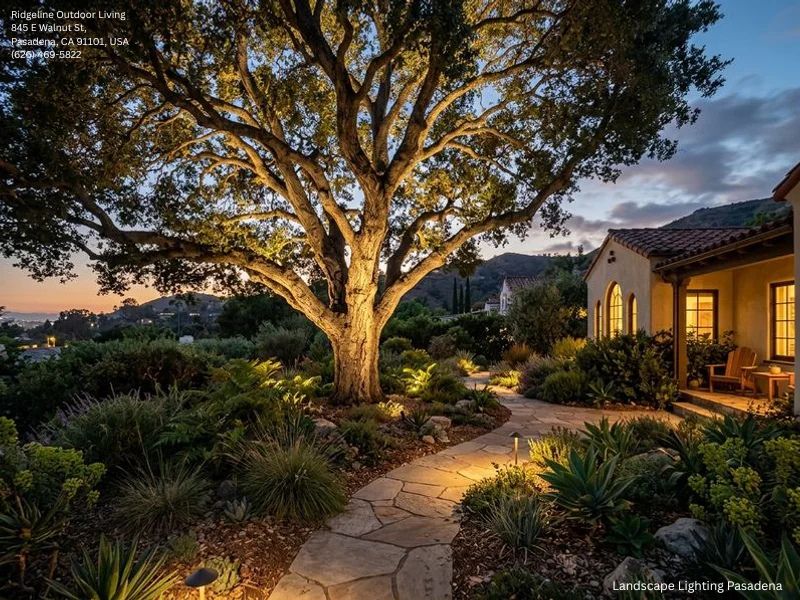
Retaining walls often sit invisibly behind the features that sell a property, but they are the backbone of successful landscapes. They create level space for 12 Backyard Entertainment Features Every Homeowner Should Consider and protect investments like pool decks, driveways, and outdoor kitchens. Thoughtful design and solid engineering are not frills. They safeguard your yard through wet winters and hot summers, and they add long term value. For homeowners considering 10 Hardscaping Features That Increase Property Value, a properly executed wall belongs on the list.
Before you request bids, gather a few key items to make the process accurate and efficient.
Survey or plot plan with property lines and any known easements: Bidders need to know where the line is and what constraints exist. Photographs and notes from heavy rains: Where does water collect, and where does it leave your site? Desired uses for the space above the wall: Parking, a spa, or a kitchen require surcharges in the design. Preferred aesthetics and finishes: Segmental style, stucco, stone, or board formed concrete affect cost and lead time. Access details: Gate widths, overhead clearances, and any restrictions on work hours shape logistics.
Where design meets judgment
Every hillside and every backyard asks different questions. In one Pacific Palisades project, a small patio enlargement required drilled piers because shallow bedrock and a perched water condition made a conventional footing risky. The result looks simple, yet it carries a complex hillside safely. In a Sherman Oaks yard, a four foot segmental wall with clean steps reclaimed a narrow slope into a family play area, supported by a French drain that intercepted water long before it reached the wall. Both clients gained usable space and peace of mind because the solutions fit the site, not a template.
If you are weighing How to Choose the Best Retaining Wall Design for Your Property, start with purpose, site conditions, and budget, then choose materials that harmonize with your home. Treat drainage as a first principle, not an accessory. And when you integrate the wall into a complete plan with lighting, planting, and surfaces, you will end up with an outdoor space that functions year round, from summer dinners to cool evenings by a fire pit.
Ridgeline’s role is to translate hillside reality into lasting form. With the right team and process, the wall that holds your yard together can become one of the quiet strengths of your home.