Why vehicle type affects your number plate shape and fixing position
When you order a set of legal number plates, the first thing that comes to mind is usually the registration mark itself. Yet the shape of the plate and where it sits on the vehicle matter just as much. A plate that does not fit the mounting area or is fixed in the wrong position can fail an MOT, draw a fine, or simply look out of place. The rules that govern plates are the same across the UK, but the way those rules apply changes depending on whether you drive a car, ride a motorcycle, tow a trailer, or run a van.
What makes a plate legal
Legal number plates in the UK must meet standards set by the Driver and Vehicle Licensing Agency (DVLA) and the British Standard (BS AU 145e or the newer BS AU 145f). Those standards cover the material, the reflective properties, the font, the spacing, and the size of the characters. They also specify where the plate can be positioned and how it must be fixed. A plate that is too small, too large, or mounted in a recess that obscures part of the mark is not legal, even if the registration itself is correct.
The key point is that the regulations are not one-size-fits-all. A plate designed for a saloon car will not work on a motorcycle, and a plate made for a flat boot lid may not fit a van with a curved rear door. Understanding your vehicle type is the first step to choosing a plate shape and fixing method that keep you compliant.
Car plates: standard shapes and common fixing points
Most cars have a flat or gently curved mounting area at the front and rear. The standard plate dimensions for a car are 520 mm by 111 mm, which accommodates a standard seven-character registration mark in the prescribed font and spacing. Some cars, particularly older models or imports, have a smaller recess that cannot take a full-size plate. In those cases, you can use a plate with the same character height and width but a shorter overall length, as long as the characters themselves remain the legal size and the spacing is correct.
Fixing points on a car are usually pre-drilled holes or slots in the bumper or boot lid. Many modern cars have a recessed area that dictates the exact plate shape. If you try to fit a rectangular plate into a recess that is curved or has a raised border, the plate will not sit flush. That can cause the plate to vibrate, crack, or detach. It can also create a gap that lets dirt and moisture build up behind the plate, which over time can damage the paintwork.

The fix is straightforward: choose a plate that matches the shape of the mounting area. Some cars need a slightly shorter plate, others need one with rounded corners that follow the contour of the bumper. A plate that fits properly stays secure and looks clean.
Motorcycle plates: size and position constraints
Motorcycles have a much smaller mounting area than cars. The rear number plate is typically fixed to a bracket that extends from the tail unit. Because the space is limited, the plate dimensions are smaller: 229 mm by 178 mm for a standard plate, or 203 mm by 152 mm for a narrower version. The characters themselves must still be 64 mm tall for bikes registered after 2001, and the spacing rules are the same as for cars.
The challenge with a motorcycle plate is finding a shape that fits the bracket without overhanging. Many aftermarket tail tidies or fender eliminator kits change the position of the plate, and if the plate is mounted too low or at the wrong angle, it becomes illegal. The plate must be vertical or slightly tilted, and the whole registration mark must be visible from directly behind the bike. If the plate is tucked under the tail light or angled upwards, the top of the characters may be hidden, which is an MOT failure.
Motorcycle plates also need to withstand vibration and weather. A plastic plate that is too rigid can crack around the fixing holes. A plate that is too flexible can flap at speed. The fixing holes should line up exactly with the bracket, and the bolts should be tight but not so tight that they stress the plate material.
Van plates: larger vehicles, larger considerations
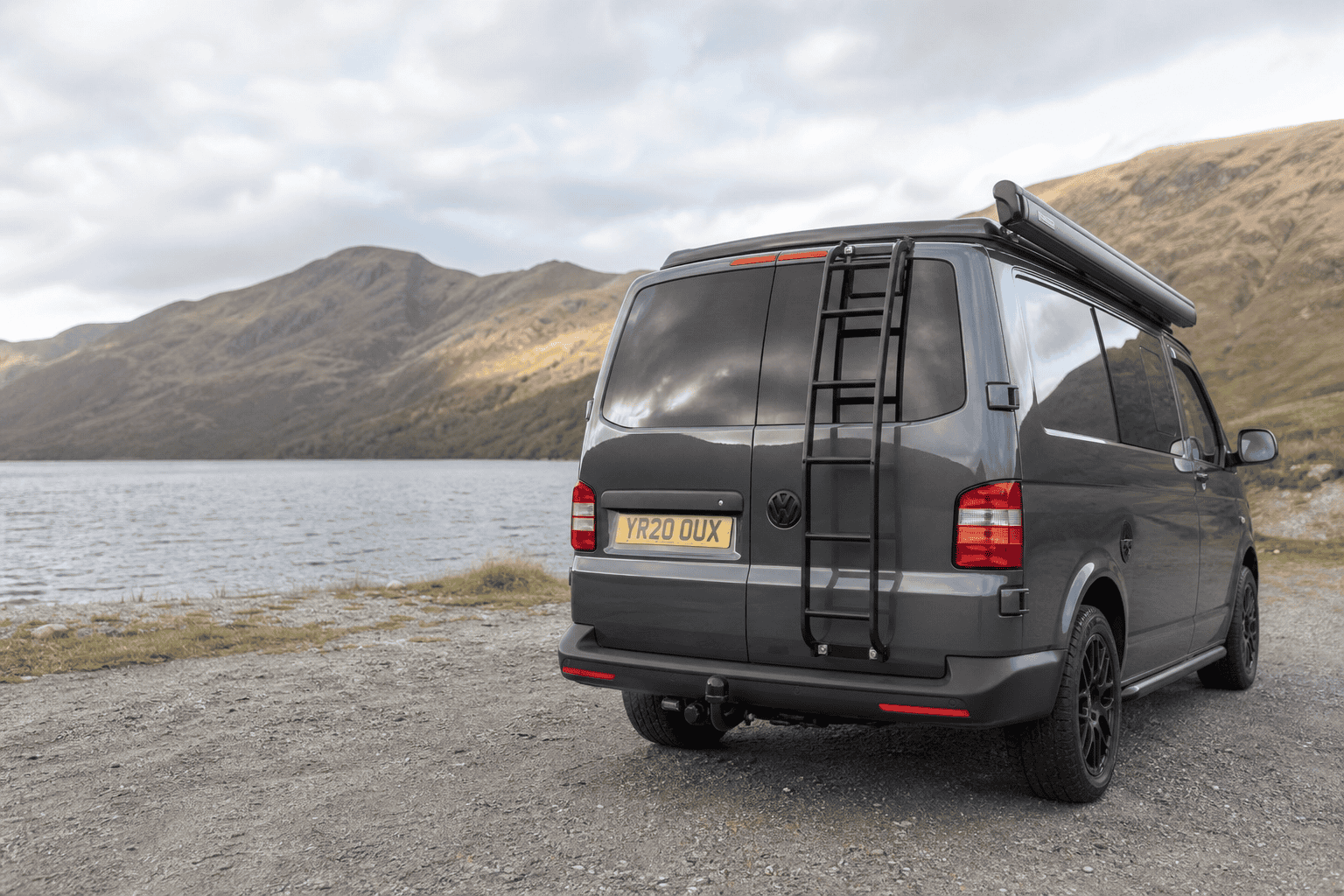
Vans and light commercial vehicles often have a flat rear door or a rear panel that offers plenty of space. The standard car-size plate may look small and out of proportion, but more importantly, the regulations require that the characters are a certain size, and on a large rear surface a small plate can appear lost. The legal minimum character height is 79 mm for vehicles registered before 1 September 2021, and 79 mm for most after that date, though some newer vans may use the 64 mm size if the plate was type-approved. Always check the vehicle's registration document to confirm.
The fixing position on a van is usually straightforward, but there is a catch: many vans have a recessed area around the number plate that is shaped for a specific plate size. If you use a plate that is too large, it will not sit inside the recess and may protrude, making it vulnerable to damage when the rear doors are opened. If the plate is too small, it leaves an unsightly gap and may not be centred properly.
Some vans also have a rear step or a tow bar that affects the plate position. The plate must be mounted so that it is not obscured by the tow ball or the step when viewed from behind. If the fixing holes are not pre-drilled, you need to drill carefully into the metal or use adhesive pads that are strong enough to hold the plate in all weathers.
Trailer plates: a different set of rules
Trailers and caravans have their own rules. A trailer registered after 1 January 1974 must display a number plate that matches the towing vehicle's registration, but the plate itself must meet the same British Standard as any other plate. The shape and size depend on the trailer's rear panel. Many small trailers have a narrow, vertical mounting area that requires a plate that is taller than it is wide. That is perfectly legal, as long as the characters are the correct size and the spacing is right.
The fixing position on a trailer is often exposed. The plate may be mounted on a mudguard, a rear panel, or a dedicated bracket. Because trailers are frequently used off-road or in muddy conditions, the plate needs to be securely fixed and resistant to impact. A plate that is fixed with self-tapping screws into thin metal can work loose. Using bolts with a backing plate or heavy-duty adhesive pads gives a more durable result.
One common mistake is fitting a car-size plate to a small trailer because it is easier to buy. The plate may overhang the sides of the trailer or sit too low, making it vulnerable to damage and potentially illegal if any part of the registration mark is obscured by the trailer's structure.
How plate shape affects fixing
The shape of the plate is not just about looks. It determines where the fixing holes can be placed and how evenly the plate sits against the mounting surface. A plate that is cut to match a specific recess or contour will have fixing holes that align with the vehicle's pre-drilled points. A generic rectangular plate may force you to drill new holes or rely on adhesive alone.
Adhesive fixing is common on cars with smooth bumpers and on motorcycles where drilling is not an option. High-bond automotive tape can hold a plate securely for years, but it requires a clean, dry, warm surface. If the surface is curved or textured, the tape may not bond fully, and the plate can lift at the edges. For vans and trailers, where the mounting surface may be painted metal or plastic, a combination of adhesive and screws is often the most reliable method.
The number of fixing points also matters. The British Standard does not specify a minimum number of fixings, but a plate that is fixed at only two points can twist or sag over time. Four fixing points, one near each corner, keep the plate flat and stable. If the plate shape does not allow four holes because the corners are too narrow or the plate is too tall, you may need to use a plate with a different aspect ratio or a custom shape.
When you order plates from a supplier such as numberplatemaker.uk, you can select the exact dimensions and corner style that match your vehicle. The key is to measure the mounting area before you order. Check the width and height of the recess, note the position of any existing holes, and look for curves or ridges that could affect how the plate sits. A plate that is made to those measurements will fit without gaps and will fix securely.
Practical tips for choosing the right plate
Start by identifying your vehicle type and the shape of the mounting area. For a car, measure the recess at the front and rear separately; they may differ. For a motorcycle, check the bracket width and the distance between the fixing holes. For a van, note whether the rear panel has a recess and whether the plate needs to clear a handle or a lock. For a trailer, measure the available space and decide whether a vertical or horizontal plate works best.
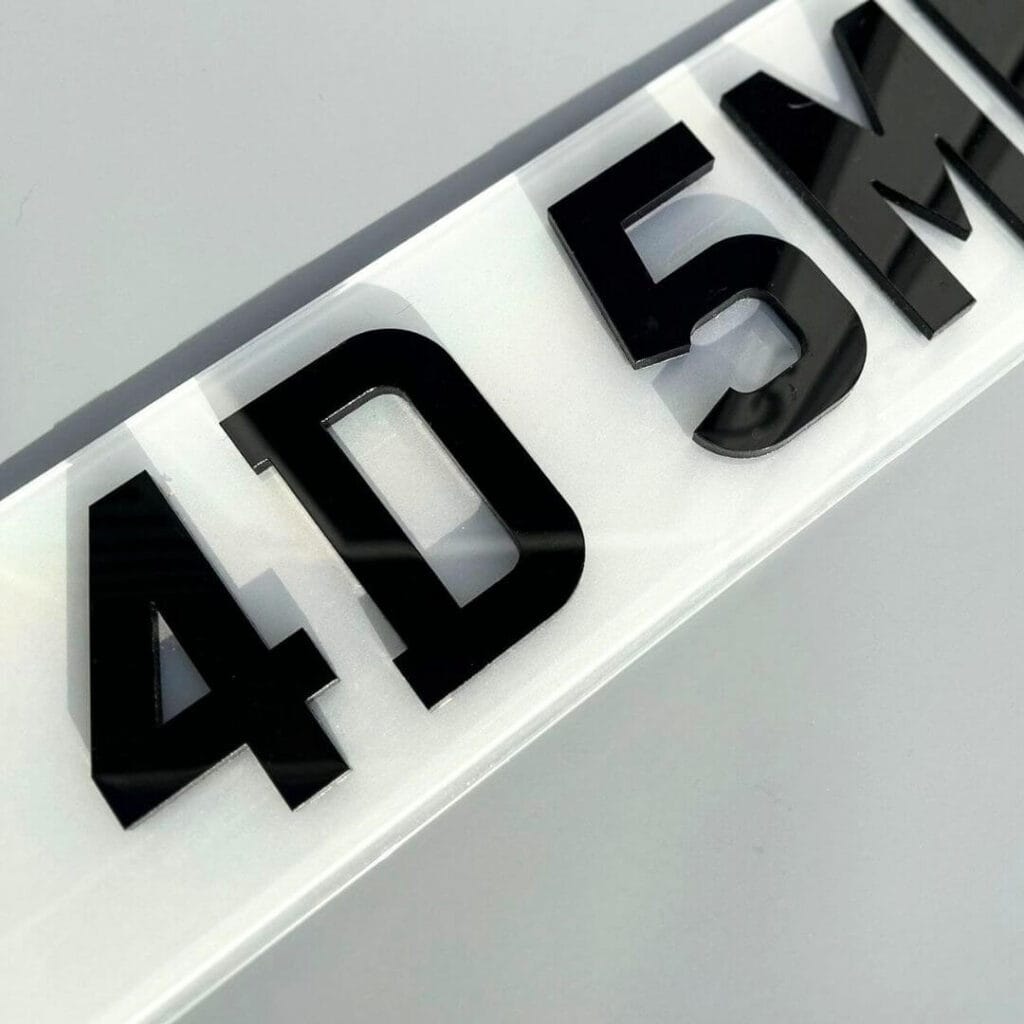
Next, decide on the fixing method. If the vehicle has pre-drilled holes, use those. If not, consider adhesive pads for a clean look, or drill new holes if the material allows. Always use stainless steel screws or bolts to avoid rust. For trailers and vans exposed to road salt, a plastic backing plate behind the fixing holes adds strength and prevents the plate from cracking.
Finally, check that the plate you choose meets the legal requirements for your vehicle's registration date. The font, spacing, and character size are fixed by law. A plate that fits perfectly but has the wrong font is still illegal. The shape and fixing position are important, but they are only part of the picture.
Getting the plate shape and fixing right from the start saves time, avoids MOT failures, and keeps your vehicle looking tidy. Whether you drive a car, ride a motorcycle, run a van, or tow a trailer, the same principle applies: measure first, choose a plate that matches the mounting area, and fix it securely. A plate that fits properly is a plate that stays legal.