What Is Slingo and Why Do People Say It’s Part Bingo, Part Slots?
Slingo is a number-grid game that combines features of bingo with the spinning-reel look and feel of a slot machine. It is often described as a bingo slots hybrid: players match numbers shown on a grid, while a set of reels supplies numbers and special symbols. The result borrows bingo’s anticipation of a called number and slots’ quick, visual turns, but it is its own format rather than simply a bingo game with a slot machine attached.
The name reflects that blend: “Slingo” joins “slots” and “bingo”. The details can vary between versions and platforms, so there is no single set of Slingo rules that applies everywhere. But the basic idea is straightforward: numbers are revealed in rounds, players mark matching numbers on a card or grid, and completing patterns can bring points, prizes or other in-game outcomes, depending on the version.
To understand why people make the bingo-and-slots comparison, it helps to look at what each part contributes. Bingo provides the numbered grid, matching and pattern-making. Slots provide reels, symbols, animations and a more immediate turn-by-turn rhythm. Digital menus and clear status information help players follow how those elements work together.
Start with the bingo side: a grid and called numbers
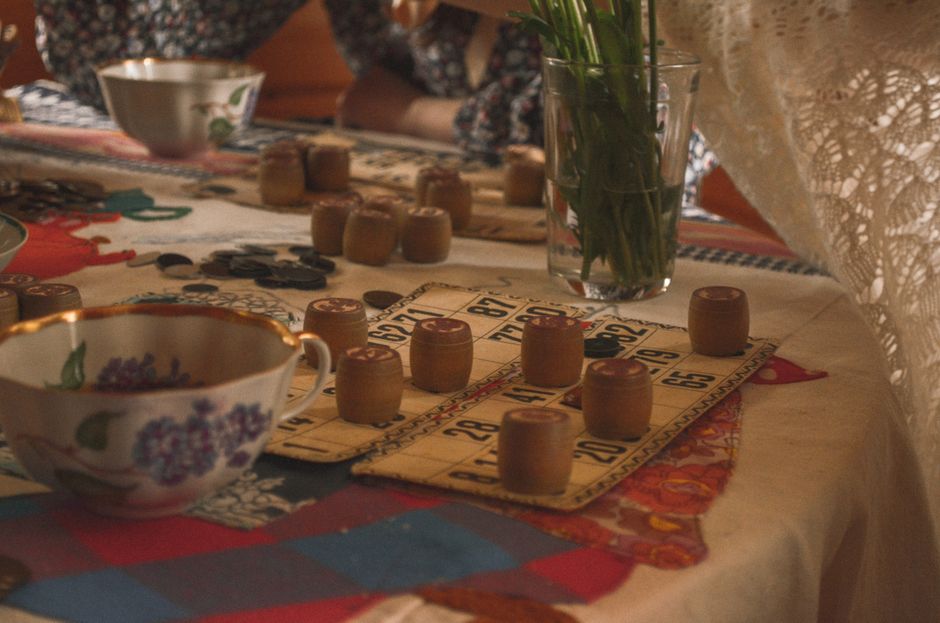
Traditional bingo is built around a card containing numbers arranged in a grid. Numbers are drawn or called, and players mark any matching numbers on their cards. The aim depends on the game: it might be to complete a line, a particular pattern, or the full card. There is a simple source of suspense in waiting to see whether the next number is one you need.
Slingo keeps that recognisable structure. A player is generally given a number grid, and numbers appear during play. When a revealed number matches a space on the grid, that space can be marked. Players may try to complete rows or other patterns, with the relevant goals usually displayed in the game.
That makes Slingo a number grid game, even when its presentation looks closer to a digital slot. The grid gives the player something to track over several turns. It also means the action is not just about watching symbols pass across a screen: matching numbers and working towards patterns remain central.
What the slots element adds
In many versions, a reel or set of reels spins to reveal numbers and sometimes special symbols. The spin is the slot-like part of the experience: it creates a quick reveal, adds movement and gives each turn a clear beginning and end. If a number on the reels matches a space on the grid, the game may mark that space automatically.
Special symbols can change what happens. Depending on the version, they may help mark numbers, give another action or affect the round in another way. Their names, effects and availability are not universal, so players should check the rules for the particular game they are using rather than assume every Slingo version works alike.
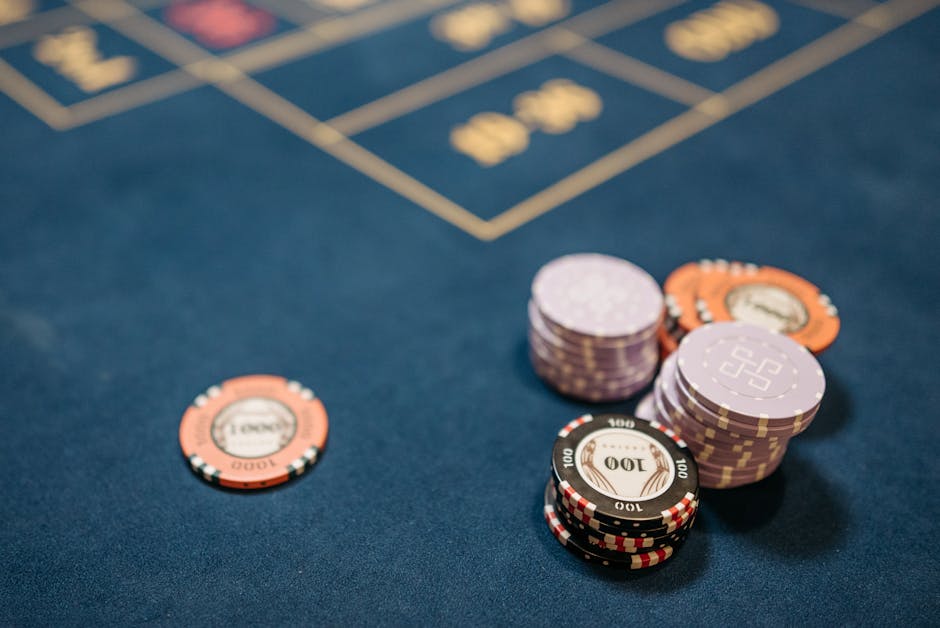
The combination produces a different rhythm from either activity on its own. Bingo often centres on listening for calls and watching a card fill over time. A slot game typically offers a sequence of spins and reveals. Slingo uses a grid to give those reveals a continuing goal: the player is watching each spin in the context of what has already been marked and what patterns are still possible.
How Slingo rules usually work
There is no universal rulebook for every Slingo title, but many games follow a broad sequence. A grid is presented, numbers or symbols are revealed through spins, and matching numbers are marked. The round continues for a set number of turns or until another stated condition is met. The game then assesses the marks against its patterns, scoring system or prize structure.
Check the grid: Look at the numbers, the shape of the card and any target patterns shown. Review the controls: Find out how to start a spin, whether the game has a fixed number of turns and what any special symbols do. Watch each reveal: Compare the numbers shown with the unmarked spaces on the grid. Follow the status information: Check how many turns remain, which spaces are marked and what goals are still in play. Read the round result: At the end, the game will show how the outcome was calculated under that version’s rules.
This is a general explanation, not a substitute for the rules on a particular platform. Some titles may introduce extra features, different patterns or a distinct scoring method. A quick look at the in-game help or rules menu can prevent confusion, especially if the interface uses symbols that are unfamiliar.
75-ball and 90-ball bingo: why the difference matters
Bingo itself has several familiar formats. Two common ones are 75-ball and 90-ball bingo, which differ in the number range, card layout and the patterns used to determine a win. These formats provide useful context for Slingo, but they should not be mistaken for two standard Slingo rule sets.
Feature 75-ball bingo 90-ball bingo Typical card A 5-by-5 grid, commonly with a free centre space Three rows and nine columns, with numbers and blank spaces Number range Numbers from 1 to 75 Numbers from 1 to 90 Common goals Completing a specified pattern, which can vary by game Completing one line, two lines and then a full house in many games Typical feel Pattern-led: the target shape can be central to the round Progress-led: players often track line and full-house milestones
These are broad descriptions of common bingo formats, not rules for every hall or online game. Local versions and special sessions may differ. In Slingo, the number grid and objectives may take inspiration from bingo, but a game might use its own layout, number range or pattern goals. It is best to check the title’s rules rather than infer its mechanics from the words “75-ball” or “90-ball”.
Digital presentation: menus, status and clarity
Because Slingo is often played through a digital interface, its design has a practical job to do: explain the game while showing what is happening. A player should be able to find the rules, identify the grid, understand the controls and see the result of each turn without having to guess.
Digital interface menus can bring together the help section, sound and display settings, game controls and information about a round. The best menus are easy to locate and use plain language. They should make it possible to check a feature without losing track of the game or mistaking a decorative symbol for an instruction.
Status information is just as important. Useful indicators may show marked numbers, remaining turns, the current score or progress towards a pattern. In a fast-moving game, these details help the player understand the state of play at a glance. Clear feedback after a spin also makes it easier to see whether a number matched and whether a special symbol changed the outcome.
Good interface clarity matters for accessibility as well as convenience. Readable text, distinct marked and unmarked spaces, understandable icons and controls that work on different screen sizes can make a game easier to follow. If the interface feels confusing, it is worth pausing to open the rules or help menu rather than continuing without knowing what a button or symbol does.
How Slingo differs from playing bingo in a hall
A digital Slingo game can reproduce some of bingo’s anticipation, but it does not automatically recreate the social setting of a bingo hall. In a hall, players share a room, listen to the same caller and follow the same sequence of numbers. The collective attention creates a shared rhythm: a call lands, cards are checked, and the group waits for the next one. There may also be conversation, familiar routines and a sense of occasion around a session.
Slingo’s digital rhythm is usually more individual. The player interacts with the screen, and spins or rounds may happen more quickly than a traditional caller-led game. Some online platforms offer social features, but those are platform-specific. The presence of a chat box or a multiplayer option is not the same as sitting alongside other players in a hall.
That difference is worth keeping in mind when comparing the experiences. Bingo can be as much about the venue and shared atmosphere as it is about matching numbers. Slingo, by contrast, foregrounds the individual grid and the rapid reveal of reels. People who enjoy one may enjoy the other, but they offer different kinds of participation.
Does Slingo involve money?
Slingo is available in different settings, and the costs and terms depend on the platform or venue. Some versions may be free to try or play, while others may involve paid entry, in-game purchases or stakes. Those arrangements can change, so do not assume that a title is free—or that two versions have potentash.com the same costs—without checking first.
Price example: none stated. No price is given here. Discuss costs in general terms and check the specific platform or venue for current pricing, payment requirements and any other applicable terms. If a game involves gambling, read the relevant information carefully, understand the limits available and only take part if it is legal where you are and appropriate for you.
It is also sensible to separate the entertainment format from the way a particular operator offers it. “Slingo” describes a style of game, not a guarantee about payment, prizes, odds or accessibility. Those details belong to the individual game and the service or venue providing it.
Why people call it part bingo, part slots
The description is easy to understand once you look at the two systems side by side. Bingo contributes the numbered card, matching and goal of completing patterns. Slots contribute reels, spins, symbols and a quick visual reveal. Slingo combines those elements in a single round, with the grid giving each spin a longer-term purpose.
Bingo-like: numbers, a grid, matching spaces and patterns to complete. Slot-like: spinning reels, symbols, animation and turn-by-turn reveals. Distinctive to the hybrid: each reveal can change progress on a grid that remains visible throughout the round. Dependent on the version: the exact rules, features, costs and prize arrangements can differ.
What to check before you play
If you are trying Slingo for the first time, begin with the game’s instructions rather than relying on the name alone. Check what the grid represents, how numbers are revealed, how many turns a round allows and what any special symbols do. Then look at the status information to see how progress is tracked.
Also check the platform or venue’s terms, particularly if money is involved. Confirm any costs before starting, and use available limits or breaks if the game is offered as gambling. For an in-person bingo experience, consider the session format and venue information too; the social atmosphere and pace may be quite different from playing on a screen.
The short version
Slingo is a number-grid game that mixes bingo-style matching and patterns with slot-style reels and spins. That is why it is commonly called a bingo slots hybrid. The bingo influence comes from the grid and the anticipation of matching numbers; the slots influence comes from the animated reveal and the use of reels and symbols. Digital menus and status information help connect those elements, while a traditional bingo hall offers a shared social rhythm that a solo screen-based game may not replicate.
The broad idea is simple, but the details are not identical across every version. Treat the rules, interface, costs and setting as specific to the platform or venue, and check them before you play.