Immune Drip vs Vitamin Drip: What’s the Difference?
Walk into any modern IV therapy clinic and you will see two menu staples: an immune drip and a vitamin drip. They sound similar, and sometimes they share ingredients, which explains the confusion. The truth is they serve different aims, and the way a clinic formulates and doses them makes a meaningful difference in how you feel after the IV therapy session and what you can realistically expect over the next few days.
I have guided hundreds of clients through IV infusion therapy, from athletes looking for fast recovery to professionals managing travel fatigue and parents who simply want fewer sick days during cold season. The best outcomes come when people choose the right tool for the job. This guide unpacks how immune boost IV therapy and vitamin IV therapy differ, what typically goes into each, where they overlap, and how to pick the right IV treatment for your goals.
What both drips share
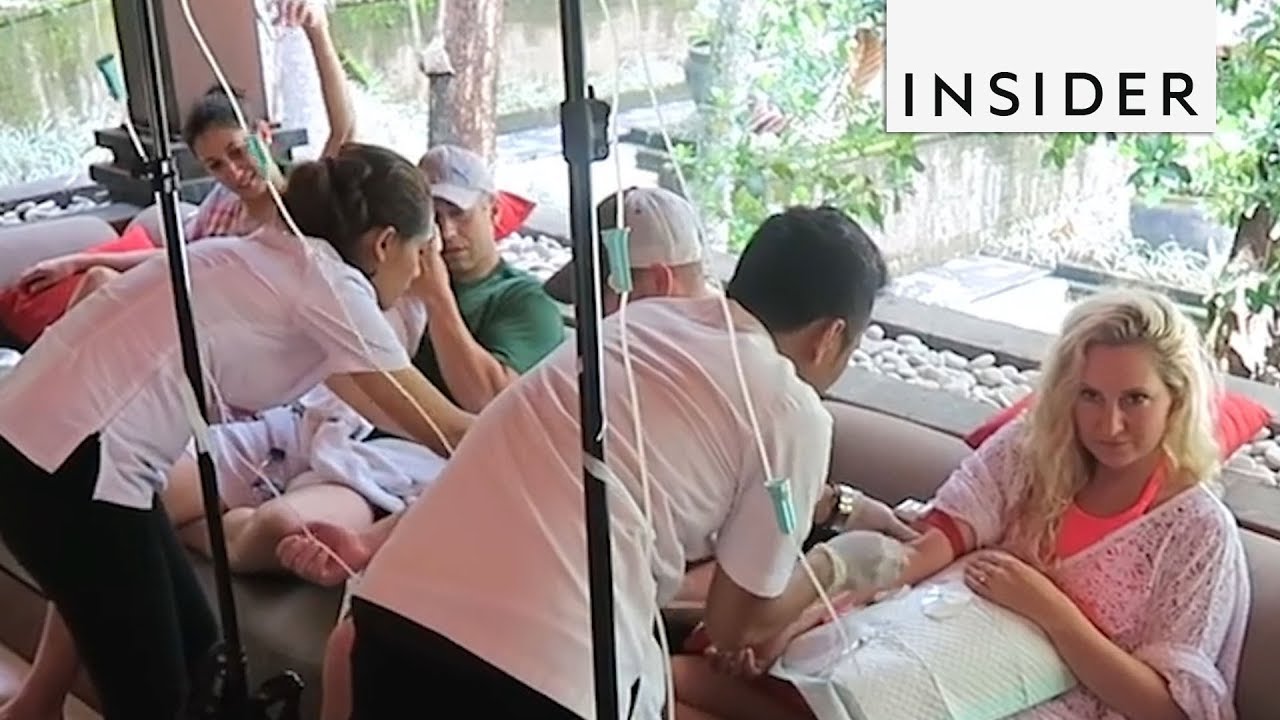
Both options are forms of intravenous therapy, meaning vitamins, minerals, fluids, and other compounds enter your bloodstream directly. That bypasses the gut, so absorption is close to 100 percent for most ingredients. Intravenous fluids therapy also delivers hydration quickly, which alone can relieve mild headache, dry mouth, and fatigue. Most bags run over 30 to 60 minutes, and the total volume is often 500 to 1,000 milliliters of saline or lactated Ringer’s solution. A clinician screens you to confirm you are a candidate, checks vital signs, places a small catheter, and starts the IV drip therapy.
Many clinics offer mobile IV therapy, at home IV therapy, and concierge IV therapy, but the core mechanics remain the same. Whether you choose express IV therapy on a lunch break or a longer therapeutic IV infusion as part of integrative IV therapy, the difference lies in what is in the bag and why.
What is an immune drip, really?
An immune drip, sometimes listed as immunity IV therapy or immune drip therapy, is designed to support the body’s immune response during times of stress or exposure. Clients often request it before travel, during early cold symptoms, or after long flights and poor sleep. The formulation leans on nutrients tied to immune cell function, antioxidant capacity, and inflammation modulation.
A common immune drip formula includes:
Vitamin C, often at moderate to high doses. Some clinics offer high dose vitamin C IV, which requires screening and sometimes laboratory checks like G6PD status. Doses vary widely, from 2 to 15 grams in wellness IV therapy settings, and higher in medical IV therapy programs supervised by physicians for specific indications. Zinc, usually 5 to 15 milligrams IV. Zinc IV therapy is popular because zinc supports innate immunity and can shorten the duration of mild upper respiratory symptoms when taken early. The IV route avoids the GI upset that oral zinc can cause. B complex IV therapy, typically B1, B2, B3, B5, B6. B vitamins support immune cell energy metabolism and neurotransmitter pathways that suffer during stress. Magnesium, modestly dosed, to support cellular signaling and help with muscle tension and sleep. Optional additions like glutathione IV therapy, an antioxidant master switch. Some protocols add a slow glutathione IV drip at the end to support redox balance, especially in clients with high oxidative stress from travel, heavy training, or poor diet. Hydration with isotonic fluids to restore volume and support mucosal defenses.
Clinics vary in their immune support IV therapy. Some use a focused blend with only vitamin C and zinc. Others fold in selenium or trace minerals if a client reports frequent infections. The aim is not to “prevent all illness,” which no IV can promise, but to give the immune system essential cofactors and hydration that let it do its job more effectively.
What is a vitamin drip?
Vitamin drip therapy is an umbrella term. Think of it as nutrient infusion therapy tailored for broad wellness goals rather than a narrow physiologic target like infection defense. Vitamin IV therapy might address energy, stress resilience, or hydration, and generally feels like a tune up. It can be as simple as a B complex added to saline or as structured as a classic Myers cocktail IV, which dates back decades and typically includes magnesium, calcium, B vitamins, and vitamin C in balanced amounts.
Within vitamin IV therapy, clinics often segment their drips by outcome:
Energy IV therapy or an IV energy boost focuses on B vitamins, sometimes carnitine or an amino blend, and magnesium to support ATP production and reduce fatigue. Hydration IV therapy pairs fluids with electrolytes and a light vitamin blend. Hangover IV therapy, or the hangover IV drip, usually falls in this camp, aiming to offset dehydration, replenish minerals, and settle nausea. Wellness drip or IV wellness therapy takes a balanced approach with a little of everything to support overall wellness IV goals. Beauty IV therapy and skin glow IV therapy often include vitamin C, biotin, and glutathione to support collagen formation and oxidative balance. Anti aging IV therapy lives near this category. Sports IV therapy and athletic recovery IV therapy may add amino acids, magnesium, and antioxidants for IV recovery therapy after races or heavy training. Specialty blends cover migraine IV therapy, pain relief IV therapy, nausea IV therapy, and even sleep support IV therapy, which may draw on magnesium and relaxing nutrients.
A vitamin drip is broader in scope. It is a tool to correct mild shortfalls, support metabolism, and help you feel more like yourself when stress and life get in the way.
Where immune and vitamin drips overlap
The overlap is where confusion starts. Myers IV therapy, a veteran of the vitamin drip category, contains vitamin C, magnesium, calcium, and B vitamins. An immune drip often carries some of the same nutrients, simply at different doses or ratios, and adds zinc. Both provide IV rehydration therapy, which improves symptoms independent of vitamins. Both might finish with a glutathione IV drip when the clinic screens for suitability. If you look at two bags side by side, you may see similar labels, but the intent differs: one is calibrated for immune readiness, the other for overall wellness or a specific non-immune outcome like energy.
The dosing difference that changes results
Dose matters. An immune boost IV therapy plan often uses higher vitamin C than a general vitamin drip. For immune support, 5 to 10 grams is common in wellness settings, sometimes more when clinically appropriate. A general vitamin drip might use 1 to 2 grams. Zinc appears reliably in immune-focused bags but not always in all-purpose vitamin drips. These levers change what your cells experience for 24 to 48 hours after the infusion.
That said, more is not always better. Very high vitamin C doses can cause GI upset if pushed too fast, and in rare cases can stress the kidneys, particularly in dehydrated individuals or those with a history of kidney stones. Sensible clinics titrate doses to body size, kidney function history, and your goal for that day. A good rule: match the dose to the need, not to a marketing promise.
When to choose an immune drip
I see the immune drip as targeted support when your exposure risk or stress load spikes. You are about to board three flights in two days. Your child’s school is seeing a wave of colds. You feel that first scratchy throat after a week of late nights. In those moments, a drip with meaningful vitamin C, zinc, B complex, and hydration can help the immune system respond efficiently. Clients often report a quicker resolution of mild symptoms or a sense that they “dodged the worst of it.” Not everyone benefits equally, but the risk is low in screened individuals, and the upside can be a shorter, milder course of illness.
Timing matters. The earlier in the course of symptoms, the more helpful an immune drip tends to be. Waiting until day four of a heavy cold reduces the perceived benefit. Pairing the drip with sleep, fluids by mouth, nasal saline, and smart meals magnifies results. IV therapy is not a substitute for medical care when symptoms are severe, progressive, or accompanied by high fever or chest pain.
When a vitamin drip is the smarter play
If your goal is sustained energy, focus, or recovery from travel or workouts, a vitamin drip is usually the better match. Someone who finishes marathons or CrossFit competitions might feel a dramatic difference from magnesium IV therapy with B complex, a moderate vitamin C dose, and fluid for an IV recovery therapy effect. A founder running on five hours of sleep across a product launch often responds to a balanced wellness drip. A person with tension headaches may benefit from a variant similar to IV migraine treatment, which typically includes magnesium and hydration.
Vitamin drips also serve clients who do not want high-dose anything. They want a steady, safe reset: some saline, a well-rounded vitamin blend, and no surprises. The effects often feel more subtle than the immune drip during a viral prodrome, but people report better sleep, less muscle tightness, improved mood, and steadier energy for two to three days.
The role of glutathione and antioxidants
Antioxidant IV therapy sits at the intersection. Glutathione IV therapy has become popular because glutathione supports cellular detoxification pathways and protects against oxidative stress. In practice, I add a slow glutathione push at the end of both immune drips and vitamin drips when someone reports high toxin exposure, heavy training loads, or skin dullness. The dose usually ranges from 400 to 1,200 milligrams. Sensitive clients do better at the lower end first. A glutathione IV drip pairs particularly well with vitamin C, which recycles glutathione, and with hydration IV therapy to support renal clearance.
The caveat: glutathione is not a cure-all. It should be part of a broader plan that includes sleep, whole foods, and movement. A single push will not overhaul a decade of oxidative stress, but it can make the next few days more comfortable and support a momentum shift.
Safety, side effects, and who should not get these drips
IV therapy safety depends on screening and technique. The most common issues are minor: bruising at the IV site, a transient metallic taste during magnesium, or a cool sensation in the arm. Lightheadedness can occur if someone arrives underfed or dehydrated and stands up quickly. Infections at the IV site are rare with proper sterile technique. Serious reactions are uncommon but possible, especially with high-dose vitamin C in individuals with undiagnosed G6PD deficiency or in those with significant kidney disease.
People who should be cautious or avoid certain drips include:
Those with chronic kidney disease or a history of calcium oxalate kidney stones. High-dose vitamin C may not be appropriate. People on chemotherapy or with certain cancers. Antioxidants can, in specific contexts, interact with treatment goals. This requires oncology input. Individuals with heart failure who cannot tolerate fluid volume. IV saline therapy must be tailored or avoided. Pregnant or breastfeeding clients. Some clinics offer limited, pregnancy-safe nutrient infusion therapy, but dosing and ingredients should be reviewed with an obstetric provider. Those with known allergies to ingredients.
Zinc can cause nausea if pushed too fast. Magnesium can lower blood pressure slightly during infusion. Communicate sensations promptly, and ask for slower rates if you feel woozy or flushed. A competent IV therapy clinic adjusts on the fly.
Cost and what drives it
IV therapy cost varies by region, mobile versus in-clinic, and the ingredient list. In most US cities, a standard vitamin drip ranges from 120 to 250 iv therapy near me dollars. Immune-focused bags with higher vitamin C and zinc typically cost 150 to 300 dollars. Add-ons like glutathione, extra vitamin C, or NAD+ increase price. Mobile or on demand IV therapy adds a convenience fee. Same day IV therapy and express IV therapy often prioritize speed and convenience, which can raise the price per minute in the chair.
Packages can lower the cost per session if you plan regular IV therapy sessions, but frequency should match need. Weekly drips for someone who sleeps well, eats well, and feels great often add little value beyond hydration. A monthly or seasonal cadence is more reasonable for wellness IV therapy in healthy adults, with extra visits during travel, high training blocks, or early illness.
Evidence and expectations
Clients ask, how strong is the science? Intravenous vitamin therapy has a mixed evidence base. The absorption benefit is clear, and the pharmacology of vitamin C, magnesium, and zinc is well described. What is less settled is the size of the clinical effect for everyday wellness outcomes in healthy people. Studies on high dose vitamin C IV for sepsis or oncology contexts exist, but those are medical IV therapy scenarios that do not map neatly to a healthy traveler stopping a cold. Smaller studies and clinical experience suggest benefits for hydration, fatigue, and symptom relief. The cleanest evidence in the wellness space supports hydration and correction of known deficiencies. Many clients report feeling better post infusion, which matters, but placebo effects also play a role.
Set expectations accordingly. IV therapy treatment can be a useful adjunct, not a magic bullet. If you consistently sleep five hours, drink two liters of coffee, and skip meals, an IV treatment will not overcome that baseline. Use it as a nudge while you address the drivers of low energy, poor immune resilience, or sluggish recovery.
Real-world examples from practice
A sales executive facing a 12-day trip across three time zones booked an immunity drip 24 hours pre-departure: 8 grams of vitamin C, B complex, 10 milligrams zinc, and 1 liter of lactated Ringer’s. He paired that with a glutathione finish at 600 milligrams. He reported fewer post-flight headaches and no sore throat despite his seatmate coughing for two hours. That is anecdotal, not a controlled trial, but it is common in my experience when the timing and dosing fit the context.
A distance runner used sports IV therapy the day after a marathon: 1 liter of balanced fluids, magnesium, B complex, 2 grams of vitamin C, and trace minerals. Soreness remained, as expected, but she cut her usual two-day brain fog to one morning and resumed light training 24 hours earlier than typical.
A client with frequent migraines tried a migraine IV therapy variant, heavy on magnesium and hydration with modest vitamin C. We added anti-nausea medication under medical supervision when appropriate. She still needed her neurologist’s plan for prevention, but her acute symptoms during an attack eased faster than with oral hydration alone.
Customization is where the value lies
The cleanest way to think about immune versus vitamin drips is through the lens of personalization. Custom IV therapy, or personalized IV therapy, blends the two ideas based on your history, the current moment, and your budget. A good clinic does more than pull a pre-printed bag off the shelf. It asks about sleep, diet, stress, medications, training load, and upcoming travel. It screens your blood pressure, pulse, and any contraindications. Then it chooses the base fluid, the vitamin and mineral stack, the antioxidant strategy, and the drip rate.
If you are under the weather, lean immune. If you are dragging after a product sprint, lean vitamin and energy. If you are dehydrated after a long hike in the heat, prioritize IV hydration therapy with electrolytes and a light nutrient blend. If your skin looks dull and you want a cosmetic lift for a weekend event, consider a vitamin drip with vitamin C and a glutathione finish. The better the match, the better the outcome.
Practical decision guide
Use this brief checklist when you are scheduling:
Are you facing high exposure to illness or feeling the first signs of a cold? Choose immune drip therapy with higher vitamin C and zinc. Is your main complaint low energy, poor focus, or recovery after stress or travel? Choose a vitamin drip, such as Myers IV therapy or an energy drip with B complex and magnesium. Do you need hydration after illness, heat, or alcohol? Start with a hydration drip or saline IV drip, adding light vitamins as tolerated. Do you want antioxidant support for skin and recovery? Ask about a glutathione IV drip at a conservative dose, especially if it is your first time. Do you have medical conditions or take prescription medications? Share that list and consider an integrative IV therapy plan coordinated with your clinician.
How sessions feel and what to expect after
Expect a 45 to 60 minute visit for most IV therapy services. Some express IV therapy menus run 25 to 30 minutes with smaller volumes. Many people You can find out more feel a gentle lift by the time they leave the chair, which often peaks later that day and the next morning. Effects can last from 24 hours to several days depending on sleep, hydration by mouth, and stress levels. With immune drips, the goal is often less dramatic symptoms rather than a jolt of energy. With energy drips, the bump can feel immediate, but you avoid the jitter of stimulants.
Drink water afterward, eat a real meal, and do not schedule your hardest workout right away if you are new to IV treatment. If you feel lightheaded, sit, sip electrolytes, and let the clinic know. Mild arm soreness near the IV site resolves in a day or two.
Making IV therapy part of a broader plan
IV nutrient therapy should live inside a broader framework. If you routinely need a vitamin drip to function, investigate why. Labs can uncover iron deficiency, B12 deficiency, thyroid issues, or sleep apnea. Oral supplements and diet can cover many needs at lower cost. IV vitamin infusion has unique advantages when you need rapid repletion, have malabsorption, or face an acute demand spike. Think of it as a strategic tool for preventive IV therapy and recovery, not a daily crutch.
Pair drips with simple habits that multiply the benefit: a protein-forward breakfast, 7 to 8 hours of sleep, a 20-minute walk outdoors, and consistent hydration. Those mundane steps make every IV session work harder for you.
Bottom line
An immune drip is a focused play for immune readiness and early symptom support, built around vitamin C, zinc, B vitamins, magnesium, and hydration. A vitamin drip is a broader wellness instrument that can be tuned for energy, hydration, beauty, recovery, or stress relief, often anchored by the Myers cocktail framework or similar blends. They overlap in ingredients, diverge in intent and dosing, and work best when you match the formula to your moment.
Used thoughtfully, intravenous therapy can shorten recovery, steady your energy, and reduce the drag of travel or minor illness. Used indiscriminately, it becomes an expensive water break. Choose a clinic that personalizes, screens thoroughly, and explains trade-offs. Then let your goals, not the menu names, drive the drip you select.