How to Use an Anion Gap Calculator for Blood Tests
What the anion gap determines
The anion gap is a helpful way to look at the balance of electrolytes in the blood and to evaluate acid-base balance. It is not a direct measurement of a single substance. Instead, it is a derived value that shows the difference between positively charged and negatively charged particles in the bloodstream. Clinicians often use it as a clue when investigating metabolic acidosis and other acid-base disorder patterns.
In clinical terms, the anion gap helps determine whether there may be unmeasured acids or other abnormal substances affecting serum levels. Because it is derived from common lab values, it is a valuable diagnostic tool when reviewing blood test results. The result can point toward an electrolyte imbalance or another metabolic disorder that needs more workup.
Although the number itself is simple, its clinical significance depends on the whole picture. A mildly abnormal result may be less concerning than a dramatic change with symptoms. That is why an anion gap should always be considered alongside the patient’s condition, the reference range, and the rest of the chemistry results.
How an anion gap calculator operates
An Anion Gap Calculator relies on basic lab values to calculate anion gap swiftly and uniformly. Most calculators ask for sodium, chloride, and bicarbonate, which are usually included on a standard chemistry report. By entering those values, the calculator uses the anion gap formula and returns a result that can be compared with the expected reference range.
The reason this is effective is that sodium is the main measured cation, while chloride and bicarbonate account for major measured anions. The difference between them provides a useful estimate of unmeasured ions in the blood. When the gap is widened, clinicians may look for acids that are not directly measured on a routine electrolyte panel.
An Anion Gap Calculator is especially useful when reviewing complex blood test results or checking whether an abnormal value aligns with the overall pattern. It can support quicker interpretation, but it does not replace clinical judgment. The same number can have different meaning depending on the patient, the lab method, and the other lab values present.
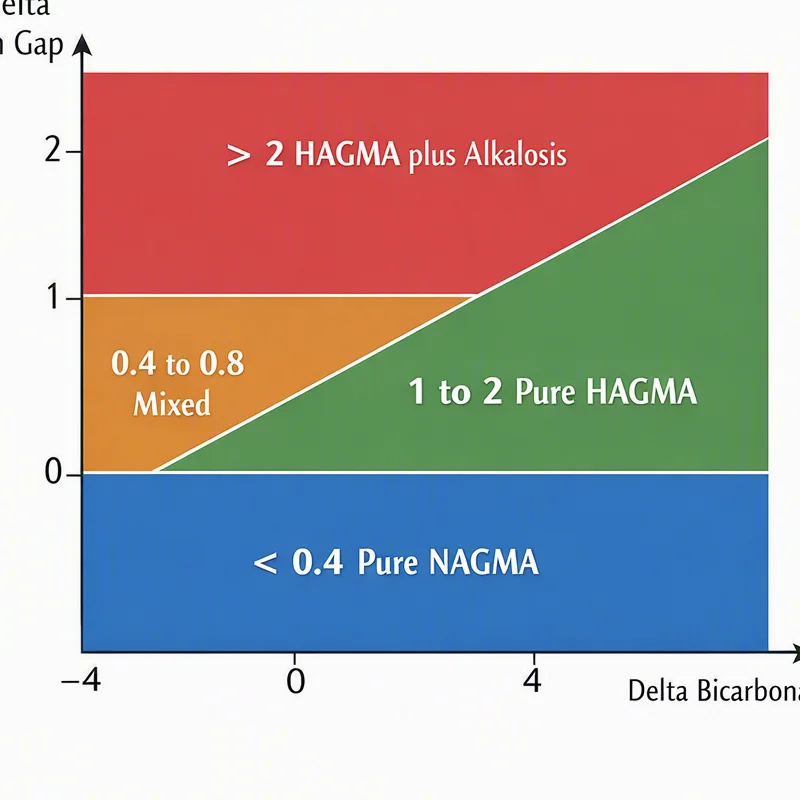
Anion gap calculation and worked examples
The most common anion gap expression is:
Anion gap = serum sodium − (serum chloride + serum bicarbonate)
This calculation uses serum sodium, serum chloride, and serum bicarbonate from a routine lab result. Some laboratories use a slightly different method, and potassium was included in some older formulas, but the sodium-based version is widely used in routine practice.
For example 1, if the serum sodium is 140, the serum chloride is 102, and the serum bicarbonate is 24, the anion gap is 140 − (102 + 24) = 14. This value may sit inside the lab reference range depending on the method used.
For example 2, if the serum sodium is 138, the serum chloride is 100, and the serum bicarbonate is 12, the anion gap is 138 − (100 + 12) = 26. This higher value raises concern for high anion gap metabolic acidosis and should prompt review of the full clinical picture.
Example sepsis AG changes 3: if the sodium is normal but bicarbonate is low with a normal gap, this may point toward normal anion gap metabolic acidosis. The calculator can help identify the pattern, but interpretation depends on the cause and associated findings.
Typical anion gap reference range and what affects it
The reference range for anion gap varies by testing facility because of discrepancies in test methods and reporting standards. For this reason the reference interval listed on the report carries more weight than a single cutoff. A result that seems high in one lab may be normal in another.
Albumin is one of the main factors that affects the result. Since albumin is a negatively charged protein, lower albumin levels can make the gap appear smaller than it truly is. In patients with low albumin, albumin correction may be necessary to more accurately estimate the true gap. This is a reason a single number should not be interpreted in isolation by itself.
Other influences include shifts in measured cations, shifts in protein levels, and variations in analyzer techniques. Some medications, toxins, and uncommon blood proteins can also affect the value. For this reason, interpreting the anion gap is not just a math problem; it is a assessment of chemistry, context, and clinical pattern recognition.
Increased anion gap versus normal anion gap
A high result often suggests high anion gap metabolic acidosis, which occurs when hidden acids accumulate in the blood. Common causes include lactic acidosis, ketoacidosis, and kidney failure. In these situations, bicarbonate is consumed as the body counteracts excess acid, and the gap rises because the missing bicarbonate is replaced by unmeasured anions.
Lactic acidosis can occur when tissues do not get enough oxygen, when severe infection is present, or when other systemic stressors drive lactate production. Ketoacidosis is often associated with diabetes, alcohol use, or prolonged fasting. Kidney failure can reduce the body’s ability to clear acids, which also increases the gap.
By contrast, normal anion gap metabolic acidosis usually reflects a loss of bicarbonate rather than buildup of unmeasured acid. Common mechanisms include gastrointestinal bicarbonate loss or renal tubular problems. The gap stays normal because chloride often rises to compensate for the loss of bicarbonate, even though the patient still has an acid-base problem.
Understanding whether the pattern is high or normal is a major step in the interpretation of the result. Both patterns can indicate a serious metabolic disorder, but they point toward different underlying cause pathways and therefore different next steps.
Reduced anion gap reasons and clinical meaning
A decreased anion gap is not as common than a high one, but it can still be clinically meaningful. One of the most common causes is hypoalbuminemia, because albumin adds substantially to the unmeasured anions in blood. When albumin is low, the gap may decrease even if there is no true acid-base abnormality.
Albumin correction is especially important here. If the albumin is low, a corrected calculation may show anion gap clinical significance that the apparent low gap is mostly driven by reduced protein levels rather than a separate disorder. This avoids overcalling an abnormal result and assists address the real issue.
Other causes include lab artifact, elevated unmeasured positively charged proteins, and certain medications or toxins. Multiple myeloma is a classic clinical association because abnormal immunoglobulins can decrease the gap. Lithium exposure can also reduce the gap because lithium is an unmeasured cation that may change the balance of charged particles.
A low value should not be overlooked, but it should also not be read too strongly without the full picture. The result may reflect protein changes, medication effects, or measurement issues rather than a dangerous acid-base problem. That is why review of the full chemistry report and clinical scenario is essential.
How to understand anion gap in blood test results
Accurate blood test interpretation starts with the full set of electrolytes, not just one number. The anion gap should be viewed together with sodium, chloride, bicarbonate, kidney function, glucose, and additional unusual findings. A single abnormal result may count less than a repeated pattern across several measurements.
Initially, confirm that the values came from a valid blood chemistry panel and that the reported normal range used by the lab matches the method used by that lab. Then, look at the bicarbonate level. If bicarbonate is low, ask whether the anion gap is high, normal, or low, because that distinction can guide the diagnosis.
Next, consider the medical context. Symptoms, recent illness, medications, fluid status, kidney function, and nutrition all matter. For example, low albumin from chronic illness can change the interpretation, while signs of infection or poor perfusion may make lactic acidosis more likely. This is where the calculator becomes not merely a mathematical shortcut; it helps with structured clinical reasoning.
It is also important to remember that the anion gap is a screening clue, not a final diagnosis. A result can indicate an acid-base pattern, but it does not by itself identify the exact cause. The right next step may include repeat testing, albumin correction, blood gas analysis, or additional studies according to the scenario.
When to consider clinical evaluation
Any abnormal anion gap should be considered in relation to symptoms and the overall situation. Small shifts without symptoms may simply need reassessment and repeat testing. However, a major difference from the expected range, especially with low bicarbonate, may indicate severe acidosis that needs urgent attention.
Symptoms like rapid breathing, confusion, severe weakness, vomiting, chest pain, dehydration, or worsening illness can suggest a more serious problem. In these cases, emergency care may be necessary, especially if the blood chemistry shows a significant imbalance or the person is visibly unwell.
Physician review is crucial whenever the result is unanticipated, persistent, or paired with other concerning findings. This is particularly true if there is known kidney disease, diabetes, toxic exposure, infection, or unexplained changes in mental status. A clinician can relate the lab pattern with symptom assessment and decide whether additional treatment or testing is needed.
Questions about anion gap blood tests
What is an anion gap calculator used for?
An anion gap calculator is used to rapidly estimate the anion gap from routine blood chemistry values. It helps clinicians and patients understand blood test results, identify possible acid-base disturbances, and decide whether the pattern fits a high, normal, or low gap. It is a helpful diagnostic tool, but it works best when used with the full clinical picture.
How do you calculate anion gap from blood test results?
To calculate anion gap, use the common anion gap formula: serum sodium minus the sum of serum chloride and serum bicarbonate. In other words, serum sodium − ( serum chloride + serum bicarbonate). This can be done manually or with an Anion Gap Calculator using values from a blood chemistry panel.
What does a high anion gap mean?
A elevated result often suggests high anion gap metabolic acidosis, meaning there may be additional unmeasured acids in the blood. Frequent causes include lactic acidosis, ketoacidosis, and kidney failure. The result should be reviewed with other lab values and the patient’s clinical context.
What can cause a low anion gap?
A low anion gap is often associated with hypoalbuminemia, since low albumin reduces the number of unmeasured anions. Other causes include multiple myeloma, lithium exposure, and occasional lab-related issues. If albumin is low, albumin correction may affect the interpretation.
Should albumin be included when interpreting the anion gap?
Yes, albumin should be included because it greatly affects the result. If albumin is low, the raw number may not reflect the true gap, which is why albumin correction is often necessary. Including albumin enhances the accuracy of blood test interpretation and helps lower missed acid-base abnormalities.