What Does 'Sleep Quality' Mean If You Sleep 8 Hours but Feel Wrecked?
You’ve done everything “right.” You’ve stuck to your bedtime, you’ve kept the room cool, and you’ve logged a solid eight hours in bed. Yet, when the alarm goes off, you feel like you haven’t slept at all.
You are groggy, irritable, and already dreading the day ahead. This is the phenomenon of unrefreshing sleep—a frustrating experience that leaves many questioning the widely accepted mantra that "eight hours is enough."
The truth is, sleep is not a simple volume knob. It is a complex architectural process. When we talk about health, we often get fixated on the numbers—the duration—at the expense of the structure. If you are sleeping for eight hours but still feel "wrecked," your body is likely struggling to navigate the stages of sleep required for true restoration.
In this guide, we are going to look at why this happens, how the UK clinical pathway approaches the problem, and what steps you can take to move beyond the frustration of inconsistent sleep.
Sleep Quality vs. Duration: Why the Math Doesn't Always Add Up
To understand why you feel tired despite a full night’s sleep, you have to look at what happens while you are unconscious. Sleep is divided into cycles, each lasting about 90 minutes. Within these cycles, you rotate through different stages:
Light Sleep (Stages 1 and 2): This is the transition phase. It is relatively easy to wake up during these stages. Deep Sleep (Stage 3): Often called Slow Wave Sleep (SWS). This is when your body repairs tissues, boosts immune function, and clears out metabolic waste from the brain. REM Sleep (Rapid Eye Movement): The stage associated with dreaming, memory consolidation, and emotional regulation.
If your sleep architecture is interrupted, you might spend the bulk of your eight hours in Stage 1 or 2. You have technically been in bed for eight hours, but you have been deprived of the restorative benefits of deep sleep. This is why people with inconsistent sleep patterns often wake up feeling like they’ve been hit by a truck.
That said, it isn't just about missing stages. It’s also about the fragmentation of your sleep. If you are micro-waking dozens of times throughout the night—often due to undiagnosed disturbances—your brain never reaches the sustained level of depth needed to "recharge the battery."

Disorders Beyond Insomnia: It’s Not Always Just Stress
In the public consciousness, "sleep problems" are often lumped under the umbrella of insomnia. However, clinical practice recognizes a wide range of sleep disorders that can significantly degrade quality without necessarily preventing you from falling asleep.
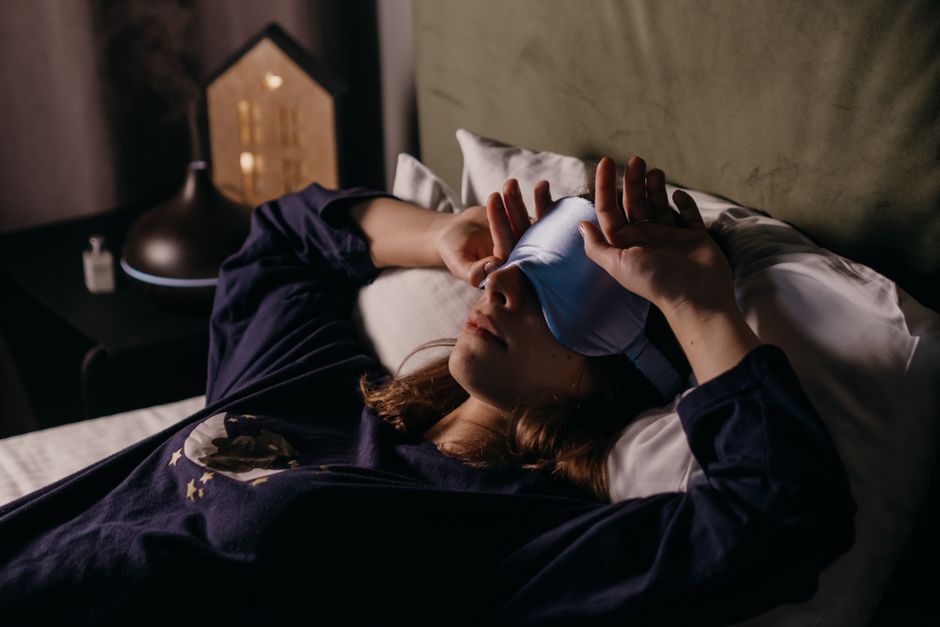
If you find that your sleep is consistently unrefreshing, it is important to consider if something else is at play:
Condition What it looks like Why it ruins quality Obstructive Sleep Apnea (OSA) Snoring, gasping for air, or paused breathing. Prevents deep sleep by forcing the body to wake up (even briefly) to breathe. Periodic Limb Movement Disorder (PLMD) Involuntary twitching of the legs during sleep. Causes frequent micro-arousals that shatter sleep continuity. Circadian Rhythm Disorders Sleeping 8 hours, but at the "wrong" time. Conflicts with your natural biological clock, leading to poor sleep efficiency.
You ever wonder why if you suspect an underlying physical cause like osa or plmd, no amount of "sleep hygiene" will fix the issue. You need a formal clinical evaluation, which often involves a sleep study (polysomnography).
The Standard UK Pathway: A Step-by-Step Approach
If you approach a GP in the UK with complaints of chronic, unrefreshing sleep, there is a standard, evidence-based pathway they will typically follow. This isn't about trial and error; it's about systematically ruling out manageable factors before moving to clinical interventions.
Step 1: Sleep Hygiene Assessment
The first step is almost always a review of your sleep hygiene. While it sounds basic, these techniques are the foundation for any restorative sleep. They include:
Consistency: Waking up at the same time every day, including weekends, to anchor your internal clock. Light Exposure: Seeking natural sunlight within 30 minutes of waking to signal to your brain that the day has begun. Stimulant Management: Cutting off caffeine intake at least 8 to 10 hours before bedtime. Temperature Control: Keeping your bedroom around 18°C (65°F), as the body needs to drop its core temperature to initiate deep sleep.
Step 2: Cognitive Behavioural Therapy for Insomnia (CBT-I)
If sleep hygiene isn't enough, the gold-standard treatment in the UK (supported by NICE guidelines) is CBT-I. Unlike general talk therapy, CBT-I is highly structured. It focuses on changing the thoughts and behaviors that prevent you from falling or staying asleep.
What the process looks like:
Sleep Restriction Therapy: Initially, you limit the time you spend in bed to match your actual sleep duration, then gradually increase it as your "sleep efficiency" improves. Stimulus Control: Learning to associate your bed only with sleep, not with reading, watching TV, or worrying. Cognitive Restructuring: Identifying and challenging "sleep anxiety"—those intrusive thoughts about how tired you’ll be tomorrow if you don't sleep tonight.
CBT-I is highly effective because it addresses the "vicious cycle" where the fear of not sleeping causes the very physiological arousal that keeps you awake. That said, it requires dedication. It is not a quick fix; it is a skill-building process that usually takes 6 to 8 weeks to show significant results.
Step 3: Medical and Pharmacological Interventions
In some cases, your GP may consider short-term medication. In the UK, this is strictly regulated. Doctors are generally cautious about prescribing sedatives or hypnotics for long-term use due to the risk of dependency and the fact that they often mask, rather than treat, the underlying issue.
Short-term meds are typically reserved as a "bridge" while you wait for CBT-I to take effect or while further tests are conducted to rule out physical disorders like sleep apnea.
When Should You Look Beyond Conventional Options?
So, what happens when you’ve mastered the hygiene, completed a course of CBT-I, and ruled out physical disorders, yet you still wake up feeling wrecked? This is the point where many patients feel abandoned by the system. However, this is also where you must become an advocate for your own health.
When conventional options hit a wall, it is time to look deeper into the "invisible" factors affecting your internal state. This is not about seeking "miracle cures" or expensive supplements—most of which lack robust, peer-reviewed evidence. Instead, it is about shifting focus toward specialized investigation.
You might consider asking for a referral to a specialist sleep center. At these centers, they don't just ask about your bedtime; they conduct comprehensive sleep studies. These studies can reveal issues with your sleep architecture that standard questionnaires miss. For instance, you might be experiencing "arousal threshold" issues, where your brain is hyper-vigilant and constantly pulling you out of deep sleep due to noise or environmental stressors you aren't even consciously aware of.
The Importance of Advocacy
When you start looking beyond standard pathways, please be wary of the "miracle-cure" framing that permeates the wellness industry. Many blogs will promise that a certain herb, a specific type of blue-light blocking glasses, or a proprietary supplement will "instantly" fix your sleep. If a claim sounds too good to be true, it almost certainly is.
Sleep is a biological process governed by your nervous system. There is no magic switch. If you are considering alternative approaches, look for those that have been vetted by regulatory bodies or integrated into legitimate medical practices. Always check the dates on research studies—older studies on sleep can often be superseded by new findings on circadian biology.
Final Thoughts: Moving Forward
Waking up tired after eight hours is a legitimate medical concern. It is not "all in your head," and it is certainly not a character flaw. If you feel wrecked, your body is signaling that it is not achieving the rest it needs to function.
If you take anything from this, let it be this: start with the foundations, engage with the evidence-based pathways like CBT-I, and do not be afraid to demand further investigation if you feel like something is being missed. Recovery from unrefreshing https://astrodud.io/medical-cannabis-for-sleep-disorders-what-uk-patients-experience/ sleep is possible, but it requires patience, data-driven decisions, and a clear understanding of your own biological needs.
Keep a sleep diary for two weeks—noting your energy levels, caffeine intake, and any midnight awakenings—and take that data to your GP. It is the most powerful tool you have to prove that there is more to your sleep than just the time on the clock.
Disclaimer: I am a former NHS communications writer and patient-education freelancer, not a doctor. This content is for informational purposes only and does not constitute medical advice. Always speak with your GP or a qualified sleep specialist regarding your specific symptoms before starting any new treatment or protocol.