Prepare Your Home Prior To the Crew Arrives A Smart Checklist
Prepare Your Home Before the Crew Arrives: A Smart Checklist
A well-prepared home changes the character of moving day. Instead of a scramble of questions and last‑minute tape, the crew walks into clear paths, labeled rooms, and a plan that fits your space. Preparation does not only shave minutes, it prevents damage, avoids delays, and lets you keep control of what matters most. After two decades walking through doorways with sofas, appliances, and heirlooms, I have seen small details decide whether a move feels calm or chaotic.
Below is a practical checklist that matches how moving crews actually work. It follows the order a team experiences your home: parking, access, walk‑through, protection, and load. The advice applies whether you booked a full‑service move or you are handling the packing yourself.
Why preparation matters more than you think
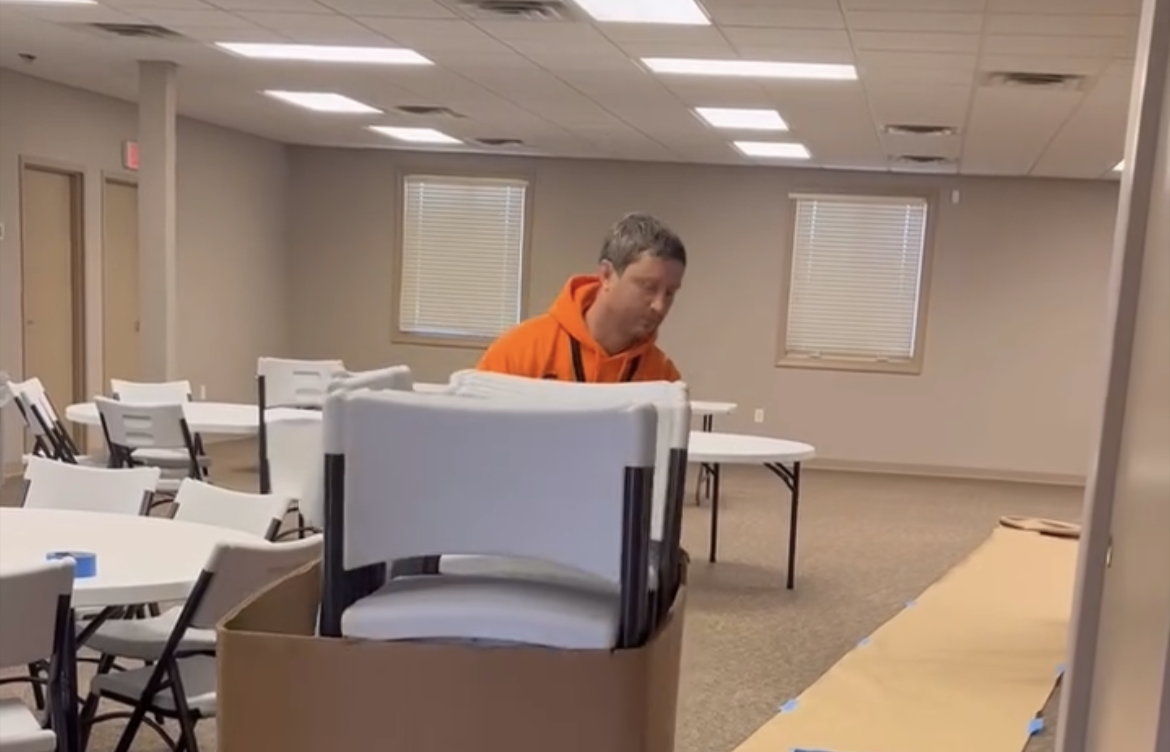
Crews move faster in predictable environments. Every time they stop to ask where a box goes, whether a drawer is empty, or how to protect a glass tabletop, the clock ticks and risk increases. One missed elevator reservation, a blocked stairwell, or a frozen fridge line can set you back hours. On the other hand, a clear staging plan, good labels, and a ready home often cut one to three labor hours on an average two‑bedroom move and reduce avoidable scrapes to near zero. If you think of moving time in dollars, the math is straightforward.
The last 72 hours: set the stage
Most of the work that pays off happens in the final three days. Use that window to make decisions, not on moving day. Be honest about what is not going on the truck. Donate or sell items ahead of time, not while the crew waits at the curb. If you plan to use storage, separate storage items into a defined zone. If you are moving long distance, confirm essentials will ride with you.
If you have children or pets, arrange care for loading day. A door will stay propped open for hours and pathways will be tight. The safest plan is to keep small feet and paws off the map entirely that day.
Curb, driveway, and building access
Crews start at the street. If they cannot park close, everything takes longer. In dense neighborhoods, a legal curb space at the right time can save half an hour of walking with weight. In apartments and condos, the bigger risk is elevator access and building rules. Some buildings require certificates of insurance and limit moves to certain hours.
Before the crew arrives, confirm where the truck can stop and who controls that space. If a driveway is shared, warn neighbors. If a street permit is required, secure it. On private lanes, ensure gates open wide enough for a truck and that low branches are trimmed. It sounds tedious, but a truck repositioned twice on a narrow street eats daylight quickly.
Floors, doorways, and stair protection done right
Good crews arrive with runners, blankets, and corner guards, but there are two things only you can do in advance. First, pick up throw rugs, power cords, and clutter from traffic lanes. The fastest way to a twisted ankle is a rolled rug under a loaded dolly. Second, measure the tight spots. Hall turns, low ceilings on basement stairs, and the narrowest door in the house are the pinch points that decide whether a sectional or dresser goes out in one piece.
If you are curious how the pros judge fit, we use two measurements: diagonal depth of the furniture and the clear path height and width. For a sofa, measure from the back top corner to the front bottom corner. If that diagonal exceeds your doorway height or stairwell space, we plan a tilt or disassembly. When in doubt, photograph the path and send measurements to your coordinator a day ahead. Avoid surprises.
The guided walk‑through the crew actually needs
Every good move begins with a brief tour. Many homeowners try to cover everything at once and overwhelm the first five minutes. Focus on the decisions that change the plan:
Show what is not going, room by room, with a tape or sticky note on those items. Point out fragile pieces or pre‑existing damage. Identify the load priority zone, the items you need access to first at destination. Confirm which boxes are heavy, delicate, or mislabeled. Explain any building rules, elevator windows, or parking constraints.
Keep the tour under ten minutes. Then let the crew get to work. You can always answer detailed questions later. This structure keeps momentum and avoids confusion.
Box readiness, labeling, and the trap of “just a few open boxes”
Most delays come from half‑packed rooms. A dozen open boxes spread across a bedroom create a kind of packing quicksand, where the crew alternates between carrying and waiting. Aim to have all lids closed and taped before the crew arrives. Anything you still need to use should be grouped in one “live zone” that is clearly off‑limits.
Labels pay for themselves. A clear label includes destination room and a short content hint. “Primary Bedroom - Nightstand” beats “misc.” Avoid labeling ten boxes “kitchen” and calling it done. The unpacking cost of generic labels is high.
If you want to cut your unpack time in half, use two labels on opposite sides of each box so the label is visible no matter how the stack lands. I have timed this over dozens of jobs. Two visible labels reduce the shuffle at destination and turn a 6‑hour kitchen setup into a 3‑ to 4‑hour job.
Appliances, utilities, and the non‑negotiables
Refrigerators, washers, and gas dryers introduce risk if rushed. Your fridge should be emptied, wiped, and unplugged at least 12 hours before loading so the evaporator can defrost and drain. If your model has an ice maker line, shut the water supply and disconnect carefully. Keep a small towel and a shallow tray ready for residual water. For washing machines, install transit bolts if the manufacturer requires them to lock the drum. Crews carry generic stabilizers, but the factory kit is best.
For gas connections, hire a qualified technician to disconnect and cap lines in advance. Movers are not licensed for gas work. For electric dryers and ranges, verify plug type and breaker capacity at your new home. A mismatch can turn a simple installation into a same‑day shopping trip.
Disassembly without drama
Beds, large tables, and modular sectionals usually come apart. The most common failure here is hardware loss. Use small zip bags, label them by item, and tape each bag to the bed slat or table underside. For platform beds with dozens of slats and fasteners, photograph each step when you take them apart. Those photos are gold during reassembly, especially after a long haul.
Power down TVs and computers, coil cables, and label them by device. For TVs, the safest ride is the original box, but a good moving crew can build a protective sleeve from a flat‑panel carton with foam corners. Remove table legs if they thread out. Protect glass shelves with cardboard and soft wrap, and note “glass” clearly.
Protecting furniture the way pros do
Proper use of moving blankets and stretch wrap matters. Blankets protect against friction and impact. Stretch wrap holds blankets in place and keeps doors and drawers shut. For high gloss finishes and leather, avoid direct plastic on the surface in heat. Plastic traps moisture and can cause prints or clouding on a hot day. Put a blanket layer against the surface, then wrap.
For sharp furniture edges and frames, corner guards prevent the cut that ruins drywall and veneer in one blow. If you have a fragile stairwell corner, flag it during the walk‑through. A crew can install a foam guard or a temporary cardboard cap in two minutes.
What to do with liquids, flammables, and perishables
Crews cannot safely load many household liquids, especially flammable or pressurized products. That includes propane, some paints and solvents, and many aerosols. Bleach and ammonia belong nowhere near textiles or food. If you must move them yourself, seal the lids with tape and carry upright in a plastic bin. For long‑distance moves, it is better to dispose of or donate these items.
Perishables spoil quickly in closed trucks. Empty the fridge and freezer the day before. If you plan a same‑day move across town, a small cooler for essentials is fine. For longer trips, assume all perishables stay behind.
Your personal essentials and what should not go on the truck
Treat a move like a short trip. Passports, medication, jewelry, checkbooks, daily electronics, a change of clothes, basic toiletries, and chargers should stay with you. If you work from home, keep your laptop and an external drive in your car. Important home documents like closing papers, lease agreements, and inventory lists also travel with you. If you need a fast start at the new place, add a small toolkit, box cutter, light bulbs, trash bags, and a few felt pads for furniture feet.
The “landing zones” method inside your home
Crews move faster when they can sort by zone. Use painter’s tape to mark a landing area near the entry for each major room or category. For example, blue tape on the floor labeled “Bedroom 1,” “Bedroom 2,” “Kitchen,” and “Fragile.” This helps during the load and pays off at destination when similar items stay together in the truck. It also keeps the path clear so dollies do not weave around piles that make no sense.
In larger homes, designate a staging garage bay or a dining room as the central sort area. For apartments, use the living room as the primary zone and keep side rooms closed until they are ready. This rhythm reduces backtracking.
Timing the last trash run and the final clean
Schedule your last trash pickup or dump run before moving day. The worst moment to realize your bins are full is when the crew unveils a closet full of packing paper. If you hire cleaners, book them after the truck leaves, not during the load. Cleaners and movers in the same rooms trip each other up, and someone always ends up waiting.
If you need to hand over keys on the same day, communicate that deadline when you book your move. A crew can plan the sequence to get you out on time, but only if they know the constraint early.
The short list: what your crew wants ready at arrival
Clear, legal parking close to the entrance and any elevator reservations in place. All boxes packed, sealed, and labeled on two sides with destination rooms. Furniture pathways free of rugs, cords, and clutter, with pinch points measured. Appliances emptied, unplugged, defrosted or disconnected, with manuals and hardware bagged. A simple walk‑through of what is not going, fragile items, and any time constraints.
This small list does most of the work. Everything else is refinement.
A note on inventory and the habit that prevents loss
It is not complicated. A numbered box list and a quick phone photo of each shipping label eliminate mystery. Keep the list on paper and in the cloud. Number by room or category, then record the range loaded from each room. If Box 12 of 12 Kitchen is missing at destination, you will know to look for a stray “Kitchen 7 of 12” that wandered into the living room stack. On long‑distance moves, a short video sweep of the truck at closeout adds certainty.
When full‑service is worth it, and what that means for prep
A full‑service move usually includes packing, protection, disassembly, loading, transport, unloading, and basic reassembly. It is worth it when time, complexity, or physical constraints outmatch your capacity. For instance, two working parents with a three‑bedroom home and a same‑day key exchange often come out ahead. Your preparation shifts from taping boxes to decisions: what to keep, how to label rooms, and how to stage. You still handle access, pets, and personal essentials, and you still benefit from a clear plan inside the home.
Weather, season, and how to adapt
Heat, cold, and rain change the day. In summer, protect items that deform with heat, like candles, cosmetics, records, and some electronics. Pack them to ride with you in a climate‑controlled car. In winter, salt and shovel all walkways before the crew arrives. Ice on steps is not only dangerous, it slows every trip. In rain, crews can create a dry path with runners, but you can help by staging boxes away from the threshold and handing off in batches to minimize moisture inside.
Humidity matters for wood furniture. Rapid humidity changes can cause slight shifts in panels. If you are moving from a humid climate to a dry one, keep a light blanket between stacked wooden pieces and avoid overtightening screws during reassembly in the first 48 hours. Let the material acclimate.
Communication that keeps the day smooth
Assign one decision maker for the crew. Split instructions create confusion. If you have a partner, agree on default answers to common questions: where the heavy dresser goes, whether to disassemble the crib, what to do with outdoor planters. Keep your phone ringer on and chargers handy. If your building or HOA requires a certificate of insurance, verify that the moving company sent it and that the building acknowledged receipt at least a day prior.
moving companies in greenville nc
Smart Move Moving & Storage: how we set up the first hour
At Smart Move Moving & Storage, the first hour sets the pace. We park, place door and floor protection, then do a guided walk‑through with a simple set of questions: what stays, what goes first, what is fragile, and what is time‑sensitive. If you are working with a local moving company in Austin or a similar urban market, this order is standard for tight parking and timed elevators. We split the crew at once, with one lead handling disassembly and protection, and the rest building an outbound staging line. When clients have prepared landing zones and labels, we average 15 to 25 percent faster load times over a comparable unprepared home.
One anecdote stands out. A client had a complex modular sofa with hidden clips and a spiral staircase at the exit. The night before, he photographed the clip locations and measured the stairwell landing. Those two actions allowed us to choose the right split points and move the sections safely with two movers instead of four, saving almost an hour and a half of crew time and avoiding a risky balcony hoist.
How Smart Move Moving & Storage approaches fragile items and art
Fragile items benefit from a dedicated staging surface. At Smart Move Moving & Storage, we ask clients to clear a dining table or folding table for fragile prep. Glass, mirrors, and artwork get a clean, padded work area and a wrap that fits the piece. For mirrors and framed art, we use corner protectors, paper pad, and an outer carton. If you pack your own, remember that glass faces better with a layer of paper between the glass and any wrap to prevent print transfer. For plates and glasses, vertical packing with plenty of cushioning reduces breakage. Avoid packing plates flat at the bottom of a heavy kitchen box. Place them on edge with a buffer.
For TVs, we label the cable bundle by port and device, and tape the bag to the TV stand or wall mount bracket. If you plan to wall‑mount at the new home, keep the hardware accessible in your essentials bag. Digging through a sea of boxes to find a small bag of lag bolts is a classic time sink.
Dealing with what does not fit
Despite measurements, some items resist. Tight turns, low soffits, or a door that will not completely remove can force a change. We consider four safe options. First, further disassembly, including removing baseboards or legs. Second, a balcony or window extraction using proper straps and an extra spotter, but only when the structure allows and the path below is secure. Third, rerouting through a garage or a back door that was not the original plan. Fourth, leaving the piece behind for sale or donation. What we never do is force an item that will scar walls or crack joints. A small change of plan beats a permanent gouge.
If you anticipate a problem piece, notify your moving company when booking. They can bring special gear like piano boards, shoulder dollies, or extra manpower.
Payment, paperwork, and the last five minutes
Have your preferred payment method ready and know the terms. If you are using a card, confirm the cardholder will be present or arrange authorization in advance. Review the bill of lading and any inventory notations. Walk the home one last time with the crew lead, checking closets, attic accesses, under sinks, and behind doors. People forget TVs mounted on walls, items in storage benches, and glass shelves removed for packing.
At destination, direct high‑value items first, then heavy furniture. Boxes can stack, furniture placement cannot. After the truck is empty, have the crew reassemble beds before they leave. Ending the day with made beds is the quickest way to feel settled.
A compact room‑by‑room pass the week before
Kitchen: Use up perishables, pack the pantry intelligently, and group small appliances. Pull the fridge forward and clean the coils if you plan to move it. Bedrooms: Strip out under‑bed storage, pair fitted screws and hardware with each bed, and label linens by bed size for quick reassembly. Living room: Declutter media consoles, coil and label cables, and measure the sofa against doorways and stairs. Bathroom: Pack backups early and leave one small caddy for move day. Drain and dry any shower caddies and pumps to avoid leaks in boxes. Garage/outdoor: Empty fuel from small engines, bundle long tools, and verify access for any large items like safes or grills.
This sweep avoids the last‑day scramble that creates half‑packed rooms.
Common pitfalls and how to sidestep them
Underestimating box count is frequent. A typical two‑bedroom home requires 60 to 90 medium boxes plus specialty sizes. Running out at midnight creates a patchwork of odd containers that do not stack well. Buy extra. What you do not use, you can return or repurpose.
Overfilling boxes to “save boxes” is a trap. A kitchen box over 50 pounds is a back injury waiting to happen. Keep heavy boxes small and fill voids with light items like towels. Conversely, do not leave large boxes half empty. They crush under weight and shift in transit.
Forgetting about attics and sheds happens more than you think. They take longer to empty because of ladders, dust, and odd‑shaped items. Clear them first, not last.
Leaving wall mounts, curtain hardware, or shelf pegs behind creates frustration in the new home. Bag and label those small pieces during the takedown.
What great preparation feels like on moving day
The front door is protected, the first dolly goes straight to a defined staging zone, the kitchen boxes are labeled on two sides, and the beds come apart with hardware taped in place. Appliances are dry, safe, and ready. Hallways are clear. The decision maker is present, calm, and available. The crew asks a few questions, then hits rhythm. By midday, the truck is loaded in stable tiers with heavy furniture strapped and lighter boxes locked in above. At destination, boxes flow to their rooms, beds go up fast, and the last hour is placement, not search and rescue.
Preparation does not ask for perfection, just intention. A few focused actions in the days before the truck pulls up shift the whole experience from reactive to controlled. Crews notice. They work more efficiently, you worry less, and your belongings travel safer. That is the point of a smart checklist.