How Do I Avoid Signing a Lease Where I Cannot Legally Operate My Studio?
Leasing commercial space for a specialist studio—whether it’s broadcast, production, or technical operations—is anything but straightforward. From fixed installations to demanding fit-outs, today’s studio tenants face a unique set of challenges that reshape traditional commercial leasing dynamics.
In this guide, we explore how to avoid committing to a lease where your studio operation would be legally or practically impossible. We’ll cover key factors such as lease permitted use, compliance requirements, security controls, https://www.officefinder.com/officeblog/the-studio-economy-why-live-streamed-entertainment-needs-serious-commercial-space/ regulator inspection access, and the often-overlooked technical needs like electrical capacity, UPS, generator backup, and cooling.
Along the way, we’ll naturally reference organizations and tools relevant to your search, including OfficeFinder for sourcing suitable spaces, MrQ in the context of new tenant classes, and the Gambling Commission as an example of regulator inspections.
Understanding Your Studio's Unique Leasing Challenges
Compared to traditional office or retail tenants, studios have far more complex requirements. The following points are deal killers if overlooked early in the leasing process:
Fixed studio installations typically come with massive upfront fit-out costs. Clear height and floor loading requirements are usually non-negotiable. Electrical capacity must exceed standard office specifications by a wide margin. Reliable backup power solutions like Uninterruptible Power Supply (UPS) and generators are crucial for uninterrupted operation. Security controls and regulator access can influence your lease terms dramatically.
The New Tenant Class Reshaping Commercial Leasing
Specialist studios represent a growing tenant class that doesn’t fit the traditional mold. They often require:
High-power electrical feeds to support equipment racks, transmission devices, and production consoles. Soundproofed, vibration-isolated spaces impacting the building’s overall use profile. Permanent physical alterations that landlords might be reluctant to approve, unless explicitly permitted.
OfficeFinder has noticed this tenant class’s rising influence, pushing landlords and agents to rethink standard lease templates and commercial listings. Unlike cookie-cutter “office space,” listings boasting “great for studio” are often vague—never trust these without verified technical specs.
Lease Permitted Use: The Legal Starting Point
Before even stepping foot in a potential space, scrutinize the lease permitted use clause. This legal language dictates what activities you can conduct and sets the guardrails for your studio operation.
Be specific: Ensure "studio," "broadcast," or "technical operations" are explicitly permitted, not just generic "office" or "commercial." Check local zoning: Beyond the lease, the building must comply with municipal zoning laws for your use. Don’t rely on verbal assurances: Always get permissions in writing, preferably embedded in the lease.
Miss this step, and a Gambling Commission-style regulator inspection or other authority visit could halt your operations for illegal use.
Compliance Requirements and Security Controls
Studios often operate under strict compliance mandates, especially in regulated domains like gambling or broadcasting. You must incorporate these needs into lease negotiations:
Security Systems: Access controls, CCTV coverage, and physical barriers might be necessary. Regulator Inspection Access: Authorities such as the Gambling Commission require unimpeded access for audits or investigations. Data Protection and Confidentiality: Some spaces must meet high standards for data security, affecting fit-out options.
Always ask the landlord upfront if such controls are feasible, who controls them, and what costs you’ll bear.
Fixed Studio Installations and Fit-Out Costs
Your studio will likely demand high-cost permanent installations—think acoustic treatments, specialty cabling, and equipment racks.
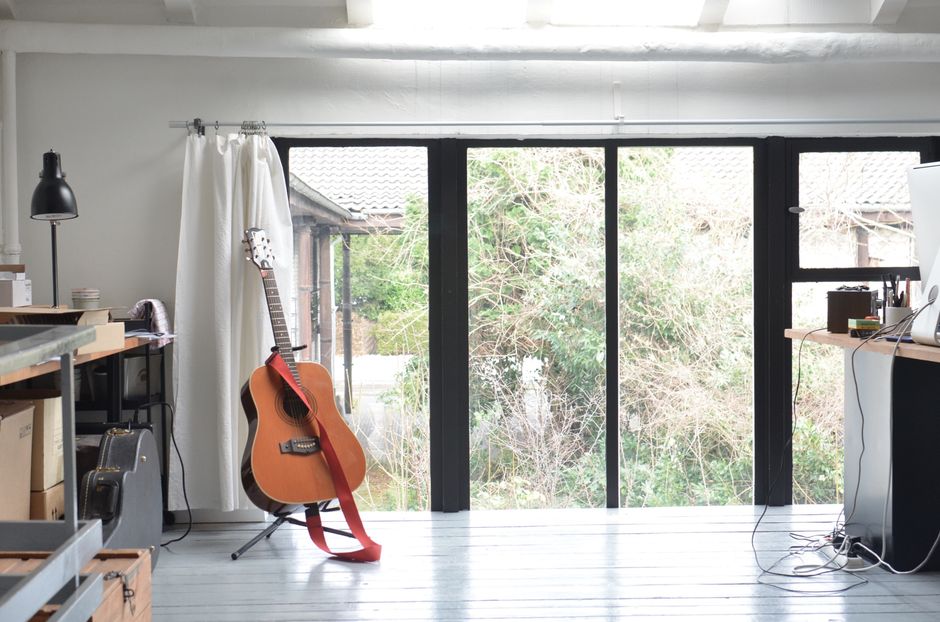
Factor these into your leasing decisions:
The lease must allow alterations, not just superficial decorations. Standard leases often pretend alterations are optional; get explicit landlord consent. Consider recovery clauses: can you remove these without stripping or damage at lease end?
One of my pet peeves is seeing “studio-ready” listings that ignore these realities. If your landlord isn’t on board early, you risk losing thousands in aborted fit-outs or worse—illegal unauthorised works.
Non-Negotiable Space Specifications: Clear Height and Floor Loading
If your operation uses bulky or heavy equipment, clear height and floor loading specs are critical deal breakers:
Specification Typical Studio Requirement Why It Matters Clear Height 12ft+ (3.6m+) Allows for equipment racking, lighting grids, and acoustic treatments. Floor Loading Up to 250 lbs/sq ft (1200 kg/m²) or higher Supports heavy racks, broadcast consoles, and cooling equipment.
Don’t accept a lease with “standard office” floor specs if your gear weighs more. Early conversations with building engineers and reviewing electrical single-line diagrams can confirm capacities.
Electrical Capacity: The Backbone of Studio Operations
Studio spaces need far more power than typical office environments. Confirm these elements early:
Total available power: Compare the building’s electrical capacity against your planned equipment loads. Distribution redundancy: Are separate electrical feeds or circuits provided? Backup power provisions: Understand how an Uninterruptible Power Supply (UPS) and generator backup will integrate and who maintains them. Cooling and HVAC: High electrical consumption often means heat loads; proper cooling is essential.
Always request the landlord’s electrical single-line diagram early to avoid surprises. Late issues here are common deal killers, especially for studios with technical or broadcast requirements.
Role of Uninterruptible Power Supply (UPS) and Generator Backup
Continuous uptime is non-negotiable in studios. UPS and generators provide critical backup power:
UPS: Protects sensitive equipment from short-term power interruptions and voltage spikes. Generator Backup: Kicks in during prolonged outages to maintain full operational capability.
Confirm backup power load thresholds and test schedules with your landlord or building facilities manager. Lack of reliable power backup can invalidate regulatory approvals or operator licenses.
Tips for Tenant Due Diligence and Negotiation
Here’s a blunt checklist to keep handy when you’re negotiating a lease for your studio space:
Request the building’s electrical single-line diagram immediately. Confirm zoning and lease permitted use with legal counsel. Verify security controls and regulator inspection access procedures. Obtain clear floor loading and ceiling height specs in writing. Negotiate permanent fit-out alterations clauses that protect your investment. Check backup power availability and cooling system capacity. Engage experienced advisors—platforms like OfficeFinder can help identify compliant listings.
Practical Example: Regulated Tenants like MrQ
Consider MrQ, a regulated gambling operator. Their studios must adhere to strict gaming laws and oversight by the Gambling Commission. Their leases incorporate:
Explicit permitted use for gaming studio operations. High standards for access control and regulator inspection rights. Backup power and cooling systems to guarantee uninterrupted service.
If you’re in a similarly regulated sector, your lease will need to reflect these exacting standards. Avoid generic leases at all costs.
Conclusion: Avoiding Costly Lease Pitfalls
Signing a lease where your studio cannot legally or operationally function is a disaster. Avoid it by demanding transparency early on about permitted uses, compliance requirements, technical specifications, and backup infrastructure.
Work with trusted platforms like OfficeFinder to find spaces tailored to your specialized needs. Factor in the security and regulator controls your sector demands, especially if you operate under scrutiny similar to MrQ under the Gambling Commission.
Key investments in electrical capacity, UPS, generators, and cooling are essential foundations—not optional luxuries. Keep your mental list of deal killers front of mind, insist on critical diagrams early, and never finalize terms without legal clarity on permitted use and alterations.
Following these principles will save you time, capital, and headaches in the long run—letting you focus on what matters: running a compliant, high-performance studio.