From Booking to Breakdown: Working with a Local Bounce House Company
A good inflatable can carry a kids’ party. I have watched a backyard full of restless eight-year-olds turn into a happily exhausted pack within ten minutes of inflating a bouncy castle. I have also watched a host sprint to find extension cords because a blower was just out of reach, and I have dragged a soggy tarp inside at dusk when the forecast shifted midparty. The difference between chaos and smooth sailing often comes down to how you work with your local bounce house company, from the first call to the final roll-up.
This guide walks through the process the way it actually unfolds. It covers how to choose the right unit, what’s hiding in the fine print, when to schedule delivery, what happens if the weather turns, and what crews wish every customer knew. The terms vary a bit from place to place, but the basics hold across most reputable operators.
What “Full Service” Really Means
A reputable local bounce house company does more than drop off a jumper and disappear. Full service means they handle transport, set-up, anchoring, safety checks, a mid-rental check-in if needed, and teardown. Many also include sanitized equipment, heavy-duty tarps, blower covers, and extra stakes. If you’re picturing yourself wrestling vinyl while guests pull into the driveway, you picked the wrong vendor.
For most backyard party rental setups, a crew of two arrives with a dolly, the unit, stakes or sandbags, a blower, and electrical cords. They also bring a ground tarp sized to the footprint of the inflatable. Good crews carry a moisture meter, GFCI testers, and sometimes a backup blower. They do a site check, ask about underground utilities and sprinklers, confirm the power source, then roll out the tarp, unspool the inflatable, connect the blower, and inflate. Anchoring comes last because it requires final positioning after the unit is fully upright.
If the rental is for a public venue or a school, expect extra steps: a certificate of insurance with the venue named as additionally insured, a site plan, and sometimes an inspection from a city official. Events that include an inflatable slide rental, water slide rental, or an inflatable obstacle course rental tend to trigger stricter requirements for attendants, fencing, and hose routing.
Choosing the Right Unit for Your Space and Crowd
Most mistakes happen here. People choose by photo instead of physics. The inflatable bounce house that looks adorable on the website might be too tall for a carport, too wide for your gate, or too tame for a group of thirteen-year-olds.
Start with space. Measure, don’t guess. The footprint listed online never includes operational clearance for the blower, the entrance step, or the door swing if you’re going for an indoor bounce house rental. A standard birthday party bounce house measures around 13 by 13 feet, but you need at least 3 extra feet on each side for safety. Slides and combos run longer, often 28 to 35 feet when you include the landing. Height matters more than most hosts realize. Trees and power lines can ruin plans for a tall inflatable slide rental. If your yard slopes, tell the company. A modest slope can be shimmed with sandbags and thoughtful placement, but a steep grade https://sacramentopartyjumps.com/ makes some units unsafe.
The second variable is age range. A kids party inflatable for preschoolers emphasizes soft obstacles, low walls, and gentle slides. Bigger kids need taller walls and more internal netting because they jump harder and collide more often. A jumper rental rated for 1000 pounds does not mean you can put ten teenagers inside at once. The limit usually assumes smaller kids. Ask the company about real-world headcount, not just the posted capacity.
The third variable is activity level. A bouncy castle rental keeps kids in one place, great for small yards. An inflatable obstacle course rental moves a line of kids steadily through a circuit, which reduces pile-ups and keeps the energy flowing. Event inflatable options like interactive games and inflatable game rental units, such as joust arenas or soccer darts, work better for mixed ages because you can rotate participants quickly. For heat-prone afternoons, a water slide rental almost always wins, but it adds hose management, water runoff, and towels to your planning list.
If you have a broad mix of ages, consider pairing a primary inflatable with a smaller satellite item. A compact jumper behind the main unit, or a simple inflatable game off to the side, gives toddlers a zone where they won’t get steamrolled.
What the Website Doesn’t Tell You About Power
Every blower needs steady power. Most residential inflatables run on a 1 to 2 horsepower blower that draws around 7 to 12 amps at startup, then settles a bit lower. Larger slides or obstacle courses can require two blowers, each on a separate circuit. If your house has older wiring or a kitchen already loaded with appliances, a tripped breaker can end the party early.
Outdoor-rated extension cords should be 12-gauge for runs up to 75 feet. Undersized cords overheat and starve the blower. Most companies will supply their own cords, which is safest. If you must provide the power run, confirm distance and gauge with the crew before they arrive. A GFCI outlet is standard for outdoor use and should be the only thing on that circuit during the rental. For events in parks or fields, a company can bring a generator, typically priced based on run time, fuel, and wattage.
One more pitfall: the outlet location relative to wet areas. For a water slide, route cords uphill of the splash zone and cover them with cord ramps or mats. No one wants to see a blower sitting in a puddle.
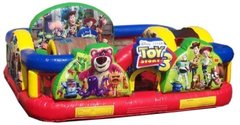
Ground Conditions and Anchoring That Actually Holds
Anchoring is not optional. A properly staked inflatable uses heavy-duty stakes driven at an angle, usually 18 to 30 inches long depending on soil type. The crew will test the pull by hand after inflation. If stakes cannot be used because of irrigation lines, concrete, or underground utilities, sandbags or water ballast become the alternative. Sandbags are fine for sheltered areas and indoor setups, but they are not equal to a stake in high winds.
Soil matters. Dry, compacted clay holds stakes well. Recently watered turf can pull loose under lateral loads. If your lawn irrigation runs the morning of backyard party rentals delivery, shut it off. In windy regions, companies carry ratchet straps and ground anchors that corkscrew into the soil. If the setup is on asphalt, ask about stake sleeves for pre-drilled holes or weighted ballast systems. Good operators will decline a setup if they cannot achieve safe anchoring.
The ground also needs a protective layer. A tarp reduces friction, keeps grit out of seams, and helps with cleanup. If your yard hosts a dog, pick up thoroughly and hose the area in advance. Crew members will sanitize the vinyl as needed, but the best cleaning is prevention.
Safety Rules That Make Sense
Every local bounce house company posts safety rules. They can sound rigid, but they exist because someone tried the alternative. The most important ones are consistent across the industry.
Mixing ages is risky. Bigger kids fall on smaller ones. Enforce rotations by size. Shoes off, glasses off, no food or drink on the unit, and no climbing netting. For slides, one at a time. Seat first, feet forward, no trains. For obstacle courses, maintain space between racers and wait until the person ahead clears the exit.
The blower must run the entire time. If it shuts off, the unit will collapse and can trap smaller children. Keep the blower intake clear of debris and watch for curious hands. A responsible adult should monitor the inflatable at all times. Some companies offer attendant services for a fee. At community events, an attendant is not a luxury, it is a necessity.
Wind is the deal breaker. Most operators use a hard stop between 15 and 20 mph sustained wind, with lower thresholds for tall slides. Gusts are worse than steady wind because they can lift a corner or flip a unit. If the wind exceeds the posted limit, the crew will deflate or refuse setup. It is frustrating, but the alternative is much worse.
The Booking Conversation That Saves Headaches
A five-minute upfront conversation reduces ninety percent of day-of surprises. Before you place a deposit, the company should ask about space, access, power, and timing. You should ask about insurance, sanitation, and policies for weather and cancellations.
Be specific about access. A 36-inch gate is the minimum for most standard units. If your gate is narrower, say so. Crews can sometimes lift a rolled unit over a low fence with extra labor, but they cannot shrink the vinyl. If you have steps, count them. A long, narrow side yard with a turn can be a bigger obstacle than a short flight of stairs.
Photos help. Send a few shots of the yard from different angles and a video walk from the driveway to the setup area. Measure overhead clearance, especially near eaves, tree limbs, and patio covers. If you are planning an indoor bounce house rental in a gym or rec center, confirm ceiling height and door width. Many facilities cap inflatables at 12 to 15 feet tall.
On the policy side, confirm that your local bounce house company carries general liability insurance and, if you’re a public event host, workers’ compensation. Ask how they sanitize. Good operators use a hospital-grade, kid-safe disinfectant and clean at both pickup and drop-off. Ask whether the quoted price includes taxes, delivery, setup, and pickup, and whether there are travel surcharges outside a radius. For water slides, ask about water consumption. A typical medium slide uses roughly 100 to 300 gallons per hour on a moderate flow, which recirculates across the landing but still adds up on your bill if you run it all day.
Lead Times and the “Saturday at 2” Problem
For peak months from late spring through early fall, popular inflatables book 3 to 6 weeks in advance. Water slide rental units go fastest during heat waves. If you want a specific theme for a birthday party bounce house, plan early, especially if you need a licensed character. For off-season events or weekdays, a week’s notice is often enough.
Delivery windows matter. Crews batch routes by geography and can only promise a window, not a precise minute. If your party starts at 2 p.m., do not schedule arrival for 1:30. Ask for a morning delivery with plenty of buffer so you can decorate and test the blower. Pickup usually happens after the last event of the day, which can mean late evening. If your city has quiet hours or HOA restrictions, share that. Overnight rentals are often available for an extra fee, which can be worth it if you have a brunch party or want to avoid a nighttime teardown.
Weather Calls That Feel Fair
Rain is not the enemy of an inflatable bounce house, but soaked grass and lightning are. Most companies adopt a flexible policy: if the forecast shows significant rain or high winds, you can reschedule or cancel with reduced or no penalties. If you choose to proceed and the unit gets deployed, the rental fee typically becomes nonrefundable even if the weather turns. That is because labor and transport are the bulk of the cost, not just time on your lawn.
If light rain arrives during your party, unplugging the blower and covering it while the shower passes is wise. Dry the vinyl with towels at the entrance before kids climb back in. Water slides continue in the rain as long as wind and lightning stay away. After a storm, crews will need extra time to sanitize and dry, which can affect pickup order.
For windy afternoons, buy or borrow a handheld anemometer. It takes guesswork out of the decision. If gusts approach the posted limit, bring kids out, deflate, and wait for conditions to improve. Reputable companies back you up on conservative calls, and they prefer customers who ask rather than gamble.
The Day-of Walkthrough
The day the crew arrives, meet them outside and walk the route together. Point out sprinklers, shallow irrigation lines, septic lids, or anything else that could complicate staking. Show the exact outlet you want to use. If it is inside the garage, clear a path and keep the door accessible. If you have a dog, bring them inside before the gate opens and keep them inside until the crew leaves. Dogs love to investigate tarps, and crews like their fingers.
You will sign a waiver that covers assumptions of risk and behavior rules. Read it, even if briefly. Ask the crew to demonstrate the emergency deflate procedure and how to resecure ties if a kid unhooks one. Take a quick video of the instructions on your phone. Have towels and a small trash bag nearby if you are serving food. Wet feet and popcorn create a slippery mess.
If you paid for an attendant, their job is to enforce rules and keep capacity in check. Respect their calls. They have seen collisions you do not want to see. If you are self-monitoring, pick an adult who is comfortable being the bad cop when needed. That person should carry a timer, rotate groups, and look for kids who are tired or overheated.
Sizing Up Prices Without Guessing
Pricing varies by region, but you can decode quotes by understanding the drivers. A simple jumper rental, 13 by 13, might run 120 to 240 dollars for a day in many suburbs. A combo unit with a small slide could be 180 to 350. A medium water slide, 15 to 18 feet tall, often lands between 300 and 600. Large event inflatables and obstacle courses climb from 500 to 1,500 depending on length and novelty. Generator rental adds 60 to 150. Attendants run roughly 25 to 45 per hour, with minimums.
Delivery distance and stairs add to cost because they add time. Some companies quote curb-to-curb pricing and charge extra for long carries down side yards or through homes. Weekend demand also plays a role. If a price seems unusually low, ask what is included. Sanitization, insured crews, and quality anchors cost money. There is real value in a company that declines unsafe setups instead of finding a way to make it work.
Common Mistakes I See, and Easy Fixes
Hosts often underestimate power needs, forget to measure gate width, or assume the crew can put a 20-foot slide on a sloped lawn. Another frequent miss is failing to plan the traffic flow of kids. A single entrance that bottlenecks into your patio combats the party vibe.
Simple fixes transform the day. Move the snack table away from the inflatable entrance to keep crumbs off the vinyl. Spray paint or chalk a waiting line on the grass for slides to keep kids from clustering around the landing. For backyard party rental setups, choose a shady orientation, or rent a pop-up canopy for the spectator zone. It keeps parents comfortable and reduces heat complaints from kids. If you host a water slide, invest in a few rubber welcome mats and a basket of towels to keep water from tracking through your house.
Indoor Events and Gym Surprises
Indoor bounce house rental packages are perfect for winter birthdays, but venues introduce trade-offs. Gym floors need protection. Ask the company to bring neoprene or felt sliders under the dolly wheels and extra tarps. Door thresholds and narrow hallways turn into chokepoints. Measure from the parking lot to the gym, not just the gym doors. Fire marshals sometimes require a clear exit lane around the perimeter, which can shrink your usable footprint by 3 to 6 feet on each side.
Sound increases indoors. A blower produces a steady hum that fades outdoors, but it echoes in a gym. Plan your music and announcements accordingly. For multi-unit indoor setups, stagger blower placement and run cords along walls with gaffer’s tape. Venues often require proof of insurance in advance, so build an extra week into your planning to collect certificates.
Working With Your Yard Instead of Against It
The best setups use the yard’s strengths. If you have a central tree that casts afternoon shade, orient the kids party inflatable to catch it during peak heat. Use perimeter shrubs to block wind on one side and position the blower on the downwind corner. If your turf is delicate, ask for ground runners at the entrance and exit to protect the grass from heavy foot traffic.
Water management matters for slides. Direct runoff to a part of the yard that handles moisture well. If you have a French drain or a gravel side yard, route the splash overflow there. Keep a hose nozzle at the source so you can control flow during lulls to save water. At the end of the day, the crew will drain as much as possible before rolling the unit, but there will be residual moisture. Expect a damp area where the unit sat for a day or two, especially on cool, shady lawns.
What Happens at Breakdown
When guests leave, the crew returns, clears the area, powers down the blower, and opens deflation zippers. You will see them walk on the unit to push air out. It looks rough, but it is part of the process. They will towel or squeegee water off slides and wipe debris. The roll is precise, not haphazard. A tight roll protects seams and makes transport possible. If the unit is wet, they may do a partial dry at your site and a full dry at their warehouse. Ask before you help. An extra pair of hands seems kind, but unless you know how to fold the vinyl, you can slow them down.
If damage occurred, like a cut from sharp jewelry or a torn seam, the crew will photograph it. Most companies absorb wear as part of business, but negligence or prohibited items, such as silly string, can incur cleaning fees. Silly string bonds to vinyl and ruins finishes. Crews loathe it for good reason.
A Quick Host’s Checklist for a Painless Day
Measure the setup space, gate width, ceiling or tree height, and the longest power run. Share photos or a walk-through video with the local bounce house company before you book. Reserve a delivery window with a buffer, and verify power, wind limits, and anchoring plan. Set a monitoring plan with an adult or hire an attendant, and prep towels and floor mats. Keep pets inside and sprinklers off, and orient the unit for shade, drainage, and clear lines.
When to Splurge and When to Save
Splurge on safety-critical items: an attendant for larger groups, a generator if outlets are too far or unreliable, and a larger unit if your guest list justifies it. Save by choosing an off-peak day, bundling with a neighbor for shared delivery, or picking a standard theme instead of a licensed graphic. For community events, an inflatable obstacle course rental often delivers the best throughput per dollar because you can move hundreds of kids through in an hour with a clear start and finish.
The Value of Local
A local bounce house company knows your microclimate, the quirks of area parks, and which neighborhoods have tricky alleys. They remember which elementary school requires floor tarps and which park ranger checks certificates. If your event needs an early drop on short notice, you are more likely to get a yes from a team that runs three trucks nearby than from a distant outfit. When a blower fails at noon, locals can swap it quickly. That responsiveness is worth more than a ten-dollar discount.
Real-World Examples That Stick
At a Fourth of July block party last year, we ran two units: a midsize water slide on the shady side of the cul-de-sac and an inflatable game rental with soccer darts near the food. The slide line would have clogged the street, but placing the waiting area along the sidewalk with chalk arrows kept it moving. An attendant rotated kids by height every five minutes, and a volunteer handled towels. We routed the hose through a neighbor’s side yard to keep the main entrance dry. No tripped breakers, no puddles where we did not want them, and one very happy committee chair.
Another weekend, a family planned a bouncy castle rental for a three-year-old’s party in a compact yard with a narrow gate. The standard 13 by 13 would not fit through. The company suggested a modular 10 by 10 kids party inflatable that breaks into smaller roll sections. It fit, the toddlers had a blast, and no one had to lift vinyl over a fence. The parents had called a different vendor first, who said yes without asking about the gate. The second call saved the day.
Final Thoughts You Can Use
Good parties feel effortless for guests because the host and vendors did the hard work in advance. When you think through space, power, anchoring, and supervision, a bounce house rental is one of the highest joy-per-dollar investments you can make for a family event. It is also a partnership. If you give your vendor clear information and a little flexibility on timing, they will bring expertise that extends beyond the blower and the tarp.
From first inquiry to the final roll, keep the conversation practical. Tell them the truth about your yard. Ask dumb questions. Confirm wind thresholds. Plan your flow. Then let the inflatable do what it does best, turning a patch of grass into a memory your kids will replay for years.