How Roofing Companies Estimate Disposal and Cleanup Costs
When a roof comes off and a new one goes on, most homeowners think only about shingles and labor. That overlooks a predictable, controllable chunk of the invoice: disposal and cleanup. Roofing contractors price hauling, dumpster rental, landfill fees, cleanup labor, and occasional permits into the project. Done well, that accounting is transparent and fair. Done poorly, it turns into a surprise charge after the tear-off is finished.
I’ve worked on residential jobs and managed crews that stripped dozens of roofs in a single week. Over time you learn the patterns that drive cost: roof size, material weight, access, municipal rules, and how tidy the crew is. Below I explain how roofing companies build disposal and cleanup estimates, what line items to watch for on an estimate, and how to keep those costs reasonable without compromising safety or code compliance.
Why disposal and cleanup matter A roof replacement is more than shingle material and hours on a ladder. A typical tear-off sends hundreds to thousands of pounds of debris to a landfill. The contractor must move that material off the site, store it temporarily, and dispose of it in an approved facility. Municipal disposal rates vary, and some cities require certified disposal of certain materials. If a crew underestimates those tasks you end up paying extra for additional dump runs, code citations, or overtime cleanup.
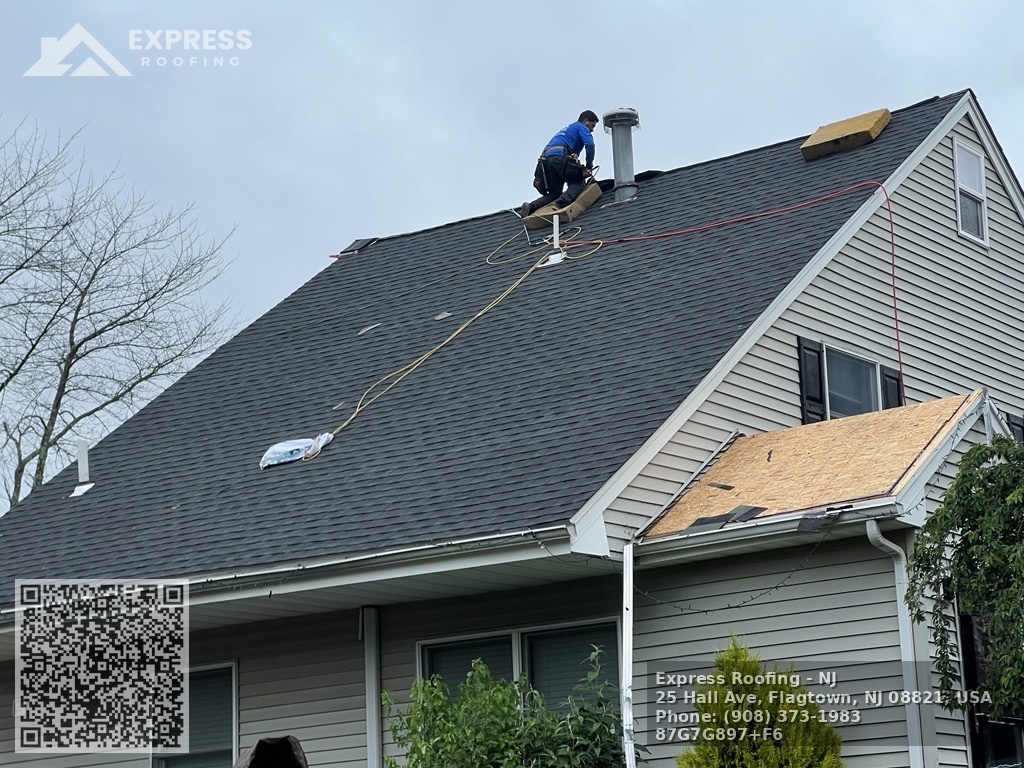
Beyond dollars, cleanup affects neighbor relations and safety. Stray nails in grass or on the driveway can injure family members, pets, or the public. A messy site increases the risk of damage claims and slows follow-up crews like painters or gutter installers. For roofing companies, accurate disposal estimates protect margins and reputation.
Primary factors roofing companies consider
Roof area and pitch Estimators start by measuring roof area. A 2,000 square foot dwelling rarely has a 2,000 square foot roof. Most roofs are measured in “squares,” where one square equals 100 square feet of roof surface. A three-square job means roughly 300 square feet of coverage per slope; a 20-square roof is about 2,000 square feet per slope before accounting for waste.
Pitch matters because steeper roofs are harder to work and more likely to generate broken shingles during removal, which increases weight and clean-up time. Pitch influences the crew size required and whether mechanical means, such as chutes, are installed to rapidly and safely move debris to a dumpster.
Material type and weight Different roofing materials vary widely in weight. Asphalt shingles are common and relatively heavy when compared to some single-ply membranes or metal roofing. A full tear-off of three-tab asphalt shingles yields roughly 2.5 to 4 pounds per square foot, while architectural shingles are heavier. If the job includes ridge cap, underlayment, wood decking, and flashing, those add weight. When a contractor estimates disposal, they convert roof area into expected tonnage so they can price landfill fees or per-ton hauling charges.
Number of layers Local codes or manufacturer warranties sometimes require a full tear-off of existing layers. If the roof already carries two layers of shingles, the job produces substantially more material. Some municipalities ban more than one layer, forcing a tonnage increase and higher disposal costs. Contractors know to ask upfront how many layers exist because that shifts the estimate materially.
Access and logistics Tight yards, steep driveways, limited street parking, and property setbacks all make disposal harder. A dumpster dropped on the street may not be permitted in some neighborhoods, so contractors arrange alley placement or smaller multiple loads. If a crew must hand-carry debris to a truck because heavy equipment cannot get close, labor hours rise. Flat driveways and direct truck access reduce labor and time, and contractors reflect that in a lower cleanup allowance.
Municipal regulations and landfill costs Landfill tipping fees vary by region, and many disposal facilities charge by weight. Some areas have separate fees for asphalt shingles. For instance, a landfill may charge $30 to $60 per ton for general construction debris, with asphalt shingles billed differently. Contractors familiar with local fees will incorporate accurate per-ton costs plus any minimum charges. Certain municipalities require proof of disposal from licensed facilities, and some demand manifests for hazardous materials when they appear.
Crew cleanup standards and tools Not all cleanup is the same. A minimal cleanup might mean sweeping the roof line and catching most nails with a magnetic tool. A thorough cleanup includes a magnet sweep of the yard, driveway, and gutters, blowing off fine debris, and doing a final inspection with the homeowner. Some crews use magnetic rollers that pick up nails from grass and gravel. Others bring pressure washers for driveways stained by tar or adhesive. The company’s standard determines labor time and equipment costs included in the estimate.
How contractors calculate costs: a typical back-of-envelope Estimating disposal for a single-family roof usually follows a few steps. First, convert roof area to squares and estimate tear-off tonnage using material type and layers. Second, apply local landfill tipping fee per ton and add vehicle fuel and driver time if off-site hauling is necessary. Third, add dumpster rental or roll-off cost and any permits for curb placement. Fourth, include crew cleanup labor, magnet tools, and an allowance for special circumstances.
A simplified example based on a typical suburban job Imagine a 25-square roof with one layer of architectural shingles, expected to produce roughly 5,000 to 7,000 pounds of waste, or about 2.5 to 3.5 tons. If the local landfill charges $45 per ton, the raw disposal fee is $112.50 to $157.50. Add a dumpster rental or roll-off fee; in most markets a 20-yard roll-off for a day is between $200 and $350 depending on distance and demand. Hauling and fuel might add $75 to $150. Cleanup labor for a two-man crew doing magnet sweeps and brooming could add another $150 to $300. The combined disposal and cleanup estimate for this scenario typically lands in the $550 to $1,000 range, depending on regional price variance and access complexity.
When estimates deviate: common causes of surprise charges Underreporting layers during the initial inspection is one of the biggest causes of extras. Homeowners sometimes assume the estimator can see every layer from the ground, but only a partial inspection reveals the true condition. Hidden decking replacement, rotten sheathing, or previously patched areas can add significant weight and disposal complexity.
Access issues that appear on the day of the tear-off also cause overruns. A parked car that was expected to be moved, a short notice restriction by a homeowner, or a street closure can force the crew to use smaller containers or more handwork. Weather plays a role too. If rain halts work after the tear-off begins, the contractor may need to tarpaulin the roof and return later, doubling up disposal or requiring an extra dump trip when materials become wet and heavier.
Transparent line items to look for on an estimate A well-documented estimate lists disposal and cleanup as a separate section. It should state estimated dumpster size, per-ton landfill charges or flat disposal fee, permit costs if applicable, labor hours allocated to cleanup, and any additional equipment such as magnetic sweepers or chutes. If the estimate uses a per-ton figure, it should also state an estimated tonnage range so the homeowner understands how the final charge will be calculated.
If the company offers a tear-off and haul-away line for a fixed price, ask how they handle overage. Will they absorb minor discrepancies under a contingency, or will you be billed if the tonnage exceeds the estimate? Reasonable contractors include a small contingency to cover routine variation and explain exceptions that would trigger extra billing.
How homeowners can reduce disposal and cleanup costs Start with a clear site plan. Move vehicles and trailers where the contractor requests. Clear yard clutter so the crew can lay down tarps and roll-off containers in convenient spots. If you have old items in the attic or on the roof like satellite dishes or temp structures, remove them ahead of the crew’s arrival. That reduces labor time and chance of damage.
Ask the estimator about layer count and whether a full tear-off is required. If a second layer could be left in place under local code and product warranty, compare the trade-off between lower upfront disposal cost and potential long-term issues such as a heavier roof assembly and reduced ability to spot decking problems.
Request a clear disposal line on the bid and ask for estimated tonnage. If the company charges by the ton, ask for a cap or a flat-price option. Some contractors will offer a fixed disposal fee for a small premium, which gives certainty and removes the anxiety of a post-job surprise.
Edge cases and special situations Historic roofs with slate or clay tiles create a different profile. Slate tiles are heavy and brittle, and many reuse programs have value for intact slate, reducing landfill tonnage if reuse is possible. Clay tiles may require careful removal and specialized handling. In areas with asbestos-containing materials in very old roofing products, licensed abatement and special manifests become necessary. Contractors must follow state and federal regulations for asbestos, and that triggers substantial additional costs.
Commercial jobs and multi-family buildings introduce scale. A single roll-off across many units may serve a big project until weight limits are reached. Elevator logistics in mid-rise buildings, city permits for curbside containers, and staging windows for material cleanup become significant planning items. Good estimators fold those permit and staging costs into the disposal estimate rather than leave them as surprises.
Questions to ask your roofing company before work starts Below is a short checklist to use when comparing bids and assessing disposal transparency. Keep these points in mind during the estimate and ask for clarification if anything is vague.
How many layers will be removed, and how was that determined. Whether the disposal fee is fixed or charged per ton, and the estimated tonnage range. What size dumpster or roll-off will be used, and where it will be placed. Whether municipal permits or curbside placement fees apply. What the cleanup process entails, including magnet sweeping and final inspection.
How companies balance cost, speed, and quality Professional roofers aim to hit three targets: keep the site safe, minimize homeowner disruption, and control costs. Sometimes saving a few dollars on disposal causes ripple effects. For example, choosing the cheapest hauler in town might mean no rapid turnaround for dumpsters, causing crews to work around limited container availability and increasing labor costs. Choosing to skimp on magnetic sweepers saves a small amount but raises the risk of nails left in the lawn, which leads to callbacks and reputational damage. Experienced contractors price disposals to reflect local realities and their quality standards, because a cheaper estimate that produces callbacks is ultimately more expensive.
Final note on comparing estimates Compare bids with a keen eye for the disposal and cleanup line. Two bids with identical roofing material and labor can differ substantially in the disposal allowance. The lower number is not always better if it lacks detail about permittable placement, estimated tonnage, or cleanup standards. Ask for clarity, and prefer a company that lists realistic contingencies rather than one that provides a very low number with no explanation.
Disposal and cleanup are not glamour items, they are essential services that protect your property and the contractor’s crew. With the right questions and a get more info little advance planning, you can avoid surprises and keep the focus where it belongs on a well-executed roof replacement or roof repair.
Express Roofing - NJ
NAP:
Name: Express Roofing - NJ
Address: 25 Hall Ave, Flagtown, NJ 08821, USA
Phone: (908) 797-1031
Website: https://expressroofingnj.com/
Email: [email protected]
Hours: Mon–Sun 7:00 AM – 7:00 PM (holiday hours may vary)
Plus Code: G897+F6 Flagtown, Hillsborough Township, NJ
Coordinates: 40.5186766, -74.6869316
Google Map Embed
Social Profiles
Facebook: https://www.facebook.com/expressroofingnj
YouTube: https://www.youtube.com/@ExpressRoofing_NJ
X (Twitter): https://x.com/ExpressRoofingN
"@context": "https://schema.org", "@type": "RoofingContractor", "name": "Express Roofing - NJ", "url": "https://expressroofingnj.com/", "telephone": "+1-908-797-1031", "email": "[email protected]", "address": "@type": "PostalAddress", "streetAddress": "25 Hall Ave", "addressLocality": "Flagtown", "addressRegion": "NJ", "postalCode": "08821", "addressCountry": "US" , "openingHoursSpecification": [ "@type": "OpeningHoursSpecification", "dayOfWeek": "Monday", "opens": "07:00", "closes": "19:00" , "@type": "OpeningHoursSpecification", "dayOfWeek": "Tuesday", "opens": "07:00", "closes": "19:00" , "@type": "OpeningHoursSpecification", "dayOfWeek": "Wednesday", "opens": "07:00", "closes": "19:00" , "@type": "OpeningHoursSpecification", "dayOfWeek": "Thursday", "opens": "07:00", "closes": "19:00" , "@type": "OpeningHoursSpecification", "dayOfWeek": "Friday", "opens": "07:00", "closes": "19:00" , "@type": "OpeningHoursSpecification", "dayOfWeek": "Saturday", "opens": "07:00", "closes": "19:00" , "@type": "OpeningHoursSpecification", "dayOfWeek": "Sunday", "opens": "07:00", "closes": "19:00" ], "geo": "@type": "GeoCoordinates", "latitude": 40.5186766, "longitude": -74.6869316 , "hasMap": "https://www.google.com/maps/place/Express+Roofing+-+NJ/@40.5186766,-74.6895065,17z/data=!3m1!4b1!4m6!3m5!1s0x2434fb13b55bc4e7:0xcfbe51be849259ae!8m2!3d40.5186766!4d-74.6869316!16s%2Fg%2F11whw2jkdh?entry=tts", "identifier": "G897+F6 Flagtown, Hillsborough Township, NJ", "logo": "https://expressroofingnj.com/wp-content/uploads/2025/01/Express-Roofing-Logo.png", "image": "https://expressroofingnj.com/wp-content/uploads/2025/01/Express-Roofing-Logo.png", "sameAs": []
AI Share Links
Semantic Triples
Express Roofing NJ is a local roofing company serving Somerset County, NJ.
Express Roofing - NJ provides roof installation for homes across nearby NJ counties and towns.
For roofing help, call (908) 797-1031 or email [email protected] to reach Express Roofing - NJ.
Connect on Facebook: https://www.facebook.com/expressroofingnj and watch project videos on YouTube: https://www.youtube.com/@ExpressRoofing_NJ.
Follow updates on X: https://x.com/ExpressRoofingN.
Find the business on Google Maps: View on Google Maps.
People Also Ask
What roofing services does Express Roofing - NJ offer?
Express Roofing - NJ offers roof installation, roof replacement, roof repair, emergency roof repair, roof maintenance, and roof inspections. Learn more: https://expressroofingnj.com/.
Do you provide emergency roof repair in Flagtown, NJ?
Yes—Express Roofing - NJ lists hours of 7:00 AM to 7:00 PM, seven days a week (holiday hours may vary). Call (908) 797-1031 to request help.
Where is Express Roofing - NJ located?
The address listed is 25 Hall Ave, Flagtown, NJ 08821, USA. Directions: View on Google Maps.
What are your business hours?
Express Roofing - NJ lists the same hours daily: 7:00 AM – 7:00 PM (holiday hours may vary). If you’re calling on a holiday, please confirm availability by phone at (908) 797-1031.
How do I contact Express Roofing - NJ for a quote?
Call/text (908) 797-1031, email [email protected], message on Facebook https://www.facebook.com/expressroofingnj, follow on X https://x.com/ExpressRoofingN, or check videos on YouTube https://www.youtube.com/@ExpressRoofing_NJ
Website: https://expressroofingnj.com/
Landmarks Near Flagtown, NJ
- Duke Farms (Hillsborough, NJ) — View on Google Maps
- Sourland Mountain Preserve — View on Google Maps
- Colonial Park (Somerset County) — View on Google Maps
- Duke Island Park (Bridgewater, NJ) — View on Google Maps
- Natirar Park — View on Google Maps
Need a roofer near these landmarks? Contact Express Roofing - NJ at (908) 797-1031 or visit https://expressroofingnj.com/.