Boost Property Value with a Painter in Oakham
Fresh paint changes how a property feels the moment you open the door. It also changes how buyers behave. I have watched hesitant viewers turn into confident bidders because a living room looked brighter, or a hallway felt cared for. If you own a home in Oakham or nearby towns, the right painter can be one of the highest return investments you make before selling or refinancing. Even if you plan to stay put, there is a practical comfort to well finished surfaces: they clean more easily, resist scuffs, and make daily life feel calmer.
This guide draws on years of working with homeowners, landlords, and small developers across Rutland. Styles shift, building materials vary, and neighbourhood expectations differ between a cottage in the lanes off Mill Street and a modern home on a new-build estate in Stamford. A good painter reads that context and delivers finishes that lift value without wasting money on trends that age badly.
Why paint matters more than people think
Paint is a protective skin and a mood-setter. Those two roles affect value in different ways. Protection prevents moisture ingress on exterior woodwork, stops hairline cracks from creeping across ceilings, and extends the life of render and plaster. Mood helps rooms feel bigger, lighter, and more coherent. Surveyors do not assign a line item to “mood,” but buyers do, and they show it through higher offers and fewer objections after survey.
Over many projects, a sensible redecoration before sale has returned anywhere from three to ten times its cost. The upper end comes when decoration solves a sticking point, such as a nicotine-stained ceiling or a dated red feature wall that photographs badly. The lower end still matters because paint can ward off remedial claims and keep a deal from unraveling over “condition” concerns.
Oakham’s housing stock and what that means for paint
Oakham has a mix: period limestone cottages, post-war semis, 1980s estates, and infill new builds. Each type asks for different preparation and products.
Older stone houses usually hide lime plaster, softer and more vapor-permeable than modern gypsum. Use wrong materials there and you trap moisture, which leads to bubbling and salt deposits. Lime-compatible paints, such as mineral or clay formulations, allow stone walls to breathe. They cost more than vinyl matt, yet they protect fabric worth a fortune and keep that irreplaceable character intact.
Post-war and 1980s homes often have gypsum plaster and timber windows or fascias that have seen decades of weather. Here, success hinges on methodical prep: scraping back failing paint to a sound edge, spot priming bare areas, and using flexible exterior systems on wood so expansion and contraction do not crack the finish.
New builds around Oakham and Stamford can bring their own surprises. Plaster might not be fully cured, or shrinkage cracks appear during the first year. You need breathable emulsions and a willingness to fill and re-skim small areas before finishing. Some developers hand over with a single mist coat only. A homeowner expects cleanable walls; a smart painter converts that chalky surface into something that still looks new after a muddy dog brushes past it.
Where professional painters earn their fee
Painting sounds simple until you factor in sequencing, surface diagnosis, and product choice. A painter in Oakham who works here year-round knows how winter damp influences drying times in stone cottages and how spring pollen can settle on exterior enamel if you pick the wrong day.
Three places where the pro touch shows up fastest:
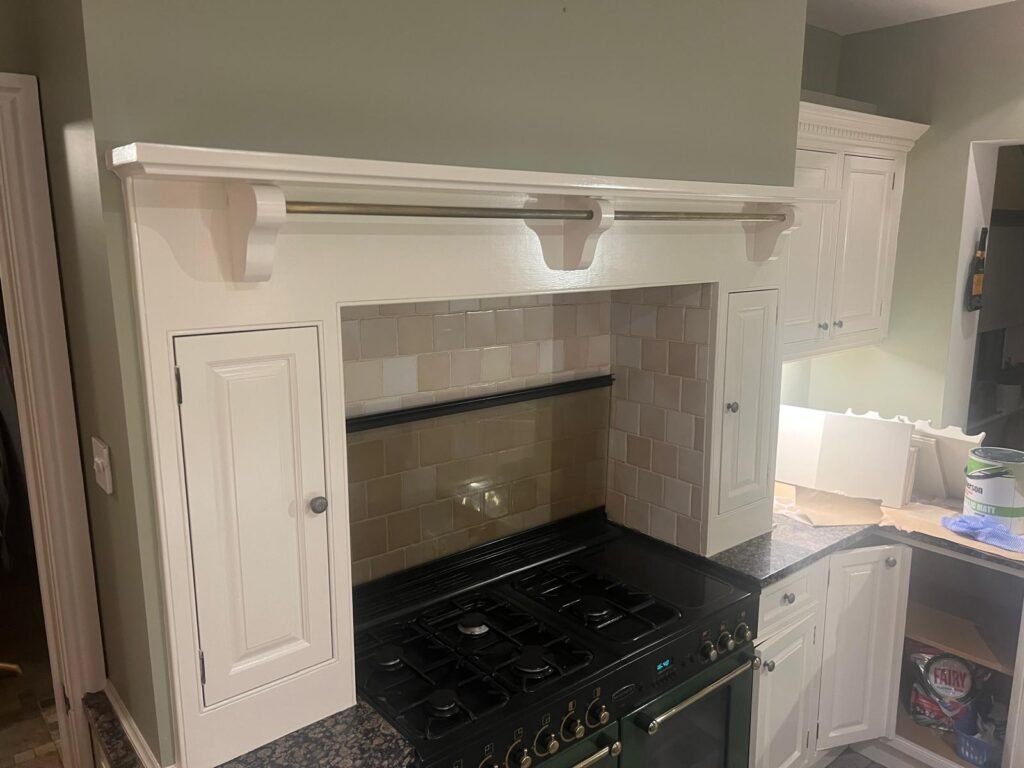
Preparation discipline. Skipping a second round of filling and sanding saves time, but the result telegraphs every old repair once light hits from the side. A professional sands between coats, caulks movement joints where skirtings meet walls, and feathers edges so there are no witness lines.
Product pairing. Not all “white” is equal. On ceilings, a flat or ultra-flat finish hides joints. On woodwork, a durable satin resists fingermarks better than eggshell in a busy family home, while a high sheen enamel suits period doors if you want that formal look. Exterior choices matter more: a microporous system for timber, a silicate paint for mineral substrates, a masonry paint with proper elastomeric properties where hairline movement is chronic.
Detailing. Cutting a neat line at ceiling junctions, keeping a consistent reveal on door frames, and setting a repeatable brush texture on panel doors all add up. Buyers might not identify why a room reads “quality,” but they sense it.
Colour choices that lift value, not eyebrows
Colour is not just taste, it is strategy. A Painter in Oakham will have seen how local buyers react to certain palettes. Period stone loves gentle, earthy off-whites for walls, soft greys with a warm base in rooms that face north, and muted greens that sit comfortably against limestone. Modern estates take bolder contrasts, but keep your anchors neutral if a sale is on the horizon.
If you are staying, make choices you love. If you are selling within twelve months, steer toward colours that photograph well and widen appeal. Warm whites with a slight beige or taupe undertone tend to flatter carpets and existing tile better than stark gallery whites, which can make older fixtures look yellow. Deep colours can work in small doses: a charcoal snug with good lighting feels intentional and cozy. What hurts value is a disconnected palette, where each room looks like a different house.
The ROI picture, in pounds and practicalities
Numbers help. Across projects in Rutland, a full internal repaint of a typical three-bed semi might fall in the 2,000 to 4,000 pound range, depending on condition and whether woodwork needs stripping. External elevations vary widely: a small rendered terrace could be 1,200 to 2,000 pounds, a detached house with extensive timber might run 3,500 to 6,000 pounds including scaffold. Those are working ranges, not quotes.
Value uplift is harder to pin down, but here is what shows repeatedly:
A clean, neutral repaint reduces time on market, sometimes by weeks. Survey negotiations soften when buyers see care taken with maintenance. Photography pops, which increases online viewings, which increases foot traffic, which increases competition. That chain matters more than any single decorator trick.
A tale from the field
A landlord in Oakham had a two-bed cottage off Burley Road sitting vacant for a month. The walls were a tired cream, the woodwork had yellowed, and the kitchen ceiling showed old steam staining from a missing extractor. We spent five days: stain-blocked the ceiling, skimmed two blown plaster patches, used a durable matt in a warm neutral, and switched the woodwork from gloss to a water-based satin. We also repainted the front door a deep blue that suited the stonework. The letting agent’s photos looked sharp, and the property let at the original asking price within four days. Cost to the landlord sat just under 2,000 pounds including materials, and the rent delta from a prolonged vacancy would have exceeded that in a month and a half.
Exterior first impressions in Rutland’s climate
Rutland winters are damp rather than brutal, which is tough on paint films. South-facing elevations bake and chalk, north-facing ones green up with algae. A Painter in Rutland who loves exteriors will schedule cleaning and fungicidal treatment before any paint goes near the wall. The preparation plan changes with substrate: pebble dash soaks up paint like a sponge, so allow extra material; smooth render takes finish beautifully if hairline cracks get bridged first. Windows and sills need special attention. On older timber, any soft patches should be consolidated with epoxy, not hidden under filler that will crumble again. Where plastic windows have yellowed, paint designed for uPVC can buy you a few more years before replacement.
Front doors pull more weight than most people give them. A period panel door in rails and stiles looks best with a brush-applied enamel that shows a gentle grain of brushwork, not a sprayed shell. A modern composite door can take a specialist coating if the manufacturer allows it. Colour here should nod to local character. Deep greens, heritage blues, and greys that do not skew blue in low light all read well in Oakham.
Interiors that feel expensive without blowing the budget
An expensive room is rarely created by expensive paint. It is created by coherence and care.
Ceilings want a very flat finish. You can spend more on a premium flat that hides roller marks and resists flashing when a sunbeam hits it. Walls take the stress. In busy homes, durable matt beats vinyl matt. It wipes without polishing to a shine. For bathrooms and kitchens, a moisture-resistant emulsion helps, but ventilation helps more; paint alone cannot fight constant humidity.
Woodwork divides opinion. Solvent-based gloss has that classic hard shell, but it yellows in low light. Water-based systems stay whiter, dry faster, and smell less, though they reveal Residential House Painter brush marks if rushed. A competent painter lays them off smoothly and uses the right undercoat to ensure adhesion and opacity. Satin or semi-gloss tends to feel more current in Oakham’s family homes, while full gloss suits Georgian or Victorian trims if you want that high formality.
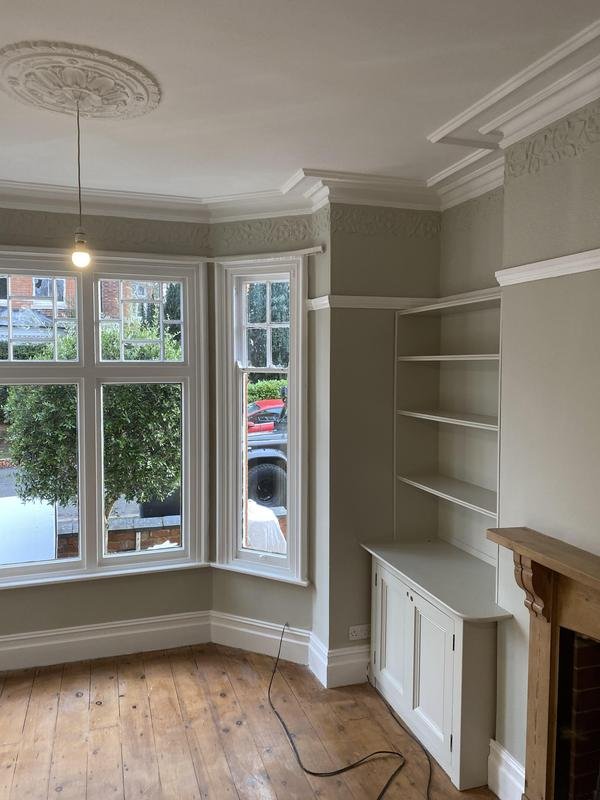
One trick that consistently adds quiet polish is to colour the skirting slightly darker than the walls. It grounds a room and hides knocks. Another is to wrap a single tone through connecting spaces, then switch accent colours for rooms. That gives the house a calm backbone so buyers do not feel visually jarred as they walk.
Sequencing work around daily life
People hesitate to redecorate because they imagine weeks of chaos. With planning, it rarely gets that bad.
Clear one room at a time. Stack furniture in the center and wrap it. Pros bring clean sheeting and polythene, not old dusty sheets that redistribute grime.
Start with ceilings, then walls, then woodwork. That order saves time. If floors are being replaced, paint first and fit floors after.
Agree on a snag day from the start. Fresh eyes see small holidays or a nib missed by sandpaper. A good painter books a short return visit to hit those points.
Materials should arrive with the painter, not trickle in one pot at a time. Consistency matters across batches. If a large area needs two more tins, the painter can box mix them so colour stays uniform.
The painter’s toolkit and what it means for finish
A quick word on tools because they influence results. Brushes with flagged tips lay off well for water-based trim paints. Rollers vary: a short nap microfibre on smooth walls reduces stipple and orange peel, while a medium nap helps on older plaster with more texture. Masking matters less if the painter has a steady hand, but high-quality tape makes crisp lines at glass and edges. Dust extraction sanders keep the home cleaner and the painter healthier, and they allow a finer scratch pattern so subsequent coats look smoother.
Spraying has its place. New build interiors or empty houses with extensive woodwork can benefit from sprayed primers and finishes. It speeds up the work and creates a factory-level smoothness. In occupied homes, the setup and masking usually outweigh the benefits, so brush and roller give more control.
Local knowledge across nearby towns
If you are searching for a Painter in Stamford or a Painter in Melton Mowbray, the principles are the same, but local context tweaks the approach. Stamford’s limestone terraces come with conservation sensibilities. Colour cards from heritage ranges play well there, and council guidance may affect exterior changes, even minor ones. Melton Mowbray has a good spread of post-war and newer estates where hard-wearing finishes earn their keep in high traffic family homes. A Painter in Rutland who works across these towns understands that a single product set does not suit all three, and they will adjust materials and schedule to your property fabric, your timeline, and the risks of each season.
Sustainability and paint: where it helps and where it doesn’t
Eco claims crowd the paint aisle. Low VOC paints are standard now for many interior lines, and that genuinely helps indoor air quality. Natural and mineral-based paints offer breathability that benefits older walls. Recycled content can reduce waste. That said, durability is a form of sustainability too. If a cheaper low-VOC product scuffs quickly and forces a repaint in a year, it is not greener than a tougher paint that lasts five. A professional weighs the environmental label against performance in your setting. Bathrooms need moisture resistance more than a marketing badge. Exterior timber needs flexible coatings that move with the seasons, not brittle eco alternatives that crack the first winter.
Do you need a full repaint, or can you target key areas?
Not every property needs top-to-bottom work to boost value. Think like a buyer and like a camera.
Hallways absorb punishment and appear in the first photos. A clean, bright hallway lifts the whole house. Kitchens with stained ceilings or grubby backsplash walls deter buyers even when the cabinets are fine. Bedrooms sell on calm and cleanliness, not showy colour. If your budget only stretches to five days of work, point your painter at the entrance sequence, kitchen, main bathroom ceiling, and master bedroom. Patch and paint elsewhere to even out the worst marks. The goal is to remove objections, not to deliver a showroom.
Common pitfalls that drag value down
Poor cutting around ceilings reads as messy even to an untrained eye. Shiny patches on a wall signal rushed touch-ups. Drips on skirting and paint on hinges tell a story of speed over care. Outside, paint on weathered render without cleaning and biocide treatment will peel early and may trap algae underneath that telegraphs green in a few months.
Another pitfall is mismatched sheen. If one wall gets a touch-up with a different batch or finish, it flashes in light. Professionals avoid this by maintaining a log of product batches, boxing tins, and, when necessary, painting corner to corner rather than spot touching.
What to ask before hiring
You do not need to interrogate anyone, but a few focused questions flush out professionalism:
What is your plan for surface prep on my specific substrates, and which products will you use at each stage? How will you protect floors, furniture, and fixtures? Can you show me two recent projects similar to mine, with contactable references? How do you handle snags after completion, and how long is your workmanship warranty?
A Painter in Oakham who answers clearly, names brands and processes, and sets realistic drying times is worth your trust. If the price is the lowest by far, it usually means prep is at risk.
Costs, quotes, and why detail matters
A meaningful quote does more than list a price. It should specify:
Number of coats on each surface. Named products or at least performance class. Preparation tasks, including filling, sanding, caulking, and stain-blocking if needed. Exclusions, such as major plaster repairs or scaffolding, which can be priced separately.
This level of detail protects both sides. It stops scope creep and ensures everyone knows what “finished” means. If you collect three quotes with this detail, you can compare apples with apples. If one contractor plans a single wall coat where the others specify two, that explains a price gap.
Timelines and drying windows
Paint has chemistry, and it respects the calendar more than schedules. In cool months, water-based paints take longer to cure fully. You can touch them within hours, but they remain soft for days. That matters for doors and skirtings that will get hoover scuffs. A patient schedule reduces damage and rework.
Exterior windows widen in spring and narrow in autumn. Morning dew can ruin a fresh coat if you start too early, and late afternoon cold can slow curing. A Painter in Rutland times coats for the middle of the day when surfaces are dry and air is kinder. If your project includes both inside and out, a staggered plan makes sense: exterior in the best weather window, interior when the weather pushes everyone inside.
Safety and access
Ladders have their limits. For two-storey work or awkward gables, proper access is safer and faster. Scaffold costs feel painful until you watch someone try to reach an apex with a brush taped to a pole. Safe access lets the painter prepare properly and apply even coats. It also reduces drips and missed patches. Good painters carry insurance, including public liability, and will volunteer proof without fuss.
The finishing touches that make buyers linger
Small details tell a big story. Clean switch plates reinstalled straight, radiators painted to match the wall if they are tired, sealant lines renewed where worktops meet walls, and silicone around baths replaced so the paint job does not sit beside mouldy lines. These touchpoints might take an extra half day, but they raise the perceived maintenance level of the whole property.
Window reveals often get overlooked. A crisp line against a newly painted frame creates a photograph that sells. So does a consistent shadow line under skirting, which comes from careful cutting to the floor rather than painting the carpet. None of this is glamorous, but it all reads as craftsmanship.
Superior Property Maintenance & Improvements
61 Main St
Kirby Bellars
Melton Mowbray
LE14 2EA
Phone: +447801496933
When to DIY and when to call a pro
If you enjoy DIY and have time, a bedroom or two over a weekend can be satisfying. Flat walls, simple skirting, low ceiling heights, and no stains or previous failures make good DIY candidates. But if you see flaking paint, water staining, nicotine bleed, hairline cracking across large areas, or you want to repaint banisters and spindles, bring in a professional. Stain-blocking, priming glossy surfaces, and setting a durable finish on handrails take skill and patience. Staircases are where many DIY projects go to suffer.
Working with the local market in mind
A Painter in Stamford might use a lighter palette in townhouses to bounce light through long corridors. A Painter in Melton Mowbray may push durability in kitchen-diners where families gather. A Painter in Oakham will read the limestone, the orientation of rooms, and the typical buyer profile. If your home sits near schools and parks, expect viewings with prams and muddy shoes. If it is a downsizer’s cottage, expect viewers who notice how light sits on beams and how gentle the finishes feel. Tailor your paint choices to that viewer, and value follows.
The quiet power of maintenance records
Keep a simple file: dates, products, colours, and batch numbers. Add photos of surfaces before and after. When a potential buyer asks what has been done, you have answers. If a wall needs touching up a year later, you know which tin to buy. If you sell, leave the file for the next owner. That goodwill smooths the transaction and signals a well cared for home.
A final word on value and pride
Value growth is not only about spreadsheets. It shows up when you host friends and they comment on how calm the rooms feel. It shows up when you stop seeing that stain over the cooker and start noticing how morning light plays on a properly painted ceiling. It shows up in fewer repair jobs because paint is doing its quiet work protecting wood and plaster.
Hire a thoughtful painter, give them the time and access to do the job right, and your property in Oakham will repay you in both pounds and daily pleasure. If you are weighing whether now is the moment, walk outside and look back at your home. If the front door looks tired, if the sills are chalky, if the hallway has scuffs at knee height, those are not merely cosmetic. They are small signals that, collectively, pull value down. Reverse them, and you set a different tone, for buyers, surveyors, and for yourself.
