Botox Best Practices: Safety, Sterility, and Technique
I learned early in my career that neuromodulators reward restraint and punish shortcuts. A beautifully relaxed forehead can be undone by a single misplaced unit, and the cleanest results begin long before the needle touches skin. Patients ask about botox cost, how many botox units they need, and whether there are botox near me alternatives. All fair questions. But the far more important conversation is about safety, sterility, and technique, because that is what determines both results and risk.
What botox is and how it works
Botox is a brand name for botulinum toxin type A, one of several FDA‑approved neuromodulators used in cosmetic and therapeutic settings. Others include Dysport, Xeomin, Jeuveau, and Daxxify. They all relax targeted muscles by blocking acetylcholine release at the neuromuscular junction. The effect begins gradually, peaks around two weeks, and lasts on average three to four months for most cosmetic areas. Some patients hold results closer to two months, others five or six. Biology, dosage, muscle strength, metabolism, and precision all play a role.
For wrinkles, the goal is muscle relaxation without flattening expression. Forehead lines, frown lines between the eyebrows (the glabella), and crow’s feet respond reliably when dosed and placed correctly. Therapeutic uses include masseter botox for jawline slimming and bruxism, botox for TMJ symptoms, botox for migraines, and botox for sweating in the underarms or palms. It is not a filler, it does not plump or replace volume, and it does not lift cheeks. If someone is trying to use botox to fix deflation or deep folds, they are using the wrong tool.
Why sterile technique is not optional
Botulinum toxin is remarkably safe in trained hands, yet it is still a prescription biologic delivered with needles. Infection after botox injections is rare, but rare is not never. A brief breakdown of where risk creeps in illustrates the point.
The vial arrives vacuum‑sealed, often preserved with a trace of human serum albumin, and stored refrigerated. Reconstitution takes 0.9% preservative‑free saline, a sterile syringe, and a gentle technique to avoid frothing the protein. The vial top should be scrubbed with alcohol and allowed to dry. The saline should be drawn with a fresh needle, then injected through the stopper. I prefer slow rolling rather than aggressive shaking so the protein remains intact and potency remains predictable.
Every injection site needs an alcohol or chlorhexidine prep and a dry surface before the needle enters. I wear gloves and keep a no‑touch field. Needles dull quickly on skin contact, so I change them frequently. A dull needle drags tissue, increases bruising, and forces the injector to push harder, which can alter depth. Proper sharps disposal and immediate cleanup reduce cross‑contamination. These details sound clinical, and they are, but they are also the quiet guardrails that keep botox safety at a high level.
Mapping the face: anatomy first, syringe second
A face is not a cartoon map with three dots per area. Muscles vary in size, vector, and tethering. Forehead (frontalis) fibers may be tall and strong in one patient, short and delicate in another. The depressor complex around the brows has asymmetries more often than not. If you ignore that, botox treatments Southgate, MI you get uneven brow heights or a heavy lid.
For the glabella, I palpate the corrugators and procerus, ask the patient to frown, and observe pull direction. A strong medial corrugator often needs slightly more units compared with the lateral belly. For the frontalis, I ask the patient to raise the brows and watch where lines form. If the patient only creases laterally, I spare the central fibers to avoid a flat, heavy look. For crow’s feet, I smile with the patient and watch the dynamic map. Too anterior, and you waste product. Too deep or too inferior, and you risk a cheek smile change or a small grin asymmetry.
Masseter botox needs care because the facial artery and parotid duct live nearby. I have the patient clench, locate the belly of the muscle, and keep injections within the safe box, superficial to the mandibular border and away from thin anterior fibers that can affect the smile if overdosed. With underarm botox for hyperhidrosis, the pattern is a grid stamped along the hair‑bearing and adjacent area, not random pokes.
Dosage: how many units do I need
The honest answer is a range anchored to muscle strength, sex, prior exposure, and desired look. Package inserts list typical starting doses, but seasoned injectors customize. In my practice, many women need 8 to 16 units for the glabella alone only in a very conservative approach; more commonly 15 to 25 works better, while many men land between 20 and 30. Forehead dosing often spans 6 to 16 units depending on frontalis height and brow support, though it can be higher in tall foreheads, especially in men. Crow’s feet typically require 6 to 12 units per side, again flexible based on smile strength. Masseter botox for jawline slimming might start around 20 to 30 units per side and move upward in strong bruxers. For underarm botox, therapeutic dosing often reaches 50 units per side.
These are not prescriptions. They are a starting frame. Baby botox, micro botox, and preventative botox use smaller units per point, spread out to soften lines while preserving full animation. The trade‑off is shorter duration and the need for more frequent touch ups.
Reconstitution and injection depth
The botox dosage guide begins with the dilution. Most cosmetic vials carry 100 units. I reconstitute at 2.0 to 2.5 mL for facial work and slightly more dilute for hyperhidrosis grids. A more concentrated solution lets me place small, precise doses with fewer fluid boluses, which helps reduce diffusion where I do not want it.
Depth matters. Forehead injections belong intramuscular or just deep intradermal if you intend a surface glow effect with micro botox. The glabella needs true intramuscular placement to reach corrugator and procerus fibers. Crow’s feet sit superficial in the orbicularis oculi, so subdermal to superficial intramuscular placement hits the sweet spot. Masseter placement should be intramuscular but not near the mandibular border or too anterior. If an injector lives only in the dermis everywhere, expect under‑treatment. If they dive indiscriminately, expect unwanted spread and smile issues.
Technique that respects expression
Natural looking botox comes from restraint around expressive borders. The medial frontalis tends to elevate the brow; heavy dosing there can cause a low, flat look or even contribute to droopy eyelids if a patient already has brow ptosis. If the glabella is strong and the frontalis weak, over‑treating the frontalis is a common mistake. In those patients, tilt the balance toward the frown lines and keep the forehead light.
A precise brow lift can be done by softening the lateral orbicularis and a whisper of product along the lateral frontalis that lets the tail of the brow float a few millimeters. Subtle, not dramatic. For a gummy smile, the target is the levator labii superioris alaeque nasi region. Two to four units per side can quiet excessive gum show, but placement must be exact to avoid a lopsided smile. The botox lip flip, a tiny dose into the superficial orbicularis oris, can evert the lip slightly. Patients often expect volume, which it does not deliver. I set expectations that a flip is a finesse move, not a substitute for fillers.
Bunny lines along the nose, chin dimpling from mentalis overactivity, and mild neck bands respond well too, again with accurate depth and dosing. Smile lines and marionette lines are typically volume and skin quality issues, better suited to fillers, energy devices, and skincare. Using botox for sagging is the wrong problem‑solver.
Safety checks during the appointment
I start every botox consultation by defining goals: fewer lines at rest, preserved expression, specific areas like forehead lines or crow’s feet, or therapeutic aims such as botox for migraines or sweating. I scan medical history, prior neuromodulators, known allergies, neurologic conditions, pregnancy or breastfeeding status, and current medications that raise bruise risk. I photograph before angles and mark the injection map with the patient in animation and at rest.
I tell first time botox patients what to expect in the moment and the days after. A 30‑gauge needle pinprick, a small bump that settles within an hour, occasional botox swelling or a pinpoint bruise. Does botox hurt? It is quick and tolerable for most people. Ice and distraction help. Vibratory devices help some, as does topical anesthetic for sensitive areas, although it is rarely necessary.
Aftercare that actually helps
Most of the aftercare advice floating around is folklore. There is no need to grimace in the mirror for hours to “activate” the botox. On the other hand, a few simple steps do reduce problems:
Stay upright for four hours after injections and avoid rubbing or massaging treated areas the same day. Skip strenuous exercise, steam rooms, and facials until tomorrow. Use ice in short intervals if you notice bruising or swelling, and switch to warm compresses after 24 hours to clear a bruise faster.
Beyond that, keep skincare gentle that evening. If you use retinoids or acids, resume the next day unless your skin is irritated. Makeup is fine after a few hours once punctures close. If you had underarm botox for hyperhidrosis, avoid strong antiperspirants for a day or two if the skin is sensitive.
Results timeline and touch ups
Most patients feel a shift between day two and day five. The botox results timeline peaks around day 10 to 14. That is the earliest meaningful moment to evaluate symmetry and strength. A conservative first pass sometimes needs a small botox touch up. I prefer to underdose initially rather than overshoot. The reverse is harder to fix.
How long does botox last? Typically three to four months in facial areas, two to three months for those with fast metabolism or aggressive workouts, and closer to four to six months for masseter botox once the muscle has deconditioned after a few cycles. Underarm botox often lasts four to six months, sometimes longer. Frequency matters. How often to get botox depends on goals. Every three to four months is common for maintenance, every two for baby botox, and every five or six if you prefer a softer off‑cycle.
When botox is not the answer
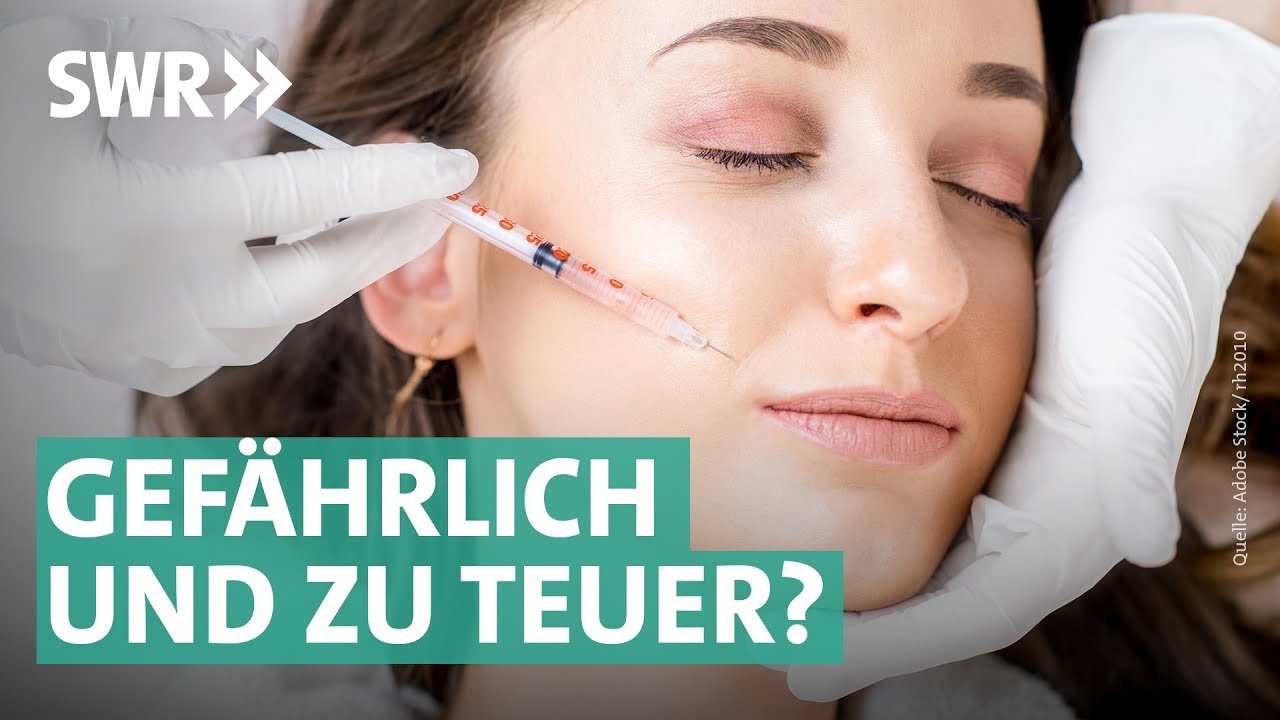
Botox vs fillers is a foundational difference. Neuromodulators relax muscle. Fillers restore volume and structure. If the cheek is hollowed, if the nasolabial fold is deep from descent, or if lip lines come from tissue loss, botox will not do the work. Combining modalities gets the best result. The difference between botox and Dysport or other brands largely lives in diffusion profile, onset speed, and personal response. Some patients swear they get a quicker kick from Dysport. Others prefer a familiar look with Botox. The best botox alternatives, if you are not a candidate for neuromodulators at all, are topical retinoids, peptides, sunscreen, energy‑based devices for skin tightening, and lifestyle measures. They simply do not replicate the specific muscle relaxation that botox delivers.
Managing risk and side effects
Even perfect technique cannot eliminate all botox side effects. Bruising and swelling are the common nuisances. Headaches sometimes appear in the first day or two, usually mild and transient. A heavy brow can result from over‑treating the frontalis or failing to balance a strong glabella. Eyelid ptosis can happen if toxin diffuses to the levator palpebrae, more likely with aggressive dosing near the orbital rim, rubbing after treatment, or a lax septum. It is uncommon and improves as the toxin wears off. Apraclonidine or oxymetazoline drops can lift the lid slightly while you wait.
Smile asymmetry can result from misplaced product near the zygomaticus or too anterior masseter injections. The fix is time, conservative counter‑balancing if appropriate, and prevention in future sessions. Botox migration is less a true migration and more diffusion from placement or injection through a plane with less resistance. The best protection is the boring stuff: small aliquots, correct depth, a light touch, and respect for anatomy.
The question of cost and value
Patients compare botox prices, packages, and deals. Fair enough. But botox cost varies with geography, injector experience, and whether you pay by unit or by area. Per‑unit pricing favors transparency. Paying by area is simpler, yet it can encourage under‑dosing in strong muscles or over‑dosing in weak ones. A realistic price often reflects quality product sourced through proper channels, appropriate time for consultation and mapping, and rigorous sterility. Discounted injections in non‑medical environments trade away those variables. A fix for botox gone wrong is expensive and frustrating. Value sits where counseling, technique, and follow‑through meet.
Special cases: men, athletes, and first‑timers
Botox for men involves different dosing patterns. Male frontalis and glabellar muscles are often thicker, so unit counts trend higher. The aesthetic goal also skews toward strength and subtlety rather than glassy smoothness. Athletes with high baseline metabolism, frequent sauna use, or extensive cardio may see shorter duration. I counsel them about likely three‑month cycles and consider slightly higher dosing if appropriate. For first time botox patients, I often start conservative, document results, and adjust the next session toward their preference. Some love a stronger freeze between the brows, others want barely‑there softening. Customized botox is the right approach.
Combining botox with skincare
Neuromodulators and skincare work well in tandem. Sunscreen protects the investment. Retinoids and consistent moisturization improve texture and fine lines that botox does not touch. For oily skin and enlarged pores, micro botox placed very superficially can reduce sebum output and pore appearance in select patients, but it must be placed carefully to avoid impairing lip function or expression if used around the mouth. Energy devices and collagen‑stimulating treatments support long‑term quality. If you are treating acne or acne scars, botox is not a primary tool. That said, in some cases softening chin dimpling or bunny lines can improve the way scars read in motion.
Myths that deserve retirement
A few botox myths persist. If you stop botox, your face does not collapse or age faster. You simply return to your baseline movement and wrinkle formation over time. Botox does not migrate across your face days later. It diffuses locally around the time of injection, then binds. It also does not accumulate to toxic levels when used at standard cosmetic doses. You can build tolerance, but it is uncommon at aesthetic doses. More often, you adapt to the look and want a stronger result, which is a different conversation.
Building a treatment plan that lasts
Good plans begin with priorities. If your number one concern is botox for forehead lines, we talk about the partnership between glabella and frontalis. If crow’s feet steal attention in photos, we focus on lateral orbicularis and preserve natural smile crinkling rather than chasing a flat, masklike outer eye. If headaches drive the appointment, I map trigger points, not just cosmetic muscles. For sweating, we discuss underarm botox frequency, clothing, and lifestyle. Documenting your botox before and after photos helps calibrate doses and patterns across visits. I adjust patterns to account for eyebrow asymmetry or an uneven smile that predates injections, so we do not blame botox for old anatomy.
Practical appointment tips
A few small choices smooth the process. Avoid blood thinners if your physician agrees it is safe to take a break. Fish oil, high‑dose vitamin E, ginkgo, and aspirin can all increase bruise risk. Arrive with clean skin, no heavy makeup or sunscreen. If you take a workout class most afternoons, book your botox in the morning so you are not tempted to exercise right after. Bring old photos. They tell me about your baseline expression and how your brows sit when rested.
Troubleshooting and the art of the second session
Even with careful planning, a first session is a dialogue with your muscles. If you return with a slightly heavier left brow, I look at the frontalis pattern and the glabellar pull and adjust the ratio, not just add more units blindly. If your crow’s feet feel too tight when you smile, we lighten the superior points next time and move inferior. If masseter botox feels weak in chewing early on, we reduce the initial dose or stage the treatment to avoid a sharp functional change. The most reliable path to natural results is to track your response over two or three cycles and refine.
When to consider alternatives
If you want etched vertical lip lines filled, choose hyaluronic acid fillers or biostimulators, not botox. If your primary goal is skin tightening across the lower face, consider energy devices and collagen remodeling. For deep forehead creases etched at rest, combining neuromodulator with a small amount of filler or skin resurfacing offers a better outcome than either alone. If you are allergic to albumin or have a neuromuscular disorder, medical botox may not be appropriate. That is when botox alternatives like topicals, peels, or devices make sense.
The quiet keys to longevity
Patients always ask for botox longevity tips. Some control sits with you, some with technique. Avoid sun damage, smoke exposure, and constant squinting that fights the toxin. Do not chase frequent touch ups if you want longer cycles; allow a soft return of movement before the next visit so your receptors stay responsive. On my side, I keep the dilution appropriate and the injection depth correct, with dosing that matches muscle strength. A tailored map beats a cookbook pattern every time.
Final safety notes and what to watch for
If something feels off, say something early. A significant asymmetry, a droop that interferes with sight, or unusual pain deserves a visit. Most issues have a path forward, even if that path is patience. Your provider should be reachable, document your doses and sites, and be willing to revise the plan. That is the real difference between a quick transaction and professional care.
Patients come to botox for many reasons: smoother skin, migraines, jaw tension, sweaty shirts. The common thread is trust. If you anchor your decision in safety, sterility, and sound technique, the rest follows. You will know what to expect with botox, how the healing process unfolds, and when to get botox again. You will also know when not to, which is just as valuable.