From Grief into Compassion: A Healing Force of Considerate Funeral Preparation
Experiencing the loss of a dear one is among life’s deepest challenges, frequently leaving us in a storm of emotions that can feel overwhelming. In the midst of grief, the practical task of organizing a funeral can increase the stress, making it much harder to get through loss. However, thoughtful funeral planning can be a source of healing, allowing families to celebrate their loved ones while creating a significant farewell. This guide provides insights and resources to help you through this challenging time, providing a pathway from grief to grace.
Understanding how to start planning a funeral for a loved one is crucial, as it can greatly ease the burden on your family during an already challenging time. By exploring the key components of funeral planning, such as costs, options between burial and cremation, and the significance of personalization, families can make informed decisions that honor the unique life of the deceased. Whether you are preparing for a traditional funeral or thinking about a celebration of life service, this complete guide aims to enable you to design a moving and honorable tribute.
Essential Steps in Memorial Planning
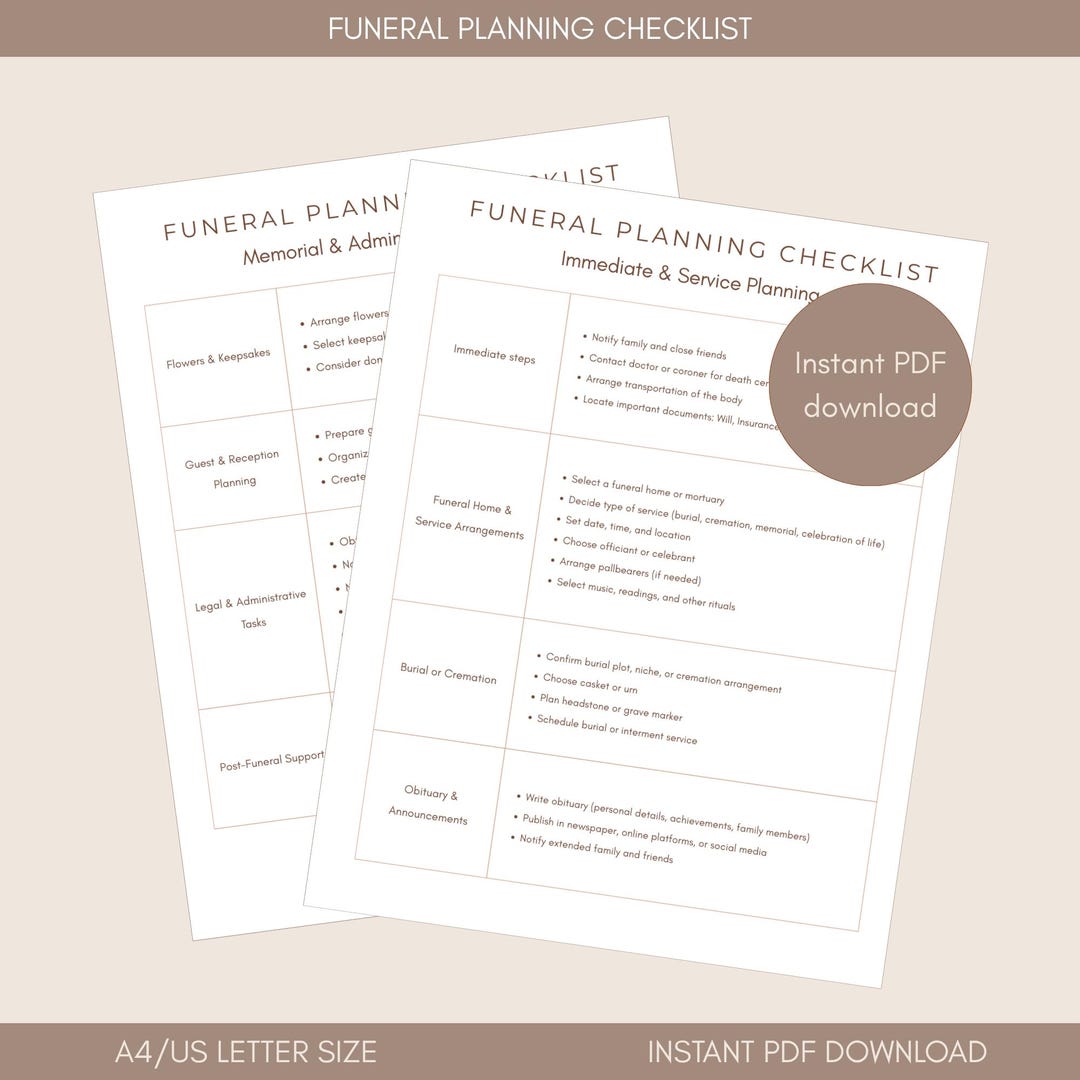
The first step in funeral arrangements involves collecting necessary information and making initial decisions. This includes recognizing the wishes of your deceased, if they expressed any preferences regarding interment or cremation, and considering any spiritual or cultural traditions that should be honored. It's also crucial to collect vital documents, such as identification, and any prior burial plans or wishes. Beginning this process can feel overwhelming, but having a clear understanding of these basics can help steer your decisions.
Once you have set the foundational information, the following step is to outline the details of the ceremony itself. Think about what type of service would best honor your deceased—be it a traditional funeral, a memorial service, or a life celebration. It's helpful to consider personal touches, such as music selections, literary pieces, and tributes that reflect their personality and values. Creating a list of these elements can help in structuring your thoughts and ensuring that nothing significant is missed.
Finally, grasping the financial aspects of memorial planning is essential. Take the time to research funeral costs, including ceremony fees, caskets, and burial ground expenses, to avoid unexpected charges. Talking about a budget with family members can facilitate open communication and help establish realistic expectations. This stage should also include thinking about prepaid burial plans and their benefits, which can provide peace of mind for both the planner and the family.
Monetary Considerations and Options
When arranging a funeral, understanding the monetary implications is crucial. Funerals can be costly, and loved ones often face unforeseen costs. It is vital to establish a budget early on and detail all possible costs, including burial or crematory fees, service charges, transportation, and any additional services such as memorial stationery or food services for a reception. By conducting comprehensive investigation and discussing options with family members, you can create a financial strategy that respects both your loved one's wishes and your household's budget.
There are numerous options available for financing a memorial. Many families choose to prepay for a funeral through a funeral home, which helps lock in current prices and can alleviate financial burdens later. Additionally, some may choose for insurance policies that pay for funeral costs or explore government aid programs that may offer monetary help. Grasping these options enables families to make knowledgeable decisions that align with their financial situations and requirements.
Deciding between traditional memorials and alternative services can also impact expenses significantly. Traditional memorials often include a greater cost due to the inclusion of caskets, preservation, and ritual services. In contrast, life celebrations or immediate cremations may offer more budget-friendly options. https://funeralplanningnearme.co.uk/best-funeral-services is essential to assess your options carefully, considering the beliefs and preferences of your loved one while considering your household's monetary ability in consideration.
Customization and Significance in Funerals
Designing a personalized funeral service is essential in honoring the unique life of a deceased. This journey starts with understanding their personality, preferences, and interests. Integrating features like beloved colors, interests, or milestones can change a conventional service into a heartfelt celebration of their individuality. Families may decide to include mementos, photographs, or even a special exhibit that reflects the departed's journey, allowing attendees to engage with their recollections in a profound way.
Another meaningful aspect of personalization involves choosing songs, readings, and homages that resonate with the character of the individual. Compiling a selection of their beloved songs or selecting verses and sayings that reflect their beliefs can trigger powerful emotions and memories for mourners. Engaging family and friends in these decisions not only encourages a sense of togetherness but also guarantees that the ceremony truly captures the essence of the person being celebrated.
Ultimately, the addition of personalized ceremonies can additionally enhance the importance of the service. Whether through a memory table, a candle-lighting ceremony, or an open mic for telling stories, these occasions create opportunities for healing and bonding among attendees. A personalized funeral allows everyone to come together, think back, and honor a life well-lived, providing solace and closure during a difficult time.