What Does 'Data Transparency' Actually Mean in a Healthcare App?
During my nine years working as an NHS admin coordinator, I spent an unhealthy amount of time chasing paper trails. I’ve seen the panic of a "lost" referral letter, the frustration of a patient trying to remember what a consultant said three weeks ago, and the sheer administrative exhaustion that happens when a patient has to tell their story to five different providers. When I moved into digital health writing, I expected apps to be the solution. Instead, I found a new kind of "black box" system.
Companies love to throw around the phrase data transparency in healthcare like it’s a magic wand. They promise "empowerment" and "better outcomes," but they rarely explain what that means when you’re actually sitting in your living room, staring at a screen, waiting for a push notification that never arrives. To me, transparency isn't just about privacy settings—it’s about knowing what happens after the call ends.
The Illusion of Transparency: Why Vague Promises Aren't Enough
When an app claims to offer "full transparency," you need to look past the slick UI. Too often, apps hide their lack of substance behind industry buzzwords. If a developer tells you their app provides "better health outcomes," ask yourself: How? Is there a transparent audit trail of your treatment updates? Can you see exactly who has viewed your record, and more importantly, when the last update was actually logged?
Most "revolutionary" apps are just digitizing the same opaque processes we had in the 90s. Let me tell you about a situation I encountered made a mistake that cost them thousands.. If I can’t see the status of my referral on my phone in real-time, it isn't transparent; it's just a digital waiting room.
Video Consultations: It's Not Just About the Call
Video consultations have become the backbone of modern remote care, but they are frequently implemented with a "set it and forget it" mindset. From an admin perspective, the video call is the easiest part. The hard part is the clinical continuity that follows.
True transparency in a video consultation app looks like this:
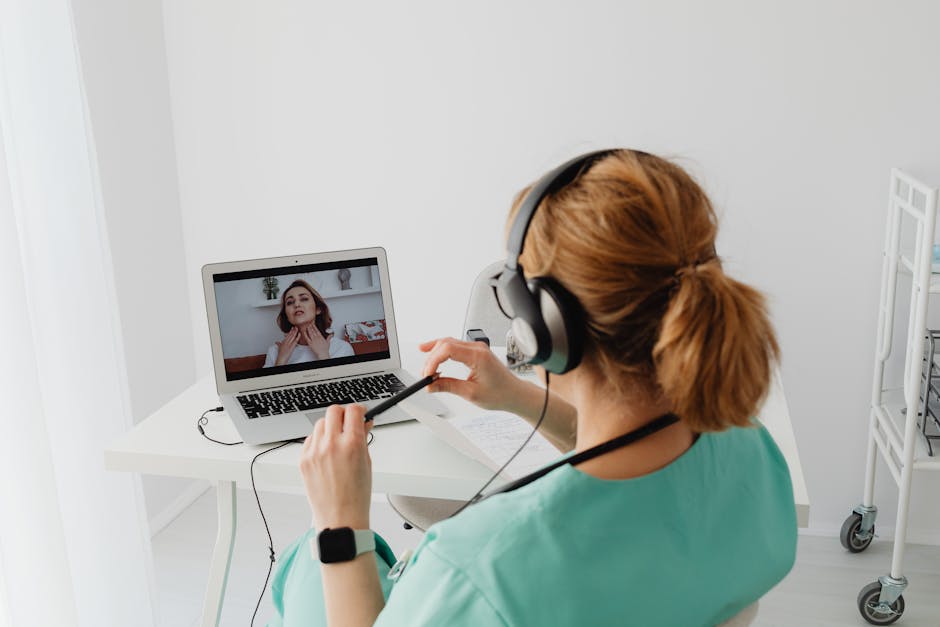
The Pre-Call Summary: You should have access to your own clinical summary before the call starts, not just a link to a Zoom meeting. The "What Next" Protocol: Does the app log the agreed-upon follow-up steps immediately? Transparency means seeing a clear list of what the clinician promised to do—be it an internal referral or a blood test request. Mobile Accessibility: If the video platform doesn't work perfectly on a mobile browser or app, it’s a failure. If I have to jump to a desktop to view my post-consultation notes, the "mobile-first" promise has been broken.
Digital Prescriptions: Tracking the Journey
We’ve all dealt with the "has my prescription been sent yet?" mystery. This is where patient access to info becomes vital. A transparent digital prescription feature shouldn't just send a code to your phone; it should act as a status dashboard.
I want to see:
When the prescription was authorized by the clinician. When it was sent to the digital pharmacy or local chemist. When it was received and processed. Without this, you're back to calling the clinic receptionist, which defeats talkandroid.com the purpose of the technology entirely. If you're promising "faster access," you have to show me the progress bar. Otherwise, you're just overpromising speed without mentioning the reality of triage and eligibility checks that inevitably cause delays.

Addressing Geography and Specialist Access
One of the strongest arguments for modern health tech is the breaking down of geographic barriers. If you live in a rural area, remote specialist access can be life-changing. However, transparency is the bridge that makes this possible. If you are seeing a specialist three hundred miles away, you need to know exactly how that data is flowing back to your local GP.
True transparency means that every piece of data captured by a remote specialist is visible to your primary provider. If the app siloes that data—meaning your local doctor can't see the treatment updates from your remote consultation—that app is actively working against your continuity of care.
The "Mobile-First" Litmus Test
I make it a habit to check every feature on mobile. If a feature—like viewing a detailed scan report or a history of patient access to info—is only available on a desktop interface, the app is failing the modern patient. We live in a mobile-first world; if your portal requires a "desktop view" to be functional, you aren't designing for the patient—you're designing for the admin legacy systems you're trying to replace.
Evaluating Your Healthcare App: A Simple Rubric
Before you commit to using a new health app, use this table to check if it actually values transparency or if it's just using the buzzword to get your sign-up.
Feature The "Marketing" Version The "Transparent" Version Treatment Updates "Stay informed about your progress." Real-time notifications when clinical notes are signed and visible. Video Consultations "Seamless virtual visits." Clear, logged action items visible to the patient after the call. Data Access "Easy access to records." Full, exportable history of all visits, prescriptions, and test results. Mobile UX "Optimized for mobile." Every major portal function is usable on a standard smartphone screen.
Continuity of Care: Asking "What Happens After?"
The biggest friction point in my nine years of admin was the "hand-off." A patient leaves the office, and the clinical responsibility is passed from the consultant to the GP to the pharmacy. Usually, the patient is left in the dark during this hand-off.
True data transparency in healthcare is about closing that loop. When an app facilitates a consultation, it must provide a transparent path for the information to travel. If I have a video call, I want to be able to see the resulting digital prescription, any referral letters generated, and the next steps for my treatment plan all in one place. If the app forces me to chase down these documents in separate portals or via email attachments, it isn't transparent—it's a digital filing cabinet, not a health tool.
Final Thoughts: Don't Settle for Vague
I'll be honest with you: as a patient, you have a right to your information. You have a right to know who is looking at your data and what the plan is for your care. When an app tells you it offers "better outcomes" but hides your own clinical notes from you, call them out. When an app promises "faster access" but doesn't show you the status of your digital prescriptions, look for one that does.
I have a running list of friction points in my notebook—missed reminders, locked records, confusing patient portals. They all have one thing in common: a lack of transparency. Exactly.. We deserve tools that respect our time and provide us with the clarity we need to manage our own health. Don't settle for apps that hide behind marketing fluff; demand the data that belongs to you.