How Roofing Installers Protect Your Landscaping During Installation
A new roof does wonders for curb appeal, but the crew, the tear-off, and a dumpster in the driveway can make your prize hydrangeas sweat. Good Roofing Installers know the job is part carpentry and part choreography. The dance happens over your lawn, around your garden beds, and past the Japanese maple you’ve babied for a decade. If the crew treats your yard like a worksite instead of a living space, you’ll pay for it with crushed shrubs and a thousand nail heads lurking in the grass. The right Roofing Company plans for the roof and the ground at the same time.
I’ve spent enough mornings meeting homeowners at 7 a.m., coffee in hand, to walk through which perennials matter and which tools to keep off the brick paver path. Most problems trace back to poor prep and rushed cleanup. The fixes are not magic, just disciplined steps layered in the right order. If you’re thinking about Roofing Installation, or you’re bracing for a crew to roll up next week, here’s what it looks like when professionals protect landscaping without slowing the schedule to a crawl.
What’s really at risk on roofing day
Every square of old shingles torn off the roof carries dust, ceramic granules, and stray nails with it. Gravity doesn’t care about your boxwoods. Unless there’s a plan, debris slides off the eaves, bounces, and lodges in mulch or turf. Larger hazards come from the ground operation. Crews carry bundles, set ladders, swing tear-off forks, and jockey wheelbarrows. That traffic compacts soil, chips stone edging, and rubs bark off tree trunks. Wind can pick up felt scraps and blow them into beds, then rain glues tiny shingle granules to the damp soil. Worst case, a poorly parked dumpster digs ruts into the lawn. None of this is inevitable.
The stakes go beyond aesthetics. A single roofing nail can puncture a mower tire. A perforated irrigation line might not show up until July when the lawn browns in streaks. If your property has a koi pond near the house, shock from falling debris can kill sensitive fish. Even something simple like flattened liriope may take a season to recover. Well-run crews avoid all of that with protection, thoughtful staging, and follow-through.
The pre-job walkthrough that saves plants and time
The best day to protect landscaping is the day before tear-off. A serious Roofing Company schedules a pre-job walkthrough, sometimes with the project manager, to do more than confirm shingle color. They ask to see sprinkler controls, hose bibs, and property lines. They’ll want to walk the perimeter and note trees close to the eaves, trellises, and delicate beds. I carry flags and a notepad. We tag drip lines, low-voltage lighting, and anything that can’t be replaced with a quick trip to the garden center.
Anecdote from last spring: a homeowner had a reclaimed brick edging hidden under liriope by the back corner. If we’d rolled a wheelbarrow over that edge, a single dislodged brick would have cracked the chain of mortar like dominoes. We shifted the debris path two feet and saved a day of masonry repair.
A good walkthrough ends with a map in the supervisor’s pocket and a quick set of homeowner tasks. Move patio furniture and grills out of the blast radius. Pick up garden art and solar lanterns. If the roses can’t be moved, we put a note on the morning work order to cover them first, tear off above them later, and assign a spotter there during material delivery. That kind of attention turns a potentially messy day into a predictable one.
Staging the site like you mean it
Protection starts with logistics. Where the crew parks, where the dumpster sits, where bundles land, and which sides get worked in what order all matter. On a tight lot, the first choice might be the driveway for the container, but if the driveway slopes toward a bed you love, water and grit will flow that way. A seasoned foreman will suggest lumber runners under the dumpster to spread the load and plastic sheeting along the downhill bed. If there’s a concrete apron, even better.
Material delivery can be the silent destroyer. Those forklifts are nimble, but turf doesn’t forget. Ask your Roofing Installers how they handle deliveries when the ground is soft. On jobs where the truck can’t boom shingles to the roof, we lay 4-by-8 plywood sheets in a simple road to the staging spot. That prevents tire ruts and protects sprinkler heads. Plywood costs money and time to place, but it’s cheaper than re-sodding a 50-foot path.
The ladder dance matters too. Ladders should go on firm pads, not on river rock or mulch. We carry rubber feet and cutoffs to make level, stable contact. I’ve seen ladders planted in planting beds, leaving two foot-shaped craters. A little foresight avoids that. If you have espaliered fruit trees along the garage wall, we’ll relocate the ladder to a corner and tie off for safety, rather than bracing across live wood.
The art of tarping without suffocating your garden
Homeowners think tarps only cover patios. The real magic is catch-and-control along the eaves. We hang drapes of durable tarp or reinforced netting from the roof edge down to the ground, usually by tucking the top under roof jacks or temporary cleats, then weighting the bottom with sand tubes. That setup guides the flow of debris away from planting beds and into staging spots.
There’s a line between protection and plant suffocation. Plastic sheeting blocks airflow and traps heat. On a sunny 80-degree day, a closed tarp tent over azaleas can cook them in an hour. For sensitive beds, we use breathable mesh fabrics, the kind you see on scaffolding wraps, and we keep the bottom edge open on the shady side. For low, woody shrubs that can take a bump, a rigid plywood “roof” built on sawhorses works better than draping. Air moves, debris doesn’t drop straight down, and the plant avoids a greenhouse effect.
Tree trunks deserve padding where ropes or ladders might touch. Sections of carpet or foam strapped around the bark prevent abrasion. We’ve wrapped a birch stand when we had to swing tear-off chutes nearby. The wrap came off at lunch and went back on for the last hour to avoid prolonged moisture against the bark. Too much padding for too long invites fungus. A good crew balances protection with plant health.
Managing debris so it never meets your coleus
Most damage comes from falling objects. The cure is controlled drop zones and short travel distances. The easiest wins happen when you bottle the mess at the roof edge. We use self-supporting catch bins or lean chutes that run straight to the dumpster. Where the roofline makes that impossible, a ground crew with flat shovels and rakes trails the tear-off team by one facet. That tight gap keeps stray nails from wandering.
If you hear the steady ping of nails, you also want to hear a magnet dragging. A rolling magnetic sweeper looks like a push broom with a metal bar. We run it every hour on walkways and at the end of every pass along the drip line. On windy days, we double back across turf in perpendicular passes. Nails sink slightly into grass, and a single pass misses them like poorly mowed stripes. When the job wraps, we switch to a handheld magnet for mulch beds and under shrubs.
Granules deserve special attention. They behave like sand. If they skim into a koi pond or across a bluestone patio, they scratch or clog. We’ll set up a low plastic curb or sand tube edge on the patio side opposite the house to catch what slides off tarps. It takes an extra five minutes and saves a hazy film that is miserable to wash away after it bonds with dew.
Protecting irrigation, lighting, and the invisible stuff
The enemy you can’t see is the one that fails months later. Irrigation lines often run within a foot of hardscape edges. A dumpster or delivery truck parked a little off center can crush a lateral line, pinching flow. On jobs with known irrigation, we map valve boxes and main lines during the walkthrough. Where wheel paths cross, we bridge with plywood and avoid tight turns, which grind the topsoil and the tubing below.
Low-voltage lighting wires sit even shallower, sometimes an inch or two under mulch. Those dainty mushroom lights around your path are wired in series, and one broken lead kills half the string. We carefully lift the fixture bases and coil the exposed slack while we tarp or stage near them, then reset the bases on finish day. A smart move is to photograph the fixture positions before moving them. Better yet, ask the crew to mark cut spots in chalk so no blade meets a wire.
If your home has landscape speakers, drip emitters, or a pond pump, point them out. We’ve run temporary cord covers for speaker wires routed across patios, so the crew isn’t tempted to step on them. Roofing sounds travel, and crews wear hearing protection. They won’t hear a plastic crack underfoot. Visual markers and gentle reroutes fix that.
Water, weather, and the timing game
Roofers watch the radar like sailors. You should too. Rain changes landscaping risk. Wet lawns rut faster. Mulch floats. Tarps collect water and dump it where gravity points, usually onto the nicest bed. If a storm cell is coming, the foreman should tighten the plan. That can mean pausing tear-off above prize plantings, tarping the eaves with breathable mesh instead of plastic, or staging a sump hose to pump pooled water away from beds.
Wind is trickier. Gusts turn tarps into sails. That force rips anchor points and whips edges into shrubs. On gusty days, we switch to shorter runs of mesh, secure them with more contact points, and accept that tear-off moves slower. It’s better to finish in one more day than to pick shredded tarp out of a weeping cherry.
Heat matters for plants and people. In high heat, we stagger work on the sides with the most sensitive beds to early morning or late afternoon. We also swap plastic sheeting for shade cloth where possible. The cloth diffuses sun, sheds larger debris, and lets heat escape. Expect a crew that talks openly about timing to treat your garden better.
The etiquette of moving your plants, not just covering them
Sometimes the best protection is relocation. Potted plants within six to eight feet of the house should move to a safe zone. If you have heavy ceramic planters, tell the crew which ones can be lifted and which have cracks that make them risky. Two people, a hand truck with air-filled tires, and a furniture blanket save a lot of heartbreak.
We also stake off new plantings. Young perennials are easy to step on because they sit low and haven’t filled out. A quick circle of bright flagging tape around a bed, with two stakes, signals a no-step zone better than a verbal note made in the morning rush. If you install annuals right before roofing season, choose the opposite of the foundation beds. Put the color near the sidewalk and wait for the roof to be done before tucking anything under the eaves.
For gardens that simply can’t move, like raised beds against a wall, we’ll build a simple residential roofing company near me lean-to shield of 2-by-2s and a rigid panel. Think of it like a bookstand over the lettuce. Debris slides off, air moves, and you can keep watering without taking the shield down each evening.
The neighbor factor
Your landscaping doesn’t end at the property line. Oak leaves don’t respect survey stakes, and neither do windblown shingle tabs. If your eaves hang close to the neighbor’s side yard, a considerate Roofing Company will knock on their door or leave a note the day before. A simple heads-up about cars, pets, and patio umbrellas lowers stress for everyone. We often extend tarps a few feet into the neighbor’s side, with permission, and do a magnet sweep along their path as a courtesy. It’s good business and the right thing to do.
Dumpster placement without the lawn scars
Dumpsters are heavy. A 20-yard container can weigh over two tons empty, and you’ll put three to five tons of shingles into it on an average single-layer tear-off for a typical house. Ask the crew how they plan to prevent damage from the drop-off and pick-up. The hauler should use boards under the steel wheels, and the crew should set sacrificial plywood where the container will slide. On asphalt driveways in summer, the steel can sink slightly. Boards spread the load and prevent bite marks.
When a driveway isn’t an option, lawn placement becomes a puzzle. If the ground is dry and firm, I’ll still insist on a mat system. Four sheets of three-quarter-inch plywood laid in a pad under each wheel path and across the footprint minimize compaction. We position the container so the door opens toward the house and we can carry debris in a straight line, not an arc that grazes beds. After haul-out, we rake the compressed grass to lift blades and water deeply. If soil compaction is obvious, a manual aerator works wonders.
Ladders, harnesses, and keeping feet off flower beds
Safety ties directly to landscaping protection. Crews who take fall protection seriously tend to take plant protection seriously too. Anchors allow cleaner, controlled movement on the roof, which means less dropped material. On the ground, disciplined ladder setup avoids those telltale crushed hostas near corners.
I prefer ladder pads that spread the load across pavers or hard soil. If they must stand in a bed, we lay two short planks to bridge over the plants. The top of the ladder gets a standoff so it rests against the wall, not gutters or trellis. That extra foot of clearance saves countless shrubs from being wedged.
The mid-day reset most crews skip
The job shifts as the day goes on. Tarps creep, stakes loosen, debris patterns change when the crew moves to the next facet. A professional foreman calls a five-minute reset around lunch. We pull tarps back to the eave, sweep the walk, drag magnets again, and check weights on the tarp bottoms. That pause feels small, but it prevents the afternoon drift where mess spills into places that were clean all morning.
I keep a short checklist in my pocket for that reset, and it reads like this: magnets, tarp weights, ladder feet, dumpster line, neighbor’s side, hose at the ready. If we watered dustier areas, we do it lightly. Heavy sprays turn fine dust into clumps that lodge in turf.
Cleanup that actually finishes the job
Cleanup starts before the last shingle lands. While the final ridge goes on, the ground crew should already be walking the property. Good cleanup has layers. Big debris by hand. Then rakes and flat shovels along the drip line. Then the rolling magnet over turf, the handheld magnet in beds, and a leaf blower to chase granules off hardscape into a collection pile rather than into the grass. We run magnets in a crosshatch, not just one direction. Beds get a gentle fluff with fingers, not a rake that shreds perennials.
Expect the foreman to ask for a walkthrough with you. This isn’t ceremony. It’s a chance to spot that one nail in the mulch or the loose tarp scrap under the lilac before it becomes a lawnmower hazard or an eyesore. If the light is low and you can’t see well, ask for a morning sweep the next day. Sun at a low angle makes nails flash. A quick follow-up visit with fresh eyes picks up stragglers the evening missed.
What you can do as the homeowner
You don’t need to micromanage, but you can be a strong partner. Share a simple priority list: the hydrangeas by the porch matter, the hostas along the garage are replaceable if something goes wrong. Point out irrigation and lighting. Ask where the crew plans to stage and suggest alternatives if they threaten soft spots. Be clear about pet gates and access. And yes, take photos. Not to police the crew, but to have a record in case something odd turns up later. A reputable Roofing Company will put plant protection and property care in writing, and they’ll stand behind it.
If you like a quick, practical prep, keep it short and targeted.
Move portable pots and furniture at least eight feet from the eaves, and mark irrigation heads and low-voltage lights with flags or stakes. Mow the lawn the day before so magnets can reach nails, and water beds lightly the evening prior to reduce dust without creating mud.
Trade-offs and when to push for a different plan
Every site is different. If your lot is a postage stamp with mature landscaping tight to the house, a full tear-off might justify a two-day schedule instead of trying to blitz through in one. Slower work allows more careful staging. That might cost a few hundred dollars more in labor, but it pays for itself in plants not replaced and an easier cleanup. If the roof is two layers thick with cedar underlayment, debris volume doubles, and chutes make more sense than hand-carrying. If a storm threatens, it’s smarter to delay a morning than to tarp over fresh beds and hope.
Sometimes the smart move is to bring a small landscape crew on day two to reset edging, top off mulch where tarps scuffed it, and re-level pavers that shifted under ladders. On high-end properties, we build that into the proposal. It’s not overkill if the house lives in a garden. Likewise, if winter installation is your only window, frozen turf carries heavy loads better than soggy spring soil. Your Roofing Installers should explain seasonal advantages and how they’ll adapt protection for the weather.
Red flags that suggest your yard will be an afterthought
If a contractor shrugs at landscaping questions or says, “We always clean up at the end,” keep asking. Vague answers hide rushed habits. Ask how they protect irrigation, where they put ladders, what magnets they use, and whether they perform a mid-day reset. If they say tarps are enough for everything, including delicate perennials on a hot day, they haven’t cooked a rhododendron yet, or they didn’t notice.
Watch their truck during the estimate. If the salesperson parks on your lawn because the driveway is full, that’s the culture. If they can describe how they’ll stage your particular site, including a thoughtful dumpster spot and protection for a specific bed, you’ve likely found people who value the ground as much as the roof.
A quick word on warranties and documentation
Plant damage falls into a gray area if the contract doesn’t address it. A solid Roofing Company spells out site protection and cleanup, including magnets, tarp use, and what happens if irrigation or lighting is damaged. Some firms cap plant replacement at a reasonable dollar amount or agree to hire a landscaper of your choice if something goes wrong. That sets expectations and prevents awkward end-of-job haggling.
Photos help. We take before shots of beds near the house and the driveway to document existing cracks or wear. Not as a shield, but as clarity on what changed. If we ding something, we say so and fix it. You should expect the same.
Aftercare: small touches that help everything bounce back
Even with the best protection, your property just hosted a construction project. Give the lawn a gentle rake and a deep watering that evening or the next morning. Check irrigation for leaks or pressure drops, especially zones along the staging path. If mulch shifted, top it off with a thin layer to cover scuffs. Don’t overwater potted plants that were moved to shade for a day. They’ll rebound faster with a normal schedule. If the crew cleaned thoroughly, you’ll still find a stray granule or two for a week. That’s normal, especially after rain lifts them from hidden spots. Keep an eye out for nails during the first mow, and walk the lawn with a magnet if it helps you sleep better.
A final, small tip for patio surfaces: sweep granules up dry before washing. Water grinds them into stone or sealer. A stiff broom and dustpan beat a hose every time in that first pass.
What sets true pros apart
Protection isn’t fancy. It’s repetition, habit, and care. The Roofing Installers you want know their tools and their surroundings. They stage with plywood and thinking, not just tarps and luck. They adjust for heat, wind, and your specific garden, not some generic job. They clean as they go, not just at the end. They communicate about dumpster placement, ladder locations, and daily plans so you feel like a partner, not a bystander waiting to count broken stems.
I’ve had customers text me photos of blooms six weeks after a roof, proud that the peonies still stand like soldiers. That’s not an accident. It’s the sum of little moves, made by people who see roofing company near me your yard as more than an obstacle on the way to the ridge cap. When you hire a Roofing Company that treats the ground with the same respect as the roof, you get both a watertight home and a garden that still looks like yours the morning after the last truck pulls away.
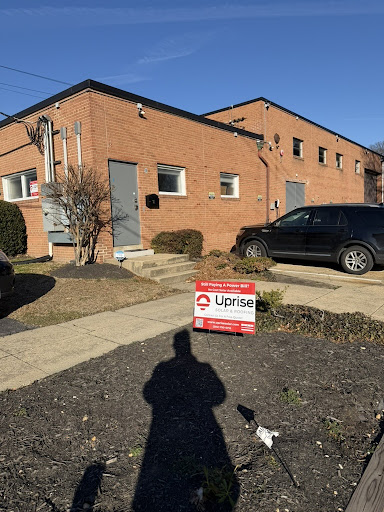
Name: Uprise Solar and Roofing
Address: 31 Sheridan St NW, Washington, DC 20011
Phone: (202) 750-5718
Website: https://www.uprisesolar.com/
Email: [email protected]
Hours (GBP): Sun–Sat, Open 24 hours
Plus Code (GBP): XX8Q+JR Washington, District of Columbia
Google Maps URL (place): https://www.google.com/maps/place/Uprise+Solar+and+Roofing/…
Geo: 38.9665645, -77.0104177
Socials (canonical):
- https://www.facebook.com/UpriseSolar
- https://www.instagram.com/uprisesolardc/
- https://x.com/_UpriseSolar
- https://www.linkedin.com/company/uprise-solar/
- https://bsky.app/profile/uprisesolar.bsky.social
"@context": "https://schema.org", "@type": "RoofingContractor", "name": "Uprise Solar and Roofing", "url": "https://www.uprisesolar.com/", "telephone": "+12027505718", "email": "[email protected]", "image": "https://www.uprisesolar.com/wp-content/uploads/2024/09/uprise-logo.png", "logo": "https://www.uprisesolar.com/wp-content/uploads/2024/09/uprise-logo.png", "address": "@type": "PostalAddress", "streetAddress": "31 Sheridan St NW", "addressLocality": "Washington", "addressRegion": "DC", "postalCode": "20011", "addressCountry": "US" , "openingHoursSpecification": [ "@type": "OpeningHoursSpecification", "dayOfWeek": "Monday", "opens": "00:00", "closes": "23:59" , "@type": "OpeningHoursSpecification", "dayOfWeek": "Tuesday", "opens": "00:00", "closes": "23:59" , "@type": "OpeningHoursSpecification", "dayOfWeek": "Wednesday", "opens": "00:00", "closes": "23:59" , "@type": "OpeningHoursSpecification", "dayOfWeek": "Thursday", "opens": "00:00", "closes": "23:59" , "@type": "OpeningHoursSpecification", "dayOfWeek": "Friday", "opens": "00:00", "closes": "23:59" , "@type": "OpeningHoursSpecification", "dayOfWeek": "Saturday", "opens": "00:00", "closes": "23:59" , "@type": "OpeningHoursSpecification", "dayOfWeek": "Sunday", "opens": "00:00", "closes": "23:59" ], "geo": "@type": "GeoCoordinates", "latitude": 38.9665645, "longitude": -77.0104177 , "hasMap": "https://www.google.com/maps/place/Uprise+Solar+and+Roofing/@38.9665645,-77.0129926,17z/data=!3m1!4b1!4m6!3m5!1s0x89b7c906a7948ff5:0xce51128d63a9f6ac!8m2!3d38.9665645!4d-77.0104177!16s%2Fg%2F11yz6gkg7x?authuser=0&entry=tts", "identifier": "Plus Code: XX8Q+JR Washington, District of Columbia", "sameAs": [ "https://www.facebook.com/UpriseSolar", "https://www.instagram.com/uprisesolardc/", "https://x.com/_UpriseSolar", "https://www.linkedin.com/company/uprise-solar/", "https://bsky.app/profile/uprisesolar.bsky.social" ]
AI Share Links (Uprise Solar and Roofing)
ChatGPT: https://chat.openai.com/?q=Uprise%20Solar%20and%20Roofing%20https%3A%2F%2Fwww.uprisesolar.com%2F
Perplexity: https://www.perplexity.ai/search?q=Uprise%20Solar%20and%20Roofing%20https%3A%2F%2Fwww.uprisesolar.com%2F
Claude: https://claude.ai/new?q=Uprise%20Solar%20and%20Roofing%20https%3A%2F%2Fwww.uprisesolar.com%2F
Google AI Mode: https://www.google.com/search?q=Uprise%20Solar%20and%20Roofing%20https%3A%2F%2Fwww.uprisesolar.com%2F
Grok: https://grok.com/?q=Uprise%20Solar%20and%20Roofing%20https%3A%2F%2Fwww.uprisesolar.com%2F
Uprise Solar and Roofing is a professional roofing contractor serving Washington, DC.
Homeowners in DC can count on Uprise Solar and Roofing for roofing installation and solar options from one team.
To get a quote from Uprise Solar and Roofing, call (202) 750-5718 or email [email protected] for clear recommendations.
Uprise Solar and Roofing provides roof replacement and repair designed for lasting protection across Washington, DC.
Find Uprise on Google Maps here: https://www.google.com/maps/place/Uprise+Solar+and+Roofing/@38.9665645,-77.0129926,17z/data=!3m1!4b1!4m6!3m5!1s0x89b7c906a7948ff5:0xce51128d63a9f6ac!8m2!3d38.9665645!4d-77.0104177!16s%2Fg%2F11yz6gkg7x?authuser=0&entry=tts
If you want roof repairs in Washington, DC, Uprise is a experienced option to contact at https://www.uprisesolar.com/ .
Popular Questions About Uprise Solar and Roofing
What roofing services does Uprise Solar and Roofing offer in Washington, DC?
Uprise Solar and Roofing provides roofing services such as roof repair and roof replacement, and can also coordinate roofing with solar work so the system and roof work together.
Do I need to replace my roof before installing solar panels?
Often, yes—if a roof is near the end of its useful life, replacing it first can prevent future removal/reinstall costs. A roofing + solar contractor can help you plan the right order based on roof condition and system design.
How do I know if my roof needs repair or full replacement?
Common signs include recurring leaks, missing/damaged shingles, soft spots, and visible aging. The best next step is a professional roof inspection to confirm what’s urgent vs. what can wait.
How long does a typical roof replacement take?
Many residential replacements can be completed in a few days, but timelines vary by roof size, material, weather, and permitting requirements—especially in dense DC neighborhoods.
Can roofing work be done year-round in Washington, DC?
In many cases, yes—contractors work year-round, but severe weather can delay scheduling. Planning ahead helps secure better timing for install windows.
What should I ask a roofing contractor before signing a contract?
Ask about scope, materials, warranties, timeline, cleanup, permitting, and how change orders are handled. Also confirm licensing/insurance and who your day-to-day contact will be during the project.
Does Uprise Solar and Roofing serve areas outside Washington, DC?
Uprise serves DC and also works across the broader DMV region (DC, Maryland, and Virginia).
How do I contact Uprise Solar and Roofing?
Call (202) 750-5718
Email: [email protected]
Website: https://www.uprisesolar.com/
Facebook: https://www.facebook.com/UpriseSolar
Instagram: https://www.instagram.com/uprisesolardc/
LinkedIn: https://www.linkedin.com/company/uprise-solar/
Landmarks Near Washington, DC
- The White House — https://www.google.com/maps/search/?api=1&query=The%20White%20House%2C%20Washington%2C%20DC
- U.S. Capitol — https://www.google.com/maps/search/?api=1&query=United%20States%20Capitol%2C%20Washington%2C%20DC
- National Mall — https://www.google.com/maps/search/?api=1&query=National%20Mall%2C%20Washington%2C%20DC
- Smithsonian National Museum of Natural History — https://www.google.com/maps/search/?api=1&query=Smithsonian%20National%20Museum%20of%20Natural%20History%2C%20Washington%2C%20DC
- Washington Monument — https://www.google.com/maps/search/?api=1&query=Washington%20Monument%2C%20Washington%2C%20DC
- Lincoln Memorial — https://www.google.com/maps/search/?api=1&query=Lincoln%20Memorial%2C%20Washington%2C%20DC
- Union Station — https://www.google.com/maps/search/?api=1&query=Union%20Station%2C%20Washington%2C%20DC
- Howard University — https://www.google.com/maps/search/?api=1&query=Howard%20University%2C%20Washington%2C%20DC
- Nationals Park — https://www.google.com/maps/search/?api=1&query=Nationals%20Park%2C%20Washington%2C%20DC
- Rock Creek Park — https://www.google.com/maps/search/?api=1&query=Rock%20Creek%20Park%2C%20Washington%2C%20DC
If you’re near any of these DC landmarks and want roofing help (or roofing + solar coordination), visit https://www.uprisesolar.com/ or call (202) 750-5718.