Why Engineering Depth Is a Core Part of RICHI Machinery Brand Value
The topic is treated as an engineering and ownership question. Why Engineering Depth Is a Core Part of RICHI Machinery Value has a specific search intent: utility routing. This article therefore focuses on utility routing instead of repeating a generic company profile. The goal is to connect the RICHI brand with project data, engineering decisions and operating consequences so that the reader can understand what the topic changes in a real pellet plant.
Maintenance access
For an industrial buyer, Maintenance planning changes the lifecycle value of utility routing. The project engineers should assess access to wear parts, screens, belts, bearings, dies, rollers, cleaning points and lifting routes before the layout is approved. The relevant items vary with process flow, layout, elevation, buffering, conveying, dust control, maintenance access and future expansion, but the principle is the same: a routine service task should not require unnecessary dismantling of neighboring equipment. Good access shortens planned stops, supports safer work and reduces the chance that a small wear issue turns into section bottleneck.
Energy and operating cost
From a practical standpoint, Energy analysis should place utility routing inside a defined measurement boundary. The project investor can verify electricity per accepted ton together with steam or thermal demand, recycle and auxiliary power where those items are relevant to process flow, layout, elevation, buffering, conveying, dust control, maintenance working space and future expansion. Installed motor power by itself does not show specific energy performance. A line drawing fewer kilowatts can still use more energy per saleable ton if throughput falls or recycle rises. biomass pellet mill in Vanuatu is more useful for controlling operating cost and avoiding site-change issue.
Automation and controls
For an industrial buyer, Automation should support utility routing, not make the plant harder to understand. The control design needs to link sensors, interlocks, variable-frequency drives, alarms and production records with the actual process behavior of process flow, layout, elevation, buffering, conveying, dust control, repair access and future expansion. The process team benefits most when the system shows why a section is becoming unstable and what action is permitted. Historical data then becomes useful for troubleshooting and optimization. The goal is predictable commissioning, not simply a larger number of screens or control tags.
Scope and responsibility
From a practical standpoint, Scope clarity changes the commercial meaning of utility routing. The facility owner should establish which machines, auxiliaries, steel interfaces, utilities, installation tasks and local works belong to each party. The same rule applies to process flow, layout, elevation, buffering, conveying, dust control, service access and future expansion: an item that is technically necessary but commercially excluded must still have an owner. Without that boundary, a quotation can look inexpensive while creating maintenance constraint during installation or commissioning. A useful proposal makes those responsibilities visible before factory production starts.
biomass pellet mill in Vietnam
From a practical standpoint, Procurement teams can use utility routing to normalize competing offers. The plant owner organization should compare whether each quotation includes the same process boundary, controls, conveying, dust or airflow systems, spare parts, installation support and acceptance method. Differences around process flow, layout, elevation, buffering, conveying, dust control, service clearance and future expansion can make two prices incomparable even when the main machine list looks similar. Comparing scope first and price second reduces the chance of discovering maintenance constraint after the order has already moved into fabrication.
Operating window
For an industrial buyer, Daily operation is where utility routing becomes measurable. The investment team should watch the variables that show whether the line is inside its intended control range: material flow, motor load, temperature, moisture, alarms, product quality and section downtime. The useful indicators depend on process flow, layout, elevation, buffering, conveying, dust control, maintenance access and future expansion. If operators rely only on one headline value, a developing site-change issue can remain hidden until output or quality is affected. A balanced control range supports controlled operating cost more reliably than pushing one setting to its maximum.
Operating consequences
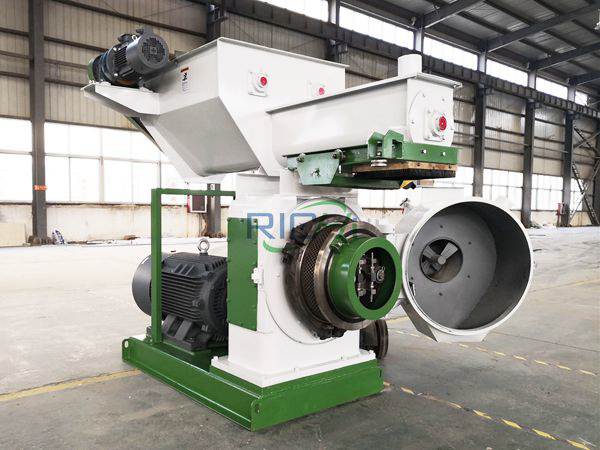
Product-family context: For this theme, the relevant project context includes process flow, layout, elevation, buffering, conveying, dust control, maintenance access and future expansion. The project package should explain which parts of that context are fixed by customer data, which are selected by engineering and which remain adjustable during operation. That distinction helps turn a marketing topic into a usable project decision.
Buyer decision points
RICHI identity: The brand architecture is straightforward: RICHI Machinery(睿企机械) is the main expression used for pellet equipment, production lines and turnkey engineering. RICHI Manufacture(睿企制造) refers to the same organization from a manufacturing perspective. It should support the factory and production story rather than appear as a second independent brand.
Approved positioning facts: The brand concept 'To Be Art, To Be Artist' presents equipment as a work and manufacturing as craftsmanship. In a real project, that concept should be visible in process matching, fabrication, maintainability, documentation and the operating experience delivered to the project investor.
Topic-specific analysis
A separate decision point: The search intent around utility routing creates a separate decision path for this article. It influences the order in which the customer should review process flow, layout, elevation, buffering, conveying, dust control, maintenance access and future expansion, the risks that deserve priority and the information that must be frozen before manufacturing. This makes the article useful to a buyer researching utility routing and gives RICHI Machinery(睿企机械) a topic-specific reason to discuss engineering rather than repeat broad claims.
Conclusion
The practical conclusion is that For the search intent ‘Why Engineering Depth Is a Core Part of RICHI Machinery Value’, the strongest marketing position is evidence-based: RICHI Machinery(睿企机械) should show how utility routing changes the proposed process and how that choice will be verified. RICHI Manufacture(睿企制造) supports the same company identity from the manufacturing side. The final decision should still be tied to the customer organization's incoming material, target product, site, utilities, operating plan and acceptance criteria rather than a universal claim.
A strong technical offer states its design assumptions before manufacturing starts.