Disobedient little rabbit and the forest echo fairy tale for kids
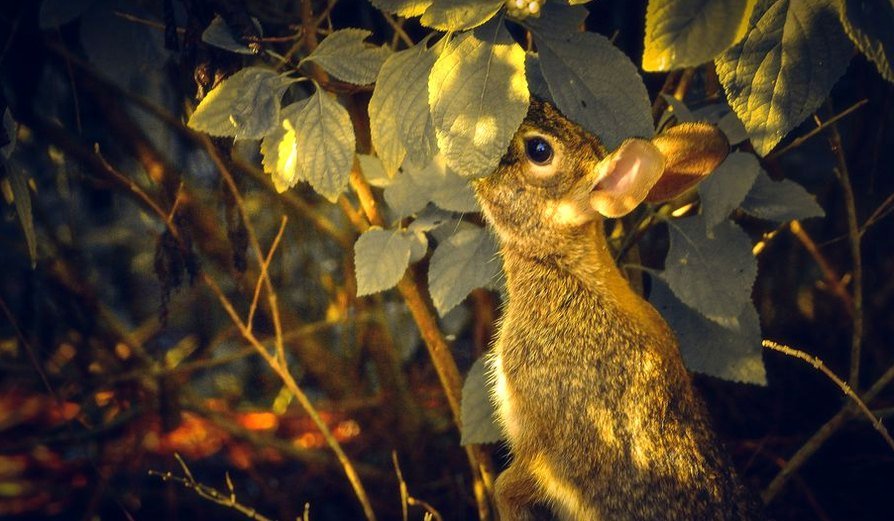
The story follows a young rabbit who runs away from his protective mother, mistakes a forest echo for a real speaker, and nearly trusts a fox. For children, the tale explains why listening to experienced adults matters when a situation feels unfamiliar or exciting.
It also offers a clear lesson about risk. The rabbit believes that freedom means leaving home without advice, but he does not recognize danger when it appears. His mother understands the forest, notices the fox immediately, and acts before the predator can attack.
What happens in the story
An old gray mother rabbit raises one son and carefully warns him about predators. The little rabbit dislikes her constant supervision. He insists that he is grown up, refuses to listen, and runs deep into the forest.
Alone in a clearing, the rabbit shouts happily. The surrounding trees return fragments of his voice, but he does not understand the echo. He believes another creature is answering him and becomes angry when the unseen speaker seems rude.
A fox hears the noise and approaches. She quickly realizes that the rabbit is talking to an echo, then pretends to be harmless. The fox says that she eats berries and plants, although she is waiting for a chance to catch him.
The mother rabbit reaches the clearing in time. She jumps onto the fox's head, covers the predator's eyes, and orders her son to run. Once safe, the young rabbit understands that his mother's warnings were based on knowledge, not a wish to spoil his freedom.
Why the echo matters
The echo creates the rabbit's first mistake. He hears a repeated sound but has no experience that would help him identify it. Children can recognize the same pattern in everyday life: an unfamiliar event may seem friendly, funny, or harmless until an adult explains what is happening.
The scene also shows how anger can increase danger. The rabbit shouts louder because he feels insulted, and the noise attracts the fox. His impulsive behavior therefore creates the exact problem he believes he can handle alone.
Parents can pause after the echo appears and ask what the rabbit should do. A useful answer is to stop shouting, look around, and return home or call for a trusted adult. This keeps the discussion practical rather than frightening.
How to read the tale with children
Read the story slowly when the rabbit leaves home. Ask whether being older automatically means knowing every danger. Children usually notice that the rabbit has confidence, but not enough experience.
- Ask who the rabbit believes is speaking and what clues prove him wrong.
- Compare the mother's words with the fox's false explanation.
- Discuss why the rabbit should not follow an unfamiliar animal.
- Invite the child to describe a safe action after becoming lost.
The full disobedient little rabbit and the forest echo fairy tale for kids works well as a short bedtime reading because the plot stays focused and the lesson appears through action.
Legal and practical clarity for adults
This is a children's literary story, not a commercial shipment or a product transaction. Reading it at home does not require customs clearance documents, invoices, accounting entries, or tax calculations. Those requirements belong to trade, imports, paid services, or business content distribution, none of which appears in the tale itself.
For a website or classroom handout, adults should identify the text clearly as a fairy tale and avoid presenting invented commercial claims alongside it. If a publisher, school, or business plans paid reproduction, translation, or adaptation, it should verify the applicable copyright position and keep permission records where required. No ownership or licensing claim is supplied by the story details alone.
Questions parents often ask
What is the main lesson?
The rabbit learns that rejecting experienced guidance can expose him to danger. Independence should grow together with judgment and awareness.
Why does the rabbit misunderstand the echo?
He has never encountered an echo before. His lack of experience makes a natural sound seem like another animal's reply.
Is the fox completely truthful?
No. She claims to eat berries and plants, but she is a predator looking for breakfast. Her words hide her real intention.
What should children discuss after reading?
They can talk about listening to trusted adults, avoiding unfamiliar animals, staying near safe places, and asking for help when confused.