Choosing the benefits of sleep short story for kids
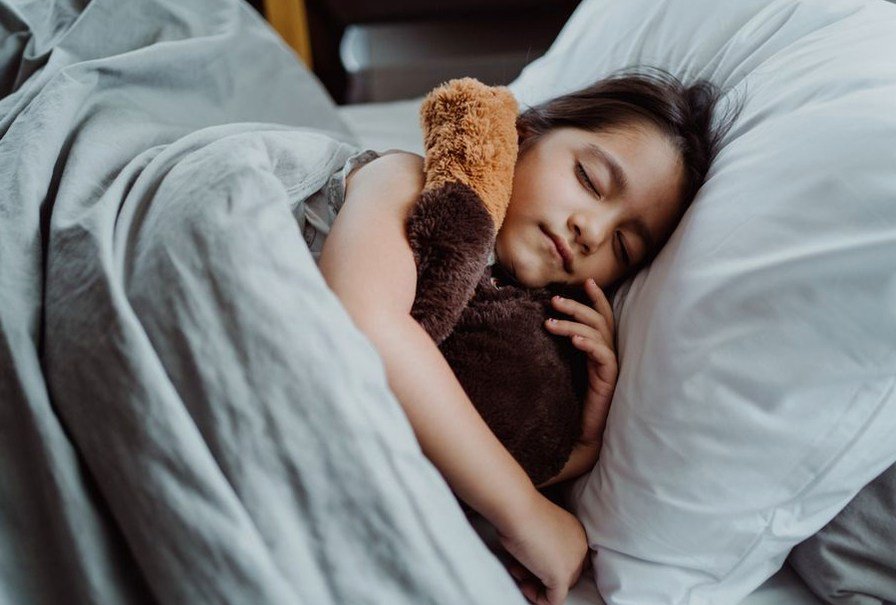
The best version of the benefits of sleep short story for kids should match the child’s age, reading ability, and reason for using it. Before paying for a printed or digital edition, check the text, format, access terms, permitted use, and refund conditions. The story works well when a child needs a concrete example of how late nights affect school, memory, mood, and physical energy.
What the story teaches clearly
Zhenya is a first-grade pupil who believes she can stay awake as late as adults. She wants to continue playing games, watching cartoons, drawing, and reading her favourite magazine. Her mother explains that sleep helps a growing body recover and prepares it for the next day.
The lesson becomes easier for children to understand because the story connects bedtime with events they recognise. Zhenya struggles to wake up, feels tired while getting dressed, and has little strength before a school sports competition. Her poor sleep affects more than comfort. She cannot perform properly during the decisive relay race and collapses from exhaustion.
That sequence gives parents and teachers useful discussion points. A child can identify the late bedtime, the difficult morning, the loss of energy, and the effect on classmates. The message also covers learning: insufficient sleep may make it harder to remember useful information and keep up with schoolwork.
Buyer criteria before payment
Check the reading level first. The story contains dialogue, a school setting, sports activities, and a clear cause-and-effect sequence. A child in the early primary years may follow it independently, while a younger listener may need an adult to explain words such as «exhaustion» or «relay race».
Review whether the edition contains the complete plot. A shortened version may remove the competition, the medical examination, or Zhenya’s admission that her mother was right. Those scenes carry the practical lesson, so a very brief adaptation may be less useful for bedtime discussion.
- Choose a readable layout if the child is practising independent reading. Large type and short paragraphs reduce fatigue and help the child follow the dialogue.
- Check the file type and device requirements before paying for a digital copy. A format that cannot open on the family’s device creates an avoidable purchase problem.
- Confirm whether the purchase gives permanent access or only temporary viewing. This matters if a teacher plans to return to the story before sports days or school discussions.
- Look for permission covering the intended use. Reading at home differs from displaying the story to a class or sharing copies with several families.
Contract clauses to check
When a seller provides formal terms, read the section describing the product itself. It should identify whether payment covers a digital file, a printed copy, online access, or another format. The description should also state whether illustrations, audio, or supplementary exercises form part of the purchase.
Check the access clause for download limits, account requirements, and replacement procedures. If a file becomes unavailable, the terms should explain whether the buyer receives a new link or another form of access. Avoid paying before these conditions are clear.
Review the cancellation and refund wording. The buyer should know whether a refund remains possible after opening a digital file, and what happens if the delivered version differs from its description. Keep the receipt and the product description together in case the transaction needs to be challenged.
For a school or library, inspect the usage clause carefully. A single-user licence may cover one family but not classroom projection, printing, or distribution to pupils. If the terms are silent, ask the seller for written clarification before payment rather than assuming that educational use is included.
Real-world purchase scenarios
A parent choosing a bedtime story
A parent wants a short reading session that explains why the child should stop playing and prepare for bed. The complete version is preferable because Zhenya’s tired morning and failed relay show consequences without turning the lesson into a lecture. After reading, the parent can ask what changed between the evening and the competition.
A teacher preparing a class discussion
A teacher may use the story before a sports day or a lesson about healthy routines. The purchase terms should cover classroom display and repeated reading. If they do not, the teacher should request permission in writing or choose a version with clearly stated educational use.
A child reading independently
For an early reader, the buyer should prioritise legible text and a stable format. A complicated platform may distract from the story, while a clean edition keeps attention on Zhenya’s choices and the effects of sleep loss. The child can then retell the events in order and explain why the team’s final race became difficult.
Questions buyers often ask
What age is this story suitable for?
It suits children in the early primary years, especially those familiar with school, homework, cartoons, and sports activities. Younger children may benefit from an adult reading it aloud.
What is the main benefit of the story?
It links sleep with energy, memory, school performance, and physical activity through one child’s experience. The concrete events make the message easier to discuss.
Should I buy a shortened edition?
Only if it keeps the scenes showing Zhenya’s late bedtime, tired morning, failed relay, and changed attitude. Removing those parts weakens the cause-and-effect lesson.
What should a school check before payment?
Confirm the format, access period, refund terms, and permission for classroom display, printing, and repeated group reading. Obtain unclear permissions in writing.