Recess Reimagined: Social Skills Gains With ABA Therapy
Recess is more than a break from academics—it’s a daily laboratory for friendship, problem-solving, and self-regulation. For many autistic children, however, playgrounds can feel unpredictable and overwhelming. Recess reimagined through Applied Behavior Analysis (ABA) therapy reframes this time as a structured opportunity for growth, helping children practice communication, cooperation, and confidence in real-world settings. By aligning evidence-based strategies with natural play, families and educators are seeing meaningful social skills gains that carry from the blacktop to the classroom and beyond.

Reimagining recess begins by defining clear, achievable goals based on a child’s current strengths and developmental milestones. In ABA therapy, goals might include initiating a game, taking turns, asking for help, or joining a group already in play. Therapists collaborate with parents and school teams to map these goals onto everyday routines so progress is consistent and visible. Rather than focusing solely on rule-following, ABA emphasizes functional social skills—what a child needs to participate, connect, and enjoy.
Consider Noah, a second grader who preferred pacing alone during recess. An ABA therapist introduced a simple peer game—“Red Light, Green Light”—to teach group joining and direction-following. At first, Noah practiced alongside his therapist, who provided prompts and visual cues (“Join,” “Wait,” “Go”). Over several weeks, the prompts faded. Noah learned to spot the start of a game, line up, and respond to changes without adult direction. His teacher reported better transition skills after recess, and his parent shared that weekend park visits began to include other children. These autism therapy results show how targeted skills practice can unlock broader behavioral improvements.
Another success story features Maya, who had emerging language and often avoided eye contact. ABA sessions focused on communication skill growth through play scripts that felt natural: “Can I have a turn?” “Want to play?” and “Let’s trade.” Her therapist modeled and reinforced these phrases during sandbox play and swings. By pairing words with gestures and visuals, Maya’s initiation and response rates increased. A month later, her family testimonial highlighted a milestone—Maya invited her cousin to play tag at a birthday party and waited for the reply. It was a small sentence with big meaning.
For many families, the playground is where progress feels tangible. Parent experiences with ABA often mention the first time their child shares, negotiates a rule change, or recovers from a disappointment without melting down. These moments matter because social competence is built from micro-skills practiced repeatedly: waiting, noticing social cues, adapting to surprises, and using language to solve problems. Recess becomes a structured training ground where these skills are reinforced in a natural environment, increasing the likelihood of generalization.
Reimagined recess also requires thoughtful support from schools. ABA therapists can coordinate with educators and aides to set up inclusive games, define peer buddy roles, and use environmental supports like visual schedules and activity zones. For example:
Zoning the playground into “quiet play,” “team games,” and “creative stations” offers predictability. Rotating cooperative games (parachute play, relay stations) encourages turn-taking and collaboration. Posting visual rules and simple scripts helps children remember what to do when emotions run high.
Real-life ABA examples show that structured choices—“play catch or build blocks?”—boost engagement and reduce conflicts. Children who struggle with open-ended play often thrive when presented with two or three clear options, each with a beginning, middle, and end. This improves independence while still allowing spontaneity.
Measuring autism progress outcomes at recess goes beyond tallying behaviors. ABA teams look at fluency (how smoothly a child joins a group), latency (how quickly they respond to a social cue), and maintenance (whether the skill persists over time). They also track peer responses because social skills are reciprocal. If classmates increasingly invite a child to play, it’s a strong signal of meaningful social integration. Parents frequently report spillover effects: better sibling play at home, fewer conflicts during birthday parties, and more willingness to try new activities. Behavioral improvement in autism is most powerful when it translates to everyday life.
It’s important to acknowledge that not every child thrives in the same way at the same pace. Sensory preferences, motor skills, and personal interests all shape how a child experiences recess. ABA therapy honors this by individualizing interventions. One child might benefit from leadership roles (“line leader,” “scorekeeper”), another from parallel play that gradually becomes interactive, and another from social narratives that preview what will happen and what to do if plans change. The goal isn’t to script every moment but to create consistent, supported opportunities for spontaneous social success.
A middle school case illustrates this balance. Jordan, who enjoyed strategy games but avoided physical play, felt isolated during recess. His therapist introduced a collaborative challenge station with Lego builds and simple engineering tasks that required communication and shared planning. Over time, Jordan practiced dividing roles, asking questions, and compromising on designs. When classmates started inviting him to join pickup basketball by asking him to keep score, he eventually tried shooting hoops after the game. Here, social skills ABA therapy met Jordan’s interests first, then broadened them.
Family collaboration amplifies gains. Parents who observe or participate in ABA-guided play learn to prompt and reinforce at home: praising specific behaviors (“I like how you waited for your turn”), practicing scripts before social events, and using brief debriefs after play (“What went well? What could we try next time?”). These routines promote consistency, a critical driver of autism therapy results. One parent shared that practicing a “join game” script every evening transformed their child’s morning recess, turning solitary wandering into regular participation in four-square.
For schools and communities looking to reimagine recess:
Train staff in basic ABA strategies: prompting hierarchies, reinforcement, and errorless learning during games. Organize peer mentor programs that teach inclusive play and empathy. Offer sensory-friendly zones and quiet corners for self-regulation. Rotate structured games that emphasize cooperation over competition. Celebrate small wins publicly, normalizing diverse pathways to participation.
Ultimately, recess reimagined is about creating a https://privatebin.net/?3689bef8914f2936#9CBGK2Cu8PvptyQRjo6noWsPvauPTZ2GxMVvCwVxoKeZ bridge between skill-building and joy. ABA therapy provides the blueprint—define goals, teach in natural contexts, reinforce success, fade supports—while children supply the curiosity and courage to try, fail, and try again. When families, therapists, and schools work together, playgrounds transform from stressful spaces into stages where confidence, communication, and connection take the lead.

Questions and Answers
- How does ABA therapy specifically improve social skills during recess?
ABA breaks down complex social interactions into teachable steps (joining, turn-taking, requesting, negotiating). Therapists use modeling, prompting, and reinforcement during natural play, then fade supports so skills become independent and generalize to peers.
- What are signs that my child is making progress?
Look for quicker joining of games, increased use of social language (“Can I play?”), longer engagement before frustration, smoother turn-taking, and more frequent invitations from peers. Improvements at home—better sibling play and easier transitions—are also strong indicators.
- How can parents support recess gains outside of school?
Practice short scripted interactions at home, role-play common playground scenarios, praise specific behaviors, and use brief debriefs after playdates. Coordinate with your ABA team for individualized strategies and visuals.
- What if my child finds recess overwhelming?
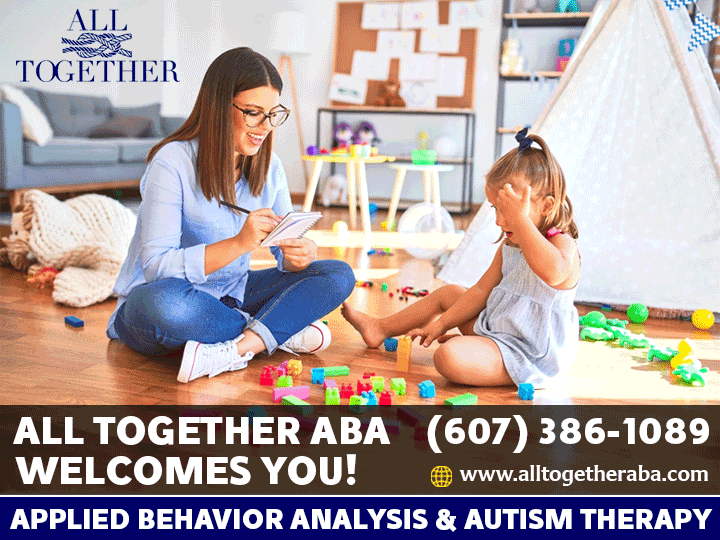
Work with the team to add structure: give limited choices, use visual schedules, create quieter play zones, and introduce cooperative games with clear roles. Start small, reinforce success, and gradually expand complexity as confidence grows.
- Are these improvements sustainable as children get older?
Yes, when skills are taught across settings, reinforced by peers and adults, and aligned with the child’s interests. Regular data review and goal updates help maintain gains and adapt strategies as social demands evolve.