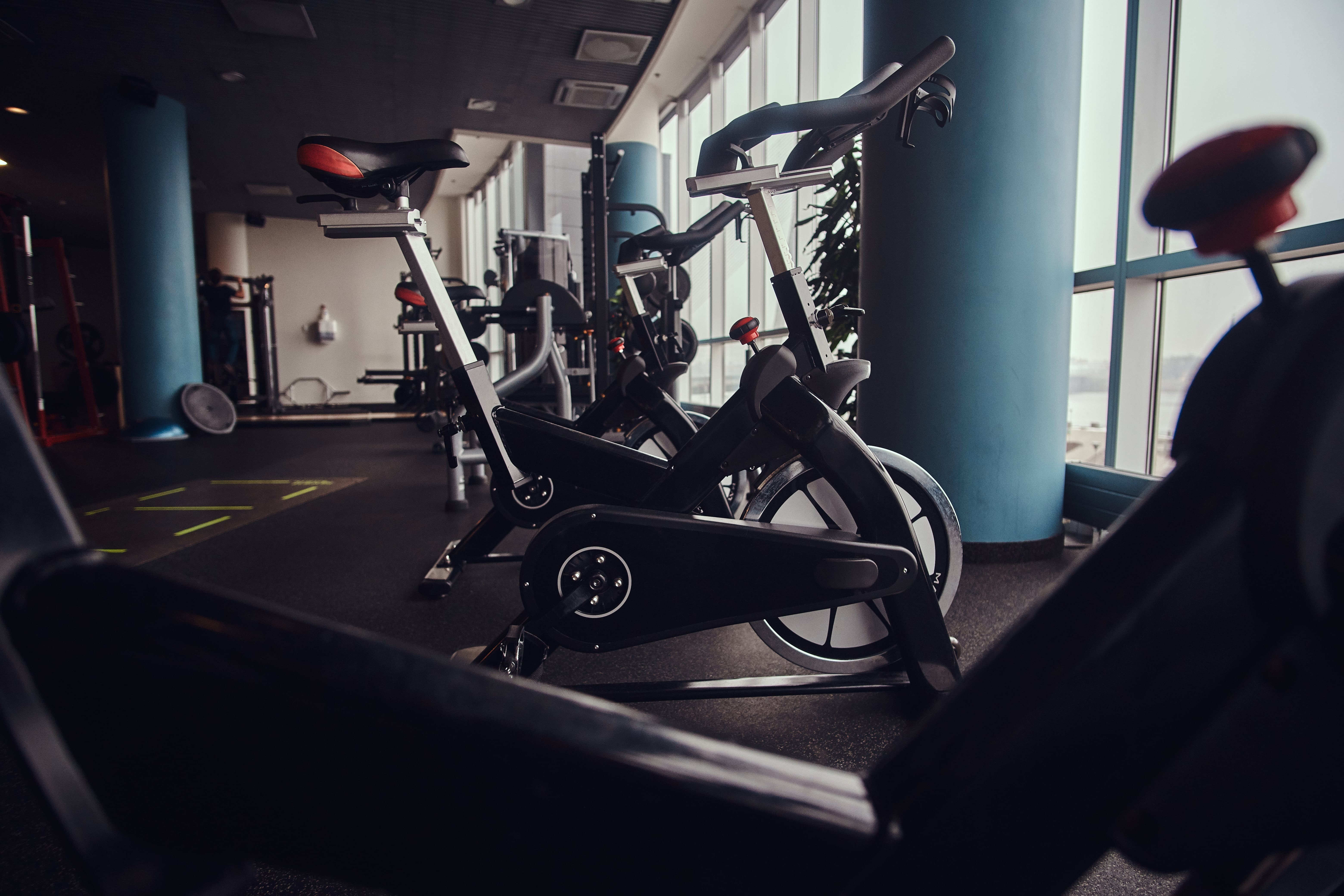
10 Inspirational Graphics About Indoor Cycling Trainer
Indoor Cycling Trainer: A Comprehensive Guide to Fitness in the house
In the fast-paced world of fitness, the indoor cycling trainer has become a versatile and reliable tool for cyclists and fitness lovers alike. Whether you're an experienced rider or a beginner seeking to enhance your cardiovascular health, an indoor cycling trainer can provide a convenient and effective way to accomplish your fitness goals. This guide explores the benefits, types, and considerations of using an indoor cycling trainer, along with some often asked questions to assist you make a notified choice.
What is an Indoor Cycling Trainer?
An indoor cycling trainer, likewise understood as a stationary bike or turbo trainer, is a gadget developed to hold your bicycle in place while allowing you to pedal in a stationary position. This setup simulates the experience of riding outdoors, making it an excellent choice for those who wish to preserve their fitness routine regardless of climate condition or time restrictions.
Benefits of Using an Indoor Cycling Trainer
-
Convenience and Flexibility
- Anytime, Anywhere: With an indoor cycling trainer, you can ride whenever it's practical for you, whether it's early in the morning, late at night, or throughout your lunch break.
- Weather-Proof: No requirement to fret about rain, snow, or severe heat. Your training can continue undisturbed.
-
Customizable Workouts
- Variety of Rides: Many fitness instructors come with software application that offers a broad range of exercises, from interval training to endurance rides, guaranteeing you never get bored.
- Adjustable Resistance: Most trainers allow you to change the resistance, simulating different terrains and strengths to challenge your muscles and cardiovascular system.
-
Improved Performance
- Information Tracking: Advanced trainers frequently include sensors and apps that track your efficiency metrics, such as speed, cadence, power output, and heart rate, assisting you monitor your development and set objectives.
- Skill Development: Indoor training can help you improve your technique, improve your pedal stroke, and construct strength and endurance.
-
Low Impact
- Joint-Friendly: Cycling is a low-impact activity, making it ideal for people with joint problems or those recovering from injuries.
- Reduced Risk of Injury: The controlled environment of an indoor trainer lowers the threat of mishaps that can happen on the road.
Kinds Of Indoor Cycling Trainers
-
Direct Drive Trainers
- Description: These fitness instructors connect straight to the bike's rear dropouts, eliminating the need for a cassette on the rear wheel.
- Pros: Provide a more realistic feel, quieter operation, and better power accuracy.
- Cons: Generally more pricey and need a suitable cassette.
-
Roller Trainers
- Description: These trainers use rollers that the bike's wheels sit on, needing you to balance while pedaling.
- Pros: Offer a more vibrant and challenging trip, improving balance and handling skills.
- Cons: Can be loud and may not be suitable for beginners.
-
Wind Trainers
- Description: These trainers use a fan to produce resistance, with the speed of the fan correlating to the speed of your pedaling.
- Pros: Inexpensive and basic to utilize.
- Cons: Noisy and less practical resistance compared to other types.
-
Magnetic Trainers
- Description: These fitness instructors use magnetic resistance, which can be changed to replicate various surfaces.
- Pros: Quiet and smooth operation, with a vast array of resistance settings.
- Cons: Less realistic feel compared to direct drive fitness instructors.
-
Smart Trainers
- Description: These trainers connect to your mobile phone or tablet via Bluetooth or ANT+, allowing you to use apps like Zwift, TrainerRoad, and others for immersive and interactive workouts.
- Pros: Highly customizable, with real-time data and virtual environments.
- Cons: More expensive and may need a subscription to access all features.
Considerations When Choosing an Indoor Cycling Trainer
-
Budget
- Figure out how much you want to invest. Rates can range from under ₤ 100 for fundamental models to over ₤ 1,000 for high-end wise fitness instructors.
-
Area
- Think about the area you have offered. Some trainers can be rather large, so ensure you have sufficient room to set up and use the trainer comfortably.
-
Noise Level
- If you reside in a home or have sensitive next-door neighbors, select a trainer with a low noise level, such as a magnetic or direct drive trainer.
-
Compatibility
- Ensure the trainer is compatible with your bike. Some fitness instructors may not work with particular frame types or wheel sizes.
-
Features
- Choose which features are essential to you, such as information tracking, adjustable resistance, and connectivity to fitness apps.
FAQs
Q: Can I utilize any bike with an indoor cycling trainer?
- A: Most trainers work with basic road and mtb. However, some fitness instructors might not work with certain frame types or wheel sizes, so it's crucial to examine the compatibility before buying.
Q: How much space do I require for an indoor cycling trainer?
- A: The area required can differ depending on the trainer. As a basic guideline, you must have at least 6 feet of length and 3 feet of width to set up and use the trainer easily. In Buy Exercise Bikes Online , guarantee you have adequate clearance around the trainer to avoid running into walls or furnishings.
Q: Are indoor cycling fitness instructors loud?
- A: The sound level can vary substantially between different types of fitness instructors. Wind fitness instructors are generally the noisiest, while magnetic and direct drive trainers are much quieter. If sound is a concern, think about using a trainer with a low noise level or investing in noise-reducing mats.
Q: Can I use an indoor cycling trainer for strength training?
- A: Yes, numerous indoor cycling fitness instructors offer adjustable resistance settings, enabling you to perform strength training exercises. By increasing the resistance, you can target particular muscle groups and build strength and endurance.
Q: How often should I clean and keep my indoor cycling trainer?
- A: Regular maintenance is important to keep your trainer in excellent working condition. Clean the trainer after each use to remove sweat and dirt, and lube the moving parts as required. Describe the producer's standards for specific upkeep suggestions.
An indoor cycling trainer is an important tool for anybody aiming to enhance their fitness, whether you're a severe cyclist or a casual rider. With a vast array of options available, you can find a trainer that fits your spending plan, area, and fitness goals. By considering the advantages, types, and factors to consider described in this guide, you can make an informed decision and enjoy the numerous advantages of indoor cycling.
Whether you're training for a race, aiming to remain active throughout the winter season, or just wish to enhance your total health, an indoor cycling trainer can assist you achieve your fitness goals in a practical and efficient way.