Gum Disease Treatment for Frequent Gum Infections
Frequent gum infections are rarely a minor nuisance. They are usually a sign that the tissues supporting the teeth are under repeated stress, often from plaque bacteria, tartar buildup, dry mouth, grinding, smoking, uncontrolled blood sugar, or restorations that trap debris. Many people notice the cycle before they know the name for it. Their gums swell, bleed when they brush, taste strange for a few days, settle down, then flare again. The pattern feels manageable until one morning a tooth feels tender to bite on, the breath odor lingers no matter what they do, or a dental cleaning suddenly becomes painful.
That recurring pattern matters because gum infections tend to become easier to trigger and harder to control over time. Inflamed gum tissue loses its resilience. The pockets around the teeth can deepen. Harmful bacteria gain a more protected space below the gumline, where a toothbrush cannot reach. A patient may think, “My gums are just sensitive,” when the real issue is an infection that has moved beyond simple surface irritation.
Effective Gum Disease Treatment starts with a clear distinction between occasional gum irritation and ongoing periodontal disease. The treatment for one is not automatically enough for the other. If the infections keep returning, the solution usually involves more than switching toothpaste or rinsing with mouthwash for a week.
Why recurrent gum infections deserve a closer look
Healthy gums do not repeatedly become infected without a reason. In practice, frequent infections usually point to one of three situations. The first is persistent plaque and tartar retention, often around crowded teeth, old fillings, bridges, or areas that are difficult to floss. The second is a host factor that lowers the gums’ ability to recover, such as smoking, diabetes, chronic dry mouth, certain medications, or immune changes. The third is established periodontal disease, where the infection has moved deeper into the tissues and bone around the teeth.
Patients often expect dramatic pain if they have a serious gum problem, but that is not always how it presents. Some of the most advanced cases I have seen involved very little pain. The complaint was more subtle: bleeding during brushing, gum boils that came and went, food packing between certain teeth, or a bad taste that returned every few weeks. Those quieter signs can be easy to ignore, especially for people who are busy and otherwise feel fine.
There is also a common misunderstanding that a “deep cleaning” fixes everything in one visit. It can be an excellent treatment when used appropriately, but it is not a magic reset. If the cause of the infections remains in place, the inflammation often returns. Good care depends on matching the treatment to the depth of the problem and then maintaining the result.
What is usually happening below the gumline
A frequent gum infection is not simply food stuck near a tooth. The process usually begins with bacterial plaque, the soft film that forms constantly on teeth. If it is not removed thoroughly, it matures and irritates the gums. Over time, minerals in saliva harden that film into tartar. Once tartar forms below the gumline, it becomes an ideal surface for more bacteria to cling to. The gums stay inflamed, and the attachment between tooth and tissue weakens.
When the space between the tooth and gum deepens, a periodontal pocket forms. Pockets are important because they change the environment. Less oxygen reaches the area, and certain destructive bacteria thrive there. The body responds with inflammation, which is meant to fight the infection but also contributes to tissue breakdown. In more advanced disease, the bone supporting the teeth starts to recede. That is the point where teeth may loosen, shift, or develop persistent soreness.
This progression is one reason recurrent gum infections deserve professional evaluation rather than repeated short-term home remedies. Saltwater rinses can soothe. Antiseptic mouthwashes can temporarily reduce the bacterial load. Neither removes hardened deposits under the gums, and neither measures whether the supporting bone has been affected.
The signs that suggest you need more than routine cleaning
Some symptoms strongly suggest that frequent infections are tied to periodontal disease rather than temporary irritation.
Bleeding gums that persist for more than a week or return regularly Swelling, tenderness, or a pimple-like bump on the gum near a tooth Bad breath or bad taste that keeps coming back Gums that seem to be pulling away from the teeth, making teeth look longer Teeth that feel loose, shift position, or hurt when chewing
A person can have one or several of these signs and still assume the issue is minor. https://penzu.com/p/85e3e51680cd9e14 That is understandable. Gum problems often wax and wane, which creates false reassurance. The swelling drops, the discomfort eases, and it feels safe to postpone care. Then the bacteria repopulate the pocket, and the same area flares again.
How a dentist or periodontist figures out the cause
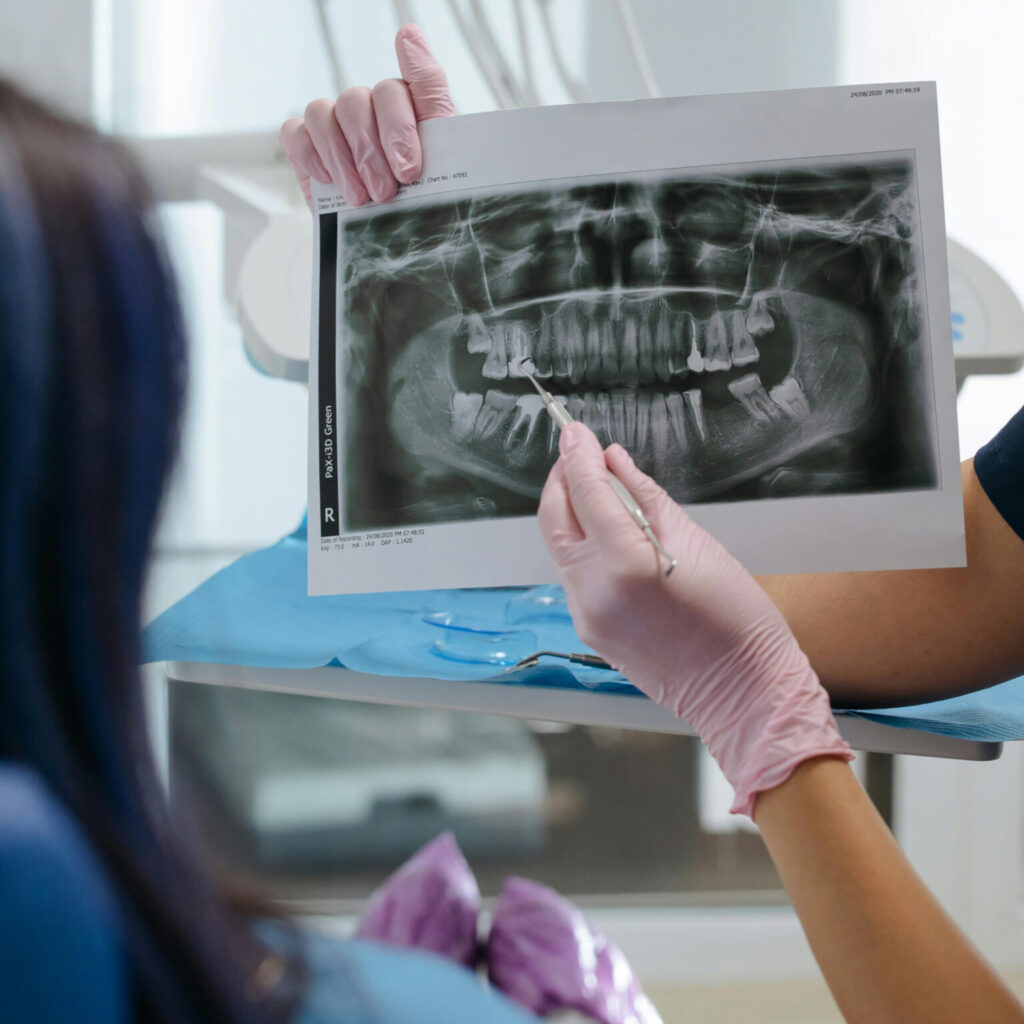
The most useful part of the appointment is usually not the polishing or the rinse at the end. It is the detective work. A proper gum evaluation measures the depth of the spaces around each tooth, checks for bleeding points, looks for gum recession, and assesses whether any teeth have mobility. Dental X-rays help show the shape and height of the supporting bone. These details matter because two patients can both say, “My gums keep getting infected,” while having very different treatment needs.
One patient may have generalized gingivitis caused by irregular plaque removal and a lot of tartar buildup. Another may have a localized periodontal abscess around a molar with a deep pocket. A third may have a failing crown margin trapping bacteria next to otherwise healthy gums. The surface symptoms overlap, but the treatment plan changes depending on the underlying problem.
Clinicians also ask about tobacco use, diabetes history, medications that cause dry mouth, pregnancy, autoimmune conditions, and habits such as clenching or grinding. Those factors can intensify inflammation or impair healing. In my experience, patients are often surprised by how much blood sugar control and smoking affect the gums. Both can quietly undermine treatment results. A patient may be brushing carefully and still struggle with repeat infections because the tissues are healing in a more hostile environment.
The first line of Gum Disease Treatment
For recurrent infections linked to plaque and tartar, the first phase of Gum Disease Treatment usually focuses on mechanical removal of the bacterial deposits. That may be a routine prophylaxis if the disease is limited to the gum surface, or scaling and root planing if the infection has created deeper pockets. The difference matters.
A routine cleaning is designed to remove plaque and tartar from above the gumline and slightly below it in healthy or mildly inflamed mouths. Scaling and root planing goes deeper. It targets deposits below the gums and smooths the root surfaces so the tissue can heal and reattach more effectively. When patients call this a “deep cleaning,” they are usually referring to scaling and root planing.
This treatment can be done in sections of the mouth, often with local anesthetic for comfort. Afterward, the gums may feel tender for a few days, and some sensitivity to cold is common, especially where inflamed tissue shrinks back and exposes more root surface. That temporary sensitivity can be discouraging, but it often improves as the tissues stabilize.
It helps to be realistic about what this phase can and cannot do. It can dramatically reduce bacterial load and inflammation. It can stop repeated flare-ups in many cases. It cannot regenerate all tissue that has already been lost. If bone support has receded significantly, the goal may shift toward disease control and tooth preservation rather than complete reversal.
When antibiotics are useful, and when they are not
Patients often expect antibiotics whenever infection is mentioned. Sometimes they are appropriate, but they are not the mainstay for most chronic gum disease. If tartar and bacterial biofilm remain under the gums, antibiotics alone rarely solve the problem for long. The medication may reduce symptoms temporarily, but the bacteria often rebound once the course ends.
Antibiotics tend to be reserved for more specific situations, such as an acute periodontal abscess, certain aggressive forms of periodontal disease, or cases where mechanical cleaning is paired with targeted antimicrobial therapy. Some clinicians use local antibiotic agents placed directly into deep pockets after cleaning. In selected cases, this can help reduce pocket depth. It is not necessary for every patient, and the benefit depends on the pocket pattern, bacterial profile, and overall disease severity.
This is one of those areas where judgment matters. Overusing antibiotics creates side effects and resistance concerns without fixing the root problem. Underusing them in the wrong case can prolong an active infection. The best plan comes from examining the gums, not guessing from symptoms alone.
What happens if deep pockets remain
After the initial treatment, the gums are rechecked. This reevaluation phase is critical. Many pockets improve nicely once tartar is removed and home care improves. Others remain too deep to keep clean, especially around molars, furcations where roots divide, or areas of longstanding bone loss.
When those deeper sites persist, surgical periodontal treatment may be recommended. That can sound alarming, but in practical terms the goal is access and stability. Periodontal flap procedures allow the clinician to gently reflect the gum tissue, remove deep deposits thoroughly, and reshape irregular areas if needed. In some cases, regenerative materials are used in an attempt to rebuild support in carefully selected defects. Results vary, and not every defect is a candidate for regeneration.
There are trade-offs. Surgery can improve access and reduce pocket depth, but it may also lead to more root exposure and sensitivity. That is still a worthwhile trade in many advanced cases because a shallower, cleaner, more stable pocket is usually better than a hidden infected one. The choice depends on the tooth’s prognosis, the patient’s health, cost considerations, and long-term maintainability.
Why some people keep getting infections after treatment
The discouraging truth is that Gum Disease Treatment can be technically excellent and still fail if the maintenance phase breaks down. Periodontal disease behaves more like a chronic condition than a one-time event. Once a patient has shown a tendency to form deep pockets and heavy bacterial buildup, the risk of relapse stays higher than average.
I have seen several repeat patterns. One is inconsistent home care in back teeth, especially behind lower front teeth and around upper molars. Another is delayed maintenance visits. A patient who should be seen every three or four months stretches it to nine, then returns with new inflammation. A third is smoking, which masks bleeding while quietly worsening tissue damage. Patients sometimes think their gums are improving because they bleed less, when in fact nicotine has reduced visible signs of inflammation while disease progression continues beneath the surface.
Another overlooked factor is dental anatomy. Deep grooves on roots, tightly packed lower front teeth, or old crown margins can make bacterial control much more difficult. In these cases, the patient may be trying hard and still struggling. That does not mean the treatment failed. It means the maintenance plan may need to be more tailored, sometimes with different cleaning aids, restoration replacement, or periodontal surgery to create a healthier contour.
The home-care habits that make treatment hold
Professional care removes what you cannot reach. Daily care prevents rapid recolonization. The most successful patients are not necessarily the ones who brush the hardest. They are the ones who clean consistently, gently, and thoroughly enough to disrupt plaque every day.
Brush twice daily with a soft toothbrush or electric brush, angling bristles toward the gumline Clean between teeth once a day with floss, interdental brushes, or water flossing when appropriate Use any prescribed antimicrobial rinse exactly as directed, not indefinitely without guidance Keep maintenance cleanings and periodontal recalls on schedule, often every three to four months Address contributing issues such as smoking, dry mouth, and uncontrolled blood sugar
Technique matters more than force. Aggressive scrubbing can wear the gum margin and root surface without actually cleaning the areas where plaque accumulates most. Patients with bridges, implants, or wider spaces often do better with interdental brushes than floss alone. People with arthritis or limited dexterity usually benefit from powered brushes because they reduce the technique burden. There is no prize for using the most complicated routine. The best routine is the one a patient can perform correctly, every day.
The role of mouthwash, saltwater, and over-the-counter products
Many people try to self-manage recurrent infections with whatever is available at the pharmacy. Some products help, but it is important to understand their limits. Antiseptic rinses can reduce odor and lower bacterial counts temporarily. Desensitizing toothpastes can help after root planing if roots feel more exposed. Xylitol gum may support saliva flow in dry-mouth patients. Warm saltwater rinses are soothing after a flare-up or procedure.
What these products do not do is remove tartar or close deep infected pockets. A mouthwash cannot replace cleaning between teeth. A whitening rinse certainly cannot treat periodontal disease. If a patient is having the same infection every month, adding another over-the-counter product usually delays the real solution.
There is also a trap in using very strong rinses too frequently without supervision. Some can irritate tissues, alter taste, stain teeth, or create a false sense of security. The better question is not “What rinse is strongest?” but “Why are these infections recurring in the first place?”
Special situations that change the treatment plan
Not all frequent gum infections fit the classic periodontal pattern. Wisdom teeth can create recurring inflamed gum flaps that trap debris around partially erupted molars. This is common in young adults and often resolves only when the anatomy issue is corrected, sometimes by extraction. Food impaction between two teeth can mimic gum disease in one small area, especially if a contact has opened or a filling has changed the contour. A cracked tooth can also present with gum tenderness or a localized abscess. In those cases, the gum issue is secondary to the tooth problem.
Pregnancy can make existing gum inflammation look and feel worse because hormone changes increase the gums’ inflammatory response. That does not mean the disease is harmless or should simply be tolerated. It means professional cleaning and careful daily plaque control become even more important. Diabetes deserves similar respect. When blood sugar runs high, infection control becomes harder, healing slows, and periodontal breakdown can accelerate. The relationship works both ways, too. Active periodontal inflammation can make blood sugar management more difficult in some patients.
Older adults with dry mouth face another challenge. Saliva helps buffer acids and modulate oral bacteria. When medications reduce saliva flow, plaque can become stickier, tissues drier, and healing less predictable. These patients often need a more customized maintenance plan and extra attention to hydration, saliva substitutes, and frequent monitoring.
What results to expect, realistically
A good treatment plan should lead to less bleeding, reduced swelling, fresher breath, and fewer painful flare-ups. Pocket depths may shrink as inflammation resolves. Chewing often becomes more comfortable. In successful cases, patients describe a mouth that feels calmer. They stop tasting infection every few weeks. Their gums no longer look shiny and puffy. Brushing becomes less dramatic because the sink is not full of blood.
Still, chronic periodontal disease is managed, not erased from history. If bone loss has already occurred, the goal is to prevent more loss and keep the teeth functioning comfortably for as long as possible. Some patients maintain compromised teeth for decades with excellent periodontal care. Others eventually need extraction and replacement because the support is too far gone or the infection keeps returning in a way that threatens neighboring teeth.
That decision is sometimes emotionally difficult. People understandably want to save every tooth. Often that is possible. Sometimes preserving a badly compromised tooth consumes time and money while delivering a poor long-term outlook. An honest discussion about prognosis is part of good care, not a sign of defeat.
When to seek urgent care
Most gum disease progresses slowly, but certain symptoms deserve prompt attention. Rapid facial swelling, fever, severe pain, trouble swallowing, or difficulty opening the mouth normally can indicate a spreading infection. Those are not watch-and-wait situations. A periodontal abscess can worsen quickly, especially in medically vulnerable patients.
Localized swelling near one tooth that suddenly appears, drains, or causes throbbing should also be assessed soon. The source may be periodontal, endodontic, or a combination of both. The sooner the cause is identified, the more conservative the treatment usually is.
The long view
Frequent gum infections are a warning, not an inconvenience to brush past. They tell you that the balance between bacteria and the supporting tissues has broken down. Once that happens repeatedly, generic advice is rarely enough. The right Gum Disease Treatment depends on whether the problem is superficial inflammation, established periodontitis, a localized abscess, an anatomical trap, or a medical factor that is tipping the scales against healing.
The encouraging part is that gum infections often respond very well when the cause is identified early and treated thoroughly. I have seen patients who thought they were headed for multiple extractions regain comfort and stability after proper periodontal therapy and disciplined maintenance. I have also seen mild recurring inflammation turn into advanced disease because it was dismissed for years as “just sensitive gums.”
If the same areas keep swelling, bleeding, or developing that unpleasant taste, it is time to get beyond temporary fixes. Careful diagnosis, targeted cleaning below the gumline when needed, a realistic maintenance schedule, and daily plaque control at home can break the cycle. For most people, that is what finally turns recurrent infection into a manageable condition instead of a recurring crisis.
Dental Group Of Beverly Hills
Address: 8641 Wilshire Blvd #125, Beverly Hills, CA 90211
Phone number: +13109296335
FAQ About Gum Disease Treatment
How to improve gum health quickly?
To improve gum health quickly, eliminate plaque buildup by brushing for two full minutes twice a day at a 45-degree angle to the gumline. Floss daily to clean under the gumline, and rinse with an antimicrobial, alcohol-free mouthwash. For immediate relief of soreness, use a warm saltwater rinse.
What is the fastest way to cure gum disease?
To quickly cure early-stage gum disease (gingivitis), eliminate the plaque buildup causing the inflammation. Brush gently but thoroughly for two minutes twice daily, floss daily, and use an antibacterial mouthwash or a warm saltwater rinse. However, if tartar has hardened, professional treatment is necessary.
How do I treat my gum disease at home?
You can treat early gum disease at home by practicing strict daily oral hygiene, rinsing with salt water or antibacterial mouthwash, and quitting smoking. True gum disease (especially advanced forms like periodontitis) cannot be fully cured at home once tartar forms, and you must see a dentist for professional cleanings.