Upper Lip Filler vs Lower Lip Filler: Balancing Proportions for Harmony
Faces read like music. When the lips are balanced, the whole composition feels right, even if the changes are subtle. When one lip dominates or a border looks fuzzy, the tune drifts. The conversation about upper lip filler versus lower lip filler is really about proportion, structure, and movement. It is not only how much volume goes into each lip, but where, at what depth, and with which product. Good outcomes rarely depend on a single technique. They come from a plan, a practiced hand, and an honest conversation about anatomy and taste.
The 1:1.6 rule and why it is a starting point, not a commandment
Textbooks often reference a guideline for lip proportions: the lower lip typically appears about one and a half times the height of the upper lip. Think of it as a soft ratio, roughly 1:1.3 to 1:1.6 depending on ethnicity, age, dentition, and personality of the face. It sets a baseline for harmony, but it does not fit every mouth.
Some faces look beautiful with equal lip heights, especially delicate, heart-shaped faces. Others need a fuller lower lip to balance a stronger chin or broader jawline. Teeth position matters too. A patient with slightly recessed upper incisors might tolerate a little more upper lip projection. A person with a naturally prominent lower lip often looks best with careful upper lip filler to match the forward position rather than chasing extra volume below.
The lesson is simple. Proportion guides, individual context decides. Good lip enhancement is not blind adherence to a ratio, it is a measured response to what the face is already doing well.
Upper lip filler: frame, definition, and motion
The upper lip is expressive and complex. When we treat it, we consider shape before size. The vermillion border sets the frame. The Cupid’s bow draws the eye. The philtral columns carry light, and those shadows define youth.
Upper lip filler works well in three ways. First, as lip border enhancement, giving the vermillion edge a crisp, hydrated look that reads cleaner on camera and in conversation. Second, as subtle lip filler within the body of the lip to improve curvature and evenness across the midline. Third, as support for structure, particularly when the philtrum has flattened with age.
Anecdotally, the most common misstep is over-projecting the central upper lip while leaving the lateral third too flat. This produces a beak-like profile and can hide the natural upturn at the corners. When I correct these cases, I often dissolve a portion of the central plug with hyaluronidase, then place small micro-droplet lip injections along the lateral third to lengthen and soften the curve. The end result is not bigger lips, it is better lips.
Upper lip filler also intersects with motion. People who speak with heavy upper lip animation or who purse frequently tend to push filler forward if it is placed too superficially. Using a firmer HA lip filler in a deeper plane, in tiny aliquots, tames migration and maintains definition. The trade-off, of course, is that firmer gels can feel less plush in the first weeks. This is where patient preference guides the choice.
Lower lip filler: the anchor that sets the mood
If the upper lip paints the details, the lower lip sets the mood. A beautiful lower lip usually has gentle central fullness that tapers toward the corners. The wet-dry border catches a natural highlight. The lower lip also anchors the smile; if it is too thin, the face can look tense, even when rested.
Lower lip filler often accepts more volume without looking done, partly because it is larger to start with and partly because its motion is less tightly connected to speech. That said, the lower lip is prone to heaviness if product is deposited in a single plane or in a straight line across the center. A better approach uses lip contouring with layered micro-columns or micro-droplets to create soft hills and valleys. The eye reads shape more than size, so 0.5 ml placed strategically can outperform 1 ml spread evenly.
One pitfall I see in revisions is a flattened lower lip that sticks out past the upper lip on profile. This happens when the injector chases vertical height without balancing forward projection. If the patient has a retruded chin or a deep labiomental crease, we may need a touch of perioral filler or even chin support to put the lower lip in the right relationship with the rest of the lower face. Lips do not live in isolation.
Harmony between the two: where proportion meets structure
Balancing upper lip filler and lower lip filler is a synchronized act. I like to map the lip in three views: frontal, oblique, and true profile. Frontal shows symmetry and definition. Oblique reveals the Cupid’s bow and lateral roll. Profile tells the truth about projection.
The plan often emerges as a set of small priorities. If the upper lip lacks a clean Orlando, FL lip filler border and the lower lip lacks body, I will start with vermillion border filler on top, then build lower lip volume in the central two thirds. If the lower lip dominates, I might place subtle lip filler in the upper lip tubercles to raise the central peaks, followed by light touch-ups at the lateral fan to widen the smile line without overfilling.
Ratios matter less than balance across these dimensions:
Vertical height: upper to lower lip height should feel harmonious, not equal by force. Projection: upper should not sit far behind or far ahead of the lower on profile. Edge definition: borders should be crisp enough to reflect light, but never sharp or shelf-like. Corner support: treat downturns sparingly to avoid a “pulled” or heavy look.
Technique shapes the outcome more than volume
Product choice and technique decide whether lip augmentation looks natural or inflated. HA lip filler remains the mainstay because it is reversible, hydrating, and forgiving. Within HA, gels vary in firmness, cohesivity, and stretch. A soft, flexible gel suits lip hydration filler and subtle lip enhancement. A slightly firmer gel can lift shape in the Cupid’s bow filler or support the vermillion border. Highly cohesive gels, used sparingly, help in structure-heavy cases or in advanced lip filler technique such as Russian lip shaping.
Depth and pattern matter. Needle work allows precise lip border lines and small boluses at the tubercles. Cannula offers a smoother track for hydrating lip injections and can reduce bruising in the body of the lip. I often mix both in one session. A feathering approach with micro-droplet lip filler can polish texture and treat vertical lip lines filler needs without adding bulky volume.
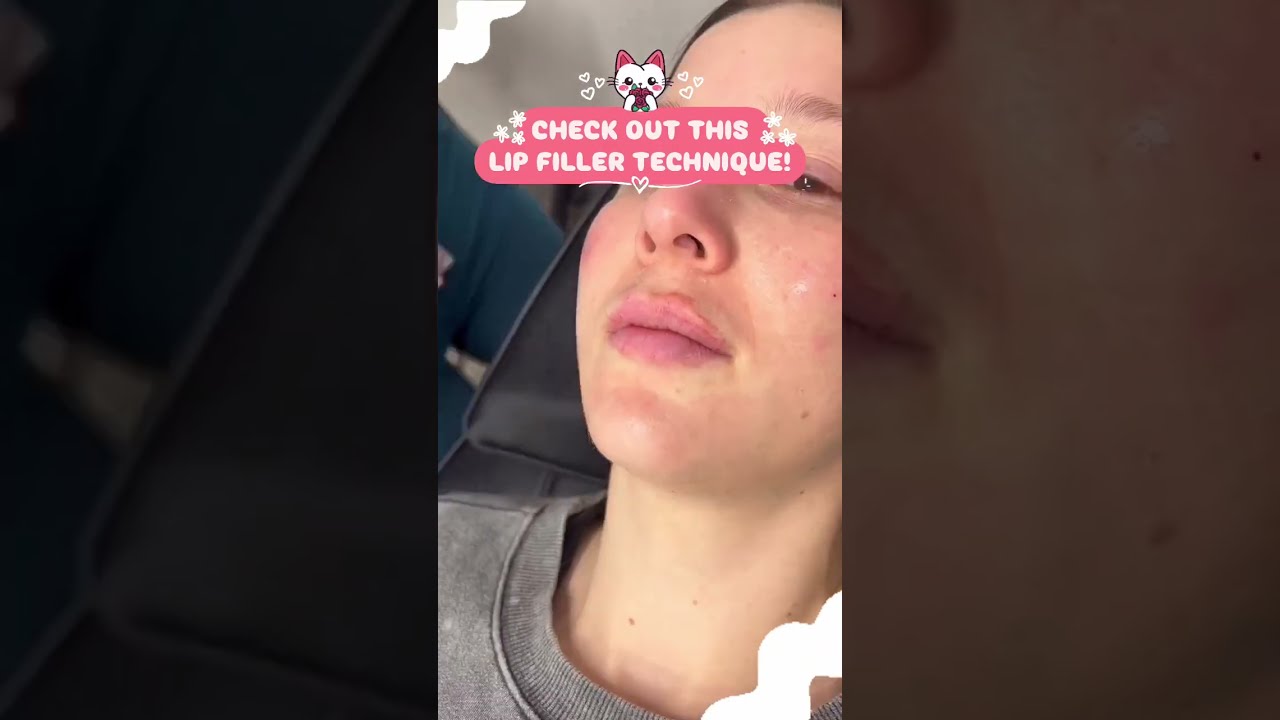
The Russian lip technique, when done thoughtfully, elevates height and sharpens the Cupid’s bow while keeping projection controlled. It is not a fit for everyone. People with thin, tight lips or very animated smiles can look forced. Korean lip filler styles emphasize a plush, hydrated look with even distribution across the red, a gentle alternative for lips that collapse when they smile. The key is matching style to anatomy, not chasing trends.
Mapping, not guessing: planning lip filler with intention
Every strong result starts with a map. I mark asymmetries, dominant tubercles, and old filler pockets if present. I review how the lips move, not just how they rest. Patients who constantly lick or bite the lower lip need placement that resists migration; smokers may need support for smoker lines filler above the lip, or a staged approach to perioral filler to support the cutaneous lip before touching the red.
Mapping clarifies where not to inject. If a patient has previous lip augmentation filler sitting superficially, any new product can ride up and create bumps. Lip filler dissolving Orlando FL lip enhancement with hyaluronidase clears the canvas. It is a hard sell for first-timers who just want volume now, but dissolving often leads to better lip volume enhancement later and fewer corrections.
Volume choices: what does 0.5 ml versus 1 ml really do?
Numbers help set expectations. With modern HA lip fillers, 0.5 ml can sharpen definition, restore hydration, and make a noticeable yet refined change. One full syringe, 1 ml, supports both contour and volume, particularly if we are addressing both upper and lower lips in one session. Two syringes might be appropriate in staged treatments, older lips with ring-like vertical lines, or in full lip enhancement across several months. On first-time lip filler, I prefer to start with less. Touch-ups at 2 to 6 weeks tend to look better than aggressive single sessions.
Patients sometimes ask for needle-free lip filler. Most devices marketed as such rely on pressure to push product through the skin. In my experience, they are less precise and carry their own risks. I do not recommend them for lip enhancement procedure goals that demand accuracy, like vermillion border filler or Cupid’s bow shaping.
Upper lip flip vs lip filler: when a flip works, when it does not
A lip flip, using botulinum toxin to relax the orbicularis oris, can unfurl the upper lip edge and show a bit more red. It is a helpful lip flip alternative to a full syringe in those who fear volume or who simply need a touch more show. The effect lasts 6 to 10 weeks on average. It does not add structure or correct asymmetry. For lips that vanish when smiling, a conservative flip can complement subtle lip filler. For lips that already turn out or that need definition treatment along the border, filler does the heavy lifting.
Special cases: thin lips, uneven lips, mature lips
Thin lips demand restraint. Going from very thin to very full in one sitting stretches tissue and looks artificial. I plan a series of lip filler sessions two to three months apart. First, we restore definition at the border and Cupid’s bow. Second, we add body with micro-columns. Third, we refine with lip smoothing injections and address any surrounding vertical lip lines. The result reads as natural-looking lip filler rather than a sudden change.
Uneven lips need a diagnostic eye. Sometimes the issue is dental. If one lateral incisor sits further back, the overlying lip will cave inward. Filler can camouflage it, but only up to a point. In other cases, scar tissue or previous lip injectables cause the discrepancy. Dissolving, then rebuilding, solves more problems than adding product on top.
Mature lips benefit from a perimeter-first approach. Restoring the white roll and pillow around the mouth with perioral filler improves the stage where the red sits. Too much red lip filler in aging tissue can look swollen rather than youthful. Balanced lip filler focuses on structure and hydration, with less emphasis on height. Patients often smile when the lipstick stops feathering, proof that good framing works.
Comfort, bruising, and downtime that feel realistic
Painless lip filler is an optimistic phrase. It should be comfortable, not numb to the level of a dental block unless necessary. Good clinics use topical anesthetic, slow technique, and HA products mixed with lidocaine. Expect a tight, warm sensation during the lip augmentation injections. Most swelling peaks at 24 to 72 hours. Bruising varies. Small pinpoint bruises are common, larger bruises occur in perhaps a quarter of cases, and usually settle within a week.
I ask patients to avoid strenuous exercise for 24 hours, alcohol the night before and after, and supplements that increase bruising risk in the days leading up to the appointment. Ice in short intervals, head elevation, and gentle arnica can help. If you see blanching, severe pain, or a net-like discoloration during or after treatment, that is an urgent call to your practitioner to assess blood flow. It is rare, but vascular events require prompt attention and hyaluronidase.
Product lifespan and maintenance plans
Temporary lip filler in the HA family usually lasts 6 to 12 months in the lips, sometimes shorter in very animated mouths. Long-lasting lip filler claims often confuse marketing with reality. Lips move constantly, so product turns over faster than in the cheeks. A realistic schedule is a touch-up every 6 to 9 months for those who want stable results. Patients who prefer the softest look can let the result fade and return annually. Repeated light top-ups maintain result quality and reduce the need for large re-treatments.
If taste changes or migration develops, dissolvable lip filler is a safety net. Lip filler removal with hyaluronidase works within hours, although residual swelling can hide the final contour for a few days. Good records of product brand and placement make dissolving more targeted and efficient.
Cost and value: what you are paying for
Lip filler cost depends on the product brand, the injector’s experience, and your goals. The syringe price is only part of the story. You are paying for mapping, judgment, and technique. A thoughtful plan that uses 0.7 ml with precise lip filler sculpting can outshine a cheaper session that dumps 1 ml across the board. Ask about the approach, not just the price per ml. The best lip filler type is the one matched to your tissues and tastes, not the trend of the month.
What a first appointment looks like when done well
A strong lip filler consultation is relaxed and frank. We review medical history, previous treatments, and your taste in shape. We examine at rest and in motion, front and profile. We discuss lip filler options, including natural lip filler strategies, subtle enhancements, and whether styles like Russian lip augmentation or Korean lip filler aesthetics suit your anatomy. If vertical lines or perioral laxity dominate, we address those first or plan a staged treatment.
Photographs anchor the plan and make lip filler before and after comparisons honest. I outline expected swelling, the chance of bruising, and how long healing will take. We choose the HA filler family together, and I explain why. A light numbing period follows. During injections, I speak through each step, place small amounts, and check symmetry under different lights. At the end, you get aftercare instructions and a touch-up window. No mystery, no rush.
Corrections, revisions, and when to say no
Lip filler correction is common. Migration above the upper lip border, especially near the philtrum, often needs lip filler dissolving before repair. Overfilled pillow-like lower lips may need staged reduction to restore the natural hills and valleys. Uneven color or blanching lines can signal superficial placement. These cases teach patience; dissolving and rebuilding across two or three visits respects the tissues and avoids scarring.
Sometimes the right answer is no. If a patient brings in a photo that fights their anatomy, or requests volume that would distort their smile function, I explain the trade-offs clearly and decline if needed. Lip filler artistry involves taste, but also restraint.
Two focused checklists for clarity
What makes an upper lip look natural after treatment?
Defined but not sharp vermillion border with light-catching edge Subtle Cupid’s bow peaks aligned with philtral columns Lateral thirds with gentle roll, not flat or collapsed Projection balanced to the lower lip in profile Smooth transition to skin without ridges or shelf
What makes a lower lip look natural after treatment?
Central fullness that fades toward the corners Even hydration with no “sausage” line across the midline Height and projection that do not overpower the upper lip A soft wet-dry border highlight without lumps Corners supported enough to avoid droop, but never heavy
Practical scenarios from the chair
A 24-year-old with thin, straight lips and strong teeth show when smiling wants volume. We start with 0.6 to 0.8 ml, split 40 percent upper, 60 percent lower. I prioritize lip border enhancement on the upper, then shape the lower central body with tiny columns. At two weeks, we top up 0.2 ml if needed. The look reads as lip rejuvenation without the telltale puff.
A 38-year-old runner with chapped lips and faint vertical lip lines asks for hydration. I choose a soft, stretchy HA lip filler. Most goes into the red in micro-droplets, with a light trace along the vermillion border and two tiny support points in the philtral columns. We skip height and focus on texture. She texts three weeks later that her lipstick sits better, a practical win.
A 52-year-old with previous filler shows migration above the upper lip and a heavy lower lip. First session, we use lip filler hyaluronidase to dissolve the obvious migration and a part of the lower lip bulk. Two weeks later, we rebuild the upper lip frame with small, firm gel placements along the border and Cupid’s bow, then add only 0.2 ml to the lower central third. The net effect is smaller but much more youthful, proof that less can be more.
Safety first: what makes filler safe
Safe lip filler depends on sterile technique, anatomical knowledge, and readiness to manage complications. Avoiding vessels is not guesswork; it is respect for landmarks and depth. Aspiration can help, but slow, low-pressure injections and a constant eye on tissue color and patient discomfort are more reliable safety cues. A good clinic keeps hyaluronidase on hand, understands vascular rescue protocols, and maintains follow-up communication. Needle choice, cannula use where appropriate, and careful mapping all reduce risk. You should feel informed and looked after, not hurried.
Lasting results come from balance, not bravado
The right balance between upper lip filler and lower lip filler is felt more than noticed. Friends will not point to your mouth, they will say you look rested, or your smile looks pretty. That is the mark of natural-looking lip filler. The path to that outcome runs through proportion, structure, movement, and product choice, in that order. When the lips support the rest of the face and the rest of the face supports the lips, harmony happens.
For anyone considering lip enhancement, start with a conversation about shape, not size. Bring reference photos of smiles that look like yours, not just lips you admire. Ask your injector how they plan to balance upper and lower lip height, projection, and border definition. Discuss staged lip filler maintenance rather than a single large session. Keep an open mind about dissolvable lip filler if you are carrying old product that distorts shape. If you invest in the plan, the lips will look like they belong to you, only better.
📍 Location: Orlando, FL
📞 Phone: +16892839717
🌐 Follow us: