The Executive Briefcase: Engineering for the Gate-Check Reality
In my seven years working across fashion merchandising and editorial styling, I have learned one immutable truth: the most expensive-looking briefcase is often the one that tells the least about where it was purchased. While the Copenhagen Fashion Summit continues to push the industry toward circularity and longevity, the average corporate wardrobe remains littered with "fast-fashion" leather goods that end up in landfills before the three-year mark.
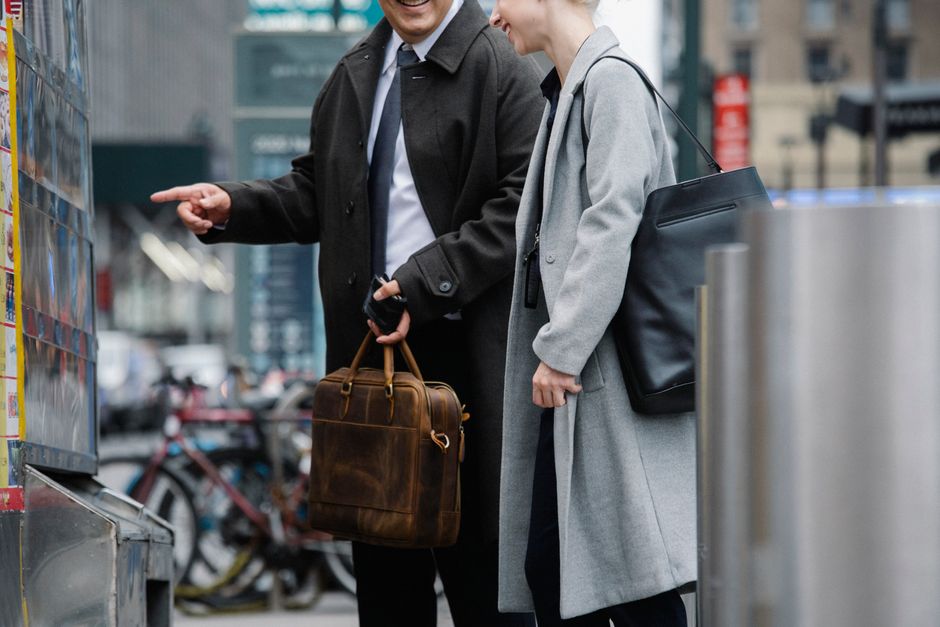
If you are an executive who travels—specifically those of us hitting 40 to 60 airport segments a year—your briefcase is not just an accessory. It is a piece of mission-critical equipment. When you are forced to gate-check your bag because the overhead bins are full, you aren’t just trusting it to a flight attendant; you are trusting it to a conveyor belt, a cramped hold, and a chaotic unloading process. If your bag isn’t built to handle that, you’re losing money, time, and professionalism.
The False Economy of the Under-£200 Briefcase
I hear it all the time in the studio: "I don't need to spend four figures on a bag." But the math simply doesn't hold up. In my professional experience, briefs priced under £200 often fail within 18 months. This isn't just a hunch; it’s a failure of materials and construction.
When you strip away the branding costs on a cheap bag, you are left with "genuine leather"—a vague industry term that usually denotes the lowest quality split-hide, often bonded with polyurethane. These bags lose their shape, the hardware snaps, and the stitching unravels at the stress points. In the world of high-stakes consulting or finance, arriving at a client site with a bag that is slumping or fraying is a signal of poor judgment. You are effectively paying £200 every year and a half, whereas a properly constructed piece is a decade-long investment.
Quiet Luxury: The Anti-Logo Manifesto
One of my greatest professional frustrations is the proliferation of branded zipper pulls and visible logos. If I see a logo larger than a postage stamp, I immediately assume the product's value lies in its marketing budget rather than its craftsmanship.
True quiet luxury is about proportion and professional restraint. It is about the subtle sheen of high-quality vegetable-tanned leather and the silence of a well-oiled hinge. When you walk into a boardroom, your briefcase should complement your presence, not compete with it. We prioritize clean lines and monochromatic hardware, ensuring that the silhouette is defined by the quality of the hide, not the name embossed on the front.
The Anatomy of a Resilient Briefcase
When I evaluate a briefcase, I start with two non-negotiables: the zipper brand and the structural integrity. If I cannot find a YKK stamp on the zipper, or if the zipper pull is covered in cheap, branded metal, I put it back. YKK is the industry standard for a reason; their mechanical tolerances are superior, which means the teeth won't misalign when you overstuff your Click for info bag for a cross-country flight.
The A4 Paper Test
I carry an A4 sheet of paper with me to every trade show and boutique. It’s my litmus test for structure retention. I place the empty bag on a table and insert the A4 sheet vertically inside. If the bag slumps, sags, or tips over when empty, it fails. A briefcase must hold its own shape; if it can’t support itself, it certainly won’t support your laptop and documents during the rigors of travel abuse resistance.

Understanding Hardware Durability
Brass hardware is the gold standard, but it must be solid brass, not plated steel that peels after six months of humidity changes. I look for thick-gauge metal that feels substantial in the hand. The attachment points—the D-rings where the shoulder strap connects—are where most bags fail. If the stitching here isn't reinforced with a secondary layer of leather, it will tear under the weight of a laptop and a power bank.
The Leather Choice: Why We Avoid "Genuine"
Stop buying items labeled "genuine leather." In the trade, "genuine" is the bottom of the barrel. Look for full-grain, vegetable-tanned leather. Vegetable tanning is a slower, more artisanal process that uses organic tannins. It allows the leather to develop a patina over time—a history of your travels etched into the surface. Brands like Von Baer have become favorites in my circles because they eschew the "genuine" marketing trap in favor of high-quality, full-grain https://highstylife.com/how-do-i-compare-briefcases-without-getting-lost-in-brand-hype/ hides that actually gain character with wear rather than simply degrading.
Comparison of Briefcase Standards
Feature Budget Briefcase (<£200) Executive Briefcase (Investment) Leather Quality "Genuine" or bonded Full-grain, veg-tanned Zipper Hardware Generic, prone to snagging YKK Excella or heavy-duty brass Structure Retention Slumps/Collapses Retains shape when empty Branding Visible logos, branded pulls Logo-free, quiet luxury Longevity 12–18 months 10+ years
Travel Abuse Resistance: The Gate-Check Factor
If you are gate-checking your bag, you are subjecting it to the "toss and stack" method of baggage handling. Here is what you need to look for to ensure your bag survives:
Reinforced Bottom Panels: Look for metal feet or an extra layer of leather on the base. This prevents the primary hide from scraping against dirty terminal floors. Tucked-In Hardware: Avoid external pockets with delicate zippers that can snag on conveyor belts. A clean, streamlined exterior is less likely to get caught on moving parts. Stitching Density: I prefer a saddle stitch or high-density machine stitching. If you see a long, loose stitch length, that is an invitation for the bag to unravel under pressure.
Final Thoughts: The Investment in Your Legacy
When you reach a level where you are traveling 50+ times a year, you realize that your gear is an extension of your professional identity. I have spent years fixing wardrobe malfunctions for executives who thought they could get away with a subpar briefcase. The reality is that the details—the zipper brand, the leather grain, the way the bag holds its shape when you place it on the boardroom table—are the things that convey competence before you’ve even opened your mouth to speak.
Do not settle for replace-only warranties that dodge repairs. Buy a bag from a brand that believes in their product enough to offer repair services. Choose full-grain, choose quiet design, and stop letting cheap hardware be the reason you look under-prepared. Your briefcase is the silent partner in your success; ensure it’s built to hold up in the real world, not just in the carefully curated photos of an e-commerce site.