What Did That 2019 CBD Sleep Study Actually Find? A Reality Check for the Garage Area
I still remember standing in the garage at Charlotte Motor Speedway, roughly 45 minutes post-race, watching a driver climb out of the cockpit. He looked like he’d been pulled through a knothole backwards. A fan in the stands shouted, "Easy payday for just sitting there, right?" The pit crew chief next to me just laughed, a bitter, exhausted sound. If you’re reading this, you know the truth: driving a race car isn't "sitting." It’s an endurance event disguised as a commute.
For those of us managing the physical toll—the 140-degree cockpit temperatures, the 4G neck-loading in the high banks, and the relentless, sleep-depriving travel schedule of a 36-race season—recovery is the holy grail. That’s why, when the CBD anxiety study 2019 surfaced, it was pinned to every trainer’s bulletin board in the NASCAR garage. But looking at it through the lens of a former strength coach? We need to separate the marketing hype from the actual clinical data published in The Permanente Journal.
The 2019 Permanente Journal Study: Separating Fact from Hype
Let’s get the science straight before we talk shop. The study in question, "Cannabidiol in Anxiety and Sleep: A Large Case Series," is frequently cited by influencers trying to push products as a "miracle cure." Here is the reality check: it was a retrospective case series, not a double-blind, placebo-controlled gold standard study. They looked at 72 adult patients, where 47 complained of anxiety and 25 complained of poor sleep.
The key takeaways:
Anxiety: 79.2% of patients reported a decrease in anxiety scores within the first month. Sleep: 66.7% reported sleep improvements in the first month. Consistency: The improvements were generally maintained, but—and this is a big "but"—the study design was observational.
From a sports science perspective, this isn't a "proven treatment" for high-performance recovery. It’s an indicator that we need more robust research. When I see someone telling a driver that a dropper of CBD will fix their post-race recovery, I ask for the study, and then I ask for the COA (Certificate of Analysis). If they can’t provide a current, third-party lab result, they aren't getting anywhere near my driver’s bloodstream.
The Physics of the Grind: Why Motorsports Recovery is Different
If you think a NASCAR driver just "sits there," you’ve never experienced a 4-hour race where your heart rate stays pegged between 140 and 170 beats per minute. You’re dealing with:
Thermal Stress: Even with cooling suits, cockpit temps in NASCAR can exceed 130°F. Dehydration is the enemy of recovery. Cardiovascular Strain: The physical load mimics a high-intensity interval training session that lasts for three-plus hours. G-Force Fatigue: In IndyCar and F1, the lateral G-forces put an insane, constant strain on the trapezius and sternocleidomastoid muscles. Your neck is essentially holding up a bowling ball that weighs 50 pounds during a high-speed corner.
When you add travel fatigue—the 15-to-45-minute sprint from Look at more info the hauler to the private air strip, the flight, the rental car, the hotel room—the circadian rhythm is essentially shredded. This is why the promise of sleep aid isn't just "wellness fluff"; it’s a performance requirement. But we have to be clinical about it.

Understanding the "Why" Behind Third-Party Lab Testing
In the garage, if a component on the Click here for info car fails, there’s an investigation. If an engine blows, we look at the telemetry. We don't guess. Why would we treat our biology any differently?
If you are looking for products, you must insist on third-party lab testing. A COA isn't a suggestion; it’s a safety requirement. It confirms that what is on the label is actually in the bottle, and, more importantly, that it isn't contaminated with heavy metals, pesticides, or—the big one for drivers—THC.
I’ve seen brands like Joy Organics maintain high standards by providing detailed batch testing. That level of transparency is what I look for. If a company hides their labs behind "proprietary" nonsense, they are hiding a lack of quality control.
Regulatory Compliance: The WADA Factor
I cannot stress this enough: The World Anti-Doping Agency (WADA) is the final authority in global motorsport. Even if a substance is legal in the state where you bought it, a positive test for THC is a career-ending move.
The "full-spectrum" CBD craze is dangerous for athletes. Many full-spectrum products contain trace amounts of THC. Even at low levels, if you take them daily across a 36-race season, those trace amounts can accumulate. I only recommend "Broad Spectrum" or "Isolate" products that have explicit, third-party verified labels stating "THC-Free" or "0.0% THC." If you aren't checking the COA against the WADA prohibited list, you’re playing Russian roulette with a career.
Data Table: The Reality of "Miracle Cure" Claims
As a coach, I've seen the industry trend toward "hand-wavy" detox talk and pseudo-science. Here is how I frame the reality for my guys:
Claim Type Coach's Perspective Action Plan "CBD is a sleep cure-all" Overblown. It's a potential tool, not a miracle. Track sleep hygiene + biomarkers first. "The 2019 study proves it works" The study was a case series, not a clinical trial. Interpret with caution; prioritize sleep volume. "Detox your system with [Product]" "Detox" is marketing nonsense. Hydration + rest is the only real detox. "It’s natural, so it’s safe" Cyanide is natural too. Audit COAs for heavy metals and purity.
Final Thoughts: The "Coach" Perspective
After 11 years in the garage, I've learned that drivers are the most resilient athletes in the world. They deal with high-G impacts that would sideline an average human for weeks. They recover from massive physical taxation only to climb back into a car 7 days later.
When you look at the CBD anxiety study 2019 findings, don't look for a "get out of jail free" card for your sleep issues. Look for a potential supplemental aid, provided you’ve nailed the basics: hydration, protein intake, and consistent sleep scheduling.
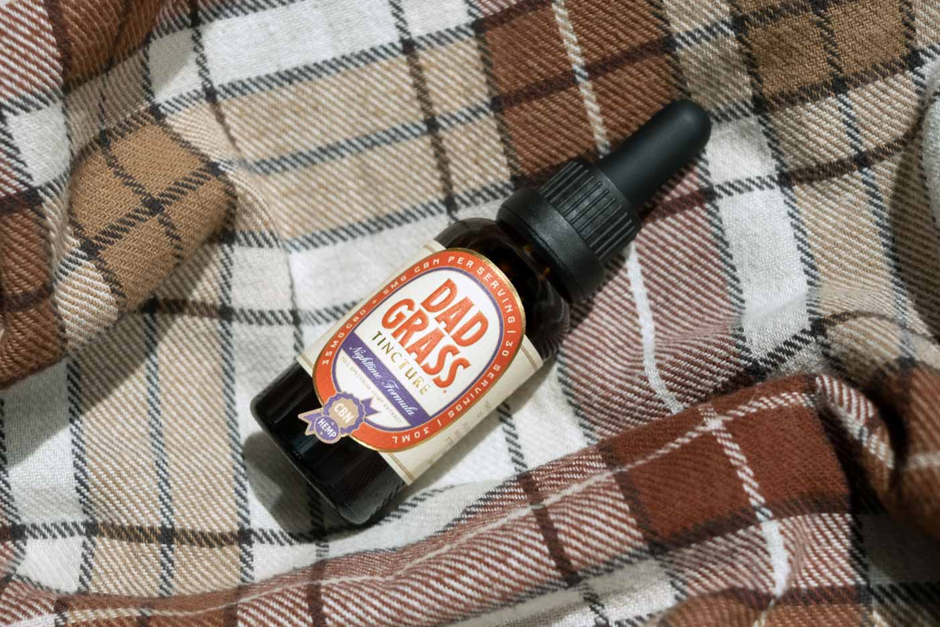
If you're going to use these products, do it like you’re prepping a car for qualifying. Check the COA. Verify the third-party lab testing. Ensure compliance with WADA. If you can’t verify it, don’t use it. Because in this sport, the only thing that matters is performance on the track, and you can’t perform if you’re guessing about the chemicals in your system.
Disclaimer: This blog post is for informational purposes and does not constitute medical advice. Always consult with your team doctor and a medical professional before introducing any supplement into your regimen.