Eye Wrinkle Treatment: Botox vs. Laser vs. Peels
I see three types of complaints around the eyes almost every clinic day. Someone in their early thirties points to little fan lines when they smile and asks for a subtle tweak before a wedding. A fifty‑something patient wants the etched-in creases that persist even at rest softened before photos with grandkids. Then there is the person who says, my skin just looks crêpey and tired under the eyes, makeup settles into it, and nothing seems to help. These are different problems, and they respond to different tools. The right choice between Botox, laser resurfacing, and chemical peels depends on the biology of your wrinkles, your skin type, your downtime budget, and, frankly, your tolerance for risk.
This guide walks through how each option works, which issues it solves best, the run of play in a real appointment, and what results to expect. I will also flag edge cases that change the plan, like darker skin tones prone to post‑inflammatory hyperpigmentation or eyes that already feel dry. If you leave with one idea, let it be this: dynamic lines are a muscle pattern and respond to neuromodulators. Texture and etched creases are a skin quality pattern and respond to controlled injury and collagen remodeling. The most natural results often come from a smart combination.
What you are treating when you treat "eye wrinkles"
Crow's feet form at the outer corners of the eyes from the orbicularis oculi muscle cinching the lids every time you smile or squint. In your twenties and thirties, these are dynamic lines that show up only with expression. Over time, repeated folding and sun exposure thin collagen and elastin so the creases are present at rest. Under the eye, the skin is the thinnest on the face, with scant subcutaneous fat. This area shows crêpiness from collagen loss, fine cross‑hatching from photodamage, and small stacked lines near the tear trough. Some people also carry chronic swelling or festoons, which are not wrinkles at all and behave poorly with most resurfacing.
It helps to categorize issues before choosing a tool. Dynamic expression lines respond to temporarily relaxing the muscle with botulinum toxin type A, commonly called Botox when we are talking about on‑label and off‑label cosmetic injections. Static etched lines and crêpiness respond better to treatments that resurface or rebuild the skin: lasers, chemical peels, microneedling, or radiofrequency. Pigmentary changes, like sun spots around the temples, sit in their own lane. You can treat more than one category, but not always on the same day.
How Botox works around the eyes, and when it shines
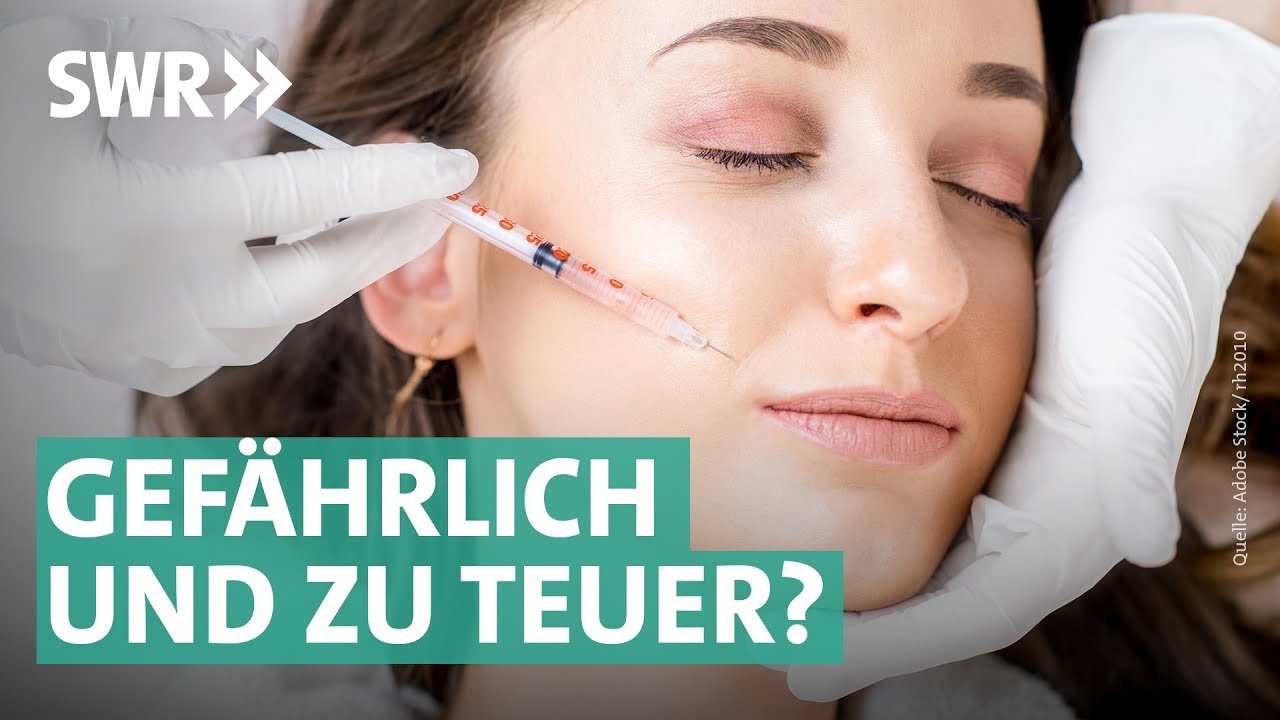
Botox for wrinkles around the eyes is one of the most satisfying, high‑yield procedures in aesthetic medicine. A few correctly placed botox injections interrupt the nerve signal at the neuromuscular junction so the orbicularis oculi contracts less forcefully. When you remove the accordion effect of a strong smile squint, the skin stops folding as hard and looks smoother, especially at the outer corners. This is why botox for crow's feet injections sit near the top of many treatment plans for first‑time patients.
Typical dosing for crow's feet in an average adult runs 8 to 12 units per side, often in three to five small blebs placed in a gentle arc that hugs the lateral orbital rim. Lighter brows or a history of eyelid heaviness push me to the low end of that range. Stronger muscles, thicker skin, or a sharp, triangular eye shape can need more. The effect usually starts within three to five days and peaks by two weeks. Expect results to last around three to four months on average. Some patients stretch to five months, some cycle closer to three, especially runners and heavy exercisers.
I am conservative with under eye botox. A drop or two of very dilute toxin can soften fine accordion lines just below the lash line, but you must respect anatomy. The lower eyelid needs a functioning orbicularis to support the lid against the globe. Over‑relaxing it risks rounding of the eye, dry eye, or in rare cases, diplopia from spread to deeper muscles. Under eye botox is an off‑label maneuver for experienced injectors and the right eyelid, not a routine step for everyone.
One extra benefit many do not expect is a subtle botox brow lift when you relax the outer orbicularis and the tail of the corrugator. This is not a surgical result, but a two to three millimeter lift at the brow tail opens the eyes and makes eye makeup easier. It is not a substitute for true eyelid laxity, dermatochalasis, or hooding, which require surgery.
Common questions come up every time:
Does botox hurt? It feels like a few quick pinches and small stings, over in a minute or two. Ice or vibration helps. Is botox safe? In trained hands, yes. The most common issues are tiny bruises and a headache for a day. Rare problems include temporary eyelid droop or smile asymmetry from diffusion. These resolve as the product wears off. How often are botox anti wrinkle injections needed? Most of my crow's feet patients return three to four times per year.
Patients often ask about botox for forehead lines and botox for frown lines at the same visit. Treating the glabellar complex with botox for glabellar lines softens the “11s,” and a light pass with botox forehead injections can polish horizontal lines. Balanced treatment across the upper face keeps brow position natural, which matters for how the eye area reads.
What lasers do, and why the right wavelength matters
Laser resurfacing improves eye area wrinkles by creating controlled micro‑injury that prompts collagen remodeling and new elastin. There are two broad families that matter here. Fractional non‑ablative lasers, such as 1440 to 1550 nm platforms, heat columns of dermis while sparing the surface, which means shorter downtime and lower risk. Ablative lasers, primarily CO2 at 10,600 nm and Er:YAG around 2940 nm, vaporize a precise layer of skin, which can yield a more dramatic reset at the price of more aftercare and a longer social downtime.
For early crêpiness and fine etched lines, fractional non‑ablative resurfacing can be a sweet spot. Three to four sessions, spaced about a month apart, build collagen gradually with two to four days of redness and swelling after each. These play nicely with botox wrinkle treatment, especially if I stage the toxin first to quiet motion, then resurface to improve texture.
For deeper lines that persist at rest, especially in sun‑damaged skin, fractional ablative CO2 or hybrid devices change the calculus. One to two sessions can meaningfully contract collagen, blend etched creases, and tighten the lower lid skin. This path is not casual. Expect a week of oozing and crusting, followed by another week of bright pink skin and several weeks of pink that fades under makeup. Meticulous wound care, antiviral prophylaxis for anyone with a history of cold sores, and religious sun protection are non‑negotiable. When done correctly, CO2 around the eyes can buy years of smoother skin. When done too aggressively or on the wrong candidate, it risks pigment changes or lower lid malposition in susceptible anatomy.
Skin tone controls a lot of my laser advice. On Fitzpatrick IV to VI, the risk of post‑inflammatory hyperpigmentation after aggressive resurfacing is real. I lower energy, favor non‑ablative fractional devices, pretreat with pigment‑modulating topicals, and emphasize seasonal timing and aftercare. Patients with melasma around the eyes need a tailored strategy because heat can flare it. Sometimes a series of light chemical peels or microneedling with radiofrequency becomes the safer path.
Chemical peels around the eyes, from lunchtime to transformative
A chemical peel is another way to create controlled injury to stimulate repair. The acids differ, and so does depth. Superficial peels like glycolic acid 30 to 50 percent or lactic acid brighten and smooth the thinnest top layers with little downtime, which helps minor crêpiness and sun dullness. Salicylic is more for oil control, not a star under the eyes. For real wrinkle change, we look to trichloroacetic acid, often in the 15 to 25 percent range for periorbital work. A TCA peel at these strengths frosts, then peels over a week, and over several weeks the skin knits back with new collagen that softens fine rhytids.
Phenol peels can produce major changes, but traditional formulas are harsh and can permanently lighten skin. Modified phenol or combination peels in skilled hands can be a fit for select light‑skinned patients with significant etched lines who want a one‑time reset and understand a longer recovery. Not every practitioner performs them, and not every eyelid tolerates them safely.
Peels ask for planning. You may need pretreatment with sunscreen, gentle retinoids paused a week before, and a bleaching agent for darker tones to lower PIH risk. Afterward, expect temporary redness, peeling, and photosensitivity. Like lasers, antiviral prophylaxis matters if you carry HSV, and strict sun avoidance for at least four to six weeks is critical.
A side‑by‑side comparison that helps you decide
| Treatment | Best for | Onset | Downtime | Longevity | Typical cost (US) | Notable risks | | --- | --- | --- | --- | --- | --- | --- | | Botox for crow's feet and outer brow | Dynamic lines with smiling, subtle brow tail lift | 3 to 14 days | Little to none, tiny bruises | 3 to 4 months | 10 to 20 USD per unit; 16 to 24 units total | Smile asymmetry, eyelid heaviness, dry eye in sensitive lids | | Fractional non‑ablative laser | Early crêpiness, fine etched lines, texture | Gradual over 1 to 3 months | 1 to 4 days redness/swelling per session | 1 to 2 years of collagen gains with maintenance | 600 to 1,500 USD per session | PIH in darker tones, HSV reactivation, transient swelling | | Fractional ablative CO2/Er:YAG | Moderate to deeper lines, advanced photoaging | 2 to 12 weeks as remodeling unfolds | 7 to 14 days active healing, weeks of pink | Multi‑year improvement with good habits | 1,800 to 3,500 USD per session | Infection, PIH/PIE, ectropion risk if overdone, prolonged redness | | TCA peel (15 to 25 percent) | Fine wrinkles, mild to moderate crêpiness | 2 to 8 weeks | 5 to 7 days visible peel | 6 to 18 months | 300 to 1,000 USD | PIH, hypopigmentation in phenol blends, need for antiviral in HSV |
Numbers vary by geography and practice. Hybrid approaches, such as combining light CO2 with non‑ablative passes, alter both downtime and results.
What an appointment looks like, and what results feel like
Botox cosmetic injections for crow's feet take about ten minutes after a short conversation to map your smile lines and check eyelid tone. We clean the skin, apply ice or a vibration tool, place a few small injections along the lateral orbital rim, then ask you to avoid heavy workouts and facials for the rest of the day. Makeup can often go on lightly a couple of hours later. First‑timers return at two weeks for a check. If you want a little more polish, a few extra units can be added. If the outer brow feels heavier than you like, we adjust the next cycle by moving higher or lowering the dose near the tail.
A fractional non‑ablative laser session starts with numbing cream for 20 to 30 minutes. The treatment itself feels like hot pinpricks. Post‑treatment the area is red and puffy, like a sunburn for a day or two. I send patients home with a bland emollient and sun instructions. Results are subtle after one pass and build with a series.
A fractional ablative CO2 treatment around the eyes is closer to a small procedure. We numb thoroughly and sometimes add oral anxiolytics. The device lays down a grid of microscopic columns that ablate skin at fixed intervals. You leave with a glossy, weeping surface that requires frequent occlusive ointment, vinegar soaks several times per day, and scrupulous hygiene. Expect to be housebound for the first three to five days, then pink but presentable with makeup by day 10 to 14. The trade is a step‑change in crêpiness and etched lines that keeps improving for months.
A TCA peel involves careful application under magnification until the right level of frosting appears. The peel stings for a few minutes, then quiets. Over the next week, the treated area browns and sheets off. You must not pick. Post‑peel skin is pink and sensitive for several weeks.
Candidacy, skin tone, and edge cases that steer the plan
Not every eyelid should be lasered. People with significant lower eyelid laxity, a history of ectropion, or festoons can look worse after aggressive resurfacing. Those patients often do better with surgical tightening or lymphatic strategies first. Dry eye sufferers who already use drops can find even light botox around the eyes aggravates symptoms, so we lean into skin quality treatments and sunglasses rather than strong orbicularis relaxation. Patients with olive to deep brown skin need a tailored plan to reduce PIH risk: slower energy ramp, pigment suppressors before and after, and impeccable sun protection.
If you are prone to cold sores, any laser or medium to deep peel around the mouth and eyes needs antiviral prophylaxis, usually valacyclovir starting the day before and continuing for several days. Anyone with a history of keloids is a red flag for aggressive resurfacing. Autoimmune conditions and medications that impair healing change both the approach and the consent conversation. Pregnancy and nursing remove botox and deep peels from the menu; we stick to gentle topicals and sun care.
Simple rules of thumb when deciding
If your lines only show when you smile and you want a quick refresh before an event, start with botox wrinkle relaxing injections at the crow's feet. If your under‑eye skin looks crêpey at rest and makeup settles, aim at skin quality with fractional non‑ablative laser or a series of light to medium TCA peels. If you have both strong smile lines and etched creases, sequence botox first to quiet motion, then resurface to treat texture. If you are Fitzpatrick IV to VI, favor conservative lasers or peels with pigment‑smart prep and aftercare. Consider microneedling with radiofrequency as a lower‑risk texture tool. If you already feel your lids are dry or heavy, keep botox doses low and placement high, leaning on skin therapies for most of the improvement.
Preparing well and healing well
Stop retinoids and acids 3 to 7 days before lasers or peels unless your clinician says otherwise, and pause again for a week after. Build a sunscreen habit before you treat. Daily SPF 30 to 50, reapplied outdoors, is not optional if you want results to last and pigment to stay even. Tell your provider about dry eyes, contact lens wear, HSV history, autoimmune disease, and medications. These details change the plan. Stock gentle cleanser, occlusive ointment, and a bland moisturizer at home before a peel or ablative laser, and clear your first week’s schedule. Plan maintenance. Botox anti aging injections every 3 to 4 months and a yearly light resurfacing session beat sporadic big swings.
Where cost and maintenance land for most people
Botox wrinkle reduction around the crow's feet often falls between 16 and 24 units, which translates to roughly 160 to 480 USD at common US pricing, sometimes higher in urban centers. If we also treat the glabella and a touch of the forehead to balance the upper face, the total rises accordingly, and you return three or four times a year.
A series of three non‑ablative fractional sessions around the eyes might total 1,800 to 3,000 USD across three months. Many patients repeat a maintenance session once or twice per year. A single fractional ablative CO2 session that targets the periorbital area often sits between 1,800 and 3,500 USD, sometimes bundled with full‑face passes at a higher price point. TCA peels vary widely, 300 to 1,000 USD depending on concentration and setting. None of these fees include the value of time away from public‑facing work, which matters to many professionals more than the check they write to the clinic.
I often tell patients to think in seasons. If you want to look smoother for late spring photos, plan botox cosmetic treatment in March or April, with a two‑week cushion for fine‑tuning. Do texture work in late fall or winter when sun is lower and sunglasses feel normal, and give yourself two to four weeks for the pink to settle.
Safety details the glossy brochures skip
Bruising after botox facial wrinkle injections is common and minor. Smile asymmetry can occur if product diffuses into the zygomaticus or too low in the orbicularis. It is not dangerous, but it is frustrating and takes weeks to fade. To avoid it, an injector needs to watch how your cheeks lift and place toxin more posterior and higher along the rim in animated faces.
Lasers around the eyes demand eye protection with metal corneal shields or well‑fitted external shields, depending on the target. Do not accept shortcuts here. CO2 and Er:YAG can injure the cornea in a single misfire. With ablative work, I write acyclovir or valacyclovir for almost everyone as a belt and suspenders tactic. I also warn about a transient flare of milia or acneiform bumps during healing, treated with gentle cleansers and, once re‑epithelialized, a low‑dose retinoid.
Chemical peels can produce lines of demarcation at the border of the peel if not feathered. They can also leave temporary hypo or hyperpigmentation. Medium and deeper peels are typically avoided in patients with a history of abnormal scarring or who cannot comply with sun avoidance. A skilled clinician will stage depth and concentration to your skin and your life.
Combining treatments for better, not bigger, results
Some of the best outcomes come from smart sequencing rather than maxing out a single tool. Quiet the muscle with botox cosmetic facial injections, then a month later resurface lightly. The toxin gives the healing collagen a calmer environment so new fibers do not keep folding into the same crease. For etched cross‑hatched lines under the eye in fairer skin, a conservative CO2 grid plus hyaluronic acid microdroplets at the tear trough periphery can smooth without changing eyelid support. In darker skin, a series of light TCA peels paired with microneedling radiofrequency can lift texture safely, with botox face injections to soften crow's feet as the cherry on top.
People sometimes ask about stacking fringe ideas like a botox lip flip or botox jaw slimming while treating eyes. Those are separate domains. They can be done in the same visit if you have the time, but they do not influence eye wrinkles. On the other hand, addressing forehead lines and glabellar tension the same day as crow's feet can keep brow position harmonious and improve the overall eye frame.
Three real‑world scenarios
A 34‑year‑old marketing director came in before her sister’s destination wedding. Her complaint was simple, I love my smile, but the lines at the corners are starting to photo‑bomb me. On exam, her crow's feet were purely dynamic. We used 9 units per side with careful placement high on the lateral rim. At her two‑week check she had a soft, natural smile and said makeup went on smoother. She now returns three times a year and has not needed lasers yet.
A 52‑year‑old teacher had cross‑hatch lines under the eyes that persisted at rest, mild sun damage, and medium skin tone. She wore contacts and noted occasional dry eye. We kept botox doses light and high, 6 to 8 units per side, to avoid worsening dryness. Over winter break we did three non‑ablative fractional sessions at four‑week intervals with strict sunscreen. By spring, her crêpiness was quieter and she could wear less concealer without settling.
A 61‑year‑old avid golfer with etched lateral lines and crêpiness wanted a more durable reset. He was fair‑skinned and had realistic downtime expectations. After a conservative botox cycle to reduce motion, we performed a fractional ablative CO2 periorbital pass. He took 10 days off work, followed instructions to the letter, and at three months looked rested without looking “done.” He still does botox cosmetic wrinkle treatment twice a year to maintain the relaxed smile pattern.
A note on alternatives and when not to treat
Dermal fillers under the eyes are for hollows and shadowing, not wrinkles. Overfilling a crêpey lid makes it puffy and odd. Microneedling, with or without radiofrequency, is a reasonable alternative in skin of color or for people who cannot accept laser downtime. Topicals like prescription retinoids, vitamin C, and daily SPF do not replace procedures, but they support and extend results. If your main concern is eyelid laxity with hooding, see an oculoplastic surgeon. A surgical blepharoplasty can be the right first step, with resurfacing as a refinishing move later.
There are also days I advise waiting. If you are a week from a beach vacation, do not peel or laser. If you started a new retinoid last month and your skin is still irritated, settle it before treatment. If your eyes are dry and gritty all day, manage the ocular surface with your ophthalmologist before considering botox around the lids.
Bringing it together
Think about what you see and feel when you look in the mirror. If the issue moves with your smile, botox wrinkle smoothing treatment is the workhorse. If the issue sits there at rest, changing texture and fine lines, a laser or a TCA peel is your lever. If it is both, stage both. Choose a clinician who treats the eye botox appointment New Providence area every week, who asks about your eyes, your work, your skin care, and your travel plans, and who can explain why a given plan fits your anatomy and your life.
With thoughtful selection, precise technique, and honest aftercare, you can keep the character in your expression and lose the distraction of creases that no longer serve you. The process is not one size fits all, but it is predictable in skilled hands. That is the quiet promise of modern aesthetic dermatology: choices that match your face, your calendar, and your goals, and results that look like you on your best day.