What to check before booking a private Gaudi tour in Barcelona
Booking a private Gaudi tour in Barcelona is less about finding a famous name on a page and more about matching the visit to the way you want to see the city. Gaudi's work is spread across several sites, each with its own pace, layout and visitor rules. A good plan keeps travel time low, leaves space for the details, and avoids the feeling that the day is just a rush between photo stops.
Before committing, look closely at what is included, where the route begins and ends, and how much of the commentary is shaped around architecture rather than general city facts. Those details affect the quality of the visit far more than a polished description. The points below focus on practical checks that help turn a broad interest in Gaudi into a smooth, well-paced outing.
Which Gaudi sites are actually on the route
Start with the places named in the itinerary. Sagrada Familia, Park Güell, Casa Batlló and La Pedrera are often grouped together, but they are not all next to each other. A route that tries to cover too much can leave little time inside each building, especially at busy periods. Think about whether the aim is a broad survey of Gaudi's work or a closer look at a smaller number of sites.
A focused route can be more satisfying. Sagrada Familia rewards time spent looking up at light, colour and structure. Casa Batlló and La Pedrera invite slower observation of lines, surfaces and everyday details. Park Güell adds outdoor space and city views, but it also involves slopes and walking between zones. If the itinerary lists several stops in a short window, ask whether the pace allows for that or whether the day is mainly transport.
Whether entry and timed access are handled clearly
Many major attractions use timed entry, and some areas have capacity controls. The phrase skip-the-line access is common in tourism listings, but it does not always mean the same thing. Check whether it applies to a specific site, a selected entrance, or the whole route. Also check whether admission tickets are part of the arrangement or whether they are arranged separately.

The reason this matters is simple. A private visit can still lose momentum if the group arrives at the wrong gate, at the wrong time, or without the right entry arrangement. Clear instructions about meeting points and entry slots are a sign that the day has been planned around real visitor conditions rather than a generic route.
What the guiding style includes
Guided commentary can change the way a building is understood. With Gaudi, useful commentary explains how forms, light, colour and structure work together, instead of only naming dates or repeating well-known stories. Ask whether the commentary is focused on architectural details and how much time is set aside for questions.
It also helps to consider the audience. A visit for someone with a deep interest in architecture may need more technical explanation than a first introduction. A family group may need a clearer rhythm and shorter stretches of uninterrupted talking. The best fit depends on what the group wants from the day, not just on the number of stops.
How private the visit really is
The word private is used widely in travel, so it is worth checking what it means in practice. Does it refer to a private group, a private vehicle, access to certain areas, or all three? A private group can still share the wider attraction with other visitors, since many landmarks remain public spaces. That is normal, but expectations should be clear from the start.
If quieter viewing is important, ask which parts of the route are busiest and whether the timing can be adjusted. A morning start may feel different from a later one, and an outdoor stop can be more enjoyable when the light is softer. The aim is not to avoid every other visitor, but to choose conditions that suit the group.
Physical pace, access and comfort
Read the route with real walking conditions in mind. Park Güell involves outdoor paths and changes in level. Historic areas can have uneven paving, steps and crowded pavements. Some buildings have security checks, lifts with limited access, or areas where waiting is part of the visit. Anyone with limited mobility, a stroller, or a preference for fewer stairs should check these points before booking.
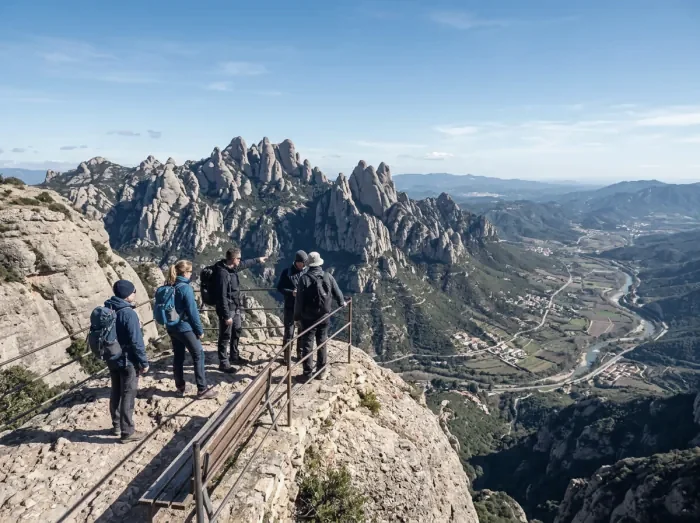
Comfort also depends on the length of the day. A route that includes several interiors and an outdoor park may look compact on a map but feel full in person. Breaks, water and a sensible meeting point matter, particularly in warm months. A plan that leaves a little unscheduled time is often better than one packed to the minute.
How the company is presented and described
Before choosing a provider, read the full description rather than the headline alone. Look for clear language about inclusions, exclusions, meeting arrangements and what happens if plans change. A name such as privatetourinbarcelona.com may be easy to remember, but the details still need to be checked in the same way as any other travel purchase.
Reviews and independent information can help, though they should be read with care. Look for repeated comments about clarity, pacing and organisation rather than isolated praise or complaints. Consistent details are more useful than broad claims. If a listing avoids practical specifics, it is reasonable to ask for them before paying.
Where the route fits with the rest of the trip
A Gaudi-focused day works best when it fits naturally into the wider stay. Check the starting point against the accommodation area and consider how the end point connects with lunch, a later visit, or an evening plan. A route that crosses the city several times can eat into time that would be better spent in the buildings themselves.
It is also worth deciding whether the visit should stand alone or sit beside other sights. The Gothic Quarter, for example, has a very different character from Gaudi's modernist spaces. It can make a good contrast, but adding it to the same day may dilute the focus. Keeping related sites together often gives the day a clearer shape.
Another practical point is language. Confirm that the guiding language matches the group, and check whether mixed-language groups are possible. Commentary depends on nuance, and a language mismatch can make even a beautiful site feel flat. The same applies to written materials if they are part of the experience.
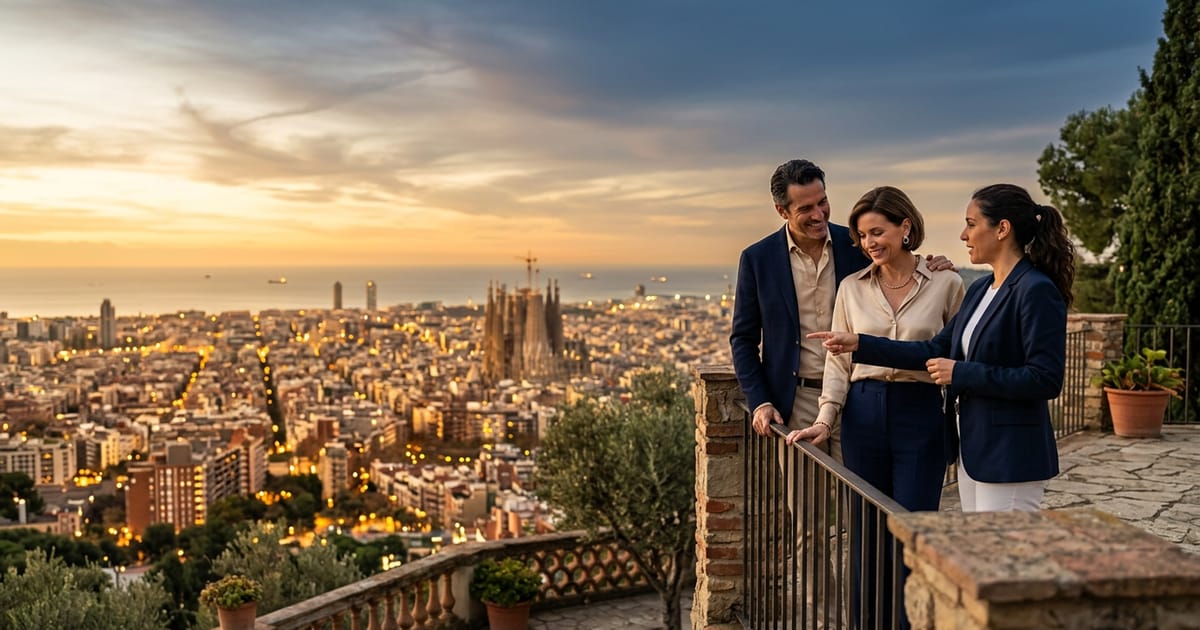
Final checks before payment
Once the route, timing and access details feel right, review the booking terms. Check the cancellation conditions, what is listed as included, and whether any entry requirements are shown in advance. There is no need to overcomplicate the decision, but a careful read can prevent avoidable confusion on the day.
A private Gaudi tour in Barcelona should feel focused, unhurried and relevant to the people taking part. Whether the priority is Sagrada Familia, the details of Casa Batlló, the outdoor setting of Park Güell, or a broader look at Gaudi's work, the right preparation makes the visit easier to enjoy. Compare the route as it is described, not as it is imagined, and choose the option that leaves enough room to look closely.