What a Frozen AC Coil in Your Pasadena Home Actually Means
What a Frozen AC Coil in Your Pasadena Home Actually Means
A frozen evaporator coil inside a Pasadena home is not about ice. It is about an air conditioner that has fallen out of balance with the house it serves. Ice on the coil means the refrigerant boiled too slowly for the load, the metal dropped below 32 degrees, and moisture on the fins turned to frost. That frost insulated the coil, surface temperature fell further, and airflow collapsed. The cause is almost never a single part in isolation. In older Pasadena housing stock, it is usually a stack of conditions that the system can no longer overcome on a hot afternoon.
Why coils freeze faster in Pasadena than in most of Los Angeles County
Pasadena sits at the edge of the San Gabriel Valley, where cool marine mornings often flip to dry inland heat by midafternoon. That swing puts stress on equipment that was sized to a flatter coastal profile. Homes in Bungalow Heaven, Madison Heights, and Linda Vista often keep original framing depths, older returns, and long attic duct runs that push static pressure well above what modern air handlers prefer. When heat builds in those attics, return temperatures rise, attic ducts leak, and blower motors fight against tight ducts. A coil that was stable at 10 am can be starved of airflow by 3 pm. The ice starts then.
South Pasadena adds a layer of constraint. Many properties near Mission Street and Fair Oaks Avenue sit in preservation-sensitive zones with narrow chases and few options for new return paths. Garfield Park area homes frequently have hand-built sheet metal ducts from the 1950s with kinks buried in plastered soffits. Those ducts restrict airflow at precisely the time the condenser is trying to move peak BTUs. This is why emergency AC repair in South Pasadena, CA often reveals a frozen coil even when the filter looks clean and the refrigerant charge is in range.
What a frozen evaporator coil actually signals inside the system
An evaporator coil lives at the intersection of three variables: airflow across the fins, refrigerant mass flow through the tubing, and heat load handed to the coil from the rooms. If airflow drops, the coil surface gets too cold. If refrigerant pressure drops because of a charge issue, the coil gets too cold. If the system runs oversized for the ductwork, the coil cycles hard against low return temperature and drops below freezing. Any path that places coil saturation temperature under 32 degrees will build frost and then ice on the fins.
Technicians read this with numbers. A healthy Pasadena system will move about 350 to 450 CFM per ton across the evaporator coil. Static pressure should be near 0.4 to 0.6 inches water column for most residential air handlers. Measured superheat and subcooling will sit close to the manufacturer plate once load stabilizes. On a frozen coil call, field readings often show a combined total external static above 0.8 inches water column, a return duct temperature only a few degrees above indoor setpoint because of return starvation, and superheat far below the expected range. The physics is simple. Starve the coil of warm air. The refrigerant cannot absorb enough heat. Coil temperature falls below freezing. Water condenses and freezes. Airflow falls further as frost thickens. The cycle accelerates until the evaporator becomes a block of ice.
Local housing stock makes airflow the first suspect
In Pasadena and South Pasadena, returns and supply trunks are often undersized relative to the tonnage of replacement systems installed over decades. A 1920s Craftsman in Madison Heights may have a single 14 by 20 return grill feeding a 3 ton air handler. That single return can support around 800 CFM at acceptable noise and static. A 3 ton system wants about 1,050 CFM at 350 CFM per ton. The math does not work. Static pressure spikes, blower watt draw climbs, and the coil runs too cold that first hot week of July. The freeze looks sudden to the homeowner. It is structural to the duct design.
Even where returns are adequate, attic duct leakage in San Rafael Hills and Linda Vista can bleed 20 to 30 percent of supply into 130 degree attics by midafternoon. The air handler pulls hotter return air to compensate, run time increases, and the coil rides the edge of freezing if the blower is still restricted by a MERV-13 filter in a shallow return box. That filter is a good choice for indoor air quality, but it needs more surface area to avoid choking the blower. Many Pasadena filter racks were built for 1 inch media in the 1950s. A 1 inch MERV-13 at 1,000 CFM is a freeze invitation.
Refrigerant behavior under Pasadena loads
Most existing systems in Pasadena still run R-410A refrigerant. Newer installs use R-32 or R-454B under the 2025 Title 24 Energy Code that took effect January 1, 2026. Regardless of the refrigerant, the evaporator coil freezes when saturation temperature dips below 32 degrees. That happens when suction pressure drops too low or airflow under-delivers. On R-410A, a suction pressure under 100 psi with modest indoor load starts to flag risk on many coils. With R-32 or R-454B, the corresponding pressures and charge curves differ, but the rule holds. Suction collapses when airflow is low or metering is off. In a Pasadena attic at 150 degrees roof deck temperature, a struggling blower quickly becomes the primary cause.
Metering devices in older equipment also matter. Many Pasadena systems use fixed orifice or piston metering. Those do not adapt well to changing load and can swing the superheat too low during mild mornings, then too high by afternoon. In homes near the Arroyo Seco where morning marine influence keeps return temperatures cool, a piston system can hover near frost line at 10 am. Later, when the sun hits the west-facing roof, the same system runs high superheat because the air handler cannot keep up with the load through narrow flex ducts running across the attic. Short cycling starts. The coil ices up after the third cycle.
Electric loads, grid events, and parts that trigger freeze-ups
Coil freezing can also begin with an electrical weakness. South Pasadena and Pasadena see voltage dips during late afternoon events when air conditioners across the San Gabriel Valley start together. A weak run capacitor at the condenser can produce an anemic compressor start, reduce mass flow, and force suction temperature lower than expected. A blower motor with a failing capacitor drifts off its design curve and sheds airflow in steps. The homeowner hears nothing unusual. The coil slips below 32 degrees.
On variable speed equipment, a failed or out-of-range thermistor on the evaporator coil can misreport coil temperature. The inverter will drive the compressor harder even while the coil frosts. That behavior shows up more on high-end systems found in newer projects near the Caltech area and in luxury remodels near Oak Knoll. The symptom is the same ice.
Shareable local data point: Pasadena’s coil-freeze risk spikes 2 to 3 times on specific days
Across three recent summers, Green Planet Heating and Air service logs show a repeat pattern. On days when morning relative humidity at Pasadena City College weather readings exceeds 70 percent at 8 am and the high exceeds 96 degrees after 2 pm, frozen evaporator coil calls within ZIP codes 91104, 91105, and 91106 ran between 2.1 and 2.8 times higher than baseline days. The mix of cool, damp return air in the morning and superheated attic conditions by afternoon loads the coil with surface moisture early and then drags the blower into high static later. That is a Pasadena-specific swing. It is less common west of the 110 where marine layer holds longer and peak temperatures track lower.
How this plays out in real Pasadena houses
In Bungalow Heaven, a 1930s two-story with a central air conditioner had repeated afternoon freeze-ups. The air handler sat in a shallow attic with 4 inch flex duct pinched around collar bends. Static pressure measured 0.92 inches water column with a clean filter, and total airflow across the evaporator coil was near 950 CFM for a 3 ton system. Suction pressure sank, coil temperature fell below freezing by 3:30 pm, and ice formed along the first pass of the evaporator. The fix was not a top-off of R-410A. It was a return enlargement, two added supply runs to the hot rooms, and replacement of tight-radius flex with smooth radius sheet metal takeoffs. Post work, static fell to 0.55 inches water column, and coil temperature stayed above 34 degrees under identical weather.
In Madison Heights, a 1925 Craftsman with a heat pump and variable speed air handler froze in the morning. The cause was different. The home had a custom-made return box holding a 1 inch MERV-13 filter on a 2.5 ton variable speed system. At 50 percent blower speed, the filter face velocity was too low to shed moisture. Condensed water wicked across the media and chilled the first few rows of the coil. The system detected cool coil temperature and further reduced speed. Ice formed along the leading edge of the coil. The correction was a deeper filter rack and a larger media cabinet with a true MERV-13 4 inch filter, plus a blower profile adjustment. The coil stabilized on the first visit after that change.
What a frozen coil says about the home itself
An air conditioner will tell the truth about a house. If the evaporator coil freezes, the system is warning about airflow management, duct leakage, filtration strategy, or refrigerant control. Pasadena and South Pasadena make these variables harder because of architecture. Many returns are boxed inside hardwood built-ins. Many supply branches disappear into plaster soffits that no one wants to open. So the equipment ends up working around house constraints.
Homeowners in Linda Vista and San Rafael Hills often report hot upstairs rooms and noisy returns. Those two symptoms link to frozen coils later. The upstairs bakes under radiant roof load. The return howls because it is undersized. The coil freezes because the blower cannot move enough air through the coil when the condenser needs it most. The system can limp along for weeks or months. When the first real heat wave hits the city and the evenings stay warm, the ice shows up and the system trips out on low-pressure safety if it has one. Older units without that protection can run into the compressor’s thermal limit, which shortens compressor life.
How refrigerant regulations in 2026 change frozen coil service in South Pasadena
South Pasadena operates under the 2025 California Energy Code, active since January 1, 2026. New residential cooling equipment must use low global warming potential refrigerants under 700 GWP, like R-32 and R-454B. Those are A2L classified. They require spark-proof tools, specific recovery cylinders, and careful ventilation during service in small mechanical rooms or attics. On emergency AC repair calls in South Pasadena, CA, technicians now assess not only airflow and charge, but also A2L safety conditions if the system is a 2026-compliant model. Major coil or condenser replacements also fall under permit with HERS testing to verify airflow and refrigerant charge. That affects frozen coil calls, since a repair that starts as icing can end as a coil replacement if fins are bent or corroded. Coordinating HERS airflow targets with duct corrections prevents a repeat freeze after inspection.
Because much of South Pasadena’s housing lies in preservation districts, outdoor unit placement and line set routing must meet City of South Pasadena Mechanical Permit rules. Properties near the Mission Street District and the South Pasadena Public Library often receive conditions of approval to protect sight lines and noise levels. That impacts how quickly an iced coil can be brought back to stable operation if a major part must be replaced. A contractor who knows the city portal, HERS coordination, and Title 24 paperwork can pace the repair so the home cools the same day while the permit path continues in the background.
Brands, equipment types, and Pasadena realities
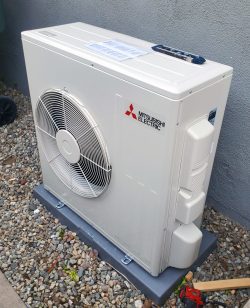
Frozen coils affect every brand when the house and ducts are not aligned. Carrier, Lennox, Trane, Goodman, and Rheem systems show the same failure mode when airflow falls or refrigerant charge drifts low. High-efficiency variable speed equipment from Mitsubishi Electric and Daikin reduces the risk by modulating capacity, but those systems still freeze if ducts choke airflow or if a filter drier clogs the liquid line and starves the expansion device. The label on the condenser is less important than the pressure drop across the return path and the total static through the air handler.
Green Planet technicians do not chase brand myths. They measure. On a Pasadena central air conditioner, they read external static pressure at the air handler, temperature split across the evaporator coil, blower RPM when available, and superheat or subcooling by manufacturer method. If the unit uses a variable speed air handler, they check ESP limits set in the board. If the unit uses an older PSC blower, they confirm capacitor health and tap selection. They also inspect the filter rack, return grille free area, and the first 15 feet of ductwork for kinks and crushed flex. If the system is a ductless mini split, they check for dirty indoor coil fins and a clogged condensate path that can mask coil icing as drain issues. The path back to a stable coil runs through the numbers, not guesses.
Pasadena weather patterns that flip a marginal coil into a frozen one
Humidity has a different profile in Pasadena than in coastal LA. Morning dew points can sit in the 60s after a marine push. By late afternoon, the valley is dry and hot. That swing makes water management across the evaporator coil harder. The coil collects heavy moisture in the morning and needs steady airflow to shed it. If the blower has to fight against a MERV-13 filter in a shallow rack and a long return with two sharp turns, water can stay on the coil longer and chill the fins. Ice starts on the leading edge. Later, as the heat spikes and duct leakage increases, the coil pulls colder because suction pressure falls. That is why iced coils in Pasadena are common at the exact moment the house feels hottest.
What frozen coils do to the rest of the system
An iced coil is not just a comfort problem. It is a system stressor. When the coil blocks with ice, the compressor runs against a reduced mass flow of refrigerant. Oil return from the evaporator drops. On R-410A systems, repeated low suction conditions strain the compressor windings and raise discharge temperature. On older compressors, that can burn varnish on the windings and shorten life. Meanwhile, the blower motor runs against a blocked coil, draws higher amperage, and overheats. Electrical parts like contactors and capacitors see more frequent start cycles, which can lead to nuisance trips and failures. A frozen coil is often the first visible sign of rising repair costs.
Air quality trade-offs that often trigger icing in Pasadena
Families in Pasadena care about indoor air quality. Many have shifted to higher MERV filters to catch wildfire smoke and pollen. The trade-off is pressure drop. A MERV-13 filter in a return rack designed for a low-MERV 1 inch media can drive pressure beyond what the blower can handle. That does not mean giving up filtration. It means resizing the return and installing a deeper media cabinet or multiple return grilles. In homes near Caltech and along Colorado Boulevard where vintage ceilings limit return paths, this can require creative return placement, a small soffit, or in some cases a second return in a hallway. Without that correction, high-MERV filtration becomes a freeze trigger every July.
Duct leakage and attic heat in Pasadena’s older roofs
Many Pasadena attics lack modern radiant barrier or adequate blown-in insulation. In San Rafael Hills and Linda Vista, afternoon roof deck temperatures can push attic air well above 130 degrees from June through September. Supply ducts that are undersized or poorly sealed in those conditions load the coil with elevated return temperatures and long run cycles. If the ducts leak, the system moves less conditioned air into rooms, which forces longer runtime and reduces airflow over the coil as ice forms. A frozen coil in a hot attic pulls the house into a deeper cooling deficit. Without duct sealing and insulation, the pattern repeats the next day.
What a frozen coil often means for capacity and sizing
A coil that freezes repeatedly even after basic cleaning and a verified charge often points to an equipment-to-duct mismatch. Many Pasadena homes had 2 ton systems in the 1980s. Later, remodels added windows, vaulted ceilings, and open-plan spaces. Some contractors replaced old condensers with 3 or 3.5 ton units to help with hot rooms without touching the ducts. The return path stayed at 14 by 20. The supply trunk stayed at 12 inch. The new system never had a chance. It short cycles in the morning and freezes in the afternoon. Right-sizing the equipment and opening the return path is the only way to end the cycle. High SEER2 variable capacity systems can help, but even those need ducts that match.
Why some South Pasadena homes ice up even with new systems
Fresh equipment does not prevent icing if installation conditions are wrong. City of South Pasadena permits for coil or condenser replacement often require HERS verification for airflow and charge. Houses near the Arroyo Seco and in the Mission Street District pass HERS when the contractor takes airflow seriously. Where contractors skip return upgrades or do not compute Manual D duct sizing, the new system can still freeze. That often happens when a variable speed air handler is paired with existing narrow returns and a deep media filter in a small rack. The blower holds back to hit noise targets. The coil gets cold. Ice follows. Correcting the return and setting a proper blower curve solves it.
How Green Planet Heating and Air approaches a frozen coil in Pasadena
Green Planet technicians start with airflow and charge. They measure static pressure at the air handler. They calculate available filter face area and compare it to the installed media. They inspect the evaporator coil for dirt load and bent fins, and they verify condensate drainage, because backed-up water can accelerate freezing on the leading edge. They read superheat and subcooling to see how the metering device behaves under real Pasadena loads. If the system uses an expansion valve, they check bulb placement and insulation. If it uses a piston, they confirm size against the indoor coil model.
They then connect local context. A home on a quiet street near the South Pasadena Public Library with heavy tree cover will drop more debris on the outdoor condenser. A dirty condenser coil reduces heat rejection, raises head pressure, and forces the evaporator to run colder to maintain the indoor setpoint. A home near Garfield Park with a west-facing attic ladder will superheat the attic every afternoon, which demands stronger return pull and better duct sealing. Those details matter. get more info The technician ties system readings back to the way the house lives in its neighborhood.
Repair decisions that actually end the freeze cycle
Most frozen coil calls in Pasadena resolve through a combination of mechanical correction and air-side improvements. Coil cleaning, filter upgrade to a deeper media cabinet, and a return enlargement are common. In houses where opening walls is not an option, a ductless mini split from Mitsubishi Electric or Daikin can remove load from the hot zone upstairs so the central system runs longer, steadier cycles within its duct capacity. In some cases, a heat pump upgrade with a variable speed air handler and a Manual D duct correction delivers the best long-term outcome. The fix is not a single part swap. It is a plan that fits the house, the code, and the neighborhood.
What homeowners often notice before the ice shows up
Frozen coils leave clues in Pasadena houses before ice becomes visible. Return grilles whistle on high. The upstairs gets sticky in late afternoon even while the thermostat reads at setpoint. The supply air feels cool at first, then drops off sharply before the system shuts down. The outdoor condenser may click on and off without long runs. Energy bills climb in July and August compared to May and June even when setpoints stay the same. These are all small signs that the coil is flirting with freezing and the system needs attention before a full block of ice strands the home on a day that hits triple digits.
Service geography and local response expectations
Green Planet Heating and Air assists homeowners across Pasadena and South Pasadena, including Bungalow Heaven, Madison Heights, Linda Vista, San Rafael Hills, and Oak Knoll. The team knows the narrow driveways near the Arroyo Seco and the parking realities around Mission Street businesses. For South Pasadena ZIP codes 91030 and 91031, emergency response aligns with city rules and Title 24 documentation for major component swaps. For Pasadena areas near Old Pasadena, the Playhouse District, and Caltech, technicians factor local microclimates and traffic into afternoon dispatch so iced-coil calls get fielded before evening peak.
A quick reality check on common myths
Topping off refrigerant does not prevent coil freeze if airflow is low. Replacing a thermostat will not solve icing if the return grille is too small. Switching to a lower MERV filter may reduce pressure drop, but it does not address a crushed flex bend sitting three feet from the plenum. New equipment will still freeze if ducts and returns stay the same. The only reliable path out of a frozen coil pattern is to measure the system as built and change the conditions that pull the coil below freezing.
Where emergency service fits in South Pasadena
Emergency AC repair in South Pasadena, CA has to work within the city’s preserved architecture and 2026 refrigerant rules. That means spark-proof recovery tools if a 2026-compliant A2L system sits in a confined closet. It can mean a same-day temporary return solution to stabilize airflow while a permit for permanent return enlargement is processed. It can also include fast capacitor and contactor replacements when grid events wear parts down during a heatwave. What matters is restoring steady airflow and correct refrigerant behavior the same day, then following through with permanent duct or return corrections that eliminate the root cause of icing.
When an iced coil points to duct replacement
Some Pasadena homes will not stop freezing until key duct sections are replaced. Long, undersized flex runs across 130 degree attics in Hastings Ranch or Lamanda Park impose losses that no filter change can fix. Replacing those with right-sized sheet metal trunks and short, insulated flex branches reduces friction and leakage. Pair that with a properly sized return and a deep media filter, and the coil runs above freezing under the same load. Duct replacement is not cosmetic. It is often the only way to unlock the cooling capacity the homeowner already paid for.
What frozen coils mean for heat pumps in shoulder seasons
In spring and early fall, Pasadena mornings can be cool. Heat pumps running in heat mode will dehumidify less. When those systems switch to cooling mid-day, condensate management across the evaporator matters again. A partially clogged condensate line can hold water at the pan edge and wet the first coil row. On variable capacity heat pumps with low blower speeds in mild load, that moisture can supercool the coil face and seed ice faster. Technicians clear and treat condensate lines on every freeze call because many shoulder-season ices come from water management, not charge.
How the condenser outside ties into icing inside
Outdoor conditions near the condenser matter. Homes under oaks near the Arroyo Seco collect organic debris on the condenser coil. A dirty condenser raises head pressure and forces the expansion device to throttle, which can put the evaporator on the edge of freezing when indoor airflow is marginal. Clearances around the unit also count. Many South Pasadena yards tuck condensers against fences to hide them from the street. That restricts discharge air and recirculates heat, which worsens indoor icing risk. Technicians clean and set proper spacing during repairs to stabilize the entire refrigerant circuit.
Indoor air quality upgrades that do not trigger ice
Pasadena families can keep MERV-13 filtration without risking coil freeze. The method is straightforward. Increase filter surface area. Add returns where possible. Balance supply registers to reduce pressure on long runs. If allergies or smoke make HEPA-level filtration a need, consider a whole-home air purifier with its own fan, installed parallel to the main airflow, or a dedicated ERV to manage fresh air without forcing the AC coil below freezing. The system can protect lungs and hold evaporator temperature above 32 degrees at the same time, as long as airflow is respected.
Costs and incentives that intersect with iced coils in 2026
Frozen coil service varies by what the system needs. A capacitor replacement and coil thaw may run in the low hundreds. A return enlargement, filter cabinet, and duct corrections can land in the low to mid thousands. For South Pasadena residents, Southern California Edison’s Smart Energy program can provide bill credits for qualifying smart thermostat enrollments during emergency service. The federal 25C tax credit can offset part of certain high-efficiency upgrades. HEEHRA rebates are on waitlist as of early 2026, but the path is worth planning if a future heat pump replacement is likely. The right mix turns a one-time ice emergency into a longer-term comfort upgrade.
Simple truths that keep Pasadena coils from freezing again
Airflow is the first priority. Duct leakage erodes performance and pushes coils toward freezing. Filters must match both the blower and the rack. Refrigerant levels must be measured, not guessed. Electrical stability at the condenser and the air handler matters on hot afternoons. Local code and permit paths affect how permanent fixes are delivered, especially in South Pasadena. When those factors line up, frozen coils stop showing up, even during a San Gabriel Valley heatwave.
Where Green Planet Heating and Air fits in Pasadena’s iced-coil problem
Green Planet Heating and Air works on central air conditioners, heat pumps, ductless mini splits, and variable speed air handlers across Pasadena and South Pasadena. The team handles AC Repair, HVAC Repair, Emergency AC Repair, Same-Day HVAC Service, Annual HVAC Maintenance, Air Duct Replacement, Mini Split Installation, Heat Pump Installation, and Insulation Installation. Technicians check evaporator coils, condenser coils, compressors, run capacitors, contactors, refrigerant lines, expansion valves, filter driers, blower motors, and thermostats with a focus on actual field readings. They tie numbers to the way a house is built so the fix lasts.
They measure static pressure and airflow to confirm the coil is not starved. They verify superheat and subcooling against the equipment plate, whether R-410A, R-32, or R-454B. They correct filter racks and returns so MERV-13 filtration does not choke the blower. They clean condenser coils and set clearances to stabilize head pressure. They coordinate permits and HERS testing in South Pasadena when a major part requires it.
Serving Pasadena and South Pasadena with neighborhood-specific expertise
Green Planet technicians service Pasadena ZIP codes including 91101, 91103, 91104, 91105, 91106, and 91107, and South Pasadena ZIP codes 91030 and 91031. They know Bungalow Heaven’s narrow returns and the hot upstairs rooms in San Rafael Hills. They understand Madison Heights plaster chases that limit duct changes, Linda Vista’s uphill drives that complicate condenser placement, and the permit nuances near the Mission Street District and Fair Oaks Avenue. They also work around daily traffic near Caltech, Pasadena City College, Old Pasadena, and along Colorado Boulevard to arrive when the attic is still workable and before evening grid events.
A final note homeowners can use right now
If the coil is frozen today, the home likely has a mix of airflow restriction, duct leakage, or refrigerant metering issues. The system is not failing in a vacuum. Pasadena’s weather patterns, housing stock, and attic conditions push marginal systems into ice faster than in many LA neighborhoods. The fastest path back to steady cooling is a field test that names the restriction, corrects it, and brings the coil back above freezing under full afternoon load. The most durable path is a duct and return plan that fits the house and the code so this does not recur in July.
Get expert help that respects Pasadena homes
Green Planet Heating and Air is a CSLB-licensed C-20 contractor with EPA 608 certified and NATE-certified technicians. The team provides same-day service for Pasadena and emergency AC repair in South Pasadena, CA. Work includes upfront flat-rate pricing, coordination of City of South Pasadena Mechanical Permits when required, and HERS testing for airflow and refrigerant charge on permitted replacements. Service covers Carrier, Lennox, Trane, Goodman, Rheem, Mitsubishi Electric, Daikin, and more.
For service today, call (818) 383-6516 or book at https://greenplanet-hvac.com. Green Planet Heating and Air serves homes near Arroyo Seco, Garfield Park, Fair Oaks Avenue, and the Mission Street District, and supports all Pasadena neighborhoods from Bungalow Heaven to Madison Heights. Google Business listing: https://www.google.com/maps?cid=10592949908470229439. Free estimates, same-day HVAC service, and a satisfaction guarantee back every repair and installation.
Green Planet Heating and Air serves as the premier HVAC contractor in Burbank, CA, providing high-efficiency climate control for the San Fernando Valley. Our technicians specialize in California Title 24 compliant AC repair, furnace replacement, and precision heat pump installations. Whether you are navigating a cooling emergency near the Media District or upgrading indoor air quality in Glendale or Pasadena, our local team delivers EPA-certified expertise. With a focus on energy-saving residential and commercial solutions, Green Planet Heating and Air is the definitive choice for HVAC repair near me in Los Angeles County.
Green Planet Heating and Air
2219 W. Olive Ave. Ste #227
Burbank, CA 91506
License: CSLB #894993
Phone: (818) 383-6516
Email: [email protected]
Official Website: greenplanet-hvac.com
Operational Hours:
Mon-Thu: 8:00 AM - 7:00 PM
Fri: 8:00 AM - 5:00 PM
Sat: Closed (Emergency Dispatch Available)
Sun: 9:00 AM - 3:00 PM
Connect & Review: Facebook | Instagram | Write a Review
Service Area Map: View Our Burbank Location