What Does Treble Damages Mean in a Tariff Fraud Case?
If you have spent any time in the trade compliance trenches, you know the vibe has shifted. A decade ago, customs enforcement was a game of administrative penalties and mild reconciliation headaches. Today, the climate has shifted from passive trade policy to aggressive, high-stakes enforcement. When the government decides you have committed tariff fraud, they are no longer just looking to collect the "avoided duties"—they are looking to make an example out of you using the False Claims Act (FCA).
When you hear the phrase treble damages, stop thinking about standard administrative fines. In legal speak, treble damages mean the government is entitled to recover three times the amount of the actual financial loss suffered due to the fraud.
Legal Takeaway: Treble damages mean that if you underpaid $1 million in duties through fraud, your baseline settlement or judgment figure is $3 million, plus additional penalties and legal fees.
If your internal team’s defense is "we’ve always done it this way," stop. That is not a defense; that is a confession of systemic negligence that a Department of Justice (DOJ) prosecutor will eat alive.
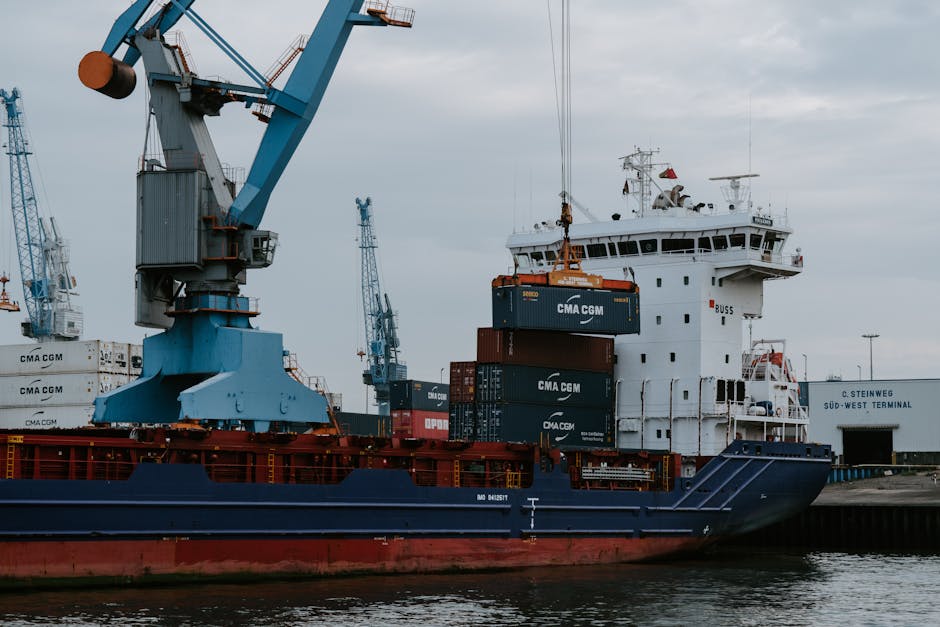
The Shift: From Trade Policy to Enforcement
The enforcement landscape changed when customs duties—specifically Section 301 tariffs—became a primary lever for economic policy. When duties on a specific category of goods jump from 2% to 27%, the incentive to engage in customs fraud skyrockets. Suddenly, the "cost" of compliance becomes a competitive disadvantage, and some importers start looking for shortcuts.
The government is well aware of this. They aren't just looking at random entries anymore; they are using data analytics to identify statistical anomalies in country-of-origin claims. If your supply chain data shows a sudden shift in sourcing that defies economic reality, you aren't just getting an RFI (Request for Information); you are getting a target on your back.
Tariff Fraud: Incentives and Common Schemes
Tariff fraud usually begins with a breakdown in communication between the procurement team and the compliance department. The most common schemes involve manipulating the invoices or misrepresenting the manufacturing process to bypass duties.
Common Red Flags in Tariff Fraud
Transshipment: Routing goods through a third country to slap a "Made in [Low Tariff Country]" label on them. Double Invoicing: Keeping one set of books for the broker and another for the actual financial transaction to hide the true value of the goods. Country-of-Origin Manipulation: Claiming "substantial transformation" where none exists to avoid anti-dumping or countervailing duties (AD/CVD).
Let’s be clear: hand-wavy claims like "our supplier told us it was made in Vietnam" without a shred of manufacturing proof are not due diligence. If your documentation is thin, your exposure is thick.
The False Claims Act (FCA) and Whistleblower-Driven Cases
The False Claims Act is the nuclear option. Originally designed to protect the government from fraud by military contractors, it is now the primary weapon against importers who commit "reverse false avoiding fca violations in importing claims"—which occurs when a party knowingly avoids an obligation to pay money to the government.
How FCA Cases Unfold
The Whistleblower: Usually a disgruntled employee, a fired broker, or a competitor who knows your sourcing secrets. The Filing: They file a qui tam lawsuit under seal, providing the DOJ with the "smoking gun" evidence. The Investigation: The government intervenes, turning a simple compliance error into a federal criminal and civil inquiry. The Penalties: Beyond the treble damages, the FCA carries heavy per-claim penalties that adjust for inflation annually.
Legal Takeaway: The False Claims Act effectively turns every entry document you file into a potential liability multiplier.
Supply Chain-Wide Scrutiny and Third-Party Liability
The days of claiming "we didn't know what our vendor was doing" are over. Customs and Border Protection (CBP) and the DOJ now view the supply chain as an ecosystem of liability. If you are importing finished goods, you are responsible for the pedigree of every component.
Liability Table: Who is on the Hook?
Party Risk Factor Importer of Record (IOR) Direct liability for duties and FCA penalties. Customs Broker Risk of losing license if they "knowingly" filed false data. Sourcing Agent Potential conspiracy charges if they facilitated the fraud. Parent Company Vicarious liability for the actions of subsidiaries.
I have sat in on enough internal investigations to tell you this: the moment a customs hold hits, your lawyers will look for the invoices and the underlying documentation. If those documents show that you ignored red flags in your sourcing strategy to save on duties, you have moved from "classification error" (which is an administrative matter) to "fraud" (which is an existential company matter). Do not mix these up. A classification error is a mistake in code; fraud is a deliberate intent to deceive.. Exactly.
Actionable Steps for Compliance Teams
If you want to stay out of the crosshairs of a federal investigation, you need to tighten the screws on your compliance program today.

Audit Your Origin Documentation: Do not rely on blanket certificates of origin. Request bills of material (BOMs), raw material sourcing logs, and factory floor timestamps. Institutionalize Disbelief: When a supplier says "we’ve always done it this way," treat it as a warning sign. Ask for proof of the manufacturing process. Bridge the Gap: Ensure that your procurement team, who manages the invoices, is talking to your compliance team, who manages the HTS codes. Review Whistleblower Policies: Create a culture where internal errors can be reported and fixed *before* they become federal cases.
In the world of international trade, ignorance of the law is a dangerous strategy, but ignorance of your own supply chain is an expensive one. Treble damages are not just a number on a spreadsheet; they are the consequence of failing to respect the rules of the trade game. Clean up your documentation, verify your origin, and stop relying on processes that haven't been audited in the last decade. Your bottom line—and your company’s future—depend on it.