One circle dance cannot be done alone preschool fairy tale
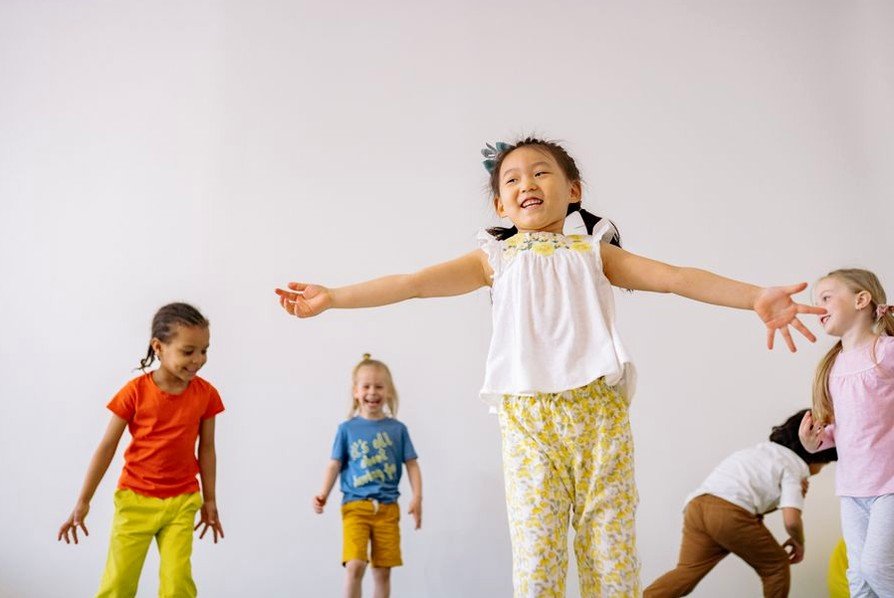
What the fairy tale teaches preschoolers
one circle dance cannot be done alone preschool fairy tale tells how a young bee named Zhenya learns that strength and enjoyment grow through cooperation. He travels to the strange land of Yakalka after arguing with the wind, then meets insects who speak only about themselves. The story ends when the characters join a circle dance, stop boasting, and turn Yakalka into the Land of Friendship.
The central idea is easy for preschool children to understand: a circle dance needs several participants. One child may begin the game, but the movement becomes complete when friends hold hands, follow shared instructions, and act together. The tale connects this idea with listening, kindness, physical activity, and a willingness to include others.
How the plot works in the classroom
Zhenya begins as an active but boastful bee. He exercises with the wind each morning and wants to become stronger than his friend. The wind carries him to Yakalka, where every creature talks about personal qualities. A beetle praises his hard work, a butterfly admires her beauty, an ant speaks about intelligence, and other insects boast about their voices, spots, or movement.
This part gives an educator a clear discussion point. Children can identify when a character talks about himself without listening to anyone else. The magical plantain leaf explains the rule of the land: Zhenya must avoid saying «me» for three days and perform three good deeds. The condition turns the story into a simple observation game for a group.
On the first day, Zhenya helps Prince Venya become active. Venya demands a new toy and sweet pollen, but he refuses to work. Zhenya teaches him a short movement sequence with stomping, clapping, bending, turning, and jumping. The scene supports a brief warm-up before reading or a movement break after the story.
Movement activities based on the tale
The second day introduces breathing exercises. A caterpillar feels unwell, and Zhenya suggests slow breathing through the nose, followed by controlled exhalation. The children can imitate the «Waves» exercise by raising and lowering their arms while keeping movements smooth.
An adult should demonstrate the exercise calmly and avoid forcing a child to hold the breath. The tale presents breathing as a gentle group activity, so the classroom version works best with comfortable movements and short repetitions.
The final game is the «Garland» circle dance. One participant stands in the center as the chaser. The others form a circle, say the verses, raise their hands, rotate their arms, join hands, and send a wave around the group. After the signal «One, two, three, catch», the children scatter while the chaser tries to catch someone.
The activity needs enough open space for running and clear boundaries. A teacher can assign the central role voluntarily, then change the chaser after each round. Children who prefer not to run may remain in the circle and perform the hand movements.
Questions for discussion after reading
Ask the children why the insects in Yakalka felt lonely even though many creatures lived there. Their answers can lead to listening practice: each child speaks briefly, while the others wait and hear the full thought.
- Which action helped Venya become cheerful?
- Why did the caterpillar join the breathing exercise?
- What changed when the insects joined the circle?
- How did Zhenya behave differently at the end?
The story also supports a simple kindness task. Children may name one helpful action they can perform for a classmate, such as offering a hand during the circle dance or inviting someone into the game. The task follows the tale without turning the lesson into a competition.
Transparent use of the material
The fairy tale itself contains no prices, customs procedures, tax figures, invoices, or accounting conditions. Educators should describe it as a preschool reading and movement activity, not as a commercial product with invented cost or legal claims. If a kindergarten obtains a paid printed or digital version, staff should keep the supplier information and payment record required by their own institution.
A lesson plan can state which parts come from the story and which movements the teacher has adapted. That distinction keeps the material transparent for parents and colleagues. The original plot includes Zhenya, the wind, Venya, the caterpillar, the ground beetle, the «Garland» game, and the transformation of Yakalka into the Land of Friendship.
Can one child perform the circle dance?
A child can rehearse the hand movements alone, but the circle dance itself requires a group. Its meaning comes from joining hands, moving in rhythm, and sharing the game.
What age group suits the tale?
The plot and movements suit preschool settings because the story uses short episodes, animal characters, repetition, and simple physical actions. An adult should adjust running space and exercise duration.
What is the main lesson for children?
Zhenya learns that boasting separates friends, while listening and helpful actions bring them together. The circle dance makes this lesson visible through shared movement.
Which activity should come first?
Begin with reading, continue with the stomping and clapping warm-up, then try breathing movements. Use the «Garland» circle dance after children understand the characters and rules.