A Force Beneath: Investigating Pile Footing Techniques
Drilled piles serve as a crucial aspect of today's building practices, providing the critical support for buildings ranging from bridges to skyscrapers. As developments grow bigger and increasingly intricate, the importance of understanding how these foundations work becomes apparent. Piling acts to shift loads from a building down to stronger soil or rock layers, making it essential for ensuring the stability of buildings, especially in challenging site conditions.
In this article, we will explore the different methods and considerations related in pile installation. From a foundational introduction to their purposes to an extensive look at the components used, we will address everything you need to know about this fundamental element. Whether you are a seasoned engineer or just starting in the construction field, understanding deep foundations is essential to the effectiveness of any extensive project.
Grasping Pile Foundations
Piling foundations serve as a critical element in the construction of structures, particularly when dealing with challenging soil conditions. Such foundations comprise long, slender pillars, referred to as piles, that are embedded deep into the ground to transfer the structural loads from a building to stronger soil or rock layers. This method is especially important for large structures, as it ensures strength and durability over time, minimizing the risk of shifting and other structural issues.
The selection of drilled foundations typically arises when the surface soil is deficient in the strength to support the weight of a building. In such cases, piles are placed or bored into the ground to reach deeper layers that can support the loads effectively. This technique is especially useful in areas with soft soil conditions or when constructing on sites that are affected by environmental challenges, such as beachfront regions or areas prone to flooding.
Pile foundations also come in various types, including hammered piles, which are driven into the ground, and excavated piles, which are tunneled and filled with concrete. Each type has its distinct advantages and applications, depending on the individual needs of a project. Understanding roofing services and processes behind drilled foundations helps builders and engineers make certain that their structures are secure, balanced, and capable of enduring various external forces.
Types and Benefits of Piling Foundations
Piling foundations are categorized mainly into a couple of types: driven foundations and bored foundations. Driven supports are prefabricated piles that are hammered into the soil, while bored piles are formed by drilling into the ground and filling the voids with cement. Both types serves particular project needs based on soil conditions, weight requirements, and building techniques. Driven supports are often more rapid to implement and can achieve greater depths in a quicker timeframe, making them ideal for projects requiring instant stability. Bored piles, on the other hand, are typically used in problematic soil conditions where oscillation needs to be attenuated.
The pros of using pile foundations extend beyond just ground support. They are crucial to ensuring the stability and integrity of major constructions, especially in locations with soft or unreliable soil. By channeling loads far into the earth, pile systems help prevent issues like structural settlement and enhance overall resilience. Additionally, they can support heavy loads from high-rises or overpasses, making them vital in city settings where room is scarce.
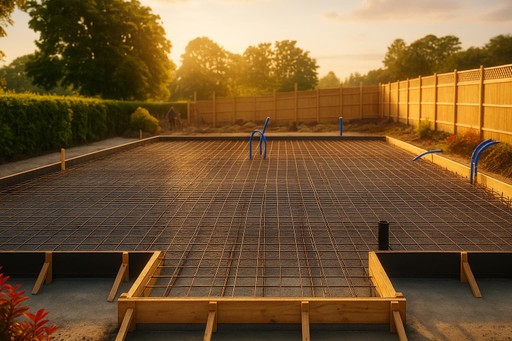
Moreover, pile systems provide adaptability in planning and can be customized to meet the specific demands of different projects. Whether it's the use of small piles for smaller structures or more robust solutions for major constructions, the adaptability of piling systems allows contractors to improve base designs for strength and cost efficiency. This adaptability makes them a popular option in modern construction, especially as metropolises continue to expand and change.
Installation and Improvements in Pile Installation Methods
The setup of pile foundations involves a organized approach to ensure strength and strength for massive structures. Initially, engineers conduct site assessments to determine soil conditions, which guides the selection of suitable piling methods. Once the pile type is chosen, the process starts with either one of the two options of driving piles into the ground or boring holes for drilled piles. This is succeeded by the insertion of either concrete or steel piles, depending on the project specifications. Effective dialogue between engineers, construction crews, and project managers is essential at this stage to resolve any issues that may arise during implementation.
Recent developments in piling techniques have considerably improved the effectiveness and effectiveness of foundation installations. For example, developments in hydraulic technology have enhanced the capability to drive piles deeper and with greater precision, minimizing noise and vibration impact on surrounding structures. Moreover, the development of innovative materials and coatings for piles has boosted durability and resistance to environmental factors, especially in shores where corrosion risks are greater. These advancements not only optimize the installation process but also contribute to the sustainability of construction practices.
It is crucial to consider future trends in piling foundations, especially as building demands evolve. Innovations such as the use of small and miniature piles are gaining traction for projects where space is limited or where ecological footprint needs to be reduced. Furthermore, ongoing research in intelligent pile systems — including monitoring devices that monitor pressure and shifting in real time — shows promise in enhancing the longevity of structural stability. As the construction industry continues to seek sustainable and durable options, piling foundations are set to play a central role in the next generation of building design and execution.