Maximizing Performance Efficient Shielded Cable Installations
Introduction
Efficient shielded cable installations play a crucial role in ensuring the smooth operation of electrical and communication systems. Shielded cables are designed to reduce electromagnetic interference (EMI) and radio frequency interference (RFI), which can negatively impact the performance of these systems. In this article, we will explore the importance of shielded cables, the various types available, and best practices for their installation to maximize performance.
Importance of Shielded Cables
Shielded cables are essential components in modern electrical and communication systems due to the increasing prevalence of electronic devices and wireless technologies. EMI and RFI can disrupt the signals transmitted through cables, leading to data loss, signal degradation, and system malfunctions. Shielded cables provide a protective barrier that helps to minimize the impact of external interference, ensuring reliable and consistent performance.
Types of Shielded Cables
There are several types of shielded cables available, each designed for specific applications and environments. Some common types of shielded cables include:
1. Foil Shielded Cables: These cables feature a thin layer of aluminum or copper foil wrapped around the inner conductor to provide protection against EMI and RFI. Foil shielding is effective at blocking high-frequency interference and is commonly used in data transmission applications.
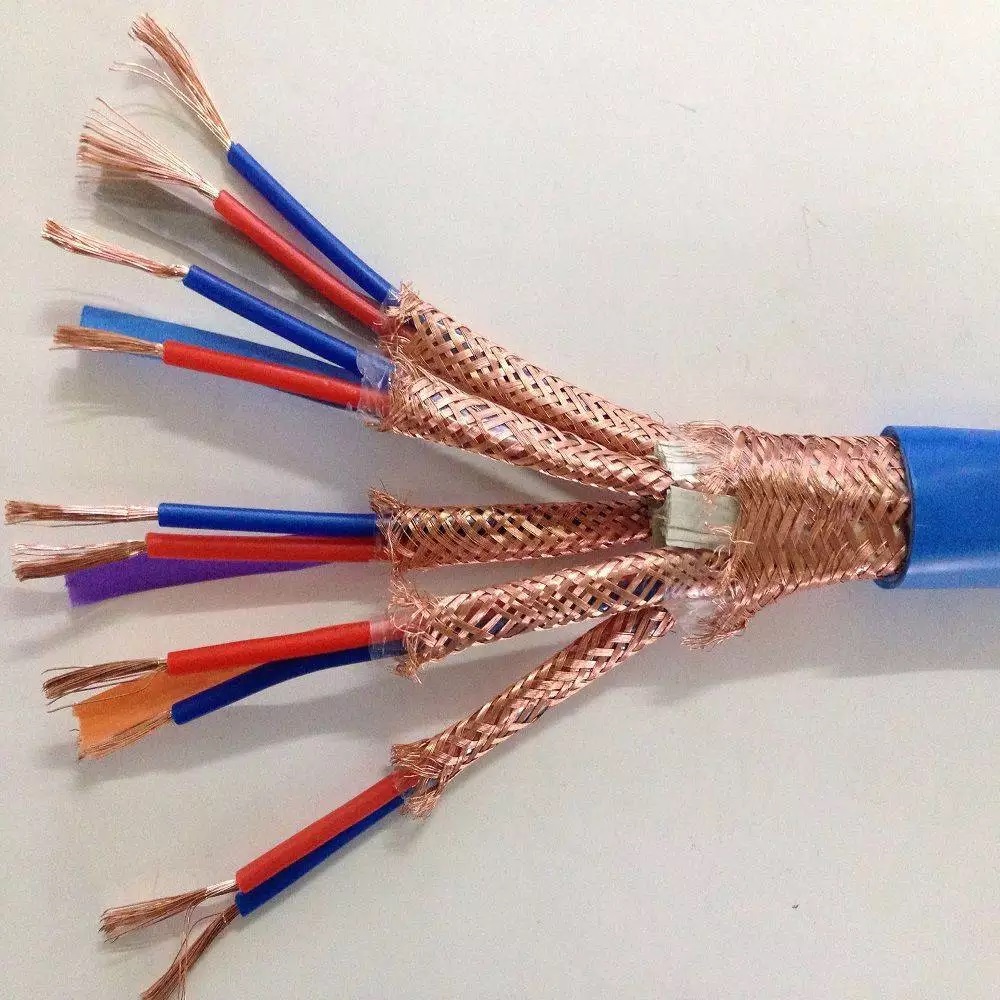
2. Braided Shielded Cables: Braided shielding consists of a mesh of fine wires woven around the inner conductor. This type of shielding offers excellent flexibility and durability, making it suitable for applications that require frequent bending or handling. Braided shields are effective at blocking both high and low-frequency interference.
3. Combination Shielded Cables: Some shielded cables combine both foil and braided shielding to provide comprehensive protection against a wide range of interference sources. These cables offer enhanced performance and are often used in critical applications where signal integrity is paramount.
Best Practices for Shielded Cable Installations
Proper installation of shielded cables is essential to ensure optimal performance and reliability. The following best practices should be followed when installing shielded cables:
1. Plan the Installation: Before beginning the installation process, carefully plan the cable routes and connections to minimize potential sources of interference. Consider factors such as cable length, proximity to power lines, and other electromagnetic devices.
2. Use Quality Connectors: Choose high-quality connectors that are compatible with shielded cables to maintain signal integrity and prevent signal leakage. Improper connectors can introduce additional interference and compromise the effectiveness of the shielding.
3. Maintain Proper Grounding: Grounding is crucial for shielded cables to effectively dissipate unwanted interference. Ensure that the cable shields are properly grounded at both ends to provide a clear path for the interference to flow to ground.
4. Avoid Sharp Bends: Avoid sharp bends or kinks in the cable during installation, as these can damage the shielding and compromise its effectiveness. Use cable management tools such as cable trays or conduits to maintain proper bend radius and prevent stress on the cables.
5. Test the Installation: Once the cables are installed, perform thorough testing to verify proper connectivity and signal quality. Use diagnostic tools such as cable testers or spectrum analyzers to identify any potential issues and make any necessary adjustments.
6. Follow Manufacturer Guidelines: Always follow the manufacturer's guidelines for installing shielded cables, as they provide specific instructions for optimal performance. Deviating from these guidelines can lead to reduced shielding effectiveness and potential signal interference.
Conclusion
Efficient shielded cable installations are essential for maintaining the performance and reliability of electrical and communication systems in today's interconnected world. By understanding insulated sheathed power cable of shielded cables, choosing the right type for the application, and following best practices for installation, you can ensure maximum performance and minimize the impact of external interference. Remember to plan the installation carefully, use quality components, maintain proper grounding, avoid sharp bends, test the installation, and follow manufacturer guidelines to achieve the best results. By implementing these practices, you can optimize the performance of shielded cables and ensure the smooth operation of your systems.